Bulgur — health benefits and uses
Plant-based energy base; pair with legumes/vegetables for a complete meal
The Short Answer
Bulgur is a parboiled whole grain made from cracked wheat kernels. It is highly nutritious, providing 8.2 grams of fiber and 151 calories per cooked cup, and is most famous as the base for tabbouleh salad.

Bulgur · Photograph
Bulgur (Triticum aestivum, processed) is one of the oldest and most practical whole grains in the world. Made by parboiling, drying, and cracking whole wheat kernels, it cooks faster than almost any other whole grain while keeping all three layers of the wheat kernel intact — the fiber-rich bran, the nutrient-dense germ, and the starchy endosperm. The result is a nutty, slightly chewy grain that works as a base for salads, bowls, pilafs, soups, and porridges.
Key Nutrients
% Daily Value based on 2,000 cal diet
Key active compounds in bulgur wheat
- Dietary fiber (insoluble and soluble): The dominant active component. The bran layer of bulgur provides mainly insoluble fiber, which adds bulk to stools and feeds beneficial gut bacteria. Some soluble fiber fractions support slower glucose absorption.
- Resistant starch: A portion of bulgur's starch resists digestion in the small intestine and travels to the colon, where it acts like fiber — supporting gut bacteria and contributing to satiety.
- Bran-associated phenolic compounds: The outer bran layer of whole wheat contains antioxidant plant compounds (phenolic acids and related polyphenols) that are largely absent in refined wheat products. Specific research on bulgur's phytochemical profile is limited, but these compounds are well-documented in whole-grain wheat broadly.
- B vitamins (niacin, thiamin, B6, folate): Concentrated in the germ and bran, these support energy metabolism, nervous system function, and cell division.
- Minerals (magnesium, manganese, copper, phosphorus, potassium, iron, zinc, selenium): The whole-grain milling process preserves minerals that are partially or fully lost in refined milling.
Is bulgur wheat a whole grain? Whole vs. refined — what actually matters
Yes — bulgur is a true whole grain. This distinction matters for two reasons.
1. Nutrient density: Refining wheat strips away the bran and germ, removing most of the fiber, magnesium, zinc, B vitamins, and phytochemicals. Regular couscous, white bread, and many pasta products are made from refined flour. Bulgur keeps all three kernel layers.
2. Regulatory recognition: U.S. Dietary Guidelines and MyPlate guidance recommend making at least half of all grain servings whole grains. Bulgur counts fully toward that target. Products labeled "multi-grain" or "wheat bread" are not always whole grain — check for "100% whole wheat" or "whole bulgur wheat" in the ingredient list.
A few grains sometimes compared with bulgur:
- White rice: Refined grain, very low fiber (~0.6 g/half cup cooked), higher GI
- Couscous (regular): Made from refined semolina, lower fiber than bulgur
- Brown rice: Whole grain, similar fiber to bulgur, but longer cook time and higher GI (~50–55)
- Quinoa: Gluten-free whole grain, slightly more protein per serving, higher cost
Prep and pairing ideas
Core cooking methods:
- Hot soak (fine or medium bulgur): Pour 2 cups boiling water over 1 cup dry bulgur, cover tightly, let sit 30–40 minutes, drain excess water, and fluff. No stovetop needed.
- Simmer (medium or coarse bulgur): Combine 1 cup bulgur with 1.5–2 cups water or broth, bring to a boil, reduce to a low simmer, cover, and cook 12–15 minutes until water is absorbed. Rest covered 5 minutes, then fluff.
- Breakfast porridge: Add extra water during simmering and cook until creamy. Top with fruit, nuts, or seeds.
Three practical pairings and why:
- Bulgur + chickpeas + lemon: Chickpeas add plant protein and additional fiber, turning bulgur into a complete meal with all essential amino acids across the combination. Lemon juice brightens flavor and the vitamin C can enhance non-heme iron absorption from both bulgur and chickpeas.
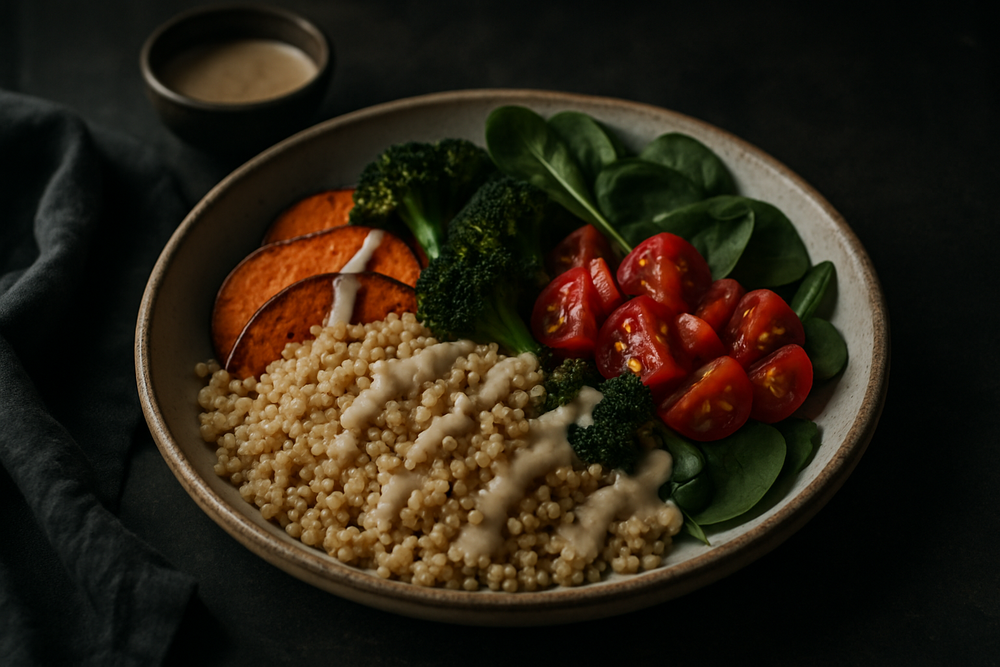
- Bulgur + roasted vegetables + tahini dressing: Roasted vegetables add vitamins A and C; tahini (sesame paste) contributes calcium and healthy fats that help absorb fat-soluble vitamin E from the bulgur bran. This combination makes a nutrient-dense grain bowl with minimal effort.
- Bulgur + fresh herbs + tomato (tabbouleh-style): The classic pairing. Parsley and tomato supply vitamin C and additional antioxidants, and the acidity of the lemon-tomato dressing helps moderate the glycemic response of the meal. Tabbouleh is one of the most-studied dishes featuring bulgur and is a practical gateway recipe.
How Bulgur Compares
| Compared with | What's different |
|---|---|
| Bulgur vs. Couscous | Made from refined semolina, couscous lacks the bran and germ, providing much less fiber per cup. |
| Bulgur vs. Brown rice | Bulgur is parboiled and cracked, allowing it to cook in 15 minutes compared to 45 minutes for brown rice. |
| Bulgur vs. Quinoa | A gluten-free seed with slightly more protein, while bulgur is a wheat grain with a chewier texture. |
Health Benefits
Things to Know
Celiac disease and gluten intolerance: Bulgur is made from wheat and contains gluten. It is not safe for people with celiac disease or non-celiac gluten sensitivity. No exceptions.
Wheat allergy: People with a diagnosed wheat allergy should avoid bulgur entirely.
IBS (irritable bowel syndrome): Wheat contains fructans, a type of fermentable carbohydrate that can trigger symptoms in some IBS patients. Individual tolerance varies; work with a dietitian if unsure.
Chronic kidney disease (CKD): Bulgur is relatively rich in phosphorus and potassium. People on a mineral-restricted renal diet should confirm appropriate portion sizes with their nephrologist or renal dietitian.
Diabetes and prediabetes: Bulgur's lower GI does not mean carbohydrate-free. Continue counting carbohydrates as directed, and track your personal glucose response when changing grain choices.
Medication absorption: High-fiber meals can modestly affect the absorption timing of certain medications (e.g., some thyroid drugs, certain cardiovascular medications). As a general precaution, space those medications away from very-high-fiber meals — this applies to high-fiber foods broadly, not specifically to bulgur.
New to high-fiber diets: Increase bulgur intake gradually and drink adequate water. A sudden large increase in fiber commonly causes temporary bloating, gas, or loose stools.
Pregnancy: Bulgur is a safe, folate-contributing whole grain during pregnancy for people without wheat or gluten issues. Folate is particularly important in early pregnancy for neural tube development.
Prep Ideas
- — Hot soak (fine or medium bulgur): Pour 2 cups boiling water over 1 cup dry bulgur, cover tightly, let sit 30–40 minutes, drain excess water, and fluff. No stovetop needed.
- — Simmer (medium or coarse bulgur): Combine 1 cup bulgur with 1.5–2 cups water or broth, bring to a boil, reduce to a low simmer, cover, and cook 12–15 minutes until water is absorbed. Rest covered 5 minutes, then fluff.
- — Breakfast porridge: Add extra water during simmering and cook until creamy. Top with fruit, nuts, or seeds.
- — Bulgur + chickpeas + lemon: Chickpeas add plant protein and additional fiber, turning bulgur into a complete meal with all essential amino acids across the combination. Lemon juice brightens flavor and the vitamin C can enhance non-heme iron absorption from both bulgur and chickpeas.
- — Bulgur + roasted vegetables + tahini dressing: Roasted vegetables add vitamins A and C; tahini (sesame paste) contributes calcium and healthy fats that help absorb fat-soluble vitamin E from the bulgur bran. This combination makes a nutrient-dense grain bowl with minimal effort.
- — Bulgur + fresh herbs + tomato (tabbouleh-style): The classic pairing. Parsley and tomato supply vitamin C and additional antioxidants, and the acidity of the lemon-tomato dressing helps moderate the glycemic response of the meal. Tabbouleh is one of the most-studied dishes featuring bulgur and is a practical gateway recipe.
Shop This Ingredient
Stock your pantry with quality bulgur.
Buy on AmazonAs an Amazon Associate, Plantopedia earns from qualifying purchases. This costs you nothing extra and helps us keep the encyclopedia free.
Frequently Asked Questions
Research directly on bulgur is limited. Most of the evidence base comes from large human studies on whole grains as a category (especially whole wheat), and bulgur's profile closely mirrors those studied grains. Where bulgur-specific data exist, they are noted clearly below. Heart and circulation Whole-grain intake is one of the most consistently supported dietary patterns for cardiovascular health. Large human cohort studies (observational studies following groups of people over time) have found that people eating around 50 g of whole grains per day had up to 20% lower risk of heart disease. Separately, research cited by WebMD found that for every 10 g of daily fiber added to the diet, risk of death from coronary heart disease dropped by 17–35%. Bulgur contributes to these totals through fiber, potassium (which helps regulate blood pressure), magnesium, and niacin. These are not claims that bulgur alone prevents heart disease — benefits arise from consistent whole-grain intake as part of an overall healthy diet. Digestive health and microbiome Bulgur's 4 g of fiber per half-cup cooked serving is substantial for a grain. The insoluble fiber from the bran layer adds bulk to stools, supporting regular bowel movements. Resistant starch and soluble fiber fractions act as prebiotics — food for beneficial gut bacteria like Bifidobacterium and Lactobacillus species — though this is inferred from general resistant starch research rather than bulgur-specific trials. People new to high-fiber foods should increase bulgur gradually, as a sudden jump in insoluble fiber can cause temporary gas or bloating. Blood sugar and metabolism Bulgur has a glycemic index (GI — a measure of how quickly a food raises blood glucose compared with pure glucose) of approximately 46–48, placing it in the low-to-moderate range. For context, white rice typically has a GI of 64–72. Human studies on whole-grain intake are associated with lower rates of type 2 diabetes and better insulin sensitivity (how effectively the body uses the hormone insulin to process glucose). Bulgur's intact grain structure and fiber content slow digestion, which dampens the post-meal blood glucose spike compared with refined grains. Individuals already using glucose-lowering medications should continue counting carbohydrates as directed by their care team — bulgur is still a carbohydrate-rich food. Inflammation and recovery Direct clinical trials on bulgur's effects on inflammatory markers are not available in the published literature reviewed here. Based on broader whole-grain wheat research, replacing refined grains with whole grains has been associated with modest reductions in C-reactive protein (CRP — a blood marker of systemic inflammation) in some human trials. This is considered an extrapolation to bulgur rather than a bulgur-proven effect. Treat this area as emerging.
The time-pressed meal prepper Needs a whole grain that cooks in under 15 minutes (fine bulgur in under 5 with soaking) Wants a neutral base that absorbs dressings and seasonings well Benefits from batch-cooking a large pot Sunday and using it across the week in grain bowls, wraps, and salads The plant-based eater working on fiber and mineral intake May rely heavily on refined starches (white rice, pasta, white bread) as a convenience default Swapping half their refined grain servings for bulgur can meaningfully increase daily fiber, magnesium, and B vitamins without overhauling their diet Especially relevant for people eating mostly vegan or vegetarian diets where iron and zinc from animal sources are absent
There is no single universal dose because bulgur is a food, not a supplement. The research supporting its benefits is based on total whole-grain intake patterns, not bulgur in isolation. Practical guidance: Starting amount: ¼ to ½ cup dry bulgur (roughly ½ to 1 cup once cooked) per meal, 1–2 times per day Whole-grain target context: Major health guidelines recommend at least 48–50 g of whole grains daily. One half-cup cooked bulgur contributes roughly 25–30 g toward that target, meaning 1–2 servings per day covers most or all of a typical adult's whole-grain goal Start low if you are new to high-fiber foods: Begin with
Quick Answers
Common questions, answered in a line.
Bulgur is a true whole grain produced by parboiling, drying, and cracking whole wheat kernels. This process ensures that all three layers of the grain—the fiber-rich bran, nutrient-dense germ, and starchy endosperm—remain intact for maximum nutritional value.
Bulgur wheat contains gluten and is not safe for individuals with celiac disease or non-celiac gluten sensitivity. Because it is a processed form of whole wheat, there are no exceptions to this rule for those who must follow a gluten-free diet.
The primary active compounds in bulgur are dietary fiber (both insoluble and soluble), resistant starch, and bran-associated phenolic compounds. It is also a significant source of B vitamins like niacin and thiamin, along with essential minerals such as magnesium, manganese, and iron.
Bulgur is generally healthier than white rice because it is a whole grain with significantly higher fiber content and a lower glycemic index (GI). While white rice is a refined grain providing only about 0.6g of fiber per half cup, bulgur retains its nutrient-dense bran and germ layers.
You can cook fine or medium bulgur by pouring two parts boiling water over one part dry grain and letting it sit, covered, for 30–40 minutes. For coarser varieties, simmer the grain in water or broth for 12–15 minutes until the liquid is fully absorbed.
People with a wheat allergy, celiac disease, or gluten intolerance should avoid bulgur entirely as it is a wheat-based product. Additionally, those with IBS may react to the fructans in wheat, and individuals on mineral-restricted diets for chronic kidney disease should monitor their intake of its phosphorus and potassium.
Pairing bulgur with vitamin C-rich ingredients like lemon juice or tomatoes can help enhance the absorption of its non-heme iron. Other beneficial pairings include chickpeas for a complete protein profile or tahini to help absorb fat-soluble vitamin E from the grain's bran layer.
For Readers in the USA
Local context — sourcing, seasonality, and regional notes.
In the U.S., you can find bulgur at major grocery chains like Whole Foods Market, Trader Joe's, and Safeway, typically located in the grain, international, or bulk food aisles. For a wider selection of grinds (fine to extra-coarse), check Middle Eastern or Mediterranean specialty markets.
Bulgur is usually sold in four distinct grind sizes in the U.S., ranging from #1 (fine) for Tabbouleh and salads to #4 (extra-coarse) for hearty pilafs and stews. Most American supermarkets carry medium (#2) or coarse (#3) varieties, which are versatile for bowls and side dishes.
The USDA's MyPlate guidelines recognize bulgur as a nutrient-dense whole grain that helps Americans meet the daily recommendation of making at least half of all grain intake whole grains. Choosing bulgur can significantly increase fiber and magnesium intake compared to white rice.
AI Clinical Review
- Bulgur is a true whole grain (bran, germ, endosperm intact) that cooks quickly, making it a practical upgrade from refined grains for everyday meals.
- The nutrition snapshot is reasonable: about 4 g fiber per ½ cup cooked, modest calories, and useful amounts of B vitamins and minerals for a plant-forward diet.
- Glycemic index is in the low–moderate range and generally lower than white rice; intact structure and fiber help blunt post‑meal glucose rises when compared with refined grains.
- The framing of benefits is appropriately tied to total whole‑grain patterns: higher whole‑grain intake is associated with better cardiometabolic outcomes, and bulgur can help people meet those patterns.
- Few clinical trials evaluate bulgur itself; most benefits are extrapolated from studies of whole grains or whole wheat generally.
- Microbiome and “resistant starch” effects are plausible but vary with grain size, processing, cooking/soaking, and cooling—so individual responses can differ.
- Inflammation findings (e.g., CRP reductions) with whole grains are mixed; any anti‑inflammatory effect of bulgur specifically should be considered modest and not guaranteed.
- Glycemic impact can shift with portion size and what it’s eaten with (fat, protein, acid), so table values for GI/GL are guides, not absolutes.
- Contains gluten: not appropriate for celiac disease, wheat allergy, or diagnosed non‑celiac gluten sensitivity.
- IBS/FODMAPs: wheat fructans can trigger symptoms in some; start with small servings and assess tolerance, ideally with a clinician or dietitian if symptoms are active.
- CKD: relatively higher in phosphorus and potassium than refined grains; people on mineral‑restricted renal diets should confirm portions with their care team.
- Portions and targets: the “48 g/day of whole grains” refers to grams of dry whole‑grain ingredients. A ½ cup cooked bulgur counts as about 1 ounce‑equivalent (~16 g) toward that goal; many adults meet the target with ~1–1½ cups cooked across a day, depending on other grains eaten. If you monitor blood glucose, count bulgur as a carbohydrate and check your personal response; take timing‑sensitive medications (e.g., levothyroxine) away from very high‑fiber meals as advised by your clinician.
For grain products, clarify whole-grain vs refined where relevant.
References
- PubMed — Bioactive healthy components of bulgur (pubmed.ncbi.nlm.nih.gov)
- PMC, National Library of Medicine — Pea-based bulgur: a nutrient-rich and high-protein plant-based food product (pmc.ncbi.nlm.nih.gov)
- PMC, National Library of Medicine — AI-guided optimization of traditional bulgur pilafs: enhancing sensory and bioactive properties through RSM-PSO modeling (pmc.ncbi.nlm.nih.gov)
- PubMed — Comparison of the nutritional composition of experimental fermented milk:wheat bulgur blends and commercially available kishk and tarhana products (pubmed.ncbi.nlm.nih.gov)
- PMC, National Library of Medicine — Drying Behavior of Bulgur and Its Effect on Phytochemical Content (pmc.ncbi.nlm.nih.gov)
- USDA FoodData Central — USDA FoodData Central (fdc.nal.usda.gov)
- University of Rochester Medical Center — Content - Health Encyclopedia - URochester Medicine (urmc.rochester.edu)
Know Your Numbers
Eating healthy is a start. Now get to know your biomarkers.
Food changes bloodwork — inflammation, lipids, blood sugar and nutrient status all respond to what you eat. 59 markers from $59.
- Results in 7–10 days at 2,000+ Quest sites
- Licensed provider reviews every result
- One flat price, no membership, HSA/FSA eligible
Educational information only, not medical advice. Panels are ordered and reviewed through our licensed partner; Plantopedia may earn a commission.