Soba Noodles — health benefits and uses
Plant-based energy base; pair with legumes/vegetables for a complete meal
The Short Answer
Soba noodles are Japanese noodles made from buckwheat that provide 6g of protein and 3g of fiber per cooked cup. They are a rich source of magnesium and the antioxidant rutin, which supports heart and metabolic health.

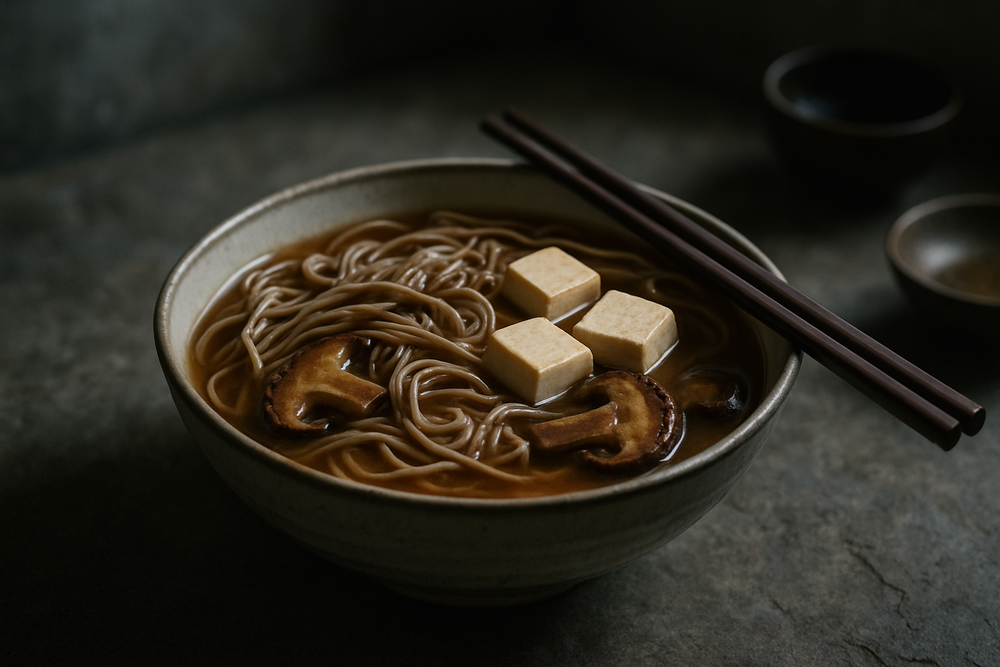
Soba Noodles · Photograph
Soba noodles are a Japanese staple made from buckwheat flour (Fagopyrum esculentum) — sometimes blended with wheat — that have quietly earned a place in plant-based kitchens worldwide. They cook in minutes, pair with almost anything, and bring a slightly nutty, earthy flavour that plain pasta simply cannot match. More importantly, when made from 100% buckwheat, they deliver a genuinely useful nutrient package: complex carbohydrates for steady energy, modest plant protein, key minerals, and a small set of plant compounds that researchers are actively studying for heart and metabolic support.
Key Nutrients
% Daily Value based on 2,000 cal diet
Key active compounds
Buckwheat-based soba contains several biologically active compounds not found in plain wheat products. The amounts present depend on how much buckwheat flour is used and how refined that flour is.
- Rutin — A flavonoid (a type of plant pigment with antioxidant properties) concentrated in the outer layers of the buckwheat grain. Associated with capillary strength and reduced oxidative stress in preclinical research.
- Quercetin — A polyphenol (a broad class of plant compounds with antioxidant and anti-inflammatory activity) also present in buckwheat. May support vascular function and reduce oxidative damage.
- ACE-inhibitory peptides — Short protein fragments derived from buckwheat protein that can block angiotensin-converting enzyme (ACE), a protein involved in regulating blood pressure. Similar in mechanism — though far weaker in effect — to a class of blood pressure medications.
- Resistant starch — Starch that reaches the large intestine undigested, where gut bacteria ferment it into short-chain fatty acids. Supports gut health, satiety, and more stable post-meal glucose levels.
- D-chiro-inositol–rich fagopyritols — Buckwheat-specific carbohydrate compounds that may support insulin signalling and glycaemic control. Found in buckwheat but not in wheat.
Prep and pairing ideas
Soba is one of the most versatile noodles in a plant-based kitchen. It takes about 4–6 minutes to boil, and it works hot or cold.
Three practical pairings and why:
- Soba + edamame + sesame + ginger dressing — Edamame (young green soybeans) adds complete plant protein and isoflavones, closing the amino acid gap that buckwheat's modest protein leaves. Sesame provides healthy fats that slow glucose absorption further. This is a genuinely balanced meal in a bowl.
- Soba + shiitake mushrooms + miso broth — Shiitake contributes beta-glucans (soluble fibres that support immune function and cholesterol levels) and umami depth. Miso adds fermented food benefit to the meal, though watch sodium in the broth. Opt for a low-sodium miso and limit the broth volume if sodium is a concern.
- Soba + roasted broccoli + tofu + tamari — Broccoli brings sulforaphane (a plant compound with anti-inflammatory and detoxification-pathway activity), vitamin C, and additional fibre. Tofu rounds out the protein to a near-complete profile. This combination creates a plant-based plate that covers protein, complex carbohydrate, and two separate vegetable phytochemical families in one meal.
Practical prep tips:
- Rinse cooked soba under cold water immediately after draining — this stops the cooking, removes excess starch, and prevents clumping.
- Cold soba noodle salads are a traditional Japanese preparation (zaru soba) and are excellent for meal prep — they keep well for 2–3 days in the fridge.
- Store uncooked dried soba in a cool, dry cupboard away from moisture; it will keep for many months.
How Soba Noodles Compares
| Compared with | What's different |
|---|---|
| Soba Noodles vs. White Pasta | Higher in fiber and minerals like magnesium; provides a nuttier, earthier flavor profile. |
| Soba Noodles vs. Udon Noodles | Thin and brown; contains buckwheat flavonoids like rutin which are absent in wheat-only noodles. |
| Soba Noodles vs. Rice Noodles | Made from buckwheat rather than rice; has a firmer texture and more complex carbohydrate profile. |
Health Benefits
Things to Know
Buckwheat allergy is rare but can be serious.: Case reports from Japan, Korea, and China document hives, swelling, wheezing, and anaphylaxis (a severe, whole-body allergic reaction) after soba consumption. If you have never eaten buckwheat, introduce it in a small portion first, especially if you have other food allergies.
Most commercial soba contains wheat.: People with coeliac disease or non-coeliac gluten sensitivity must choose certified 100% buckwheat soba to avoid gluten exposure.
Soba is a significant carbohydrate source.: Even with a lower GI, a large portion will raise blood glucose. People with diabetes, prediabetes, or insulin resistance should monitor portion size and overall meal composition.
Medication interactions to flag with your doctor:
Glucose-lowering medications (insulin, sulfonylureas, GLP-1 agonists, SGLT2 inhibitors): soba can affect post-meal blood glucose and may require meal-based dose adjustments.
Antihypertensive medications, particularly ACE inhibitors: buckwheat's ACE-inhibitory peptides may theoretically add to blood-pressure-lowering effects. Clinically meaningful interactions have not been well documented, but if you are on multiple blood pressure medications and are significantly increasing buckwheat intake, let your doctor know.
Oral medications requiring consistent absorption: high-fibre meals can modestly slow gastric emptying; spacing critical medications away from a very large high-fibre soba meal is a reasonable precaution.
Low-carb or ketogenic diets: Soba's carbohydrate content (around 24 g per cup cooked) may exceed individualized targets.
Pregnancy: Soba eaten in typical food amounts is not specifically contraindicated, but if you have any buckwheat allergy history or are managing gestational diabetes, discuss portion sizing with your midwife or registered dietitian.
Prep Ideas
- — Soba + edamame + sesame + ginger dressing — Edamame (young green soybeans) adds complete plant protein and isoflavones, closing the amino acid gap that buckwheat's modest protein leaves. Sesame provides healthy fats that slow glucose absorption further. This is a genuinely balanced meal in a bowl.
- — Soba + shiitake mushrooms + miso broth — Shiitake contributes beta-glucans (soluble fibres that support immune function and cholesterol levels) and umami depth. Miso adds fermented food benefit to the meal, though watch sodium in the broth. Opt for a low-sodium miso and limit the broth volume if sodium is a concern.
- — Soba + roasted broccoli + tofu + tamari — Broccoli brings sulforaphane (a plant compound with anti-inflammatory and detoxification-pathway activity), vitamin C, and additional fibre. Tofu rounds out the protein to a near-complete profile. This combination creates a plant-based plate that covers protein, complex carbohydrate, and two separate vegetable phytochemical families in one meal.
- — Rinse cooked soba under cold water immediately after draining — this stops the cooking, removes excess starch, and prevents clumping.
- — Cold soba noodle salads are a traditional Japanese preparation (zaru soba) and are excellent for meal prep — they keep well for 2–3 days in the fridge.
- — Store uncooked dried soba in a cool, dry cupboard away from moisture; it will keep for many months.
Shop This Ingredient
Stock your pantry with quality soba noodles.
Buy on AmazonAs an Amazon Associate, Plantopedia earns from qualifying purchases. This costs you nothing extra and helps us keep the encyclopedia free.
Frequently Asked Questions
The honest answer is that most research has been done on buckwheat foods broadly — not soba noodles specifically. Where large, long-term, soba-focused clinical trials exist, the evidence sections below note it. Where evidence is extrapolated from the ingredient buckwheat, that is flagged too. Heart and circulation Buckwheat-based soba provides rutin, quercetin, magnesium, and ACE-inhibitory peptides — all of which have demonstrated vascular-relevant activity in preclinical and small human studies. Rutin and quercetin can scavenge free radicals (unstable molecules that damage cells) and may help maintain capillary integrity. The ACE-inhibitory peptides in buckwheat protein mirror the mechanism of a class of antihypertensive drugs, suggesting a potential — if modest — blood-pressure-modulating effect. Research also suggests that buckwheat protein fractions may support lipid metabolism and may help lower serum cholesterol (the total cholesterol circulating in the blood), though most data come from mixed human and animal studies rather than large randomised controlled trials specifically using soba. Evidence level: Moderate for the nutrient and phytochemical profile; emerging for hard cardiovascular outcomes in humans. Digestive health and microbiome Higher-buckwheat soba contributes dietary fibre and resistant starch, both of which feed beneficial gut bacteria (the collection of microorganisms living in the large intestine, sometimes called the gut microbiome). Fermentation of resistant starch produces short-chain fatty acids, which nourish the gut lining and are linked to improved bowel regularity and satiety. Slower starch digestion also means a more gradual transit through the digestive tract compared with refined wheat noodles. Evidence level: Emerging — benefits are well established for fibre and resistant starch generally, but soba-specific digestive trials are limited. Blood sugar and metabolism Cooked soba noodles have a reported glycaemic index (GI — a measure of how quickly a food raises blood glucose, where lower is slower) of around 46, placing them in the low-to-moderate range. This compares favourably with white rice (GI 70+) and many refined wheat pasta products. Buckwheat's resistant starch and fagopyritols are proposed mechanisms for this more stable glucose response. Several reviews note that substituting soba for refined grain staples can support more consistent post-meal blood sugar levels. This does not make soba a treatment for diabetes, but it does make it a structurally more useful starch than many alternatives. Evidence level: Moderate — GI data is reasonably consistent; long-term soba-specific diabetes trials are limited. Inflammation and recovery Rutin and quercetin in buckwheat soba act as antioxidants and have shown anti-inflammatory activity in cell and animal models, including reductions in oxidative stress markers. Whether eating soba regularly produces measurable reductions in inflammatory markers (such as CRP — C-reactive protein, a blood marker of systemic inflammation) in humans has not been robustly demonstrated in direct clinical trials. The mechanism is plausible; the human data specific to soba is thin. Evidence level: Emerging — mechanistic evidence is strong; direct human outcome data for soba are limited.
Yes — for most of the health-relevant properties, 100% buckwheat soba is the stronger choice. Here is a practical breakdown: | | 100% Buckwheat Soba | Wheat-blend Soba | |---|---|---| | Whole-grain status | Yes (if wholemeal flour used) | Partial or no | | Gluten | None (if certified GF) | Yes | | Rutin / quercetin | Higher | Lower | | Fibre | Higher | Lower | | GI | Lower (46) | Moderate to higher | | Texture | Slightly more delicate | Smoother, more elastic | | Cost | Higher | Lower | Label tips to look for: Ingredient list should read "buckwheat flour" (or "whole buckwheat flour") as the first and only flour. Look for a declared buckwheat percentage — aim for 70% or higher for meaningful benefits. If you have coeliac disease or a gluten sensitivity, look for a certified gluten-free symbol in addition to the 100% buckwheat claim, since cross-contamination during manufacturing is a real risk. Shorter ingredient lists (buckwheat flour, water, sometimes salt) generally indicate less processing.
There is no established clinical upper limit for soba.
Quick Answers
Common questions, answered in a line.
Soba noodles are a traditional Japanese staple primarily made from buckwheat flour, which provides a nutty, earthy flavor and a more complex nutrient profile than plain wheat pasta. When made with 100% buckwheat, these noodles offer plant protein, minerals, and bioactive compounds like rutin and quercetin.
Soba noodles typically cook in about 4 to 6 minutes in boiling water. For the best texture, the article recommends rinsing the cooked noodles under cold water immediately after draining to stop the cooking process and prevent clumping.
Soba noodles contain rutin, quercetin, and ACE-inhibitory peptides, which are plant compounds studied for their ability to support heart health and vascular function. Rutin is a flavonoid concentrated in the grain's outer layers that is associated with capillary strength and reduced oxidative stress.
While pure buckwheat is gluten-free, most commercial soba noodles are a blend of buckwheat and wheat flour. Individuals with coeliac disease or gluten sensitivity must specifically look for certified 100% buckwheat soba to ensure the product is safe to consume.
Soba noodles contain resistant starch and D-chiro-inositol–rich fagopyritols, which can help support more stable post-meal glucose levels and insulin signaling. However, because they are a significant source of carbohydrates, people with diabetes should still monitor their portion sizes.
Buckwheat-based soba contains resistant starch, which reaches the large intestine undigested to be fermented by gut bacteria into short-chain fatty acids. This process supports overall gut health and may also increase feelings of satiety after a meal.
Soba noodles can be paired with edamame for a complete protein profile or with shiitake mushrooms and miso for immune-supporting beta-glucans. Adding roasted broccoli provides sulforaphane and vitamin C, creating a nutrient-dense meal covering multiple phytochemical families.
For Readers in the USA
Local context — sourcing, seasonality, and regional notes.
You can find soba noodles at major US retailers like Whole Foods Market, Trader Joe's, and Safeway, as well as at local Asian grocers such as H-Mart or Mitsuwa Marketplace. While mainstream supermarkets often stock wheat-blend varieties in the international aisle, specialty Asian markets typically offer a wider selection of 100% buckwheat options.
In the US, check the ingredients list for the "USDA Organic" seal to ensure the buckwheat was grown without synthetic pesticides, and look for "Gluten-Free" certification if you need to avoid wheat cross-contamination. Because US labeling laws require ingredients to be listed by weight, ensure buckwheat is the first ingredient to get the most nutritional value.
American buckwheat production is concentrated in northern states like North Dakota, Washington, and Minnesota, with the peak harvest occurring in late summer and early fall. This domestic crop supplies much of the buckwheat flour used by US-based artisanal noodle makers and health food brands.
AI Clinical Review
- Emphasizes that nutrition and health effects differ widely between 100% buckwheat soba and wheat‑blend products; this is clinically meaningful for fibre, micronutrients, and phytochemicals.
- Accurately highlights key buckwheat compounds (rutin, quercetin, resistant starch, and ACE‑inhibitory peptides) and their plausible roles in vascular and metabolic health.
- Notes the generally lower glycaemic index (GI—a measure of how quickly a food raises blood sugar) of buckwheat‑rich soba compared with many refined grain staples.
- Provides practical selection and prep tips (e.g., rinsing after cooking, checking labels for buckwheat percentage and gluten‑free certification) that align with everyday nutrition counseling.
- Most data come from studies on buckwheat ingredients or mixed buckwheat foods rather than soba noodles specifically; large, long‑term human trials on soba and hard outcomes (e.g., cardiovascular events, diabetes control over months) are limited.
- Antioxidant and ACE‑inhibitory mechanisms are biologically plausible, but the size of effect from typical soba portions in real‑world diets remains uncertain.
- Reported GI values and micronutrient levels vary by brand, buckwheat percentage, milling (whole vs refined), and cooking/cooling; individual responses can differ.
- Microbiome and anti‑inflammatory benefits are suggested by fibre/resistant starch and polyphenol research, but soba‑specific clinical evidence is still emerging.
- Allergies: Buckwheat allergy is uncommon but can be severe. If you’re new to buckwheat or have other food allergies, start with a small portion.
- Gluten: Many soba noodles contain wheat. For coeliac disease or gluten sensitivity, choose products labeled 100% buckwheat with certified gluten‑free processing to reduce cross‑contact risk.
- Portions and blood sugar: About 1 cup cooked soba (~114 g) provides roughly 24 g carbohydrate. People with diabetes, prediabetes, or insulin resistance may wish to start with 1 cup cooked and pair with protein, healthy fats, and non‑starchy vegetables.
- Medications: If you use glucose‑lowering drugs (e.g., insulin, sulfonylureas, GLP‑1 or SGLT2 agents) or multiple antihypertensives, monitor your post‑meal response when adding higher‑buckwheat soba and discuss patterns with your clinician.
- Sodium and sauces: Traditional broths and sauces (miso, tamari, dipping sauces) can be high in sodium; choosing lower‑sodium options helps keep meals heart‑friendly.
For grain products, clarify whole-grain vs refined where relevant.
References
- PMC, National Library of Medicine — Buckwheat noodles: processing and quality enhancement (pmc.ncbi.nlm.nih.gov)
- USDA FoodData Central — USDA FoodData Central (fdc.nal.usda.gov)
- PMC, National Library of Medicine — Buckwheat allergy: a potential problem in 21st century Britain (pmc.ncbi.nlm.nih.gov)
- PMC, National Library of Medicine — A Positive Causal Relationship between Noodle Intake and Metabolic Syndrome: A Two-Sample Mendelian Randomization Study (pmc.ncbi.nlm.nih.gov)
Know Your Numbers
Eating healthy is a start. Now get to know your biomarkers.
Food changes bloodwork — inflammation, lipids, blood sugar and nutrient status all respond to what you eat. 59 markers from $59.
- Results in 7–10 days at 2,000+ Quest sites
- Licensed provider reviews every result
- One flat price, no membership, HSA/FSA eligible
Educational information only, not medical advice. Panels are ordered and reviewed through our licensed partner; Plantopedia may earn a commission.