Sorghum — health benefits and uses
Plant-based energy base; pair with legumes/vegetables for a complete meal
The Short Answer
Sorghum is a nutrient-dense, gluten-free ancient grain that provides 6g of protein and 22% of your daily fiber per 1/4 cup dry serving. It is best prepared by simmering in water for 50–65 minutes until it reaches a chewy, tender texture similar to wheat
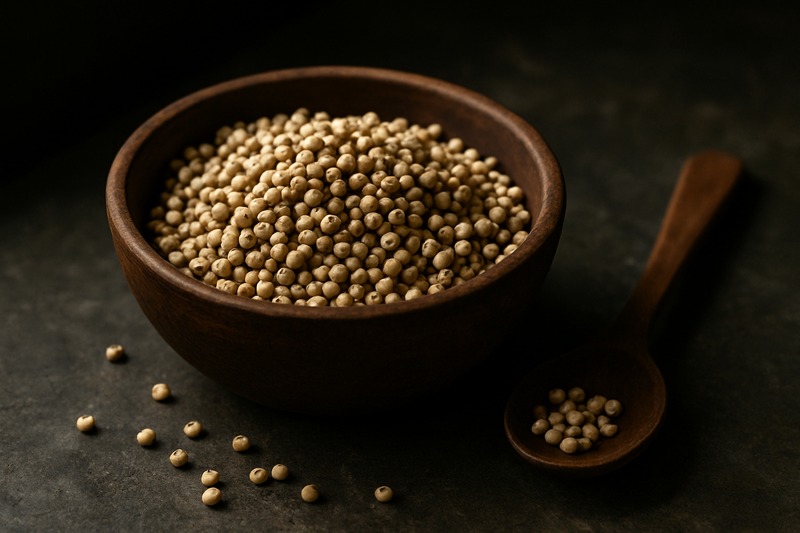
Sorghum · Photograph
Sorghum (Sorghum bicolor) is one of the world's oldest cultivated cereal crops and the fifth most-produced grain on the planet, yet it remains quietly underused in many Western kitchens. Originally domesticated in northeastern Africa thousands of years ago, it has long been a dietary staple across sub-Saharan Africa, South Asia, and parts of Central America — and for good reason. It is naturally gluten free, versatile, and packed with fiber, slowly digested starch, and plant compounds that research links to steady energy and everyday cardiometabolic support.
Key Nutrients
% Daily Value based on 2,000 cal diet
Key active compounds (phytochemicals)
- Phenolic acids and flavonoids — A diverse family of plant secondary metabolites concentrated in sorghum's outer bran layer. They act as antioxidants (molecules that neutralize cell-damaging free radicals) and may modulate inflammatory pathways and slow carbohydrate digestion. Pigmented (red, black) sorghum varieties tend to have the highest concentrations.
- Condensed tannins (in certain varieties) — High-molecular-weight polyphenols found especially in dark, high-tannin sorghum types. They show strong antioxidant activity in laboratory studies but can also reduce protein and mineral digestibility at high doses; effects at typical dietary servings are considered modest.
- Resistant starch — The fraction of starch that escapes digestion in the small intestine and travels to the colon, where gut bacteria ferment it. This is a key reason whole sorghum produces a lower blood sugar spike than many other grains and acts as a prebiotic (food for beneficial gut bacteria).
- 3-Deoxyanthocyanidins — Unique pigment compounds found in red and purple sorghum varieties, structurally similar to anthocyanins (the pigments in blueberries). Potent antioxidant effects have been demonstrated in cell and animal studies; their relevance to typical human dietary intakes is still being explored.
Buying guide: how to choose sorghum products
Sorghum is increasingly available in health food stores, online, and in grocery chains with broad bulk or specialty grain sections. Here is what to look for:
- Look for the whole grain: Seek "whole grain sorghum," "whole sorghum," or the Whole Grain Stamp (a packaging label certifying that the product contains a full serving of whole grain). "Sorghum flour" alone does not guarantee the bran is retained.
- Gluten-free shoppers: Choose products explicitly labeled certified gluten free. Sorghum is naturally gluten free, but cross-contact with wheat during processing is a real risk in facilities that handle multiple grains.
- Pearl vs. whole sorghum: Pearled sorghum has had part of the outer bran removed (similar to pearled barley vs. hulled barley), which lowers fiber and phytochemical content. Opt for whole-grain (hulled, not pearled) for maximum benefit.
- Pigmented varieties: If you spot red, burgundy, or black sorghum at a specialty store, these tend to have higher phenolic content than white sorghum. Worth trying if available, though all varieties are nutritionally solid.
- Sorghum syrup: Sold as a sweetener (amber liquid). It is made from the plant's juice and is not interchangeable with whole-grain sorghum for health purposes. Store it as you would molasses.
Prep and pairing ideas
Whole-grain sorghum cooks similarly to wheat berries or brown rice. The most common method: rinse 1 cup of dry kernels, combine with 3 cups of water or unsalted broth, bring to a boil, then simmer covered for 50–65 minutes until tender but slightly chewy. Batch-cook a large pot and refrigerate for up to five days.
Three practical pairings:
- Sorghum + roasted root vegetables + tahini dressing — The grain's mild, slightly sweet flavor and chewy texture pair well with caramelized carrots, beets, or sweet potato. Tahini adds healthy fat and calcium, and the combination makes a satisfying, nutrient-dense bowl. Lemon in the dressing also boosts iron absorption from both the grain and the vegetables.
- Sorghum + legumes (black beans or lentils) + tomato-based sauce — Pairing sorghum with beans creates a complementary amino acid profile, rounding out the protein quality of the meal. The tomato sauce contributes vitamin C, which enhances iron absorption from both the grain and the legumes — a smart combo for plant-based eaters.
- **Popped
How Sorghum Compares
| Compared with | What's different |
|---|---|
| Sorghum vs. Wheat Berries | Sorghum is gluten-free and contains 6g of fiber per serving, while wheat contains gluten. |
| Sorghum vs. White Rice | Sorghum has a chewier, firmer texture and higher protein content than white rice. |
| Sorghum vs. Sorghum Syrup | Sorghum is a whole grain kernel; sorghum syrup is a liquid sweetener made from the plant juice. |
Health Benefits
Things to Know
GI adjustment: Sorghum is a high-fiber grain. If your current diet is low in fiber, add it gradually — starting with a quarter cup cooked — and increase slowly over two to four weeks, while drinking adequate water, to minimize gas and bloating.
Celiac disease and gluten sensitivity: Sorghum is naturally gluten free, but cross-contact risk is real. Always choose products certified gluten free if you must strictly avoid gluten.
Sorghum allergy: Sorghum is a grass (Poaceae family). People with grass pollen allergies or known grain sensitivities should introduce it cautiously and consult a healthcare provider if unsure.
IBS and functional gut conditions: The fermentable fiber content may trigger symptoms in individuals with irritable bowel syndrome (IBS) if introduced too quickly or in large portions. A low-and-slow approach applies here especially.
Kidney disease: Sorghum provides phosphorus and potassium. People on individualized mineral restrictions due to advanced kidney disease should check with their dietitian before significantly increasing whole-grain intake.
Medications and high-fiber foods: As a general fiber precaution (not sorghum-specific), very high fiber intake taken simultaneously with certain oral medications — such as thyroid hormone or some antibiotics — may modestly affect absorption. A practical habit is to space high-fiber meals and time-sensitive medications by one to two hours. No sorghum-specific drug interactions have been identified in human studies.
Pregnancy: Sorghum is a nutritious whole grain and is generally safe during pregnancy as part of a balanced diet. No sorghum-specific cautions apply, though the general advice to choose a diverse range of whole foods applies.
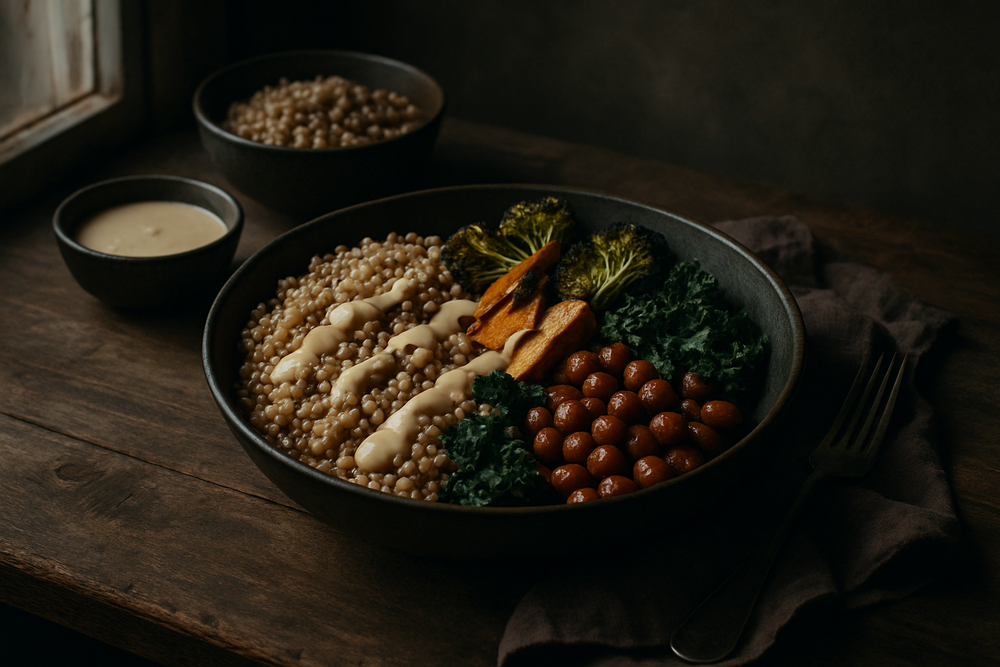
Prep Ideas
- — Sorghum + roasted root vegetables + tahini dressing — The grain's mild, slightly sweet flavor and chewy texture pair well with caramelized carrots, beets, or sweet potato. Tahini adds healthy fat and calcium, and the combination makes a satisfying, nutrient-dense bowl. Lemon in the dressing also boosts iron absorption from both the grain and the vegetables.
- — Sorghum + legumes (black beans or lentils) + tomato-based sauce — Pairing sorghum with beans creates a complementary amino acid profile, rounding out the protein quality of the meal. The tomato sauce contributes vitamin C, which enhances iron absorption from both the grain and the legumes — a smart combo for plant-based eaters.
- — **Popped
Shop This Ingredient
Stock your pantry with quality sorghum.
Buy on AmazonAs an Amazon Associate, Plantopedia earns from qualifying purchases. This costs you nothing extra and helps us keep the encyclopedia free.
Frequently Asked Questions
Heart and circulation Evidence level: moderate Human intervention studies, including findings summarized in a 2024 narrative review in PMC, report that sorghum-enriched foods — typically breads, porridges, or biscuits providing 30–60 g of whole-grain sorghum flour per serving — produced modest but favorable reductions in total and LDL ("bad") cholesterol over several weeks. Sorghum's phenolic compounds also improved markers of oxidative stress in some clinical studies, which may indirectly benefit vascular health. Sorghum is best framed as one heart-healthy whole grain among many, not a stand-alone treatment for high cholesterol. The benefits are most consistently seen with whole-grain or high-bran varieties, not refined sorghum or syrup. Broader epidemiologic data consistently link regular whole-grain intake (across all grain types) with lower coronary heart disease risk, and sorghum fits within that pattern. Digestive health and microbiome Evidence level: moderate Whole sorghum's high fiber content — including soluble fiber, insoluble fiber, and resistant starch — makes it a useful prebiotic substrate. Gut bacteria ferment resistant starch in the colon, producing short-chain fatty acids (SCFAs, compounds like butyrate that nourish the colon lining and support immune function). Clinical studies reported in recent reviews found that sorghum-containing foods increased short-term satiety and may promote favorable changes in gut-related markers. Human microbiome sequencing studies specific to sorghum are still emerging, so most of the evidence relies on surrogate markers such as SCFA production, satiety scores, and glycemic responses. The practical upshot: sorghum adds meaningful fiber to your day, particularly if you are transitioning from a lower-fiber diet. Blood sugar and metabolism Evidence level: moderate This is one of sorghum's most consistently supported benefit areas. Controlled feeding studies show that whole-grain sorghum foods elicit lower post-meal blood glucose and insulin responses than comparable wheat or refined grain products in both healthy adults and individuals with impaired glucose regulation. The mechanism involves the grain's high resistant and slowly digestible starch content plus polyphenols that appear to slow carbohydrate digestion. Most studies are short-term meal tests or brief dietary interventions; there are not yet long-term trials showing reduced diabetes incidence specifically from sorghum. Benefits depend heavily on choosing intact grain or minimally processed whole-grain sorghum flour — not sorghum syrup or highly refined products. Inflammation and recovery Evidence level: emerging Sorghum's phenolic compounds — especially in pigmented, bran-rich varieties — show antioxidant and anti-inflammatory properties in cell and animal research. Some human studies included in the 2024 review found improvements in oxidative stress biomarkers after sorghum consumption. However, the number of human trials is small, most are short term, and they measure surrogate markers rather than hard clinical outcomes. The mechanistic evidence largely comes from sorghum extracts or bran fractions rather than everyday culinary servings of the whole grain.
Not all sorghum products are equal. Here is a practical breakdown: | Form | Whole-grain status | Best for | |---|---|---| | Whole kernels (cooked) | ✅ Full whole grain | Grain bowls, side dishes, soups | | Whole-grain sorghum flour | ✅ Retained if bran/germ intact | Gluten-free baking, pancakes | | Popped sorghum | ✅ Whole grain | Snacking, salad topper | | Traditional porridge (whole-grain) | ✅ Whole grain | Breakfast, savory bowls | | Refined sorghum flour | ❌ Bran removed | Limited benefit over white flour | | Sorghum syrup | ❌ Not a grain product | Use as sweetener only, not a health food | Sorghum bran extracts are used in research to concentrate antioxidants but are not a standard pantry item. Choosing the intact kernel or certified whole-grain flour is the straightforward way to capture the fiber, resistant starch, and phytochemical benefits documented in human studies.
Quick Answers
Common questions, answered in a line.
Sorghum is naturally gluten-free, making it a safe cereal grain for people with celiac disease or gluten sensitivity. However, because cross-contact with wheat can occur during processing, shoppers should specifically look for products labeled "certified gluten free" to ensure safety.
Whole-grain sorghum produces a lower blood sugar spike because it contains resistant starch and phenolic acids that slow down carbohydrate digestion. The grain's resistant starch escapes the small intestine to be fermented by gut bacteria, contributing to steadier energy levels compared to many other grains.
To cook whole-grain sorghum, simmer one cup of rinsed dry kernels in three cups of water or broth for 50 to 65 minutes until tender. The grain has a mild, slightly sweet flavor and a chewy texture similar to wheat berries or brown rice, and it can be batch-cooked and refrigerated for up to five days.
Pigmented sorghum varieties, such as red, burgundy, and black, generally contain higher concentrations of antioxidants like phenolic acids and flavonoids compared to white varieties. Red and purple types also contain unique pigments called 3-deoxyanthocyanidins, which have demonstrated potent antioxidant effects in animal and cell studies.
Sorghum is a high-fiber grain that can cause gas or bloating if introduced to your diet too quickly. To minimize digestive discomfort, you should start with a small portion, such as a quarter cup, and increase your intake gradually over two to four weeks while drinking plenty of water.
Sorghum syrup is an amber-colored liquid sweetener made from the plant's juice and is not a nutritional substitute for whole-grain sorghum. Unlike the grain, the syrup does not provide the same levels of fiber and phytochemicals and should be stored and used similarly to molasses.
While sorghum is a nutritious whole grain generally safe for pregnancy, individuals with advanced kidney disease should consult a dietitian due to its phosphorus and potassium content. Additionally, those with grass pollen allergies should introduce it cautiously as sorghum belongs to the Poaceae grass family.
For Readers in the USA
Local context — sourcing, seasonality, and regional notes.
Most food-grade sorghum in the U.S. is grown in the "Sorghum Belt," a region stretching from South Dakota down to Texas, with Kansas typically serving as the nation's leading producer. While much of the crop is used for ethanol and animal feed, Kansas and Texas are the primary sources for the food-grade white and sumac varieties found in American supermarkets.
Whole grain sorghum and sorghum flour are widely available at major U.S. retailers like Whole Foods Market, Sprouts Farmers Market, and increasingly in the "natural" or "gluten-free" aisles of Kroger and Walmart. You can also find specialized varieties through American heritage brands like Bob’s Red Mill or directly from growers at farmers markets in the Midwest and South.
Sorghum is a warm-weather crop typically planted in late spring and harvested across the U.S. between August and November. While the grain is shelf-stable and available year-round, you are most likely to find "new crop" sorghum and fresh sorghum syrup (often called "sorghum molasses") at regional festivals and farmers markets in the early autumn.
In the U.S., look for the USDA Organic seal to ensure the grain was grown without synthetic pesticides, and check for the "Certified Gluten-Free" logo (often from the GFCO) to avoid cross-contamination. The FDA regulates sorghum under general grain standards, but specialized packaging often carries the Whole Grain Stamp to help American consumers identify products containing 100% whole grain.
AI Clinical Review
- Clearly identifies sorghum as a naturally gluten‑free whole grain that’s rich in fiber and slowly digested starch, which can support steadier after‑meal blood sugars.
- Emphasizes form: intact kernels or certified whole‑grain flour are the options linked with benefits; refined flour and sorghum syrup don’t offer the same health profile.
- Summarizes human studies showing modest improvements in LDL (“bad”) cholesterol and postprandial (after‑meal) glucose and insulin when sorghum replaces more refined grains.
- Explains sorghum’s phytochemicals (polyphenols such as phenolic acids and flavonoids) and notes that darker varieties tend to have more of these compounds.
- Most trials are short‑term and use test meals or brief interventions; we don’t yet have long‑term data tying sorghum specifically to lower diabetes or heart‑disease events.
- Microbiome findings are promising (more short‑chain fatty acids, satiety), but human sequencing studies specific to sorghum are limited, and clinical relevance needs confirmation.
- Effects of condensed tannins and unique pigments (e.g., 3‑deoxyanthocyanidins) are supported mainly by cell/animal work; typical dietary doses in humans remain to be clarified.
- Benefits can vary by cultivar, milling (whole vs pearled/refined), and preparation method, which influence fiber, polyphenols, and resistant starch.
- Portion and tolerance: ½ cup dry (~96 g) makes ~1.5 cups cooked; many people do well with ½–1 cup cooked per meal. Increase gradually with fluids to limit gas/bloating.
- Gluten‑free needs: sorghum is gluten free, but choose products labeled certified gluten‑free to reduce cross‑contact risk if you have celiac disease or strict gluten sensitivity.
- Mineral and medication considerations: high‑tannin/bran‑rich grains can modestly reduce iron/zinc absorption—pair with vitamin C‑rich foods; separate high‑fiber meals from time‑sensitive meds (e.g., thyroid hormone) by 1–2 hours.
- Special populations: those with IBS may need a slower ramp‑up; people with advanced kidney disease should review potassium/phosphorus loads with a clinician; allergies to sorghum are uncommon but possible.
For grain products, clarify whole-grain vs refined where relevant.
References
- PubMed — Effect of sorghum consumption on health outcomes: a systematic review (pubmed.ncbi.nlm.nih.gov)
- PubMed — Sorghum phytonutrients and their health benefits: A systematic review from cell to clinical trials (pubmed.ncbi.nlm.nih.gov)
- PMC, National Library of Medicine — Sorghum and health: An overview of potential protective health effects (pmc.ncbi.nlm.nih.gov)
- PubMed — Sorghum Grain: From Genotype, Nutrition, and Phenolic Profile to Its Health Benefits and Food Applications (pubmed.ncbi.nlm.nih.gov)
- PMC, National Library of Medicine — Health-Promoting Properties of Sorghum Bioactive Compounds-A Comprehensive Bibliometric Analysis (pmc.ncbi.nlm.nih.gov)
- PMC, National Library of Medicine — Sorghum and Sorghum-Based Products: Nutritional Composition, Prebiotic Potential and Health Benefits in Gut Microbiota Interactions (pmc.ncbi.nlm.nih.gov)
Know Your Numbers
Eating healthy is a start. Now get to know your biomarkers.
Food changes bloodwork — inflammation, lipids, blood sugar and nutrient status all respond to what you eat. 59 markers from $59.
- Results in 7–10 days at 2,000+ Quest sites
- Licensed provider reviews every result
- One flat price, no membership, HSA/FSA eligible
Educational information only, not medical advice. Panels are ordered and reviewed through our licensed partner; Plantopedia may earn a commission.