Jasmine Rice — health benefits and uses
Plant-based energy base; pair with legumes/vegetables for a complete meal
The Short Answer
Jasmine rice is a fragrant long-grain rice known for its floral aroma and soft, slightly sticky texture. It provides 4.4g of protein and 26% of the Daily Value for manganese per cooked cup.
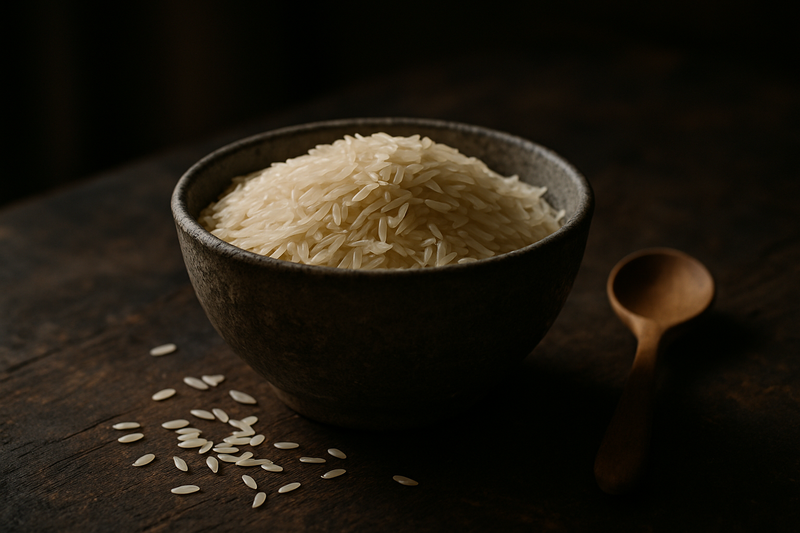
Jasmine Rice · Photograph
Jasmine rice (Oryza sativa var. indica, fragrant long-grain type) is one of the most widely eaten rices in the world. Originally from Thailand, it has a faintly floral aroma and a soft, slightly sticky texture when cooked. You will find it at the center of plates across Southeast Asia, and increasingly in plant-based kitchens everywhere.
Key Nutrients
% Daily Value based on 2,000 cal diet
Key active compounds and phytochemicals
- Dietary fiber (bran layer): Present in brown and colored jasmine rice; stripped away in white. Fiber feeds beneficial gut bacteria (the microbiome), slows glucose absorption, and supports bowel regularity.
- Antioxidant pigments (colored varieties): Red, purple, and black jasmine rice get their color from compounds similar to anthocyanins — the same pigment family found in blueberries and red cabbage. Early research links these pigments to reduced oxidative stress, though jasmine-specific human trials are limited.
- Folate (folic acid): A B vitamin important for DNA replication and cell division, especially critical before and during early pregnancy. White jasmine rice is sometimes enriched with added folate; brown jasmine rice retains natural folate in the bran.
- B vitamins (thiamin, B6, niacin): More abundant in whole-grain (brown/colored) jasmine rice. Thiamin and niacin are directly involved in converting carbohydrates into usable energy.
- Minerals (magnesium, manganese, phosphorus, selenium): Concentrated in the bran and germ, so much higher in brown and colored varieties than in white jasmine rice.
Prep and pairing ideas
Jasmine rice is one of the easiest grains to cook: a standard ratio of 1 cup rice to 1.5–1.75 cups water, brought to a boil then simmered covered for 15–18 minutes (white) or 40–45 minutes (brown), resting covered for 10 minutes off heat.
Three practical pairings:
- Brown jasmine rice + black beans + roasted sweet potato The beans provide complementary amino acids (the building blocks of protein) and extra fiber; the sweet potato adds beta-carotene and natural sweetness. This trio covers protein, complex carbs, and micronutrients in one bowl.
- White jasmine rice + miso-glazed tofu + steamed bok choy Post-workout or post-run, white jasmine rice provides fast-digesting carbohydrates for muscle glycogen (stored energy) replenishment. Tofu adds protein; bok choy adds calcium and vitamin K.
- Colored (black or red) jasmine rice + lentil dal + fresh herbs The pigmented bran of colored jasmine adds antioxidant compounds to a dish already rich in plant protein, iron, and folate from the lentils. Fresh cilantro or parsley add vitamin C, which enhances non-heme iron absorption from the lentils.
Buying guide:
How Jasmine Rice Compares
| Compared with | What's different |
|---|---|
| Jasmine Rice vs. Basmati Rice | Basmati grains remain separate and firm, while Jasmine is shorter and slightly sticky. |
| Jasmine Rice vs. Brown Jasmine Rice | Brown jasmine retains the bran and germ, providing significantly more fiber, magnesium, and manganese. |
| Jasmine Rice vs. Long-Grain White Rice | White rice is processed to remove the bran and germ, resulting in a fluffier, less sticky texture. |
Health Benefits
Things to Know
Blood sugar: White jasmine rice has a high glycemic index. People with type 2 diabetes, prediabetes, or insulin resistance should prefer brown or colored jasmine rice, watch portions, and always pair rice with protein, fat, and fiber-rich vegetables.
Arsenic: All rice accumulates inorganic arsenic from soil. Rinse jasmine rice thoroughly before cooking. If you eat rice daily — especially if you are feeding young children or are pregnant — vary your grains to include millet, quinoa, oats, or other options.
Medication interactions: People using insulin or sulfonylureas (a class of diabetes medication) should be aware that high-GI foods like white jasmine rice can cause rapid blood sugar rises that may need medication timing adjustments. Speak with your prescriber or dietitian.
High-fiber forms and medications: Brown jasmine rice's fiber may slightly slow absorption of some oral medications. A common precaution is to space high-fiber meals and medication by 1–2 hours. Jasmine-specific drug interaction data are not available; this is a general fiber precaution.
Kidney disease: Brown jasmine rice is higher in phosphorus and potassium than white. People managing chronic kidney disease (CKD) may need to moderate intake based on their renal dietitian's guidance.
Celiac disease / gluten sensitivity: Jasmine rice is naturally gluten free, but always check labels for cross-contact warnings if you have celiac disease.
Pregnancy: Jasmine rice contributes folate and is a safe food during pregnancy. Arsenic awareness and grain variety are especially relevant during pregnancy.

Prep Ideas
- — Brown jasmine rice + black beans + roasted sweet potato The beans provide complementary amino acids (the building blocks of protein) and extra fiber; the sweet potato adds beta-carotene and natural sweetness. This trio covers protein, complex carbs, and micronutrients in one bowl.
- — White jasmine rice + miso-glazed tofu + steamed bok choy Post-workout or post-run, white jasmine rice provides fast-digesting carbohydrates for muscle glycogen (stored energy) replenishment. Tofu adds protein; bok choy adds calcium and vitamin K.
- — Colored (black or red) jasmine rice + lentil dal + fresh herbs The pigmented bran of colored jasmine adds antioxidant compounds to a dish already rich in plant protein, iron, and folate from the lentils. Fresh cilantro or parsley add vitamin C, which enhances non-heme iron absorption from the lentils.
Shop This Ingredient
Stock your pantry with quality jasmine rice.
Buy on AmazonAs an Amazon Associate, Plantopedia earns from qualifying purchases. This costs you nothing extra and helps us keep the encyclopedia free.
Frequently Asked Questions
Heart and circulation Brown jasmine rice is nutritionally comparable to other whole-grain rices, and a broad body of research on whole grains links regular consumption to better cardiometabolic markers — lower blood pressure, improved blood lipids (fats in the blood), and reduced cardiovascular risk. No large trials have tested jasmine rice specifically, but its fiber, magnesium, and low-sodium profile fit squarely within heart-healthy dietary patterns recommended by major health organizations. White jasmine rice, as a refined grain, does not carry the same association. Evidence level: Moderate (indirect, based on whole-grain rice research broadly). Digestive health and microbiome Brown jasmine rice contains roughly 2–3× the fiber of white jasmine rice per serving. Dietary fiber — especially the type found in whole-grain bran — feeds beneficial bacteria in your large intestine (your gut microbiome), helps normalize bowel movements, and may reduce the risk of digestive discomfort. The human evidence here is based on fiber and whole-grain research generally, not jasmine-specific trials, but brown jasmine rice's fiber profile is comparable to other brown rices. Evidence level: Moderate (general fiber/whole-grain evidence applies). Blood sugar and metabolism White jasmine rice sits relatively high on the glycemic index (GI) — a scale that measures how quickly a food raises blood sugar. It can cause a noticeable blood sugar spike, which matters for people managing type 2 diabetes or insulin resistance. Brown jasmine rice has a lower GI due to its fiber content, which slows the digestion of starch. Even so, rice in general is a starchy food, and pairing any form of jasmine rice with protein (e.g., edamame, tofu, lentils), healthy fats, and plenty of vegetables is the most effective way to manage the blood sugar response at a meal level. Evidence level: Moderate. GI differences between white and brown rice are well documented; jasmine-specific GI studies are limited but consistent with the broader pattern. Inflammation and recovery Colored jasmine rice varieties — red, purple, and black — are highlighted in nutrition literature for their phytonutrient content. The pigments in these rices (similar in type to anthocyanins) show antioxidant and potential anti-inflammatory effects in laboratory and some human studies of pigmented rice broadly. Evidence specific to colored jasmine rice is still emerging. If reducing oxidative stress (cell damage from unstable molecules called free radicals) is a goal, colored jasmine varieties are a more interesting choice than white or plain brown. Evidence level: Emerging. Most data are from pigmented rice as a category, not jasmine-specific human trials. Folate and pregnancy support Jasmine rice contributes folate to the diet, and enriched white jasmine rice may have added folic acid. Strong public health data show that adequate folate intake before and during early pregnancy significantly reduces the risk of neural tube defects (birth defects affecting the brain and spine). Jasmine rice alone should not be relied upon as the primary folate source — a prenatal supplement and a varied diet rich in leafy greens and legumes remain essential — but it can contribute meaningfully to daily totals. Evidence level: Moderate (folate–neural tube defect evidence is strong; jasmine-specific contribution is inferred from its nutrient content).
This is one of the most common points of confusion about jasmine rice, and the answer depends entirely on which form you buy: | Form | Whole grain? | Fiber | Best use | |---|---|---|---| | White jasmine rice | ❌ Refined | Low (0.7 g/100 g cooked) | Quick energy, easy digestion | | Brown jasmine rice | ✅ Whole grain | Moderate (2 g/100 g cooked) | Everyday WFPB base | | Colored jasmine rice (red, purple, black) | ✅ Whole grain | Moderate + antioxidants | Anti-inflammatory focus | | Parboiled jasmine rice | Partially whole | Middle range | Lower GI than white | | Instant/quick-cook jasmine rice | Depends on base | Varies | Convenience, check label | The bottom line on form: For whole-food, plant-based goals, brown or colored jasmine rice is the clear choice. White jasmine rice can still play a role — especially for athletes who need fast-digesting carbohydrates, or for people whose digestive systems do better with lower-fiber options — but it counts as a refined grain, not a whole food.
The active plant-based eater Needs a reliable, neutral starch base that pairs with anything Wants a naturally gluten-free grain option Brown or colored jasmine rice provides steady energy alongside legumes and vegetables Easy to batch-cook and store for the week The person managing blood sugar on a budget White jasmine rice is affordable and widely available, but portion size matters Brown jasmine rice or parboiled jasmine rice are better default choices Pairing any form with fiber, protein, and fat blunts the glycemic response Starting with smaller portions (½ cup cooked) is a practical first step
There is no universal prescription, but here are practical reference points: General healthy adult: ½ to 1 cup cooked jasmine rice per meal is a typical serving. Spread across a day, 1–3 servings of grains (about ½ cup cooked each) is a common range within balanced dietary patterns. Whole-grain target: U.S. dietary guidelines suggest making at least half your grains whole grains. If rice is your main grain, opting for brown or colored jasmine rice helps meet that target. Blood sugar management: Start with ½ cup cooked (about 90 g) and assess your individual response. Always pair with protein, fat, and fiber-rich vegetables to slow absorption. Athletes or high-energy needs: Larger portions of white jasmine rice around training can serve as a convenient, low-fat carbohydrate source. Adjust total grain intake to match energy expenditure. Children: Smaller portions appropriate to age and size; vary grains and rinse rice well before cooking to minimize arsenic exposure. Start low principle: If you are new to brown jasmine rice and are used to white, the higher fiber content may cause temporary digestive adjustment (gas or bloating). Gradually increase portion size and drink adequate water.
Quick Answers
Common questions, answered in a line.
White jasmine rice is a high-glycemic index food that can cause rapid blood sugar rises, so those with insulin resistance should choose brown or colored varieties. To manage glucose levels, it is recommended to watch portion sizes and always pair the rice with protein, fat, and fiber-rich vegetables.
Brown and colored jasmine rices are rich in dietary fiber, which feeds beneficial gut bacteria and supports bowel regularity. This fiber, found in the bran layer, also slows down glucose absorption during digestion.
Colored jasmine rice varieties, such as red, purple, and black, contain antioxidant pigments similar to the anthocyanins found in blueberries. These compounds are linked to reduced oxidative stress, providing additional health benefits compared to white varieties.
You should rinse jasmine rice thoroughly before cooking to reduce levels of inorganic arsenic, which all rice accumulates from the soil. For those who eat rice daily, it is also recommended to vary grain intake with other options like millet, quinoa, or oats.
Jasmine rice is high in folate (Vitamin B9), which is a critical B vitamin for DNA replication and cell division during early pregnancy. While it is a safe food, pregnant individuals should be aware of arsenic levels and ensure they are eating a variety of different grains.
White jasmine rice is an excellent source of fast-digesting carbohydrates, which help replenish muscle glycogen (stored energy) after physical activity. Pairing it with protein sources like miso-glazed tofu and vegetables like bok choy creates a balanced recovery meal.
People with chronic kidney disease (CKD) may need to moderate their intake of brown jasmine rice because it is higher in phosphorus and potassium than white rice. It is best to consult a renal dietitian to determine the appropriate amount for your specific needs.
For Readers in the USA
Local context — sourcing, seasonality, and regional notes.
You can find jasmine rice at major US retailers like Walmart, Kroger, and Costco, as well as specialty chains like Trader Joe’s and Whole Foods. While high-end grocery stores often stock organic and colored varieties, local Asian markets in cities like Houston, Los Angeles, or Seattle typically offer the widest selection of Thai imports.
While most jasmine rice in the US is imported from Thailand, domestic jasmine-style rice is grown in the Mississippi Delta and the Gulf Coast regions, primarily Arkansas, Louisiana, and Texas. Look for "long-grain aromatic rice" on labels if you prefer to purchase rice grown within the United States.
Under FDA guidelines, most white jasmine rice sold in the US is enriched with folic acid, iron, and niacin to replace nutrients lost during the milling process. Check the "Nutrition Facts" panel for these additions, as whole-grain brown or colored jasmine rice usually does not require enrichment because the nutrient-rich bran is left intact.
In American kitchens, jasmine rice is favored over standard long-grain white rice for its floral scent and slightly sticky texture, making it the preferred base for Southeast Asian curries and stir-fries. It has become a staple in gluten-free US diets and is frequently used in "grain bowls" or as a fragrant side for grilled proteins.
AI Clinical Review
- Clearly distinguishes white (refined) from brown/colored (whole‑grain) jasmine rice and links the bran/germ to higher fiber and micronutrients—this aligns with grain science.
- Accurately notes glycemic differences: white jasmine rice tends to have a higher glycemic index (how fast a food raises blood sugar), while brown/colored forms are lower due to fiber; pairing rice with protein, fat, and vegetables helps moderate glucose at the meal level.
- Appropriately ties whole‑grain intake to better cardiometabolic markers, while avoiding over‑claiming benefits for white refined rice.
- Offers practical use cases (e.g., athletes choosing white rice for rapid carbohydrate replenishment) and realistic serving ranges for everyday meals.
- Jasmine‑specific human trials are limited; most benefits are inferred from research on whole grains or pigmented rice broadly, so effect sizes for “jasmine” in particular are uncertain.
- Glycemic impact varies by cultivar, processing (e.g., parboiling), cooking method, and individual physiology; standardized GI tables are guides, not absolutes.
- The antioxidant narrative for red/purple/black jasmine rice is plausible but based largely on lab and small human studies; clinical outcomes data are sparse.
- Folate contribution depends on enrichment (white) or natural content (brown/colored) and brand labeling; relying on rice alone to meet pregnancy needs is not sufficient.
- Arsenic: All rice can accumulate inorganic arsenic. Rinse well, consider the excess‑water “boil and drain” method when practical, and rotate grains—especially for young children and during pregnancy.
- Blood sugar and medications: Large portions of white jasmine rice can spike glucose. People using insulin or sulfonylureas should monitor closely and discuss timing/doses with their clinician; starting around ½ cup cooked per meal is a reasonable test portion.
- Kidney disease: Brown/colored jasmine rice is higher in phosphorus and potassium than white; individuals with CKD should follow a renal dietitian’s guidance on type and portion.
- Food safety: Cooked rice can harbor Bacillus cereus if left at room temperature. Refrigerate within 1–2 hours and reheat thoroughly before eating.
For grain products, clarify whole-grain vs refined where relevant.
References
- PubMed — Glycaemic and insulin responses, glycaemic index and insulinaemic index values of rice between three Asian ethnic groups (pubmed.ncbi.nlm.nih.gov)
- PMC, National Library of Medicine — Public health responses to arsenic in rice and other foods (pmc.ncbi.nlm.nih.gov)
- PMC, National Library of Medicine — Rice Intake and Emerging Concerns on Arsenic in Rice: a Review of the Human Evidence and Methodologic Challenges (pmc.ncbi.nlm.nih.gov)
- PMC, National Library of Medicine — Arsenic and Rice: Translating Research to Address Health Care Providers' Needs (pmc.ncbi.nlm.nih.gov)
- PubMed — Rice Consumption and Subclinical Lung Disease in US Adults: Observational Evidence From the Multi-Ethnic Study of Atherosclerosis (pubmed.ncbi.nlm.nih.gov)
- Nature — Client Challenge (nature.com)
Know Your Numbers
Eating healthy is a start. Now get to know your biomarkers.
Food changes bloodwork — inflammation, lipids, blood sugar and nutrient status all respond to what you eat. 59 markers from $59.
- Results in 7–10 days at 2,000+ Quest sites
- Licensed provider reviews every result
- One flat price, no membership, HSA/FSA eligible
Educational information only, not medical advice. Panels are ordered and reviewed through our licensed partner; Plantopedia may earn a commission.