Basmati Rice — health benefits and uses
Plant-based energy base; pair with legumes/vegetables for a complete meal
The Short Answer
Basmati rice is a long-grain, aromatic rice prized for its nutty flavor and fluffy texture that does not stick together. While white basmati is refined, brown basmati provides more fiber and antioxidants, and both varieties offer a complete protein profile

Basmati Rice · Photograph
Basmati rice (Oryza sativa var. indica) is a long-grain, aromatic rice that has been grown in the foothills of the Himalayas for centuries. Today it is one of the most widely eaten grains on the planet, prized for its slender grains, nutty fragrance, and fluffy cooked texture. It comes in two main forms — white (refined) and brown (whole grain) — and that distinction matters more than almost anything else about it.
Key Nutrients
% Daily Value based on 2,000 cal diet
Key active compounds in basmati rice
- 2-Acetyl-1-pyrroline (2-AP): The aromatic compound responsible for basmati's signature popcorn-like, nutty scent. Primarily a sensory compound rather than a metabolic one, but palatability matters — food you enjoy eating is food you actually eat.
- Phenolic compounds (brown basmati): A broad family of antioxidant plant chemicals concentrated in the bran layer. Associated with reduced oxidative stress (cell damage from unstable molecules called free radicals) and lower chronic disease risk in observational research. Largely absent in white basmati because the bran is removed during milling.
- Gamma-oryzanol and tocopherols (brown basmati): Lipid-soluble antioxidants found in rice bran oil. May modestly support healthy blood lipid levels and antioxidant defenses. Retained in brown basmati; largely removed in white.
- Resistant starch (higher when cooked and cooled): A type of starch that resists digestion in the small intestine and acts more like dietary fiber, feeding beneficial gut bacteria. Increases in both white and brown basmati when cooked rice is cooled before eating.
Prep and pairing ideas
Basmati rice is one of the most versatile grains in a plant-based kitchen. Here are three practical pairings that work particularly well:
1. Brown basmati + red lentil dal Lentils add protein and soluble fiber, significantly lowering the meal's overall glycemic impact. The combination creates a complementary amino acid profile (lentils supply lysine, rice supplies methionine), making it a nutritionally complete protein pairing without any animal products. A classic for good reason.
2. White basmati + roasted cauliflower and chickpeas The chickpeas add fiber, plant protein, and resistant starch. Roasted cauliflower brings glucosinolates (anti-inflammatory plant compounds) and volume. This combination turns white basmati into a nutritionally dense, satisfying plate without requiring the longer cook time of brown rice — useful on busy weeknights.
3. Brown basmati + avocado, edamame, and sesame A grain bowl approach that adds healthy monounsaturated fat from avocado (which further slows glucose absorption), complete plant protein from edamame (soybeans), and zinc and iron from the sesame. Works warm or cold — and cold rice contains more resistant starch, making it even more gut-friendly.
Basic prep tips:
- Rinse rice under cold water until water runs clear — removes surface starch (reduces stickiness) and some arsenic.
- Brown basmati takes about 35–40 minutes to cook vs 15–18 minutes for white; the pilaf method (toast briefly in a dry pan before adding water) deepens the nutty flavour.
- Cook once, use twice: batch-cook and refrigerate for up to 4 days, or freeze in portions for up to 3 months.
How Basmati Rice Compares
| Compared with | What's different |
|---|---|
| Basmati Rice vs. Jasmine Rice | Stickier, shorter grains with a floral aroma rather than basmati's nutty, popcorn-like scent. |
| Basmati Rice vs. Long-Grain White Rice | Slightly lower glycemic index and longer, more slender grains that remain distinct when cooked. |
| Basmati Rice vs. Brown Basmati Rice | Higher fiber and antioxidant content because the bran and germ layers remain intact. |
Health Benefits
Things to Know
Diabetes and blood sugar management: Basmati is still a concentrated carbohydrate source despite its moderate GI. Work with a dietitian or doctor to fit portions into your total carbohydrate plan, and monitor glucose response individually — GI values can vary based on cooking method, cooling time, and what you eat alongside the rice.
Arsenic awareness: All rice contains some arsenic. Basmati (especially Himalayan and California-grown varieties) is among the lower-arsenic options, but rinsing before cooking, soaking for 30 minutes, and using a higher water ratio (draining excess) can reduce levels further. Note this also removes some B vitamins from enriched white rice.
Celiac disease and gluten sensitivity: Basmati is naturally gluten-free, but cross-contact during milling or packaging is possible. Choose a certified gluten-free product if you have celiac disease. People relying heavily on rice as a staple should also vary their grain sources to manage cumulative arsenic exposure.
Pregnancy, infants, and young children: These groups may be more sensitive to arsenic. Vary grain choices (oats, millet, quinoa, barley if tolerated) and avoid over-reliance on any single rice product. Limit or avoid rice-based infant cereals as a sole grain.
Chronic kidney disease (CKD): Phosphorus and potassium content may be relevant for people with advanced CKD who are managing mineral intake. Consult a renal dietitian for personalised guidance.
Gastrointestinal conditions: People with IBS, IBD, or post-surgical needs should work with a clinician to decide between white and brown basmati based on current fiber tolerance.
Medications: No well-documented drug-specific interactions exist for plain basmati rice. The primary consideration is its carbohydrate content for anyone on insulin or oral blood-glucose-lowering medications. Flavoured or packaged rice mixes may contain added sodium relevant to blood pressure management.
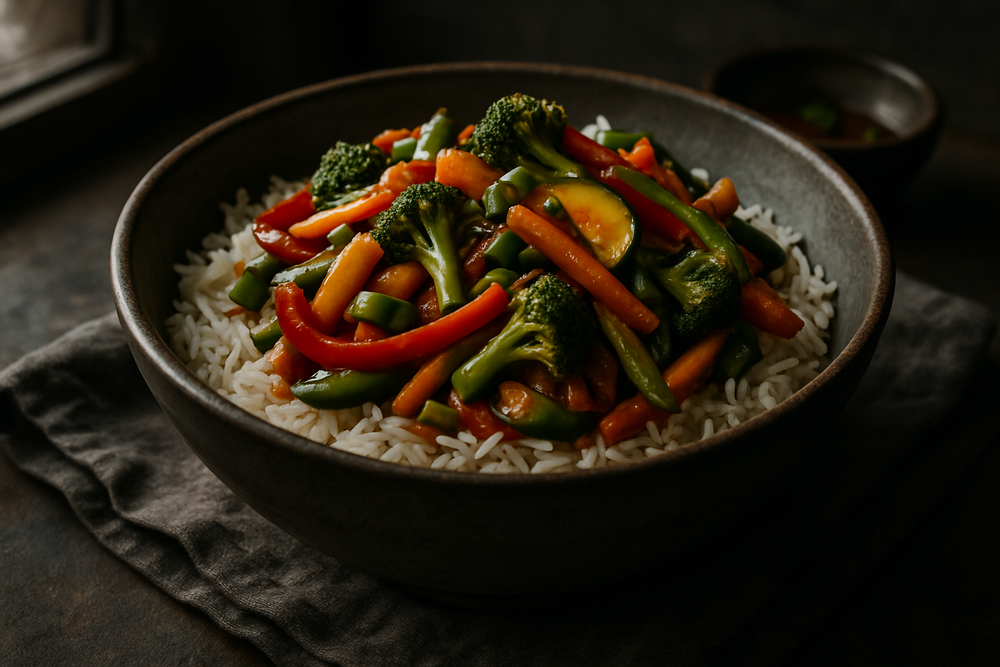
Prep Ideas
- — Rinse rice under cold water until water runs clear — removes surface starch (reduces stickiness) and some arsenic.
- — Brown basmati takes about 35–40 minutes to cook vs 15–18 minutes for white; the pilaf method (toast briefly in a dry pan before adding water) deepens the nutty flavour.
- — Cook once, use twice: batch-cook and refrigerate for up to 4 days, or freeze in portions for up to 3 months.
Shop This Ingredient
Stock your pantry with quality basmati rice.
Buy on AmazonAs an Amazon Associate, Plantopedia earns from qualifying purchases. This costs you nothing extra and helps us keep the encyclopedia free.
Frequently Asked Questions
Heart and circulation Brown basmati is a whole grain, and the evidence for whole grains and heart health is among the most consistent in nutrition science. Large cohort studies (long-term studies that track thousands of people over years) consistently link higher whole-grain intake with lower risk of heart disease, with reductions in risk typically in the 20–30% range compared with low whole-grain intake. The likely drivers are fiber, magnesium, and phytochemicals — all better represented in brown basmati than in the white form. White basmati contributes fewer of these compounds, but it still offers practical advantages over many other refined white rices: it tends to be lower in arsenic, and long-term arsenic exposure is independently associated with cardiovascular risk. In a heart-healthy diet rich in legumes, vegetables, fruits, nuts, and seeds, white basmati can fit in moderate portions without undermining overall diet quality. Important caveat: Most evidence comes from research on whole grains generally, not basmati specifically. The cardiovascular benefits are almost certainly driven by the intact bran and germ — which means brown basmati, not white. Digestive health and microbiome Brown basmati provides more dietary fiber than white, which supports regular bowel movements, feeds beneficial gut bacteria (your gut microbiome), and promotes satiety (the feeling of fullness). People transitioning from low-fiber diets should increase brown basmati intake gradually and stay well hydrated to avoid gas or bloating. White basmati is low in fiber but very easy on the digestive system, making it a practical short-term option during digestive flares, low-residue dietary phases, or recovery from illness — similar to how white rice is used in many traditional medicine traditions. Cooked and cooled basmati of either type contains more resistant starch, which acts as a prebiotic (food for beneficial bacteria). Blood sugar and metabolism This is where basmati rice stands out from other white rices. White basmati has a GI of approximately 50–58, which is meaningfully lower than most other white rice varieties (which typically range from 64–80+). Brown basmati has an even lower glycemic response due to its fiber slowing starch digestion. That said, GI is only part of the picture. Glycemic load — which accounts for both the GI and the amount of carbohydrate in a serving — matters more in practice. A large bowl of white basmati still delivers a substantial carbohydrate load. Pairing rice with legumes, non-starchy vegetables, and a healthy fat significantly dampens blood glucose response. For people managing type 2 diabetes or insulin resistance (a condition where cells become less sensitive to insulin's blood sugar-lowering effect), choosing brown basmati, keeping portions to roughly half a cup cooked, and combining it with protein and fiber is a more reliable strategy than relying on GI alone. Observational research also consistently links higher refined grain intake with increased type 2 diabetes risk, while substituting whole grains is associated with lower risk — another reason to favour brown basmati where possible. Inflammation and recovery Whole grains, including brown rice, have been associated with lower circulating levels of CRP (C-reactive protein — a blood marker of inflammation) in observational and some intervention studies. The proposed mechanisms involve fiber fermentation in the gut producing short-chain fatty acids that dampen inflammation, along with the direct antioxidant effects of bran phytochemicals. Direct clinical trials on basmati-specific anti-inflammatory effects are limited, and evidence here should be considered emerging rather than established. White basmati contributes far fewer anti-inflammatory phytochemicals. Pairing either form with vegetables, legumes, turmeric, and other anti-inflammatory foods amplifies overall dietary benefit beyond what the rice provides alone.
Choosing the right form depends on your goals and circumstances: | Form | Fiber | GI | Best for | |---|---|---|---| | Brown basmati | Higher (2–3 g/cup) | Lower | Everyday use, whole-food plant-based, blood sugar management | | White basmati | Lower (0.7 g/cup) | Moderate (50–58) | Digestive sensitivity, quick cooking, variety | | Parboiled basmati | Moderate | Slightly lower than white | Firmer texture preference, modest GI benefit | | Microwaveable packs | Varies | Matches base rice | Convenience; check for added sodium or oils | | Basmati + legume blends | Higher | Lower | Protein and fiber boost in one step | Bottom line on form: Brown basmati is the better nutritional choice for most people most of the time. White basmati is not "bad" — it has a legitimate place, especially when balanced with higher-fiber foods — but it should not substitute for whole grains across the board.
There is no single "therapeutic dose" of basmati rice the way there might be for a supplement. Rice is food, and how much fits into your day depends on your total energy needs, carbohydrate goals, and what else you are eating. General practical guidance: A reasonable portion: About ½ cup cooked
Quick Answers
Common questions, answered in a line.
Basmati rice is naturally gluten-free, making it a safe grain choice for those with celiac disease or gluten sensitivity. However, individuals with celiac disease should select products certified gluten-free to avoid potential cross-contact during the milling or packaging process.
You can reduce arsenic in basmati rice by rinsing it until the water runs clear, soaking it for 30 minutes, and cooking it in a high water-to-rice ratio. These preparation methods help lower arsenic levels, though they may also remove some B vitamins from enriched white varieties.
The distinctive popcorn-like or nutty aroma of basmati rice is caused by a specific aromatic compound called 2-Acetyl-1-pyrroline (2-AP). While this compound is primarily responsible for the grain's sensory appeal, it helps make the rice a more palatable and enjoyable food source.
Cooking basmati rice and then cooling it before consumption increases its levels of resistant starch, which acts like dietary fiber. This type of starch resists digestion in the small intestine and moves to the large intestine to feed beneficial gut bacteria.
Brown basmati rice contains phenolic compounds, gamma-oryzanol, and tocopherols, which are antioxidant plant chemicals found in the bran layer. These compounds help reduce oxidative stress and support healthy blood lipid levels, though they are largely removed in white basmati.
To create a nutritionally complete plant-based protein, you can pair brown basmati rice with red lentils or dal. This combination works because the rice provides methionine while the lentils supply lysine, creating a full amino acid profile without the need for animal products.
For Readers in the USA
Local context — sourcing, seasonality, and regional notes.
True Basmati rice is primarily imported from India and Pakistan, but U.S. farmers in states like Arkansas and California grow high-quality aromatic hybrids like Texmati and Calmati. While these domestic varieties share the signature popcorn aroma, they may have slightly different grain lengths and textures compared to traditional Himalayan imports.
In the U.S., you can find Basmati rice at most major grocery chains like Kroger, Walmart, and Whole Foods, as well as in bulk at warehouse clubs like Costco. For the widest selection of aged or traditional Himalayan varieties, specialty South Asian grocery stores are the best local resource.
The USDA Organic seal ensures Basmati rice was grown without synthetic pesticides or fertilizers, while the "Non-GMO Project Verified" label is also common despite there being no commercial GMO Basmati on the market. Consumers should also look for the "Product of India" or "Product of Pakistan" labels to ensure authentic origin.
AI Clinical Review
- Clearly distinguishes white vs. brown basmati and ties most health benefits (fiber, minerals, phytochemicals) to the whole‑grain brown form.
- Accurately notes that white basmati often has a lower glycemic index (how fast a food raises blood sugar) than many other white rices, and that pairing with protein, fiber, and healthy fats further blunts glucose spikes.
- Explains resistant starch formation when cooked rice is cooled and its potential microbiome benefits in an accessible, practical way.
- Addresses arsenic pragmatically: basmati tends to be lower than many rices, and rinsing/soaking with excess‑water cooking can reduce it.
- Offers realistic use‑cases: white basmati for easier digestion; brown for everyday whole‑grain eating.
- Most outcomes cited (heart, diabetes risk) come from research on whole grains or brown rice broadly and are largely observational; basmati‑specific randomized trials are limited.
- Glycemic index varies by cultivar, processing (e.g., parboiling), cooking method, and meal composition; individual glucose responses can differ meaningfully.
- Links between whole‑grain intake and lower inflammation (e.g., CRP) are suggestive but not definitive for basmati specifically, and clinical impact may be modest.
- Arsenic levels differ by growing region, brand, and season; home‑cooking reductions are variable and can remove some water‑soluble B vitamins from enriched white rice.
- Portion guidance: for many adults managing carbohydrates, about 1/2 cup cooked per meal is a practical starting point; adjust to appetite, activity, and overall carb goals.
- Diabetes or those on insulin/secretagogues: monitor post‑meal glucose; brown basmati or smaller portions of white basmati paired with legumes/vegetables often work better—check in with a diabetes educator if unsure.
- Pregnancy/infants and people with chronic kidney disease: rotate grains to limit arsenic exposure; those with advanced CKD may need individualized advice on potassium and phosphorus.
- Celiac disease or strict gluten avoidance: rice is naturally gluten‑free but cross‑contact can occur—look for certified gluten‑free products and vary grains over time.
For grain products, clarify whole-grain vs refined where relevant.
References
- PMC, National Library of Medicine — Analysing the Impact of Resistant Starch Formation in Basmati Rice Products: Exploring Associations with Blood Glucose and Lipid Profiles across Various Cooking and Storage Conditions In Viv (pmc.ncbi.nlm.nih.gov)
- PMC, National Library of Medicine — Carcinogenic and non-carcinogenic health hazards of potentially toxic elements in commonly consumed rice cultivars in Dhaka city, Bangladesh (pmc.ncbi.nlm.nih.gov)
- PubMed — Effect of polishing on glycemic index and antioxidant properties of red and white basmati rice (pubmed.ncbi.nlm.nih.gov)
- PubMed — Glycaemic and insulin responses, glycaemic index and insulinaemic index values of rice between three Asian ethnic groups (pubmed.ncbi.nlm.nih.gov)
- PMC, National Library of Medicine — Effect of storage on the nutritional and antioxidant properties of brown Basmati rice (pmc.ncbi.nlm.nih.gov)
- PubMed — Glycaemic index of some commercially available rice and rice products in Great Britain (pubmed.ncbi.nlm.nih.gov)
- USDA FoodData Central — USDA FoodData Central (fdc.nal.usda.gov)
Know Your Numbers
Eating healthy is a start. Now get to know your biomarkers.
Food changes bloodwork — inflammation, lipids, blood sugar and nutrient status all respond to what you eat. 59 markers from $59.
- Results in 7–10 days at 2,000+ Quest sites
- Licensed provider reviews every result
- One flat price, no membership, HSA/FSA eligible
Educational information only, not medical advice. Panels are ordered and reviewed through our licensed partner; Plantopedia may earn a commission.