Cassava — health benefits and uses
Plant-based energy base; pair with legumes/vegetables for a complete meal
The Short Answer
Cassava is a nutrient-dense, gluten-free root vegetable providing 330 calories and 42mg of Vitamin C per cup. It must be peeled and thoroughly boiled or baked to remove naturally occurring cyanogenic glycosides before eating.
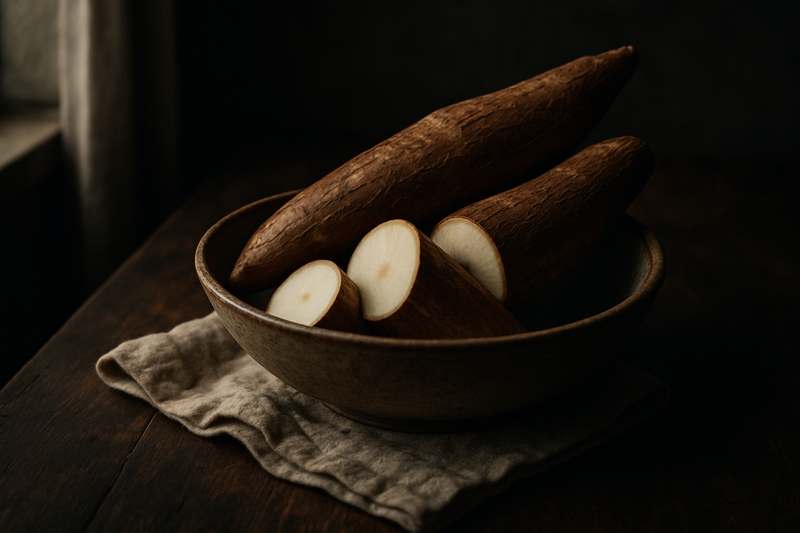
Cassava · Photograph
Cassava (Manihot esculenta) — also widely known as yuca — is a thick, starchy root that feeds hundreds of millions of people across tropical Africa, Latin America, and Asia every day. It is one of the world's most important calorie crops, prized for its hardiness, affordability, and versatility in the kitchen. On a plant-based plate, it can work as a filling, gluten-free energy base — the equivalent of a potato or a bowl of rice in many traditional cuisines.
Key Nutrients
% Daily Value based on 2,000 cal diet
Key Active Compounds in Cassava
Understanding what is actually inside cassava helps explain both its benefits and its risks.
- Resistant starch — A fraction of starch that bypasses digestion in the small intestine and is fermented by bacteria in the large intestine, acting similarly to soluble fiber. It feeds beneficial gut microbes, stimulates short-chain fatty acid production, and may modestly support blood glucose regulation and cholesterol balance.
- Cyanogenic glycosides (primarily linamarin) — Naturally occurring plant compounds concentrated in the peel and outer layers. When cassava tissue is damaged or improperly prepared, these compounds can release hydrogen cyanide. Proper peeling, soaking, and boiling reduces them to safe levels.
- Flavonoids and polyphenols — Plant antioxidant compounds found in many roots and vegetables, including cassava. They may help reduce oxidative stress, though most research on cassava's specific polyphenol effects comes from laboratory studies rather than human trials.
- Other bioactive compounds — Preclinical (cell and animal) studies on cassava extracts report potential antibacterial, anti-inflammatory, and metabolic effects, but these have not been confirmed in human clinical trials at typical dietary intake levels.
What Form of Cassava Is Best? Whole Root vs. Flour vs. Tapioca
The form you choose changes the nutritional outcome significantly.
| Form | Fiber | Protein | Micronutrients | Notes | |---|---|---|---|---| | Boiled root | Moderate | Low | Best | Most whole-food; most resistant starch | | Baked/roasted root | Moderate | Low | Good | Soak and parboil first for safety | | Cassava flour | Lower | Low | Reduced | Versatile GF flour; must always be cooked | | Tapioca starch | Very low | Near zero | Minimal | Refined starch; more like cornstarch | | Cassava leaves | Higher | Higher | Rich | Require thorough cooking; not widely available in all markets |
Bottom line on form: For a whole-food, plant-based plate, boiled or baked cassava root is the most nutritionally complete option. Cassava flour is a useful gluten-free cooking tool. Tapioca starch is essentially a refined ingredient — fine occasionally for texture, but not a meaningful nutrition source.
Common Pairings That Make Cassava Work Harder for You
Cassava's main nutritional gap is protein, which is easily closed with smart pairings. Here are three practical combinations that elevate the whole meal:
1. Cassava + black beans + avocado A classic Latin American pairing. The beans fill in the protein and additional fiber that cassava lacks; avocado adds healthy fat that slows glucose absorption and boosts fat-soluble nutrient uptake. Vitamin C from the cassava actually helps your body absorb the iron in the beans (vitamin C enhances non-heme iron absorption).
2. Boiled cassava + coconut-peanut sauce + leafy greens A West African-inspired combination. Peanuts contribute protein, healthy fats, and niacin; the greens add folate, calcium, and additional antioxidants. This kind of pairing is part of how traditional cassava-eating cultures naturally offset the root's nutritional gaps.
3. Cooled cassava in a grain-free salad bowl Cooking and then cooling cassava (e.g., in a rice-bowl-style salad) increases its resistant starch content. Add chickpeas or edamame, raw vegetables, and a tahini-lemon dressing for a protein-complete, gut-friendly meal that moderates the glycemic load through cooling, fiber, and fat.
Prep and Pairing Ideas
Getting cassava right is mostly about technique. Here is a simple, safe method:
- Peel thoroughly — use a knife, not a peeler; the skin is thick. Remove all outer layers down to the white interior.
- Cut into chunks and optionally soak in cold water for 30 minutes to overnight (longer soaking = more cyanide reduction).
- Boil in fresh water for 15–30 minutes until a fork slides in easily. Drain and discard the water.
- Use as you would potato — mash with olive oil and garlic, cube into stews, slice into baked fries, or add to soups.
Flavor pairings that work well: lime juice, garlic, cilantro, coconut milk, turmeric, smoked paprika, black beans, lentils, peanut sauce, and leafy greens.
Storage: Cooked cassava keeps in the fridge for up to 4 days or can be frozen for 3 months. Unpeeled raw cassava keeps at room temperature for a few days but deteriorates quickly once cut — use it promptly or freeze peeled chunks.
How Cassava Compares
| Compared with | What's different |
|---|---|
| Cassava vs. Potato | Cassava is starchier and tougher with a waxy skin, whereas potatoes have thinner, edible skins. |
| Cassava vs. Tapioca | Cassava is the whole root with fiber and vitamin C, while tapioca is the bleached, refined starch. |
| Cassava vs. Yam | Yams are sweeter, bark-like tubers, while cassava (yuca) has white flesh and a milder flavor. |
Health Benefits
Things to Know
Never eat cassava raw.: Cyanogenic glycosides in raw cassava can release hydrogen cyanide in the body. Even small raw amounts can cause nausea, vomiting, and in larger quantities or with chronic exposure, serious neurological harm.
Always peel completely.: The thick skin and outer layers contain the highest concentration of cyanogenic compounds. Remove all of it.
Soak peeled pieces in water for several hours (traditional practice extends to 24–48 hours), then boil in fresh water and discard the cooking water.: This two-step process is more effective at reducing cyanide content than either step alone.
Cassava flour and batter must always be thoroughly cooked: before eating.
Chronic reliance on poorly processed cassava in low-protein diets: has been linked in affected regions to a neurological disorder called konzo — a sobering reminder that both proper preparation AND adequate protein intake matter for safe long-term cassava consumption.
People with diabetes or insulin resistance: — High glycemic index; portion control and protein pairing are non-negotiable.
People with chronic kidney disease or on potassium-restricted diets: — Cassava contributes moderate potassium and is often eaten in large, repeated servings as a staple.
People with low overall protein intake: — Protein helps the body detoxify cyanide from cassava; a very low-protein diet plus improperly prepared cassava is the highest-risk combination.
Children in heavily cassava-dependent households: — More vulnerable to chronic low-level cyanide exposure if preparation is suboptimal; dietary diversity is especially important.
People managing weight: — Cassava is energy-dense and easy to overconsume, especially fried or paired with high-fat sauces. Boiled or baked in measured portions is preferable.
Diabetes medications (insulin, metformin, sulfonylureas): Large cassava portions can significantly raise post-meal blood glucose, which may affect how well your medication controls blood sugar.
Antihypertensive drugs and diuretics: Cassava contributes potassium and carbohydrate calories; traditional preparations may also include added salt. All of these can influence blood pressure and fluid balance.
No direct pharmacologic drug-binding interactions have been specifically documented for cassava in major clinical references.
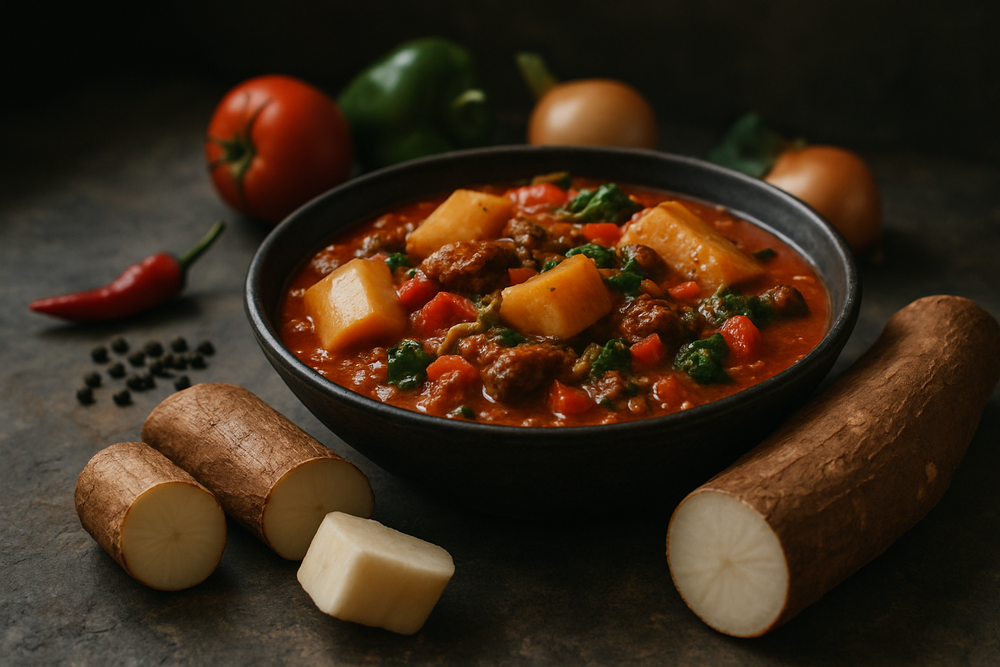
Prep Ideas
- — Peel thoroughly — use a knife, not a peeler; the skin is thick. Remove all outer layers down to the white interior.
- — Cut into chunks and optionally soak in cold water for 30 minutes to overnight (longer soaking = more cyanide reduction).
- — Boil in fresh water for 15–30 minutes until a fork slides in easily. Drain and discard the water.
- — Use as you would potato — mash with olive oil and garlic, cube into stews, slice into baked fries, or add to soups.
Shop This Ingredient
Stock your pantry with quality cassava.
Buy on AmazonAs an Amazon Associate, Plantopedia earns from qualifying purchases. This costs you nothing extra and helps us keep the encyclopedia free.
Frequently Asked Questions
Research on cassava ranges from strong observational data (it sustains billions of people) to early-stage laboratory work. Here is an honest breakdown by health area. Heart and circulation Cassava provides two nutrients with established cardiovascular relevance: potassium, which is linked in population studies to healthier blood pressure, and vitamin C, associated with improved vascular function. Its resistant starch may also nudge cholesterol in a positive direction by feeding gut bacteria that produce beneficial short-chain fatty acids — compounds that can influence how the liver handles cholesterol. The honest caveat: there are no robust human clinical trials showing that cassava itself reduces heart attack or stroke risk. Any heart-health benefit in real diets is most likely a function of the whole dietary pattern — replacing refined, processed starches with a whole-food root while also eating plenty of vegetables and legumes — rather than a unique cassava magic. Digestive health and the gut microbiome Cooked cassava contains both dietary fiber (2 g per serving) and resistant starch, which together act as prebiotics — food for beneficial gut bacteria. Fermentation of resistant starch in the colon produces short-chain fatty acids like butyrate, which support the gut lining and may reduce local inflammation. This may support bowel regularity and a more diverse gut microbiome. The honest caveat: direct human trials specifically testing cassava on gut outcomes are limited. Most evidence is extrapolated from resistant starch research as a broader food category. Whole boiled cassava retains more resistant starch and fiber than cassava flour or tapioca, so form matters here. Blood sugar and metabolism This is where cassava earns its most important caution flag. Boiled cassava has a glycemic index of around 94 — meaning it raises blood glucose quickly and significantly when eaten alone in a typical portion. For context, white bread is roughly 75 and glucose itself is 100. The counterbalance: cassava's resistant starch content, and especially the effect of cooling cooked cassava (which increases resistant starch), may moderate the glucose spike compared with eating it hot and plain. Pairing cassava with protein, fat, and non-starchy vegetables also slows glucose absorption. A systematic review has noted potential anti-diabetic activity for some cassava components, but this is based largely on animal and laboratory models, not well-controlled human trials. Practical guidance for people managing blood sugar: Keep servings to about half a cup, serve it alongside beans or lentils and a leafy green, and discuss with your clinician whether cassava fits your individual carbohydrate targets. Inflammation and recovery Cassava's vitamin C content gives it a meaningful antioxidant contribution — vitamin C helps neutralize free radicals (unstable molecules that can damage cells) and plays a supporting role in reducing oxidative stress that drives chronic inflammation. Preclinical research on cassava extracts has reported anti-inflammatory effects, but these findings come from concentrated lab preparations, not typical servings of boiled root. No human intervention trial has demonstrated that eating cassava measurably reduces inflammatory biomarkers like CRP (C-reactive protein, a blood marker of inflammation).
Cassava is a food, not a supplement, so
Quick Answers
Common questions, answered in a line.
You must never eat cassava raw because it contains cyanogenic glycosides that can release hydrogen cyanide in the body. Consumption of raw or improperly prepared cassava can lead to nausea, vomiting, or serious neurological harm.
To prepare cassava safely, you must thoroughly peel the thick skin, soak the chunks in water, and then boil them in fresh water until tender. Always discard the soaking and cooking water to effectively reduce the concentration of naturally occurring cyanogenic compounds.
Boiled or baked whole cassava root is the most nutritionally complete choice for a whole-food, plant-based diet. While cassava flour is a useful gluten-free substitute, whole root preparations retain more fiber and resistant starch compared to refined options like tapioca.
Cassava is a calorie-dense, starchy root vegetable that provides a gluten-free energy source rich in resistant starch. It acts similarly to soluble fiber by feeding beneficial gut microbes and may modestly support blood glucose regulation and cholesterol balance.
Cassava is high in carbohydrates and has a high glycemic index, meaning it can significantly raise post-meal blood sugar levels. People with diabetes should practice strict portion control and pair cassava with protein and healthy fats to moderate its impact on glucose.
Common side effects of eating improperly prepared cassava include nausea, vomiting, and potential neurological issues due to cyanide exposure. Chronic consumption of poorly processed cassava in low-protein diets has been linked to a serious neurological disorder called konzo.
Pairing cassava with protein-rich foods like black beans, peanuts, or edamame helps fill its main nutritional gap. Adding healthy fats from avocado or coconut milk can boost the absorption of fat-soluble nutrients and help slow down glucose absorption.
For Readers in the USA
Local context — sourcing, seasonality, and regional notes.
You can buy fresh cassava, often labeled as "yuca," at major U.S. supermarkets like Kroger, Publix, and Whole Foods, as well as at international markets. In many stores, the raw roots are found in the specialized produce section and are coated in a food-grade wax to preserve freshness during shipping.
While cassava is a tropical plant, it is commercially grown in the United States primarily in Florida and Puerto Rico, with some small-scale production in Texas and Hawaii. Because it requires a long, frost-free growing season, most cassava found in northern U.S. states is imported year-round from Costa Rica or Brazil.
In the U.S., you will most commonly see cassava sold as "yuca" in the produce aisle, but it is also widely available as "cassava flour" or "tapioca starch" in the baking section. It is important to distinguish it from the "yucca" mountain plant (with two 'c's), which is an ornamental desert shrub not typically used for food.
AI Clinical Review
- Clearly positions cassava as a gluten‑free, energy‑dense staple that is naturally low in protein and should be paired with legumes, nuts/seeds, or soy to round out meals.
- Highlights the critical safety issue of cyanogenic glycosides and explains effective risk‑reducing steps (deep peeling, soaking, boiling, discarding cooking water); appropriately notes the link between poor processing plus low‑protein diets and konzo.
- Describes resistant starch in plain language and notes that cooling cooked cassava can increase it, which may support gut health and temper post‑meal glucose spikes.
- Avoids overpromising on heart or anti‑inflammatory benefits and frames potential effects within overall dietary patterns rather than “cassava as a cure.”
- Human trials directly testing cassava (as typically eaten) on blood glucose, cholesterol, inflammation, or microbiome outcomes are limited; much of the discussion extrapolates from resistant starch or preclinical studies.
- Glycemic index and glycemic response vary by cultivar (sweet vs bitter), processing method, particle size, and serving temperature; a single GI value won’t apply to all preparations.
- Reported nutrient values differ across databases and with raw vs boiled forms; cassava is typically very low in fat and modest in micronutrients, but exact numbers can vary by variety and preparation.
- Portion planning: treat cassava like other starchy staples and fit servings into your carbohydrate goals; pairing with beans/legumes, non‑starchy vegetables, and a source of healthy fat/protein will blunt glucose rise and improve overall nutrient balance.
- Higher‑risk groups: people with diabetes/insulin resistance, those with chronic kidney disease or potassium limits, young children in cassava‑dependent households, and anyone with low overall protein intake should use extra caution and consider clinician guidance.
- Preparation details matter: if the variety is unknown or potentially “bitter,” longer soaking/fermentation plus thorough boiling in fresh water (and discarding the water) further lowers cyanide; cassava flour/batters and tapioca products must be fully cooked—never eat cassava raw.
- Form differences: whole boiled or baked root retains the most fiber and micronutrients; cassava flour is useful for gluten‑free cooking but less nutrient‑dense; tapioca starch is highly refined and best viewed as a texture ingredient rather than a nutrition source.
For grain products, clarify whole-grain vs refined where relevant.
References
- PMC, National Library of Medicine — Cassava (Manihot esculenta Crantz): A Systematic Review for the Pharmacological Activities, Traditional Uses, Nutritional Values, and Phytochemistry (pmc.ncbi.nlm.nih.gov)
- PMC, National Library of Medicine — Cassava: Nutrient composition and nutritive value in poultry diets (pmc.ncbi.nlm.nih.gov)
- PMC, National Library of Medicine — Nutrition, Healthcare Benefits and Phytochemical Properties of Cassava (Manihot esculenta) Leaves Sourced from Three Countries (Reunion, Guinea, and Costa Rica) (pmc.ncbi.nlm.nih.gov)
- USDA FoodData Central — USDA FoodData Central (fdc.nal.usda.gov)
Know Your Numbers
Eating healthy is a start. Now get to know your biomarkers.
Food changes bloodwork — inflammation, lipids, blood sugar and nutrient status all respond to what you eat. 59 markers from $59.
- Results in 7–10 days at 2,000+ Quest sites
- Licensed provider reviews every result
- One flat price, no membership, HSA/FSA eligible
Educational information only, not medical advice. Panels are ordered and reviewed through our licensed partner; Plantopedia may earn a commission.