Longan — health benefits and uses
A classic warming tonic in Traditional Chinese Medicine for blood and calm.
The Short Answer
Longan is a tropical fruit that provides 84 mg of vitamin C per 100g serving, which is over 90% of the daily value. It is typically eaten fresh by peeling the tan shell and removing the large black seed, or simmered dried into traditional teas.
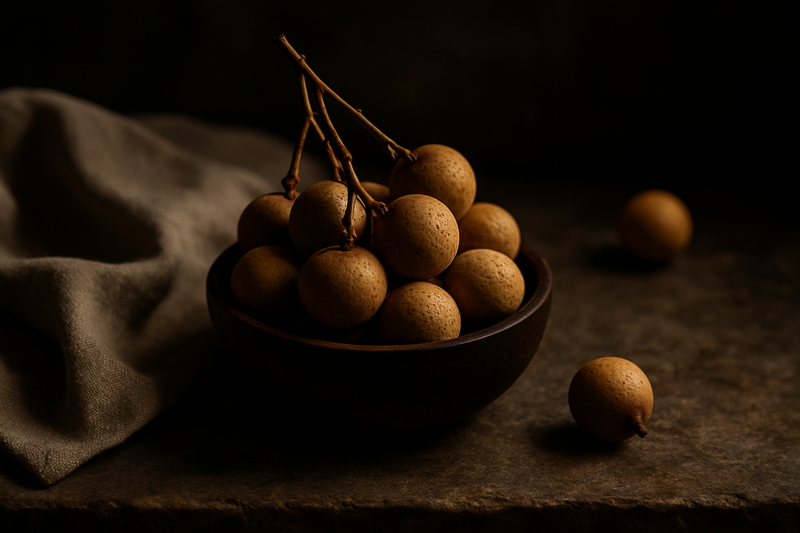
Longan · Photograph
Discover longan fruit health benefits and side effects, including its impressive vitamin C content, antioxidant profile, potassium, and what the research actually says about fresh vs dried longan for blood sugar, heart health, and energy.
Key Nutrients
% Daily Value based on 2,000 cal diet
Key active compounds
- Vitamin C (ascorbic acid): A potent water-soluble antioxidant — a molecule that neutralizes cell-damaging compounds called free radicals. Longan is one of the higher-vitamin-C tropical fruits, providing around 84 mg per 100 g of fresh flesh.
- Polyphenols: A broad family of plant-based compounds found throughout longan's pulp, peel, and seed. In lab studies, longan polyphenols show antioxidant and anti-inflammatory activity, though these effects haven't been clearly replicated in human dietary trials yet.
- Riboflavin (Vitamin B2): A B vitamin involved in energy metabolism — the set of chemical reactions your body uses to turn food into usable energy — and in supporting cellular antioxidant systems.
- Copper: A trace mineral that supports iron metabolism, connective tissue formation, and the activity of antioxidant enzymes like superoxide dismutase.
- Potassium: An electrolyte (a mineral that carries an electrical charge in body fluids) important for fluid balance, nerve signals, and blood pressure regulation.
Buying guide: fresh, dried, or canned — what to look for
Since longan can be hard to find in some markets, here's how to navigate what's available:
Fresh longan
- Look for firm, uncracked tan-to-brown shells with no mold or fermented smell.
- Fresh longan is highly perishable — refrigerate and use within 3–5 days.
- Available at most Asian grocery stores and some specialty supermarkets, especially in summer.
Dried longan
- Check the ingredient list: ideally just "longan" with no added sugar or sulfites.
- Darker, slightly sticky pieces are normal; avoid bags with excess white crystals (excess sugar residue) or off odors.
- Store in an airtight container in a cool, dark place; use within 6–12 months.
Canned longan in syrup
- Choose "light syrup" or "in water/juice" options when available to reduce added sugar.
- Drain and rinse before eating to reduce syrup further.
- Check for BPA-free labeling if that's a concern for you.
Supplements and extract products
- There is insufficient human trial data to recommend longan supplements for any specific health purpose.
- If considering an extract, look for standardized products with transparent labeling and third-party testing.
Prep and pairing ideas
Eating it fresh: Pinch or crack the shell at the top, peel it away, and pop the whole flesh piece in your mouth — but spit out or set aside the seed. Fresh longan needs no preparation beyond peeling and deseeding.
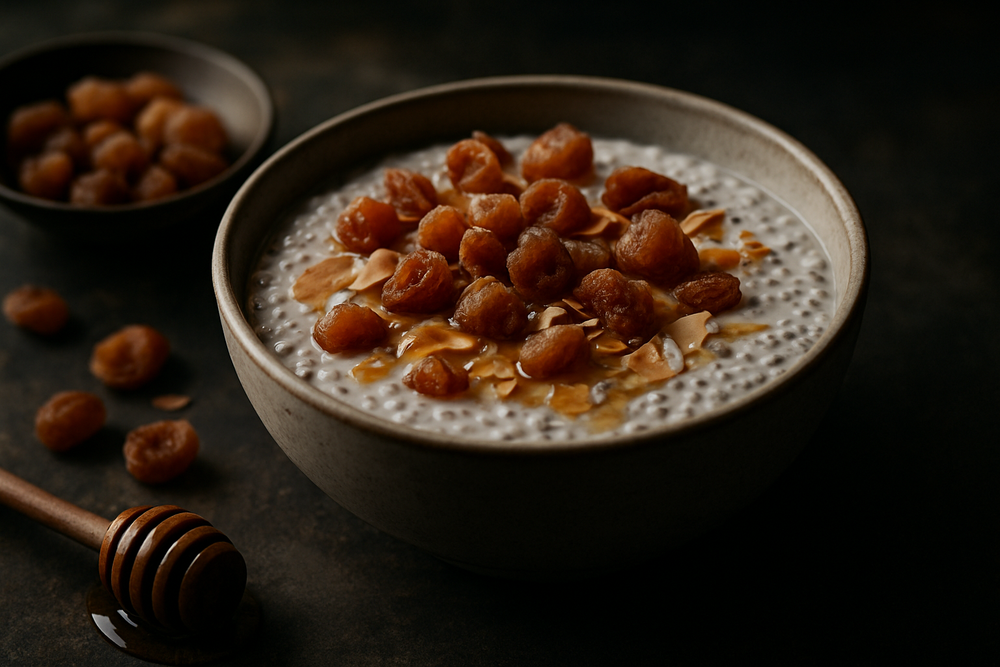
Longan tea: Simmer 5–8 dried longan pieces in 2 cups of water for 10–15 minutes with a slice of fresh ginger and a few red dates (jujubes). Strain and drink warm. This is a classic East Asian tonic-style tea, naturally sweet without added sugar.
Cold dessert bowls: Combine fresh or canned longan (drained) with sliced mango, coconut water, and a few mint leaves. A light, hydrating option after exercise.
Breakfast smoothie: Blend 6–8 fresh longan fruits (pitted) with frozen banana, a handful of spinach, and unsweetened plant milk. Adds a floral sweetness and bumps up vitamin C without added sugar.
In congee or rice porridge: Add 6–8 dried longan pieces to rice porridge while cooking. They melt into a gentle sweetness and are a traditional pairing in Cantonese cooking.
Bottom line
Longan is a genuinely nutritious tropical fruit with a strong vitamin C profile, meaningful copper and riboflavin content, and a satisfying natural sweetness at only 60 calories per 100 g serving. Its antioxidant compounds are real, its nutrient density is solid, and it fits naturally into a whole-food plant-based diet. The honest caveat is that longan-specific human clinical trials are limited — most of the benefit claims rest on its nutrient profile and extrapolations from broader fruit research, not from robust longan-only trials.
Fresh longan is the go-to form. Dried longan is a useful culinary ingredient, but treat it with the portion awareness you'd give any concentrated dried fruit. Keep the seed away from young children, watch total sugar load if you're managing blood sugar, and enjoy it as one colorful piece of a varied fruit pattern.
How Longan Compares
| Compared with | What's different |
|---|---|
| Longan vs. Lychee | Larger fruit with a bumpy red skin and a more intense, floral-perfume flavor profile. |
| Longan vs. Rambutan | Distinctly hairy exterior with a slightly firmer, more acidic flesh compared to longan. |
Health Benefits
Things to Know
Hard, inedible seed: Always remove the seed before eating. It's a choking hazard, particularly for young children and older adults with swallowing difficulties.
Blood sugar watch: Large portions of dried longan or canned longan in syrup can spike post-meal blood glucose. If you have diabetes, prediabetes, or are carb-counting, account for longan's sugar content and stick to fresh fruit in modest amounts.
Kidney disease and potassium: Longan contributes moderate potassium. People with advanced chronic kidney disease on a strict potassium-restricted diet should factor longan into their total daily potassium budget and speak with a dietitian.
Medication interactions: Large amounts of dried longan can increase carbohydrate intake enough to affect glucose-lowering medications (insulin, sulfonylureas, and similar). People taking potassium-sparing diuretics, ACE inhibitors, or ARBs should also be mindful of cumulative potassium intake, though typical serving sizes of fresh longan are unlikely to cause problems on their own.
Fructose intolerance and IBS: Sweet dried fruit in large amounts may worsen gut symptoms in people sensitive to high-fructose foods. Start with small amounts.
Pregnancy: Fresh longan is generally considered safe as part of a varied diet. As always, speak with your healthcare provider about dietary changes during pregnancy.
No cure claims: Longan is a nutritious fruit, not a treatment for any disease. The evidence for most longan-specific health benefits in humans remains limited.
Glossary
Shop This Ingredient
Stock your pantry with quality longan.
Buy on AmazonAs an Amazon Associate, Plantopedia earns from qualifying purchases. This costs you nothing extra and helps us keep the encyclopedia free.
Frequently Asked Questions
Let's be honest about what we know and don't know. Longan has a compelling nutrient profile, but longan-specific human clinical trials are scarce. Most of the benefit narrative is built from three things: general fruit research, nutrient-level evidence (what vitamin C and polyphenols do broadly), and a small number of lab and animal studies on longan extracts. One 12-week randomized, double-blind, placebo-controlled trial (a well-designed study type where neither participants nor researchers know who gets the real treatment) tested a longan pulp-and-seed extract beverage in approximately 50 older adults. We'll reference that trial throughout. Heart health and circulation Longan is low in fat and contributes vitamin C and potassium — two nutrients well-associated with vascular health in broader diet research. However, the one available human trial of a longan extract beverage found no significant changes in blood lipids (fats in the blood, including cholesterol and triglycerides) compared with placebo. No published human trials have directly tested fresh longan for blood pressure, cholesterol, or cardiovascular events. Claims about longan "supporting heart health" are currently inferred from its general nutrient content, not from longan-specific cardiovascular trial data. Digestive health and microbiome Fresh longan provides about 1.1 g of dietary fiber per 100 g — a modest contribution. As part of a varied diet rich in whole fruits and vegetables, it can support bowel regularity. That said, longan is not a fiber standout compared with most berries, beans, or leafy greens. No human trials have tested longan specifically for constipation or gut microbiome outcomes. People with fructose intolerance (difficulty digesting fruit sugar) or irritable bowel syndrome (IBS) may want to go slowly with large amounts of sweet dried fruit, as the concentrated sugars in dried longan can aggravate gut symptoms. Blood sugar and metabolism In the 12-week randomized trial mentioned above, participants drinking the longan extract beverage showed no significant differences in fasting glucose or other glycemic markers compared with placebo — a neutral result. Fresh longan provides about 15 g of carbohydrate per 100 g, almost entirely natural sugars, alongside its water and fiber. For most healthy adults, a 100 g serving fits comfortably within a balanced diet. The more important caution is for dried longan, which delivers roughly 5× more sugar and calories per ounce than fresh — see the blood sugar caution section below. Inflammation and recovery Longan's vitamin C and polyphenols show antioxidant activity in lab settings — meaning they can neutralize free radicals in a test tube. The available human trial did not report primary inflammatory biomarkers like C-reactive protein (a blood marker of body-wide inflammation). There are no clinical trials confirming that eating longan reduces inflammation markers in humans. The anti-inflammatory narrative is plausible but preliminary, drawn largely from in vitro (cell culture) and animal studies on concentrated longan extracts, not whole-fruit dietary trials. Immune support and skin health This is where longan's evidence is arguably strongest, because it piggybacks on robust vitamin C research. Vitamin C is well-established to support immune function, collagen synthesis (the process of building the structural protein that keeps skin firm), and protection against oxidative stress. Longan is a genuinely high-vitamin-C fruit — 84 mg per 100 g, comparable to many citrus varieties. The benefit here is extrapolated from the broader vitamin C literature rather than longan-specific trials, but that's a much stronger foundation than most of the other benefit claims.
Both fresh and dried longan have their place, but they behave very differently nutritionally — understanding the gap matters. Fresh longan is the lower-sugar, lower-calorie choice: roughly 17 kcal and 4 g of carbohydrate per ounce. It retains the most vitamin C, water, and overall micronutrient density. Eating it fresh is the closest you'll get to the nutrition snapshot above. Dried longan concentrates everything: roughly 80 kcal and 21 g of carbohydrate per ounce — more than five times the calories of fresh by weight. Much of the vitamin C degrades during drying. Dried longan is still a whole plant food and contributes fiber, minerals, and antioxidant polyphenols, but portions need to be smaller. Think of it the way you'd think of raisins vs grapes. Canned longan in syrup adds a significant amount of extra sugar beyond the fruit's natural content. If this is your only accessible form, draining and rinsing can help reduce some syrup sugar. Longan extract products (powders, beverages) are more experimental. The only human trial used a standardized longan pulp-and-seed extract beverage — that product is not equivalent to eating fresh or dried fruit, and we can't directly map those trial findings onto dietary longan use. Bottom line on form: Fresh is best for vitamin C and blood sugar friendliness. Dried is a useful culinary ingredient in teas and soups — keep portions to 15–30 g (½–1 oz) at a time.
There's no established clinical dose for longan as a food. General guidance for whole fruit intake — from sources like the USDA MyPlate framework — suggests adults aim for about 1.5–2 cups of fruit per day as part of a varied diet, with longan contributing to (not replacing) that total. Practical starting points: Fresh longan: 100 g (10–12 fruits) is a commonly referenced serving and provides 60 kcal and nearly a full day's vitamin C. Most healthy adults can enjoy this comfortably once daily. Dried longan: Keep portions to 15–30 g (½–1 oz or roughly 5–8 pieces) at a time to moderate sugar and calorie load. Because of its concentrated sugar, treat dried longan as you would any dried fruit — a flavoring or small addition, not a main snack. Start small if you're new to it: If you have a sensitive gut, try a small amount first and see how your digestive system responds before eating a full serving. People managing blood sugar: Pair fresh longan with a protein source or fiber-rich food (e.g., nuts, seeds, legumes) to slow sugar absorption. Avoid large portions of dried longan or canned longan in syrup. Looking for fruit-forward eating goals that put foods like longan to work? Browse Plantopedia's goals guides for evidence-informed patterns around energy, immune support, and more.
Quick Answers
Common questions, answered in a line.
Fresh longan is a rich source of Vitamin C, providing approximately 84 mg per 100 g of fresh flesh. This water-soluble antioxidant helps neutralize cell-damaging free radicals and supports the immune system.
Fresh longan is a low-calorie fruit containing approximately 60 calories per 100 g serving. While it is naturally sweet, it fits well into a whole-food plant-based diet when consumed in fresh form rather than dried or canned in syrup.
To eat fresh longan, pinch or crack the tan shell at the top, peel it away, and consume the flesh while being careful to spit out the hard, inedible seed. The fruit requires no additional preparation beyond peeling and deseeding.
Longan contains riboflavin (Vitamin B2), a B vitamin that is essential for energy metabolism. This process involves the chemical reactions your body uses to convert food into usable energy.
People with diabetes should be cautious with dried or canned longan as they can spike blood glucose; fresh fruit is recommended in modest amounts instead. Large portions of dried longan can significantly increase carbohydrate intake, potentially affecting glucose-lowering medications like insulin.
People with advanced chronic kidney disease who are on a potassium-restricted diet should be mindful of longan because it contains potassium, an electrolyte used for fluid balance. It is best to factor the fruit into your total daily potassium budget and consult a dietitian.
Longan contains copper, a trace mineral that supports iron metabolism, connective tissue formation, and the activity of antioxidant enzymes. It also provides potassium, which is important for nerve signals and blood pressure regulation.
For Readers in the USA
Local context — sourcing, seasonality, and regional notes.
In the United States, fresh longan is primarily grown in South Florida, Hawaii, and Southern California due to the fruit's need for a tropical or subtropical climate. While California production is limited, Florida remains the top domestic commercial producer, supplying markets during the peak summer months.
You can find fresh longan at major Asian grocery chains like H-Mart, 99 Ranch Market, and Mitsuwa Marketplace, as well as specialty retailers like Whole Foods during peak season. Dried and canned versions are widely available year-round at these locations and through major online retailers.
The domestic harvest season for fresh longan in the U.S. typically runs from mid-July through September, with peak availability in August. During the off-season, most fresh longan found in American markets is imported from Southeast Asia, particularly Thailand and Vietnam.
The USDA National Nutrient Database classifies longan as a nutrient-dense tropical fruit, and the FDA regulates canned versions to ensure they meet standard safety and labeling requirements for heavy syrups versus light syrups. If buying organic, look for the USDA Organic seal to ensure the fruit was grown without synthetic pesticides.
AI Clinical Review
- Gives an accurate nutrition snapshot for fresh longan: high vitamin C (~84 mg/100 g) with modest potassium and copper at ~60 kcal, and clearly notes lower fiber content.
- Helpfully distinguishes fresh, dried, canned, and extract forms, including practical guidance on sugar concentration and vitamin C loss with drying.
- Appropriately frames most health claims as extrapolations from broader fruit/vitamin C research and not from longan-specific human trials.
- Provides sensible, consumer-friendly serving suggestions and safety notes (e.g., inedible seed/choking risk), aligning with general fruit intake guidance.
- Cardiometabolic effects: the limited randomized, placebo-controlled extract study reported neutral results on blood lipids and fasting glucose; no trials on whole-fruit intake, blood pressure, or clinical outcomes.
- Anti-inflammatory/antioxidant claims rely mainly on lab and animal data; human biomarker changes with dietary longan haven’t been demonstrated.
- Digestive and microbiome benefits remain theoretical for longan specifically given its modest fiber and lack of targeted human studies.
- Portions: a reasonable fresh serving is ~100 g (about 10–12 fruits). For dried longan, 15–30 g (½–1 oz) per occasion helps moderate sugar; drain/rinse syrup-packed canned fruit when used.
- Blood sugar: people with diabetes/prediabetes may prefer fresh longan and pair it with protein or fiber; large amounts of dried or syrup-packed fruit can raise post-meal glucose and interact with glucose-lowering therapy needs.
- Potassium: those with advanced chronic kidney disease or on ACE inhibitors/ARBs or potassium-sparing diuretics should factor longan’s potassium into their daily total and seek individualized guidance.
- Safety and tolerance: always remove the hard seed (choking risk, especially for young children/older adults). Individuals with fructose intolerance or IBS may tolerate small amounts better; in pregnancy, fresh longan is generally fine as part of a varied diet—consult your clinician for personalized advice.
Contains a hard inedible seed; dried forms are high in concentrated sugar.
References
- USDA FoodData Central – Longans, raw (nutrition data reference): (fdc.nal.usda.gov)
- MyPlate – Fruits guidance (USDA dietary framework): (myplate.gov)
- WebMD – Health Benefits of Longan (overview, public health): (webmd.com)
- Healthline – Longan Fruit vs. Lychee: Benefits compared (comparative nutrition): (healthline.com)
- NutriDex – Longan: Benefits, Dosage & Side Effects (review including the 12-week randomized trial summary): (nutridex.info)
- Kawamoto et al. / Food Chemistry – Ascorbic acid and mineral composition of longan, lychee and rambutan cultivars grown in Hawaii (peer-reviewed journal article, vitamin C and mineral data): (sciencedirect.com)
- University of Rochester Medical Center – Longan nutrition facts (USDA-derived reference): (urmc.rochester.edu)
- HealthifyMe – Longan Fruit: Nutritional Value & Drawbacks (includes blood sugar and dried fruit notes): (healthifyme.com)
- Klarity Health – Longan's Potential for Heart Health (cardiovascular evidence review): (my.klarity.health)
- Wikipedia – Longan (general botanical and culinary background): (en.wikipedia.org)
Know Your Numbers
Eating healthy is a start. Now get to know your biomarkers.
Food changes bloodwork — inflammation, lipids, blood sugar and nutrient status all respond to what you eat. 59 markers from $59.
- Results in 7–10 days at 2,000+ Quest sites
- Licensed provider reviews every result
- One flat price, no membership, HSA/FSA eligible
Educational information only, not medical advice. Panels are ordered and reviewed through our licensed partner; Plantopedia may earn a commission.