Galia Melon — health benefits and uses
A Mediterranean-bred melon eaten as a cooling, hydrating food.
The Short Answer
Galia melon is a hybrid fruit known for its intense sweetness and high water content, providing 25mg of vitamin C and 320mg of potassium per cup. It supports hydration and immune function while remaining low in calories at just 55 per serving.
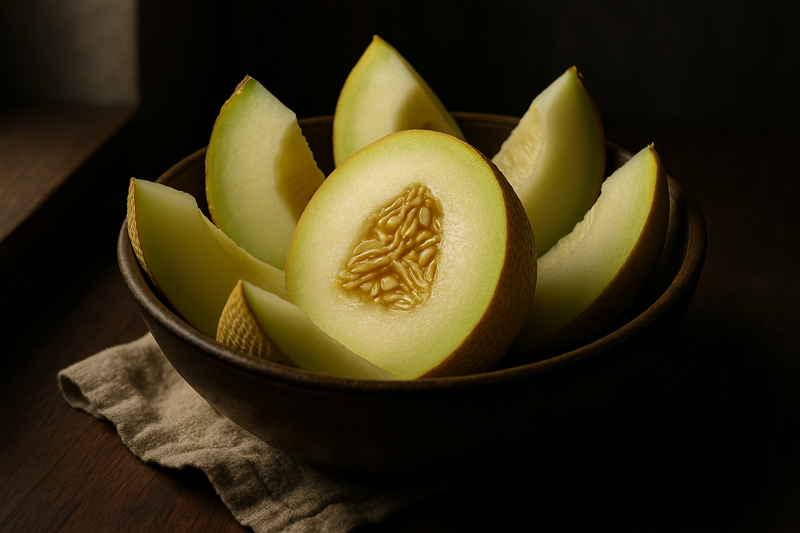
Galia Melon · Photograph
Discover the Galia melon health benefits, full nutrition facts, and practical tips for eating this sweet, green-fleshed melon. Learn how it supports hydration, vitamin C intake, and more — plus who should watch their portions.
Key Nutrients
% Daily Value based on 2,000 cal diet
Key active compounds
Galia melon's benefits come from a combination of vitamins, minerals, and plant compounds working together — not one magic ingredient.
- Vitamin C — A water-soluble antioxidant that supports immune defense, collagen production (the structural protein in skin and connective tissue), and protection of cells from oxidative stress (damage caused by unstable molecules called free radicals).
- Potassium — An electrolyte (a mineral that carries an electrical charge) essential for fluid balance, nerve signaling, and muscle contraction, including the heart muscle.
- Folate (vitamin B9) — A B vitamin needed for DNA synthesis (copying genetic material) and normal cell division; particularly important before and during pregnancy.
- Phenolic compounds — A broad class of plant-derived molecules with antioxidant activity; the specific profile in Galia melon is not yet well-characterized but is consistent with other melon varieties.
- Carotenoids — Pigmented antioxidant compounds found in many fruits and vegetables. Galia's green flesh contains modest carotenoid levels; some carotenoids convert to vitamin A in the body, supporting eye health and immune function.
- Magnesium — A mineral cofactor (a helper molecule) in hundreds of enzyme reactions, important for energy metabolism and normal heart rhythm.
Prep and pairing ideas
Galia melon needs minimal preparation. Cut it in half, scoop out the seeds, and slice into wedges or dice the flesh. The rind is not typically eaten.
3 practical pairings and why they work:
- Galia melon + fresh mint + lime juice — Mint's cooling effect and lime's tartness balance the melon's sweetness and amplify its aromatic quality. This trio makes an effortlessly refreshing salad or agua fresca base, and the lime adds extra vitamin C.
- Galia melon + plain plant-based yogurt — Pairing the melon's natural sugars with the protein and probiotics (beneficial live bacteria) in yogurt slows sugar absorption and turns a snack into something more balanced. Good option if you're managing blood sugar.
- Galia melon + arugula + toasted pumpkin seeds — Combining the sweet melon with peppery arugula and crunchy seeds adds fiber, magnesium, healthy fat, and a far more interesting texture contrast. A simple lemon-olive oil dressing ties it together.
Bottom line
Galia melon is a genuinely nutritious, low-calorie fruit that earns its place in a whole-food plant-based diet. Its standout features are hydration (thanks to ~90% water content), a meaningful dose of vitamin C (about 42% DV per cup), and modest contributions of potassium, folate, and magnesium. Most of its health benefits are inferred from its nutrient profile and general fruit research rather than Galia-specific clinical trials, so it's best understood as a supporting player in an overall healthy dietary pattern — not a standalone remedy.
Is Galia melon good for you? Yes, for most people, in typical portions, as part of a varied diet. People with kidney disease, potassium-sensitive medication regimens, or diabetes should talk to their healthcare provider about how it fits their specific plan. Everyone should rinse the rind and refrigerate cut melon promptly — simple steps that matter more than people realize.
How Galia Melon Compares
| Compared with | What's different |
|---|---|
| Galia Melon vs. Cantaloupe | Galia has a tropical, spicy-sweet aroma compared to Cantaloupe's musky, floral flavor. |
| Galia Melon vs. Honeydew Melon | Galia is significantly sweeter and more aromatic, though both share a similar green flesh color. |
Health Benefits
Things to Know
Wash the rind thoroughly: before cutting — bacteria on the outer surface can transfer to the flesh via the knife. Scrub under running water; a produce brush helps.
Refrigerate cut melon promptly: — within two hours of cutting, and use within 3–4 days. Discard if left at room temperature longer than 2 hours.
Kidney disease and potassium-restricted diets: — Galia melon contributes 320 mg of potassium per cup. If you're on a potassium limit due to kidney disease, talk to your dietitian about whether and how much melon fits your plan.
Potassium-sparing diuretics: (e.g., spironolactone) — These medications raise potassium levels. Combined with high-potassium foods, the risk of hyperkalemia (too much potassium in the blood) increases. Check with your prescriber.
ACE inhibitors and ARBs: (e.g., lisinopril, losartan) — These blood pressure medications can also raise potassium. If kidney function is reduced, monitor total potassium from all food sources.
Diabetes medications and insulin: — Melon's natural sugars can influence blood glucose. Keep portions moderate and factor carbs into your meal plan to avoid unexpected spikes or, if dosing is tight, lows.
Oral allergy syndrome: — Some people who are allergic to ragweed or certain grass pollens experience itching or tingling in the mouth when eating melons. This is usually mild, but stop eating and seek advice if you notice swelling or throat discomfort.
Pregnancy: — Galia melon is a safe, nutritious food during pregnancy in typical food amounts. Folate content is a bonus, though prenatal vitamins and a full varied diet provide the primary folate supply. Extra care with food safety (washing, refrigeration) is important for pregnant individuals.
Immunocompromised individuals and older adults: — More vulnerable to foodborne illness from contaminated melons; strict food safety handling is especially important for these groups.
Best Forms
Best for vitamin C content and aromatic flavor. Eat ripe, cut fresh, and serve chilled.
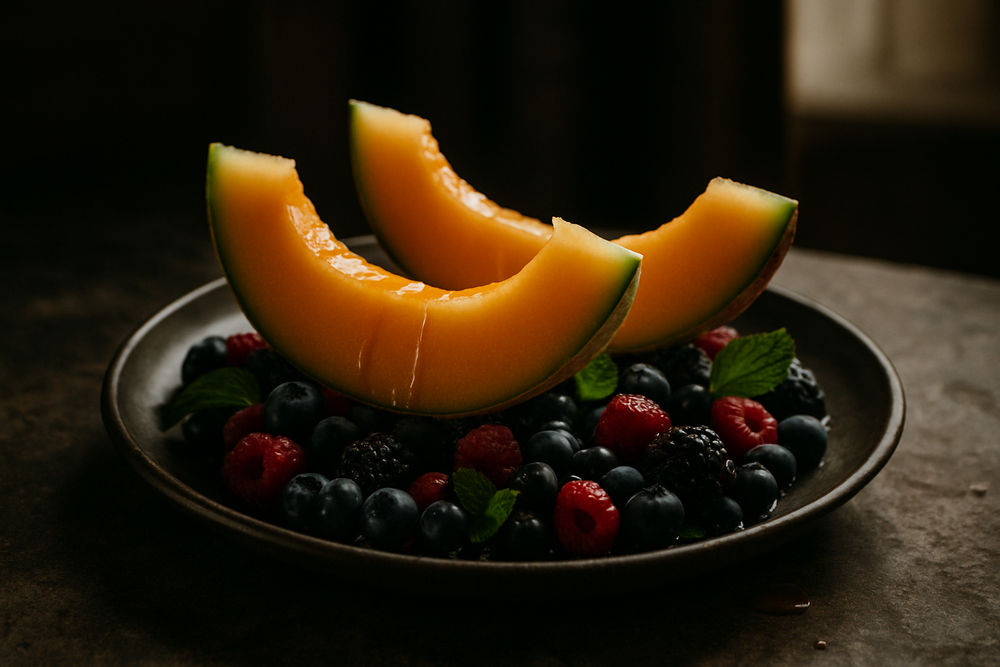
Combining Galia with berries, citrus, or other melons increases fiber and micronutrient variety while keeping calories low.
Blending whole Galia melon retains fiber. Pair with leafy greens or plant-based yogurt for a more complete snack.
Useful in smoothies or as a homemade sorbet base. Freezing slightly reduces vitamin C but keeps the snack light and refreshing.
Removes most of the fiber and concentrates the sugars. Fine occasionally, but whole fruit is preferable, especially for anyone watching blood sugar.
Prep Ideas
- — Galia melon + fresh mint + lime juice — Mint's cooling effect and lime's tartness balance the melon's sweetness and amplify its aromatic quality. This trio makes an effortlessly refreshing salad or agua fresca base, and the lime adds extra vitamin C.
- — Galia melon + plain plant-based yogurt — Pairing the melon's natural sugars with the protein and probiotics (beneficial live bacteria) in yogurt slows sugar absorption and turns a snack into something more balanced. Good option if you're managing blood sugar.
- — Galia melon + arugula + toasted pumpkin seeds — Combining the sweet melon with peppery arugula and crunchy seeds adds fiber, magnesium, healthy fat, and a far more interesting texture contrast. A simple lemon-olive oil dressing ties it together.
Glossary
Shop This Ingredient
Stock your pantry with quality galia melon.
Buy on AmazonAs an Amazon Associate, Plantopedia earns from qualifying purchases. This costs you nothing extra and helps us keep the encyclopedia free.
Frequently Asked Questions
Evidence for Galia melon specifically is limited — most relevant research covers melons broadly or the individual nutrients Galia contains. That's important context: benefits below are research-informed but not proven by clinical trials on Galia melon itself. Heart and circulation Galia melon is low in sodium and provides potassium, a combination that nutrition science consistently links to supporting healthy blood pressure. Diets with adequate potassium and low sodium are associated with better cardiovascular outcomes in population studies. Galia melon's low calorie density also makes it a practical swap for higher-calorie snack foods, which can help with weight management — itself a cardiovascular risk factor. That said, there are no clinical trials specifically testing Galia melon and heart outcomes. Any benefits here are inferred from its Galia melon potassium content and overall nutrient profile, not from direct evidence. Digestive health Each cup of Galia melon provides about 1 gram of dietary fiber — modest, but meaningful if you're eating it regularly alongside other fiber-rich foods. More practically, its very high water content makes it easy to digest and can support bowel regularity by keeping the digestive tract hydrated. For people who find high-fiber fruits (like dried figs or prunes) too intense, Galia melon offers a gentler way to add produce to their day. There are no direct clinical studies on Galia melon and irritable bowel syndrome (IBS) or constipation. Blood sugar and metabolism A cup of Galia melon contains about 13 g of carbohydrates, mostly natural sugars (fructose and glucose). In a typical portion eaten as part of a mixed meal, this represents a modest glycemic load — meaning it's unlikely to spike blood sugar dramatically for most people. However, no glycemic index studies have been done on Galia melon specifically, and individual responses to carbohydrates vary. If you have diabetes or insulin resistance (reduced ability to respond to the hormone insulin), it's worth monitoring your blood glucose after eating melon, keeping portions to 1 cup or less, and pairing it with a source of protein or healthy fat to slow sugar absorption. Galia melon juice concentrates the sugars and removes most of the fiber, so whole fruit is the better choice. Inflammation and recovery Vitamin C is one of the body's key antioxidant defenses. By neutralizing free radicals, it may help reduce oxidative stress — a process linked to chronic low-grade inflammation over time. One cup of Galia melon delivers 25 mg of vitamin C, covering about 42% of the recommended daily intake for adults. It's worth being clear: eating Galia melon won't extinguish active inflammation or replace anti-inflammatory medication. But as part of an overall diet rich in colorful produce, it contributes meaningfully to your antioxidant intake. Research on Galia melon vitamin C and antioxidants consistently supports this role. Hydration With roughly 90% of its weight being water, Galia melon is one of the most hydrating foods you can eat. Staying well-hydrated supports kidney function, body temperature regulation, cognitive performance, and energy levels. Galia melon benefits for hydration are practical and well-supported by its food composition data, even if no clinical trials have tested "Galia melon vs. water."
Fresh, raw, and chilled is the clear winner for both flavor and nutrition. Here's how the forms compare: Fresh chunks or wedges — Best for vitamin C content and aromatic flavor. Eat ripe, cut fresh, and serve chilled. Fruit salads and bowls — Combining Galia with berries, citrus, or other melons increases fiber and micronutrient variety while keeping calories low. Smoothies — Blending whole Galia melon retains fiber. Pair with leafy greens or plant-based yogurt for a more complete snack. Frozen cubes — Useful in smoothies or as a homemade sorbet base. Freezing slightly reduces vitamin C but keeps the snack light and refreshing. Juice — Removes most of the fiber and concentrates the sugars. Fine occasionally, but whole fruit is preferable, especially for anyone watching blood sugar.
Optional module: Who benefits most Active people and those eating for hydration High water content (roughly 90%) makes Galia melon one of the most hydrating foods available. Potassium helps replenish electrolytes lost through sweat. Light calorie load (50 cal/cup) means it works as a pre- or post-activity snack without weighing you down. People looking to add more fruit without a lot of effort Requires almost no prep — just wash, cut, and chill. Mild, approachable sweetness suits people who find stronger fruits (like citrus or berries) too intense. Low-calorie density makes it easy to hit fruit servings recommended by MyPlate without worrying about overeating.
There is no official recommended dose for Galia melon. General fruit guidance from MyPlate suggests most adults aim for 1½–2 cups of fruit daily from a variety of sources. A 1–2 cup portion of Galia melon (roughly 140–280 g) is a reasonable and practical contribution to that goal. Start low if you're sensitive — Some people find large portions of high-water fruit cause loose stools or bloating, particularly if their gut is adjusting to more fiber and fluid. Starting with half a cup and working up is sensible. Juice portions warrant more care — Because juicing concentrates sugars and removes fiber, limit juice to no more than 4 oz (half a cup) if you choose that form, especially with diabetes or insulin resistance. Context matters more than a number — Eating 2 cups of Galia melon as part of a varied, plant-rich diet is very different from eating it as your only fruit. Variety across fruit types ensures a broader range of antioxidants and phytonutrients.
Quick Answers
Common questions, answered in a line.
Galia melon is an excellent source of hydration because it consists of approximately 90% water. This high water content, combined with essential electrolytes like potassium, makes it a naturally hydrating food choice for supporting fluid balance.
Galia melon contains about 42% of the Daily Value of vitamin C per cup, which supports immune defense and collagen production. It also provides modest amounts of potassium, folate, magnesium, and various antioxidant phenolic compounds.
People with kidney disease or those taking potassium-sparing diuretics, ACE inhibitors, or ARBs should be cautious due to the melon's potassium content. Additionally, individuals with diabetes or oral allergy syndrome should monitor their intake and reactions.
You should thoroughly wash and scrub the rind before cutting to prevent bacteria from transferring to the flesh. Once sliced, the melon must be refrigerated within two hours and consumed within three to four days for safety.
Galia melon provides vitamin C for collagen production and carotenoids that convert to vitamin A, which supports eye health. These antioxidants help protect skin and eye cells from oxidative stress and damage caused by free radicals.
Pregnant women can safely eat Galia melon, which provides folate (vitamin B9) for DNA synthesis and cell division. However, it is vital to follow strict food safety practices, such as washing the rind and prompt refrigeration, to avoid foodborne illness.
For Readers in the USA
Local context — sourcing, seasonality, and regional notes.
In the United States, Galia melons are primarily grown in the warm climates of California and Arizona, with the peak domestic season running from May through October. During the winter months, most Galia melons found in U.S. grocery stores are imported from Central and South America to ensure year-round availability.
Galia melons are widely available at major U.S. supermarkets like Whole Foods, Kroger, and Safeway, as well as specialty retailers and West Coast farmers markets. You can often find them in the specialty produce section labeled as a "hybrid" or "dessert" melon, distinct from standard cantaloupes.
When buying Galia melon in the U.S., look for the USDA Organic seal to ensure it was produced without synthetic pesticides or fertilizers. Additionally, the FDA recommends choosing melons that are free of deep bruises and ensuring they are not displayed in standing water at the retail level.
While "Galia" is the standard name in the U.S., it is sometimes marketed as a "Sarda" melon in specific ethnic markets or grouped under "specialty muskmelons" in domestic agricultural reports. It was originally developed in Israel, but has become a staple in American "gourmet" fruit baskets due to its high sugar content.
AI Clinical Review
- Clearly explains that Galia melon is a low-calorie, very high–water fruit that contributes vitamin C, potassium, and folate.
- Portion-level figures (about 50 kcal and ~13 g carbohydrate per 1 cup diced) and the emphasis on hydration align with standard food-composition data.
- Practical food-safety advice to scrub the rind and refrigerate cut melon promptly reflects real-world risks associated with melons.
- Sensible positioning as part of an overall healthy diet, with protein/fat pairings to moderate blood sugar responses.
- Most cited benefits are extrapolated from melons in general or from individual nutrients; Galia-specific clinical trials are limited.
- The detailed antioxidant profile (phenolics, carotenoids, vitamin A activity) for Galia is not well characterized, so these points are plausible but not definitive.
- A validated glycemic index for Galia melon is not established; individual glucose responses vary, especially in diabetes.
- Hydration and blood-pressure support are inferred from high water content and potassium within a low-sodium diet rather than tested in head-to-head trials.
- Portions: For most adults, 1–2 cups per day fits within MyPlate fruit guidance; if you count carbohydrates, 1 cup (~13 g carbs) is a practical serving.
- Potassium and medications: People with chronic kidney disease or taking ACE inhibitors, ARBs, or potassium-sparing diuretics (e.g., spironolactone) should confirm appropriate portions with their clinician.
- Food safety: Scrub the rind under running water before cutting, refrigerate within 2 hours, and use within 3–4 days; extra care is warranted in pregnancy, older adults, and those who are immunocompromised.
- Labeling and form: A 1-cup portion with ~25 mg vitamin C provides about 28% of the current US Daily Value (90 mg). Whole fruit retains fiber; juice concentrates sugars, and freezing may slightly lower vitamin C.
Rinse rind before slicing; refrigerate cut melon promptly.
References
- USDA FoodData Central — nutrient composition data for melons (fdc.nal.usda.gov)
- USDA MyPlate — fruit intake recommendations (myplate.gov)
- WebMD — overview of Galia melon health benefits (webmd.com)
- Nutrition-and-you.com — Galia melon nutrition facts and health benefits (nutrition-and-you.com)
- diet-health.info — Galia melon raw organic nutrient data (diet-health.info)
- Matvaretabellen (Norwegian Food Composition Database) — Galia melon raw (matvaretabellen.no)
- DietCompass — Galia melon nutrition facts per 100 g (dietcompass.org)
- Fruitsinfo.com — Galia melon facts and nutrition (fruitsinfo.com)
- EatThisMuch — Galia melon calorie and macro data (eatthismuch.com)
- MyFoodData — Ayco Farms Galia Melon nutrition facts (tools.myfooddata.com)
Know Your Numbers
Eating healthy is a start. Now get to know your biomarkers.
Food changes bloodwork — inflammation, lipids, blood sugar and nutrient status all respond to what you eat. 59 markers from $59.
- Results in 7–10 days at 2,000+ Quest sites
- Licensed provider reviews every result
- One flat price, no membership, HSA/FSA eligible
Educational information only, not medical advice. Panels are ordered and reviewed through our licensed partner; Plantopedia may earn a commission.