Canary Melon — health benefits and uses
A hydrating summer melon in the honeydew-adjacent family.
The Short Answer
Canary melon is a hydrating, low-calorie fruit providing 32 mg of Vitamin C and 365 mg of potassium per cup. Its mild, sweet flavor and high water content support immune health and electrolyte balance.
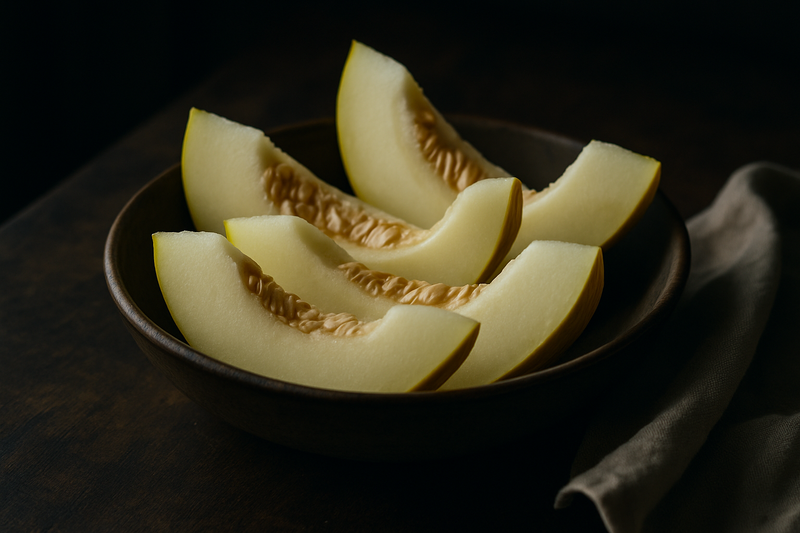
Canary Melon · Photograph
Discover canary melon nutrition and health benefits, from vitamin C and potassium content to hydration, digestion, and heart health support. Includes calories, prep tips, safety notes, and evidence-based insights for everyday eating.
Key Nutrients
% Daily Value based on 2,000 cal diet
Key active compounds
- Vitamin C (ascorbic acid) — A water-soluble antioxidant that supports immune response, wound healing, and collagen synthesis (the protein that holds skin, cartilage, and blood vessels together).
- Carotenoids — Pigmented plant compounds that give the rind its yellow color. Some carotenoids convert to vitamin A in the body; others act directly as antioxidants that may protect cells from oxidative damage.
- Phenolic compounds — A broad family of plant antioxidant molecules, including phenolic acids and flavonoids, that can neutralize free radicals (unstable molecules that damage cells). Laboratory studies of canary melon extracts report measurable phenolic content and antioxidant activity, though this has not been studied in people eating the whole fruit.
- Potassium — An essential mineral (electrolyte) that helps regulate fluid balance, nerve signals, and muscle contraction.
- Dietary fiber — Indigestible plant material that slows digestion, feeds beneficial gut bacteria, and supports bowel regularity.
Prep and pairing ideas
Canary melon's mild sweetness and pale flesh make it versatile. Here are three practical pairings that work well nutritionally and in the kitchen:
Canary melon + fresh mint + lime juice A classic warm-weather combination. Mint adds a cooling phenolic note; lime juice provides extra vitamin C and brightens the flavor. Serve as a chilled fruit bowl or a light dessert. No cooking required.
Canary melon + prosciutto (or smoked salmon) The sweet-savory contrast is a crowd-pleaser and balances the melon's natural sugars with protein and umami. For a plant-based version, try thin slices of salted, marinated tofu or a sprinkle of hemp seeds for protein and healthy fats.
Canary melon + cucumber + Greek yogurt Dice equal parts melon and cucumber, then dollop with plain Greek yogurt. You get hydration from both the melon and cucumber, extra protein from the yogurt, and probiotics that complement the melon's fiber for gut health. Season lightly with black pepper and a drizzle of honey if desired.
Basic prep tips:
- Store whole, uncut canary melon at room temperature until ripe (it will give slightly when pressed at the stem end and smell faintly sweet). Once cut, refrigerate and use within 3 days.
- Scoop out seeds before slicing, or leave the seed cavity for a natural bowl for yogurt or cottage cheese.
- Freeze diced pieces on a baking sheet, then transfer to bags for use in smoothies.
Bottom line
Canary melon is a genuinely enjoyable, low-calorie whole fruit that earns its place in a health-supportive diet. Its combination of water (hydration), fiber (digestive support), vitamin C (immune function and antioxidant activity), and potassium (blood pressure and fluid balance) makes it useful for everyday eating — particularly as a replacement for higher-calorie, lower-nutrient sweet snacks.
The honest caveat: direct clinical trials on canary melon are essentially nonexistent. Its potential benefits are inferred from its nutrient composition and robust evidence on those nutrients in other foods and populations. That is not unusual for a whole fruit, and it does not diminish its nutritional value — it just means "canary melon prevents heart disease" would be an overreach. "Canary melon fits well into a heart-supportive, hydrating, plant-rich diet" is fair.
Eat it chilled in slices, toss it into fruit bowls, blend it into smoothies, or pair it with savory ingredients. Wash the rind before cutting. Enjoy it as part of a varied fruit intake and you are doing exactly what the evidence supports.
Looking for more ways to build hydration and whole-food variety into your daily routine? Browse the Plantopedia goals hub for curated guides organized by what you are trying to achieve.
How Canary Melon Compares
| Compared with | What's different |
|---|---|
| Canary Melon vs. Honeydew Melon | Sweeter and tangier than Honeydew with a distinctively bright yellow, smooth rind. |
| Canary Melon vs. Cantaloupe | Crisper texture and milder flavor compared to the soft, musky flesh of a Cantaloupe. |
Health Benefits
Things to Know
Wash the rind before cutting.: The knife can drag surface bacteria or contaminants through the flesh as it cuts. Rinse the outside under cool running water and scrub with a produce brush before slicing.
Kidney disease.: Canary melon provides several hundred milligrams of potassium per cup. People with chronic kidney disease (CKD) or those on potassium-restricted diets should check with their nephrologist or dietitian before eating high-potassium fruits regularly.
Medication interactions — potassium balance.: Potassium-sparing diuretics (such as spironolactone or eplerenone), ACE inhibitors, ARBs, and renin inhibitors can all raise serum (blood) potassium levels. Combining these medications with high-potassium foods increases the risk of hyperkalemia (dangerously high potassium), which can affect heart rhythm. Talk to your prescriber if you take any of these.
Melon allergy or oral allergy syndrome.: People allergic to other cucurbit fruits (cantaloupe, watermelon, honeydew) may react to canary melon as well. Oral allergy syndrome — mild tingling or itching of the lips and mouth — can occur in people with grass pollen allergies.
Diabetes.: Canary melon is relatively low in sugar compared with many processed desserts, but it still contains natural sugars. People managing blood glucose should factor it into their carbohydrate counts.
Pregnancy.: Fresh canary melon is generally considered safe in normal dietary amounts. Focus on food safety: buy whole, intact melons, wash before cutting, and refrigerate cut pieces promptly.
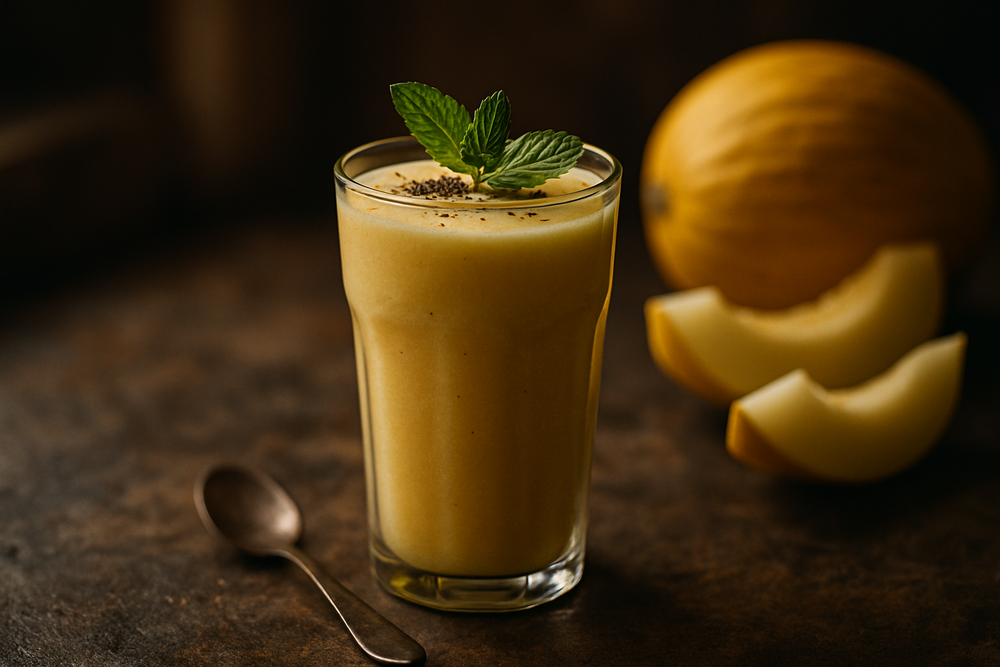
Prep Ideas
- — Store whole, uncut canary melon at room temperature until ripe (it will give slightly when pressed at the stem end and smell faintly sweet). Once cut, refrigerate and use within 3 days.
- — Scoop out seeds before slicing, or leave the seed cavity for a natural bowl for yogurt or cottage cheese.
- — Freeze diced pieces on a baking sheet, then transfer to bags for use in smoothies.
Shop This Ingredient
Stock your pantry with quality canary melon.
Buy on AmazonAs an Amazon Associate, Plantopedia earns from qualifying purchases. This costs you nothing extra and helps us keep the encyclopedia free.
Frequently Asked Questions
The benefits below are based on canary melon's nutrient profile and on broader research into those nutrients. Direct clinical trials on canary melon are not yet available — keep that context in mind. Heart and circulation Canary melon provides several hundred milligrams of potassium per cup with negligible sodium. Population studies consistently link higher dietary potassium and lower sodium intake with healthier blood pressure levels — a key modifiable risk factor for heart disease and stroke. Replacing energy-dense, salty snacks with water-rich, potassium-containing fruits like canary melon is a strategy endorsed by major dietary guidelines, though the melon itself has not been tested in cardiovascular trials. The small amount of fiber also fits into a heart-supportive eating pattern. The evidence here is indirect but consistent with canary melon as part of a diet that benefits heart health. Digestive health and microbiome At nearly 90% water and with about 1.4 g of fiber per cup, canary melon contributes to two of the main levers for healthy digestion: adequate hydration and fiber intake. Water softens stool; fiber adds bulk and feeds beneficial bacteria in the colon (your gut microbiome — the community of microorganisms living in your digestive tract). No controlled study has tested canary melon specifically for constipation or microbiome outcomes, but its composition aligns well with general dietary guidance for digestive health. Blood sugar and metabolism Canary melon contains around 13 g of carbohydrate per cup, with roughly 11–13 g coming from natural sugars. That is relatively modest for a sweet-tasting fruit, and its water and fiber content slow the rate at which those sugars enter the bloodstream. One physicochemical analysis of canary melon described it as suitable for lower-sugar diets, including for people with diabetes — but this was an expert recommendation, not a finding from a human intervention trial. If you manage blood sugar, treat canary melon as one piece of an overall balanced eating plan and discuss portion sizes with your healthcare team. Inflammation and recovery Vitamin C is a front-line antioxidant that can help neutralize free radicals produced during exercise, illness, and normal metabolism. At roughly 32 mg per cup, one serving of canary melon provides over a third of the daily reference intake for most adults. Laboratory studies of canary melon extracts show free-radical scavenging activity, which is promising — but in vitro (test-tube) findings do not automatically translate into measurable anti-inflammatory effects in people. Consider it a supporting player in an overall antioxidant-rich diet rather than a targeted anti-inflammatory therapy.
Active adults and athletes recovering from exercise High water content helps replenish fluids lost through sweat without adding significant calories. Vitamin C supports tissue repair and immune function after intense training. Natural sugars provide a light carbohydrate source for post-workout recovery snacks. People trying to manage their weight At roughly 54 calories per cup, it delivers genuine sweetness and volume for very few calories. The water and fiber combination increases meal satisfaction, which may reduce the urge to reach for calorie-dense alternatives. Its mild, dessert-like flavor makes it a practical substitute for higher-calorie sweet snacks.
Fresh, chilled slices or wedges are the gold standard. Cutting into a whole melon and serving it cold preserves the highest levels of vitamin C, potassium, fiber, and water. This is how most of the world eats canary melon, and it requires no equipment beyond a knife and a cutting board. Diced in fruit bowls works equally well nutritionally. Cutting ahead of time is fine if you refrigerate the pieces in an airtight container and eat them within two to three days. Vitamin C begins to degrade once the flesh is exposed to air, so fresh-cut is better than two-day-old diced. Smoothies and purees retain most of the fiber (unlike juice) and are a convenient way to combine canary melon with leafy greens or other fruit. The trade-off is that it is easy to consume a large portion quickly without noticing, which matters if you are monitoring carbohydrate intake. Juice removes most of the fiber and concentrates the natural sugars. It can be refreshing, but it is likely to raise blood sugar more quickly than whole fruit. If you enjoy canary melon juice, treat it as an occasional addition rather than a daily staple, and consider limiting to a small glass.
There is no established therapeutic dose for canary melon because no clinical trials have tested it as a medicine. General dietary guidance from organizations like the USDA recommends that most adults eat 1.5 to 2 cups of fruit per day as part of a balanced diet. Practical starting point: One to two cups of diced canary melon per day (roughly 160–320 g) is a reasonable portion for most healthy adults. That range gives you: 54–108 calories 32–64 mg vitamin C (35–70% of the daily reference value) 365–730 mg potassium Start lower if: you are monitoring potassium (kidney disease, certain medications), carbohydrates (diabetes), or you simply want to diversify your fruit intake across multiple varieties. Variety matters. No single fruit covers all nutritional bases. Rotating canary melon with berries, citrus, and stone fruits gives you a broader range of phytochemicals and reduces the risk of any one fruit's natural sugars dominating your intake.
Quick Answers
Common questions, answered in a line.
Canary melon is an excellent source of vitamin C, potassium, carotenoids, phenolic compounds, and dietary fiber. These active compounds support immune function, regulate fluid balance, and provide antioxidant activity to help protect cells from oxidative damage.
To prepare a canary melon, rinse the rind under cool water, scrub with a produce brush, and scoop out the seeds before slicing the flesh. The melon's mild sweetness makes it ideal for fruit bowls, smoothies, or savory pairings like prosciutto or Greek yogurt.
Canary melon supports heart health by providing potassium, an essential mineral that helps regulate blood pressure, nerve signals, and fluid balance. While direct clinical trials are limited, its nutrient profile fits well within a heart-supportive, plant-rich diet.
Canary melon helps with digestion because it contains dietary fiber and a high water content for hydration. The fiber slows digestion and feeds beneficial gut bacteria, while the water helps maintain hydration levels necessary for regular bowel movements.
People with chronic kidney disease or those taking potassium-sparing diuretics, ACE inhibitors, or ARBs should consult a doctor before eating canary melon. Because it is high in potassium, it may increase the risk of hyperkalemia (dangerously high blood potassium) for these individuals.
Store whole, uncut canary melons at room temperature until they feel slightly soft at the stem end and smell sweet. Once the melon has been cut, you must refrigerate the pieces and consume them within three days for the best quality and safety.
Yes, canary melon can be beneficial for skin health because it contains vitamin C, which is essential for collagen synthesis. Collagen is the primary protein responsible for holding skin, cartilage, and blood vessels together.
For Readers in the USA
Local context — sourcing, seasonality, and regional notes.
In the United States, the peak season for canary melon runs from June through October, primarily grown in the warm climates of California and Arizona. While domestic production peaks in late summer, you can often find imported varieties from Central and South America in grocery stores during the winter months.
You can typically find canary melons at major US grocery chains like Whole Foods, Sprouts, and Wegmans, as well as at local farmers markets in the Southwest. Specialty stores and international markets, particularly those catering to Mediterranean or Asian cuisines, frequently stock them alongside honeydew and cantaloupe.
The USDA Organic seal on a canary melon ensures it was grown without prohibited synthetic fertilizers or pesticides and is non-GMO. When buying conventional melons, the FDA recommends scrubbing the bright yellow rind with a clean produce brush under running water to prevent transferring bacteria from the surface to the flesh when slicing.
The canary melon is sometimes sold in US markets under the names "Juan Canary," "Spanish melon," or "winter melon," though it is distinct from the wax gourd also called winter melon. Its smooth, waxy yellow rind and oval shape help distinguish it from the netted rind of a standard American cantaloupe.
AI Clinical Review
- Clearly explains that canary melon is ~90% water and low in calories, making it a hydrating, weight‑friendly fruit choice.
- Accurately highlights vitamin C and potassium as the main nutrients and appropriately links them to immune support/collagen (vitamin C) and blood pressure support within an overall healthy diet (potassium, low sodium).
- Uses cautious language ("may," "supports") and notes that benefits are inferred from the nutrient profile rather than clinical trials—this is scientifically appropriate.
- Offers practical, evidence‑consistent guidance: prefer whole fruit over juice, keep cut melon refrigerated, and wash the rind to reduce contamination.
- There are no human clinical trials testing canary melon specifically for outcomes like blood pressure, glycemic control, inflammation, or gut health; current takeaways are extrapolated from its nutrients and in‑vitro findings.
- Reported potassium and vitamin C amounts vary by database, cultivar, ripeness, and storage; treat numbers as estimates rather than precise dosing (the potassium range is especially variable).
- The specific glycemic index/load of canary melon isn’t well established; individual blood sugar responses can differ, particularly in diabetes.
- Portions: For most healthy adults, 1–2 cups per day fits typical fruit recommendations; if you track carbohydrates or potassium, start with smaller servings and consider pairing with protein/fat to blunt glucose spikes.
- Potassium caution: People with chronic kidney disease or those taking ACE inhibitors, ARBs, potassium‑sparing diuretics, or renin inhibitors should discuss routine intake with their clinician due to hyperkalemia risk (high blood potassium).
- Food safety: Wash the rind before cutting, refrigerate promptly, and use within ~3 days; this is especially important during pregnancy or if immunocompromised.
- Form matters: Whole fruit and smoothies retain fiber; juice removes most fiber and can raise blood sugar faster—treat juice as occasional.
Wash the rind before cutting to avoid surface contamination.
References
- USDA FoodData Central — melon and fruit nutrition data (fdc.nal.usda.gov)
- USDA MyPlate — Fruits food group guidance (myplate.gov)
- DietCompass — Canary melon nutrition facts per 100 g (dietcompass.org)
- Canadian Fruit — Canary melon produce profile (canadianfruit.com)
- NutriNeat — Canary melon nutrition facts and health benefits (nutrineat.com)
- FruitGuys — Canary melons: a complete guide (fruitguys.com)
- FruitsPedia — Canary melon overview (fruitspedia.com)
- Akinyode et al. (2023) — Physicochemical properties and antioxidant activities in canary melon; Hortson Journal (hortson.org.ng)
- NIH Office of Dietary Supplements — Vitamin C fact sheet (ods.od.nih.gov)
- NIH Office of Dietary Supplements — Potassium fact sheet (ods.od.nih.gov)
Know Your Numbers
Eating healthy is a start. Now get to know your biomarkers.
Food changes bloodwork — inflammation, lipids, blood sugar and nutrient status all respond to what you eat. 59 markers from $59.
- Results in 7–10 days at 2,000+ Quest sites
- Licensed provider reviews every result
- One flat price, no membership, HSA/FSA eligible
Educational information only, not medical advice. Panels are ordered and reviewed through our licensed partner; Plantopedia may earn a commission.