Durum Wheat — health benefits and uses
A drought-tolerant wheat long favored across the Mediterranean and North Africa.
The Short Answer
Durum wheat is a high-protein, hard wheat variety primarily used for pasta and couscous. It provides 26g of protein and 8g of fiber per 100g serving, alongside high levels of selenium and magnesium.
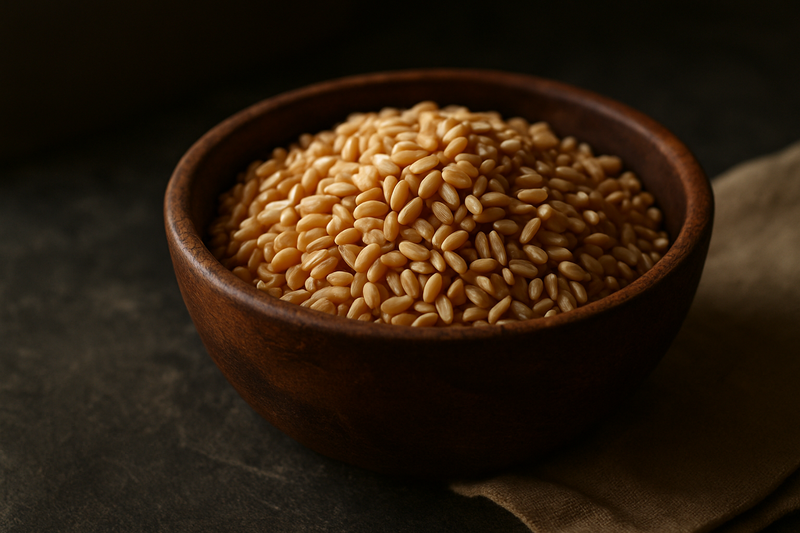
Durum Wheat · Photograph
Discover durum wheat nutrition and health benefits — from its impressive protein and mineral content to its role in heart health, blood sugar, and digestion. Learn which forms are healthiest, who should avoid it, and how to make the most of semolina, pasta, and whole-grain durum in your diet.
Key Nutrients
% Daily Value based on 2,000 cal diet
Key active compounds in durum wheat
- Carotenoids (lutein, zeaxanthin, β-carotene): Pigmented antioxidants responsible for durum's yellow color; may support eye and cardiovascular health.
- Phenolic acids (especially ferulic acid): Concentrated in the bran; exhibit antioxidant and anti-inflammatory activity and are associated with reduced chronic disease risk in whole-grain wheat consumers.
- Arabinoxylans: Non-starch fibers (a type of hemicellulose) found in wheat bran that act as prebiotics — feeding beneficial gut bacteria and helping moderate blood sugar responses.
- Resistant starch: A starch fraction that bypasses digestion in the small intestine and is fermented in the colon, producing short-chain fatty acids that support metabolic and gut health.
- Tocols (tocopherols and tocotrienols): Vitamin E–related compounds in the germ and bran; protect cell membranes from oxidative damage and may support cardiovascular and neurological health.
- Gluten proteins (glutenins and gliadins): The structural proteins that give durum pasta its characteristic firmness — and the reason durum is off-limits for people with celiac disease.
Prep and pairing ideas
Durum wheat is one of the most kitchen-friendly whole grains because it already comes in so many ready-to-use forms.
Whole durum berries (kernels): Rinse, then simmer in a 2:1 water-to-grain ratio for about 40–50 minutes until chewy and tender. Use in grain bowls, soups, or cold salads the way you would farro or wheat berries.
Whole-grain pasta: Cook al dente (firm to the bite) to slow starch digestion and keep the glycemic response lower. Pair with olive oil, plenty of vegetables, and a legume-based sauce to boost protein and fiber further.
Couscous: Fine-grain durum semolina that needs only boiling water and a 5-minute steam. Opt for whole-wheat couscous when available. Works well in salads with chickpeas, herbs, and lemon.
Semolina porridge: Simmer refined or whole-grain semolina in plant-based milk for a warming breakfast; top with nuts, seeds, or berries for added nutrients.
Common pairings (and why they work)
- Durum pasta + legumes (lentils, chickpeas): Wheat is low in the amino acid lysine; legumes are rich in it. Together they form a more complete protein profile — especially relevant for plant-based eaters.
- Durum couscous + tomatoes and olive oil: Lycopene in cooked tomatoes is fat-soluble, meaning the olive oil improves its absorption. Meanwhile, the vitamin C in tomatoes can enhance absorption of durum's plant-based (non-heme) iron.
- Whole durum berries + fermented foods (yogurt dressing, miso): The phytic acid in whole grains can bind minerals and reduce absorption. Fermentation and acidity help break it down, potentially improving zinc and magnesium uptake from the grain.
Myths vs facts
Myth 1: "Pasta made from durum wheat is just empty carbs." Fact: Durum wheat is among the higher-protein grains, and whole-grain durum pasta contributes meaningful fiber, magnesium, zinc, selenium, and B vitamins. Whether pasta is "empty" depends far more on portion size and the overall meal than the grain itself.
Myth 2: "Semolina and whole-grain durum are basically the same thing." Fact: Semolina is milled from the endosperm only; the bran and germ — which hold most of the fiber, minerals, and phytochemicals — are removed. Nutritionally, whole-grain durum and refined semolina are meaningfully different products.
Myth 3: "If you are sensitive to regular wheat, durum wheat is a safe alternative." Fact: Durum wheat contains gluten and is not safe for celiac disease or wheat allergy. Some people with non-celiac gluten sensitivity may tolerate certain traditional durum varieties better than modern wheat, but this is preliminary evidence and individual responses vary. Always consult a healthcare provider before testing tolerance.
Bottom line
Durum wheat earns its place in a health-conscious whole-food diet — not as a superfood, but as a nutritionally dense, culturally significant grain with a meaningful body of supporting evidence. Its standout features are its high protein content, exceptionally rich selenium and magnesium levels, and the phytochemical package locked in the bran and germ of whole-grain forms.
The biggest practical distinction is whole grain versus refined. If you are eating durum mainly as conventional white semolina pasta, you are getting a useful source of energy and protein, but leaving most of the fiber and protective compounds on the milling room floor. Choosing whole-grain pasta, whole-wheat couscous, or cooked durum berries whenever possible, and pairing them with vegetables, legumes, and healthy fats, is where the research-backed benefits are strongest.
If you have celiac disease, wheat allergy, or are managing a condition that affects carbohydrate or mineral tolerance, speak with your healthcare team before making durum a dietary staple.
Explore more about how whole grains fit your health goals at Plantopedia's goals hub.
How Durum Wheat Compares
| Compared with | What's different |
|---|---|
| Durum Wheat vs. Common Wheat (Bread Wheat) | Softer texture with less protein, used for light breads and cakes rather than firm pasta. |
| Durum Wheat vs. Semolina | A specific type of durum flour stripped of bran; durum usually refers to the whole grain. |
| Durum Wheat vs. Spelt | An ancient wheat variety with a husk that must be removed, whereas durum is free-threshing. |
Health Benefits
Things to Know
Celiac disease: Durum wheat contains gluten and must be completely avoided. No amount is safe for people with celiac disease.
Wheat allergy: All forms of durum wheat trigger wheat-protein allergic reactions and should be avoided.
Non-celiac gluten sensitivity (NCGS): Evidence is mixed. Some individuals with NCGS may tolerate certain traditional durum varieties (like Senatore Cappelli) better than modern wheat; however, this is not universal, and guidance should be individualized with a healthcare provider.
Irritable bowel syndrome (IBS) / FODMAP sensitivity: Wheat is a high-FODMAP food for some people. Gradually increasing whole-grain durum and staying well-hydrated can help manage potential bloating or discomfort.
Type 2 diabetes / prediabetes: Whole-grain durum is preferable to refined semolina for blood sugar management, but total carbohydrate portions still need monitoring.
Chronic kidney disease (CKD): Durum wheat is high in phosphorus (975 mg per cup) and potassium (828 mg per cup). People with CKD who need to limit these minerals should discuss appropriate portions with a registered dietitian or nephrologist.
Thyroid medications: Durum wheat is notably high in selenium. Very high selenium intake from multiple dietary sources is worth monitoring, particularly for people with existing thyroid conditions.
Blood glucose medications: Shifting to a whole-grain durum pattern may modestly lower blood sugar and could affect medication requirements — let your doctor know if you make significant dietary changes.
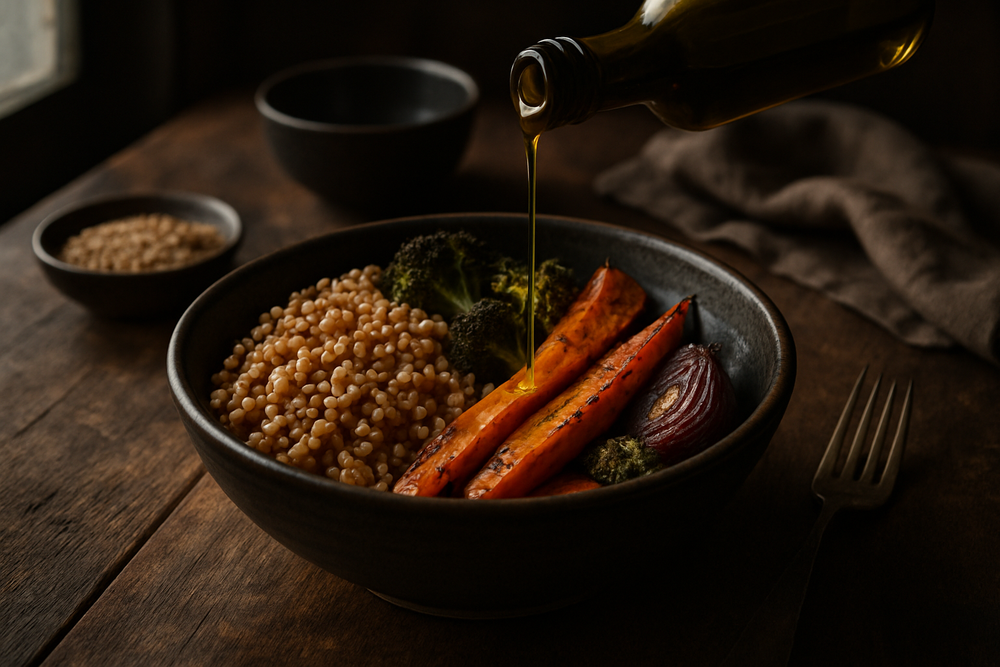
Prep Ideas
- — Durum pasta + legumes (lentils, chickpeas): Wheat is low in the amino acid lysine; legumes are rich in it. Together they form a more complete protein profile — especially relevant for plant-based eaters.
- — Durum couscous + tomatoes and olive oil: Lycopene in cooked tomatoes is fat-soluble, meaning the olive oil improves its absorption. Meanwhile, the vitamin C in tomatoes can enhance absorption of durum's plant-based (non-heme) iron.
- — Whole durum berries + fermented foods (yogurt dressing, miso): The phytic acid in whole grains can bind minerals and reduce absorption. Fermentation and acidity help break it down, potentially improving zinc and magnesium uptake from the grain.
Glossary
Shop This Ingredient
Stock your pantry with quality durum wheat.
Buy on AmazonAs an Amazon Associate, Plantopedia earns from qualifying purchases. This costs you nothing extra and helps us keep the encyclopedia free.
Frequently Asked Questions
Durum wheat (Triticum turgidum var. durum) is a distinct wheat species known for being the hardest commercially grown wheat. It has a higher protein content, firmer texture, and more golden-yellow pigment than common bread wheat (Triticum aestivum). These properties make it ideal for extruding pasta and making couscous, while bread wheat is better suited for loaves and all-purpose baking. Both contain gluten.
Whole-grain durum wheat is a nutritionally dense grain that research suggests may support heart health, blood sugar regulation, and digestive function as part of a balanced diet. It is an excellent source of plant protein, magnesium, zinc, selenium, and several B vitamins. Refined semolina made from durum is less nutrient-dense because milling removes the fiber- and mineral-rich bran and germ. Whether it is a healthy choice for you specifically depends on your overall diet, health conditions, and tolerance for gluten.
Not automatically. Most conventional dried pasta is made from refined semolina — the bran and germ have been milled out — so it is a refined grain product. For pasta to qualify as a whole grain, the label must list "whole grain durum wheat flour" or "whole wheat semolina" as the primary ingredient. Whole-grain pasta provides significantly more fiber, minerals, and phytochemicals than refined semolina pasta.
Yes, durum wheat contains gluten — in fact, it has a relatively high gluten content, which is partly why it makes such firm, resilient pasta. It is not safe for people with celiac disease or wheat allergy in any form. People with non-celiac gluten sensitivity may experience symptoms, though one clinical trial found that some individuals tolerated pasta from the traditional Senatore Cappelli durum variety better than modern wheat pasta. This finding is preliminary, and anyone managing gluten sensitivity should work with a healthcare provider rather than self-experimenting.
Compared with many refined starchy foods, durum semolina pasta tends to have a moderate glycemic index — meaning it raises blood sugar more slowly than, say, white bread. Cooking it al dente (firm) lowers the glycemic response further. Whole-grain durum pasta is even better for blood sugar management due to its higher fiber content. That said, total carbohydrate portion still matters, especially for people with diabetes or prediabetes.
A cup of uncooked durum wheat kernels (about 192 g) contains roughly 26 g of protein — more than most common grains. A standard cooked serving of pasta (85 g dry) provides approximately 10–12 g of protein. While durum wheat protein is not a complete protein on its own (it is lower in the amino acid lysine), pairing it with legumes — such as a lentil sauce or chickpeas — creates a complementary amino acid profile well suited to plant-based diets.
Quick Answers
Common questions, answered in a line.
Durum wheat is rich in selenium, magnesium, zinc, and B vitamins, particularly when consumed in its whole-grain form. These minerals support various functions, including antioxidant activity and heart health, though the highest concentrations are found in the bran and germ.
Yes, durum wheat contains significant antioxidants including carotenoids like lutein and zeaxanthin, which give the grain its yellow color. It also contains phenolic acids, such as ferulic acid, and vitamin E-related tocols that help protect cells from oxidative damage.
People with chronic kidney disease (CKD) should be cautious with durum wheat because it is high in phosphorus and potassium. A single cup contains approximately 975 mg of phosphorus and 828 mg of potassium, so portions should be discussed with a healthcare provider.
Durum wheat provides fiber through arabinoxylans and resistant starch, which act as prebiotics to feed beneficial gut bacteria. These compounds support metabolic health and help produce short-chain fatty acids in the colon during fermentation.
Semolina is milled only from the endosperm, meaning the nutrient-rich bran and germ have been removed. Whole-grain durum retains these layers, providing significantly more fiber, minerals, and health-protective phytochemicals than refined semolina.
Combining durum wheat with legumes like lentils or chickpeas creates a complete protein profile because legumes provide the amino acid lysine that wheat lacks. Pairing it with vitamin C-rich foods, such as tomatoes, can also help your body absorb the grain's iron.
For the best glycemic response, cook durum wheat pasta al dente (firm to the bite) to slow down starch digestion. Choosing whole-grain varieties over refined semolina and monitoring portion sizes are also recommended for managing blood sugar.
For Readers in the USA
Local context — sourcing, seasonality, and regional notes.
The majority of U.S. durum wheat is grown in North Dakota and Montana due to their ideal dry, sunny climates. These "Northern Plains" states account for the bulk of domestic production, ensuring a steady supply of high-protein grain for American pasta manufacturers.
You can find durum products at major U.S. retailers like Whole Foods, Kroger, and Publix, usually labeled as "semolina" or "whole wheat pasta." For specialized varieties or whole durum berries, check the bulk bins at local natural food cooperatives or online specialty grain purveyors.
Look for the "100% Whole Grain" stamp from the Whole Grains Council and the USDA Organic seal to ensure you are getting the full nutritional profile without synthetic pesticides. In the U.S., refined semolina is typically enriched with B vitamins and folic acid per FDA mandates, whereas whole-grain durum retains these nutrients naturally.
While durum is a staple of Italian-American cuisine, it is also widely used in the U.S. to make traditional North African couscous and Middle Eastern tabbouleh. In recent years, it has become a favorite in American "grain bowl" culture, substituted for brown rice or quinoa in fast-casual dining.
AI Clinical Review
- Clearly explains the difference between whole‑grain durum and refined semolina and why the bran/germ drive most of the fiber, minerals, and phytochemicals—with health effects that align with broader whole‑grain research.
- Accurately highlights durum’s comparatively high protein and notable minerals (magnesium, zinc, selenium) and B vitamins—useful for plant‑forward eaters.
- Describes plausible gut benefits via arabinoxylans and resistant starch and offers practical tips (e.g., cooking pasta al dente, pairing with legumes) that can improve meal quality and glycemic response.
- Appropriately flags gluten‑related contraindications (celiac disease, wheat allergy) and notes that tolerance in non‑celiac gluten sensitivity (NCGS) varies.
- Many cited benefits come from studies on whole‑grain wheat patterns in general rather than durum‑specific trials; extrapolation is reasonable but not definitive.
- Findings around the traditional Senatore Cappelli variety (lipids, hemorheology, and symptom relief in NCGS) are based on limited, short‑term trials and need replication.
- Antioxidant/anti‑inflammatory mechanisms (carotenoids, phenolics, tocols) are well supported in lab models, but human outcome data remain modest.
- Portions and form matter: a typical single serving of dry pasta is about 75–85 g; if you’re new to whole grains, increase gradually with adequate fluids to minimize gas/bloating.
- Diabetes or prediabetes: whole‑grain, al dente pasta can fit into a balanced plan, but total carbohydrate per meal still drives blood sugar; medication users should monitor and discuss changes with their clinician.
- IBS/FODMAP sensitivity: wheat is a common high‑FODMAP trigger—individual tolerance varies and may require trialing small amounts or alternatives.
- CKD or mineral‑restricted diets: durum is relatively high in phosphorus and potassium, and it’s a richer source of selenium—people with thyroid conditions or on thyroid medication should review overall selenium intake with a clinician.
Contains gluten; unsuitable for celiac or wheat allergy.
References
- USDA FoodData Central — durum wheat nutritional profile (fdc.nal.usda.gov)
- MyPlate grains group guidance on whole grains (myplate.gov)
- WebMD overview: health benefits of durum wheat (webmd.com)
- PMC review — potential health claims of durum and bread wheat flours as functional ingredients (pmc.ncbi.nlm.nih.gov)
- PMC review — factors affecting nutritional and health quality of durum wheat (pmc.ncbi.nlm.nih.gov)
- PMC human trial — Senatore Cappelli durum wheat pasta and cardiovascular/gastrointestinal markers (pmc.ncbi.nlm.nih.gov)
- Springer review — nutritional value and end-use quality of durum wheat (link.springer.com)
- UH Hospitals clinical nutrition database — wheat, durum (uhhospitals.org)
- FatSecret / USDA-based durum wheat nutrition facts (100 g) (foods.fatsecret.com)
- Netmeds health library — durum wheat and semolina: benefits and contraindications (netmeds.com)
Know Your Numbers
Eating healthy is a start. Now get to know your biomarkers.
Food changes bloodwork — inflammation, lipids, blood sugar and nutrient status all respond to what you eat. 59 markers from $59.
- Results in 7–10 days at 2,000+ Quest sites
- Licensed provider reviews every result
- One flat price, no membership, HSA/FSA eligible
Educational information only, not medical advice. Panels are ordered and reviewed through our licensed partner; Plantopedia may earn a commission.