Bambara Groundnut — health benefits and uses
Grown in Africa as a resilient, protein-rich food.
The Short Answer
Bambara groundnut is a nutrient-dense legume containing 24g of protein and 18mg of iron per 100g serving. It is prized for its drought resistance and provides a complete nutritional profile including magnesium, potassium, and heart-healthy unsaturated fats.
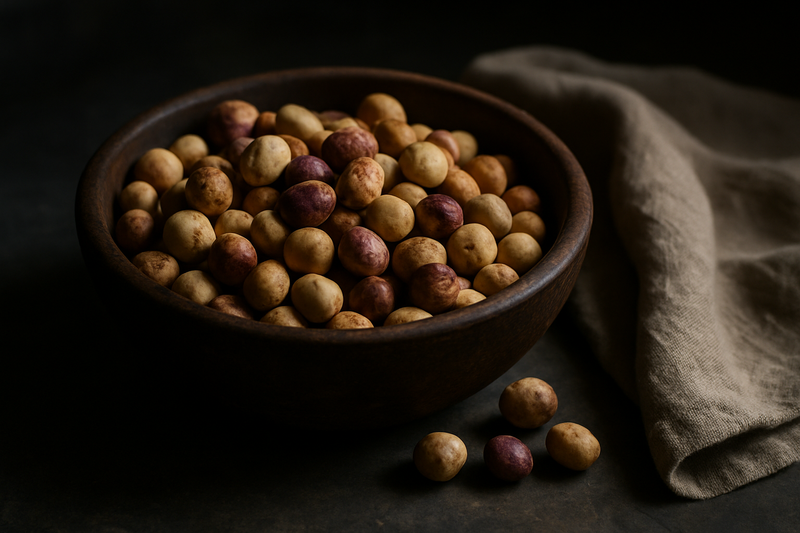
Bambara Groundnut · Photograph
Discover the Bambara groundnut health benefits backed by nutritional science: high protein, iron, magnesium, and gut-friendly fiber. Learn how to cook it like chickpeas, what the research says, and who should take care. Not medical advice.
Key Nutrients
% Daily Value based on 2,000 cal diet
Key active compounds and phytochemicals
Bambara groundnut's nutritional story goes beyond protein and minerals. Like most legumes, it contains a range of bioactive plant compounds:
- Flavonoids — Polyphenolic compounds (plant chemicals with multiple ring structures) found at roughly 4–8 mg per 100 g; may contribute to antioxidant capacity and vascular health, though Bambara-specific human data are limited.
- Phenolic compounds — A broad class of plant antioxidants that help neutralize free radicals (unstable molecules that can damage cells); well demonstrated in lab assays for Bambara groundnut.
- Tannins — Polyphenols that can bind to proteins and minerals, reducing their bioavailability (how well your body absorbs them). Present at low levels; significantly reduced by soaking, cooking, and fermentation.
- Saponins — Glycosides (sugar-linked compounds) with a foamy quality; may have cholesterol-modulating effects in experimental models but can cause bitterness and GI discomfort at high intakes.
- Alkaloids — Nitrogen-containing plant compounds present in very small amounts; considered minimal risk at normal dietary intakes when seeds are properly cooked.
- Soluble dietary fiber — The fraction of fiber that dissolves in water and forms a gel, slowing digestion and absorption; relatively high in Bambara groundnut compared with many other beans.
- Resistant starch — Starch that passes through the small intestine undigested and is fermented in the colon, feeding beneficial gut bacteria and producing short-chain fatty acids (SCFAs, byproducts of fermentation that support gut lining health).
- Unsaturated fatty acids (linoleic and oleic acids) — Heart-healthy fats; linoleic acid makes up approximately 36% and oleic acid approximately 23% of Bambara groundnut's fat fraction.
Prep and pairing ideas
Bambara groundnut slots naturally into any cooking context where you would use chickpeas or black-eyed peas. Here are three practical combinations worth trying:
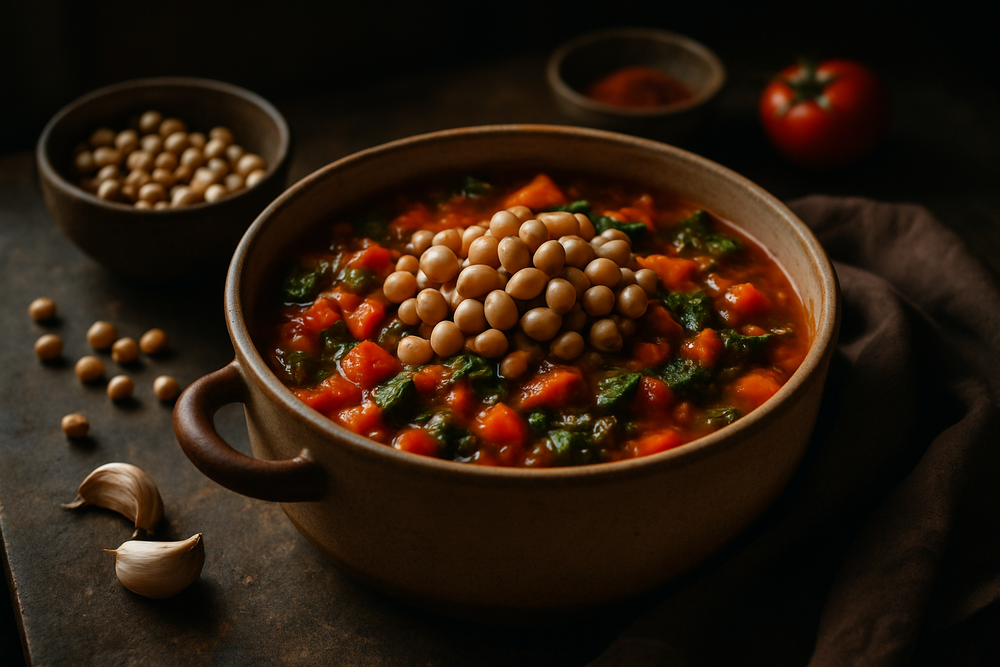
1. Bambara groundnut + tomatoes and spices (stew base) Slow-cooked with tomatoes, onion, garlic, and cumin, Bambara groundnut produces a hearty stew that suits rice or flatbread. The tomatoes also supply vitamin C, boosting iron absorption from the beans — a practical nutritional pairing.
2. Bambara groundnut flour + millet or oats (porridge or pancake batter) Blending Bambara flour with millet or oat flour adds protein to a meal that would otherwise be carbohydrate-heavy. The earthy flavor balances well with warming spices like cinnamon and ginger. This combination improves the overall amino acid profile of the dish.
3. Roasted Bambara groundnuts + lemon zest and chili (snack) Once cooked and cooled, toss with olive oil, lemon zest, smoked paprika, and a pinch of chili, then roast at 200°C (390°F) for 20–25 minutes. The result is a crisp, protein-rich snack reminiscent of roasted chickpeas or peanuts — great for portable energy.
Bottom line
Bambara groundnut is a nutritionally dense, climate-resilient legume that fits squarely into a plant-forward, whole-food dietary pattern. Its protein, iron, magnesium, fiber, and antioxidant profile are impressive by any legume standard, and it can be cooked and used exactly like chickpeas or peanuts — making it easy to adopt without new skills or equipment.
The science on Bambara-specific health outcomes is still catching up with its nutritional potential. Most claimed benefits rest on a solid nutritional foundation and a strong body of parallel legume research, but direct clinical trials are sparse. That means the evidence is promising and plausible, not yet definitive.
If you are curious about adding it to your diet, the practical advice is simple: soak overnight, cook fully, start small, and pair with vitamin C-rich foods to maximize mineral absorption. For most healthy adults, it is a safe, affordable, and genuinely useful addition to the protein and fiber toolkit.
Looking to match ingredients to your specific health goals? Explore the Plantopedia goals guide for personalized direction.
How Bambara Groundnut Compares
| Compared with | What's different |
|---|---|
| Bambara Groundnut vs. Peanut | Bambara groundnuts have significantly less fat (6g vs 49g) and a harder, bean-like texture. |
| Bambara Groundnut vs. Chickpea | Bambara groundnuts contain more iron (18mg vs 6mg) and provide a creamier, earthier profile. |
| Bambara Groundnut vs. Black-eyed Pea | Bambara groundnuts are rounder and lack the distinct black hilum (eye) of the cowpea. |
Health Benefits
Things to Know
Cook thoroughly.: Raw or undercooked Bambara groundnut contains tannins, phytic acid, protease inhibitors (compounds that block protein-digesting enzymes), and saponins at levels that can impair digestion and mineral absorption. Soaking and prolonged boiling bring these down significantly.
Introduce gradually.: Like all legumes, Bambara groundnut contains fermentable oligosaccharides (short-chain carbohydrates that feed gut bacteria), which can cause gas and bloating if you eat a large amount suddenly. Start with a few tablespoons cooked and build up over 1–2 weeks.
Legume or peanut allergy.: Bambara groundnut is botanically a legume and may share proteins with peanuts, chickpeas, and other beans. If you have a known allergy to any legume, seek medical advice before trying it.
Kidney disease.: Bambara groundnut is high in potassium (1,702 mg per 100 g dry). People with advanced chronic kidney disease or those on potassium-restricted diets should discuss serving sizes with their dietitian or doctor.
Medication interactions.: High potassium intake may interact with ACE inhibitors, ARBs (angiotensin receptor blockers), and potassium-sparing diuretics. High fiber can also affect absorption of oral medications if taken at the same meal — space medications and large legume meals where possible. If you use insulin or oral hypoglycemics, monitor blood sugar when adding significant amounts of Bambara groundnut to your diet, as it may alter glycemic responses.
IBS or fermentable fiber sensitivity.: People with irritable bowel syndrome (IBS) or small intestinal bacterial overgrowth (SIBO) may find Bambara groundnut aggravates symptoms due to its fermentable fiber and oligosaccharide content. Low-and-slow introduction plus fermented or sprouted forms may help.
Mineral absorption tip.: Pair Bambara groundnut with vitamin C-rich foods (tomatoes, lemon juice, bell peppers) to enhance non-heme iron absorption — the form of iron found in plants, which is less readily absorbed than heme iron from meat.
Pregnancy.: The nutrient density (iron, folate from general legume content, protein) makes Bambara groundnut a reasonable pregnancy food when fully cooked. As always, consult your midwife or healthcare provider about dietary changes during pregnancy.
Shop This Ingredient
Stock your pantry with quality bambara groundnut.
Buy on AmazonAs an Amazon Associate, Plantopedia earns from qualifying purchases. This costs you nothing extra and helps us keep the encyclopedia free.
Frequently Asked Questions
Human trials specifically testing Bambara groundnut are still limited. Most of what we can say about its potential health effects comes from its nutritional composition combined with the broader body of legume research. Think of the evidence here as "plausible and supported by parallel science" rather than "proven in a Bambara groundnut clinical trial." With that framing in mind, here is what the evidence suggests across key health areas. Heart and circulation Bambara groundnut delivers a combination of soluble fiber, plant protein, and unsaturated fats — a trio that, in research on other legumes, is consistently linked to improvements in LDL cholesterol (low-density lipoprotein, often called "bad" cholesterol) and overall cardiovascular risk. Its potassium content also supports healthy blood pressure in most people. The EFSA (European Food Safety Authority) reviewed Bambara groundnut as a novel food and raised no safety objections, supporting its use in a heart-healthy dietary pattern. Direct Bambara-specific cardio trials do not yet exist, so benefits for heart health are inferred rather than confirmed. Digestive health and microbiome This is where the evidence is more encouraging at the ingredient level. Bambara groundnut has a higher proportion of soluble fiber relative to many common beans, plus resistant starch. Both fractions resist digestion in the small intestine and travel to the colon, where they feed beneficial bacteria and stimulate production of short-chain fatty acids — compounds associated with a healthy gut lining and reduced inflammation. Traditional preparation methods (soaking, boiling, fermentation) further improve digestibility and reduce compounds that can cause gas. Introduced gradually and prepared properly, Bambara groundnut fits well into a gut-supporting diet. Blood sugar and metabolism The carbohydrate in Bambara groundnut comes primarily from complex starch and fiber, including slowly digestible and resistant starch fractions. These are associated with a lower glycemic response (a smaller, more gradual rise in blood sugar after eating) compared with refined grains or high-sugar foods. The protein and fiber also slow gastric emptying, which helps moderate blood glucose spikes. No Bambara-specific trials have measured fasting glucose, HbA1c (a marker of long-term blood sugar control), or insulin sensitivity, so this remains an area of interest rather than confirmed benefit. Research on other legumes in this area is robust and supportive. Inflammation and recovery Bambara groundnut's antioxidant profile — flavonoids, phenolics, tocopherol (vitamin E) — is comparable to common legumes and has been demonstrated in lab-based antioxidant assays. Antioxidants help neutralize free radicals that contribute to chronic inflammation, which underlies conditions like heart disease, type 2 diabetes, and some cancers. Evidence for Bambara groundnut specifically is mechanistic and in vitro (meaning it comes from lab studies, not from people), so anti-inflammatory claims should be considered preliminary and exploratory at this stage.
Plant-based eaters looking to diversify their protein Bambara groundnut offers a complete-ish amino acid profile (the building blocks of protein) that complements grains well. Its iron and zinc content make it particularly valuable for people avoiding animal-source foods, where these minerals are often more concentrated. The earthy flavor adds variety to meals that might otherwise rotate through the same few legumes. People watching blood sugar or trying to eat more fiber Its resistant starch and soluble fiber slow digestion and support steadier energy levels after meals. It works as a direct swap for chickpeas or black-eyed peas in curries, salads, and grain bowls — meals already considered blood-sugar-friendly. Starting with smaller portions (½ cup cooked) limits any GI adjustment period while still contributing meaningful fiber.
Whole dry seeds (soaked and boiled) are the most common form and the one with the most complete fiber and nutrient profile. Soak overnight, drain, then simmer for 45–90 minutes until tender. Use them exactly as you would chickpeas — in stews, soups, salads, or roasted as a snack after cooking. Roasted seeds offer a convenient snack option similar to roasted peanuts. Roasting reduces some anti-nutrient content and moisture. Always start from fully cooked or properly prepared seeds before roasting to ensure safety. Bambara groundnut flour is ground from cooked or roasted seeds and used in traditional African dishes such as okpa (a steamed legume pudding popular in Nigeria) as well as porridges and composite baked goods. Flour made from adequately processed seeds retains most protein and mineral content. Fermented or sprouted preparations go a step further in reducing tannins and phytic acid (an anti-nutrient that binds to minerals and reduces their absorption), improving protein digestibility, and modifying flavor. These forms may suit individuals with sensitive digestion who struggle with plain boiled beans. Composite dishes pairing Bambara groundnut with cereals like millet, sorghum, or rice improve overall protein quality by complementing amino acid profiles — a classic food-combining principle that holds up in legume nutrition research.
There is no standardized clinical dose for Bambara groundnut because it has not yet been the subject of dose-response trials. What we do have is traditional culinary practice and general legume guidance to draw from. Practical starting range: ½ cup cooked seeds (approximately 40–50 g dry weight) as part of a meal is a reasonable starting point for most adults. This delivers roughly 10–12 g protein and meaningful fiber in a portion size familiar to anyone who eats chickpeas. For digestive tolerance: If you are new to Bambara groundnut or legumes in general, start with 2–3 tablespoons cooked and add more each week as your gut bacteria adjust. Most people find they tolerate standard legume portions (½ to 1 cup cooked) comfortably within 3–4 weeks of regular eating. Upper practical limit: General dietary guidance from organizations like Harvard's T.H. Chan School of Public Health suggests that legumes are beneficial as a daily food and that most adults can work up to 1 to 1.5 cups cooked per day as part of a varied diet. For Bambara groundnut specifically, there is no established upper limit from clinical research. Kidney disease exception: If you have chronic kidney disease, work with your renal dietitian to determine an appropriate portion given the high potassium and phosphorus content.
Quick Answers
Common questions, answered in a line.
You can use Bambara groundnuts in any recipe that calls for chickpeas or black-eyed peas, such as stews, porridges, or roasted snacks. They are commonly slow-cooked with tomatoes and spices, blended into flour for pancakes, or roasted with chili and lemon as a protein-rich snack.
Bambara groundnut contains high levels of soluble dietary fiber and resistant starch that support digestive health. The resistant starch passes undigested to the colon, where it feeds beneficial gut bacteria and produces short-chain fatty acids that support the gut lining.
Bambara groundnut may support heart health because it contains unsaturated fatty acids like linoleic and oleic acids, along with cholesterol-modulating saponins. Its high fiber content also helps slow the absorption of nutrients, which is generally beneficial for cardiovascular wellness.
It is best to pair Bambara groundnut with vitamin C-rich foods like tomatoes, lemon juice, or bell peppers to maximize iron absorption. Because the iron in these beans is non-heme (plant-based), vitamin C is necessary to help the body absorb it more efficiently.
Raw or undercooked Bambara groundnuts contain tannins, phytic acid, and saponins that can cause GI discomfort and block nutrient absorption. To make them safe, you must soak the seeds overnight and boil them thoroughly to significantly reduce these anti-nutrients.
People with advanced chronic kidney disease or those taking medications like ACE inhibitors or potassium-sparing diuretics should be cautious due to the bean's high potassium content. Additionally, those with peanut allergies or IBS should consult a doctor before consumption.
Bambara groundnut contains several antioxidant compounds, including flavonoids and phenolic compounds, which help neutralize cell-damaging free radicals. While human-specific data is limited, lab assays demonstrate that these phytochemicals contribute to its antioxidant capacity.
For Readers in the USA
Local context — sourcing, seasonality, and regional notes.
In the United States, you can typically find Bambara groundnuts at African specialty grocers, international food markets, and through online retailers specializing in heirloom grains. While major chains like Walmart or Kroger rarely stock them, they are increasingly available through digital marketplaces that focus on sustainable and climate-resilient foods.
While not yet a mainstream US crop, the Bambara groundnut is being trialed by researchers in southern states like Florida and Arizona due to its extreme drought tolerance. It thrives in sandy soils and high heat, making it a potential alternative crop for American farmers facing water scarcity in USDA Hardiness Zones 9 through 11.
The USDA classifies Bambara groundnuts as a legume, and any imported or domestic products labeled as 'Organic' must meet strict USDA National Organic Program (NOP) standards. When buying imported Bambara groundnut flour or dried beans, look for the USDA Organic seal to ensure the product was produced without prohibited synthetic fertilizers or pesticides.
In the US, Bambara groundnut is sometimes referred to as the 'earth pea,' 'hog-peanut' (though distinct from the native American hog-peanut), or 'jugo bean' in international markets. It is culturally celebrated in African-American culinary circles as a 'lost crop' with ancestral ties to West African foodways, similar to the black-eyed pea.
AI Clinical Review
- Strong, accurate emphasis on Bambara groundnut’s nutrient density (notably protein, fiber, iron, magnesium, and potassium) and how it compares to familiar legumes like chickpeas.
- Clear, practical preparation advice—soaking and thorough cooking—to lower “anti‑nutrients” (natural compounds that can block mineral and protein absorption) and improve digestibility.
- Sensible framing of potential benefits for heart, gut, and blood sugar based on broader legume research, without overpromising Bambara‑specific outcomes.
- Useful culinary guidance and pairing tips (for example, combining with vitamin C–rich foods to boost non‑heme iron absorption) that readers can apply immediately.
- Human clinical trials specifically using Bambara groundnut are sparse; most health claims are extrapolated from studies on other legumes, so effect sizes and ideal intakes remain uncertain.
- Antioxidant/anti‑inflammatory findings are largely from lab or animal models; translation to meaningful outcomes in people (e.g., cholesterol or HbA1c changes) has not been firmly shown.
- Nutrient values can vary by landrace (variety), growing conditions, and processing; cooked portions will deliver less per 100 g than dry‑weight tables imply.
- Dose: a practical start is 1/2 cup cooked (about 40–50 g dry), building toward 1–1.5 cups cooked per day as tolerated; there is no established “clinical dose.”
- Safety: always cook thoroughly; avoid raw or undercooked seeds. Soaking, pressure‑cooking, fermentation, or sprouting can reduce gas‑producing carbs and anti‑nutrients.
- Who should be cautious: individuals with legume or peanut allergies; those with chronic kidney disease or on potassium‑restricted diets (Bambara is potassium‑rich); and people taking ACE inhibitors/ARBs, potassium‑sparing diuretics, or diabetes medications.
- GI sensitivities: if you have IBS/SIBO, introduce slowly and consider fermented/sprouted forms; high fiber can affect medication absorption if taken together—separate timing when possible.
Fully cook before eating to reduce anti-nutrients.
References
- USDA FoodData Central — reference database for nutritional composition values (fdc.nal.usda.gov)
- Harvard T.H. Chan School of Public Health, The Nutrition Source: Legumes and Pulses — evidence overview for legume health benefits (nutritionsource.hsph.harvard.edu)
- PMC review: Bambara Groundnut as an underutilized legume for food and nutrition security in Sub-Saharan Africa (pmc.ncbi.nlm.nih.gov)
- UK Advisory Committee on Novel Foods and Processes (ACNFP) committee paper on Bambara Groundnut — safety and regulatory review (acnfp.food.gov.uk)
- PMC: Nutritive Evaluation of the Bambara Groundnut Ci12 Landrace (Vigna subterranea) — compositional analysis (pmc.ncbi.nlm.nih.gov)
- Wiley Online Library: Nutritional and Phytochemical Composition of Bambara Groundnut — review of bioactive compounds (onlinelibrary.wiley.com)
- PMC: Bioactive Components in Bambara Groundnut and Their Potential Health Benefits — phytochemical review (pmc.ncbi.nlm.nih.gov)
- Frontiers in Sustainable Food Systems: Examining Bambara Groundnut's Contribution to Protein Intake in Sub-Saharan Africa — food security modeling (frontiersin.org)
- PMC: Physicochemical Profiling of Bambara Groundnut (Vigna subterranea) — compositional and processing analysis (pmc.ncbi.nlm.nih.gov)
- Colorado State University Pressbooks: Bambara Groundnut — Understudied Indigenous Crops educational overview (colostate.pressbooks.pub)
Know Your Numbers
Eating healthy is a start. Now get to know your biomarkers.
Food changes bloodwork — inflammation, lipids, blood sugar and nutrient status all respond to what you eat. 59 markers from $59.
- Results in 7–10 days at 2,000+ Quest sites
- Licensed provider reviews every result
- One flat price, no membership, HSA/FSA eligible
Educational information only, not medical advice. Panels are ordered and reviewed through our licensed partner; Plantopedia may earn a commission.