Farina — health benefits and uses
A gentle, warming morning food long given to children and convalescents.
The Short Answer
Farina is a creamy, hot cereal made from milled wheat that provides 13 mg of iron and 4 grams of protein per 120-calorie serving. It is most commonly served as a breakfast porridge and is frequently enriched with B vitamins and folate.
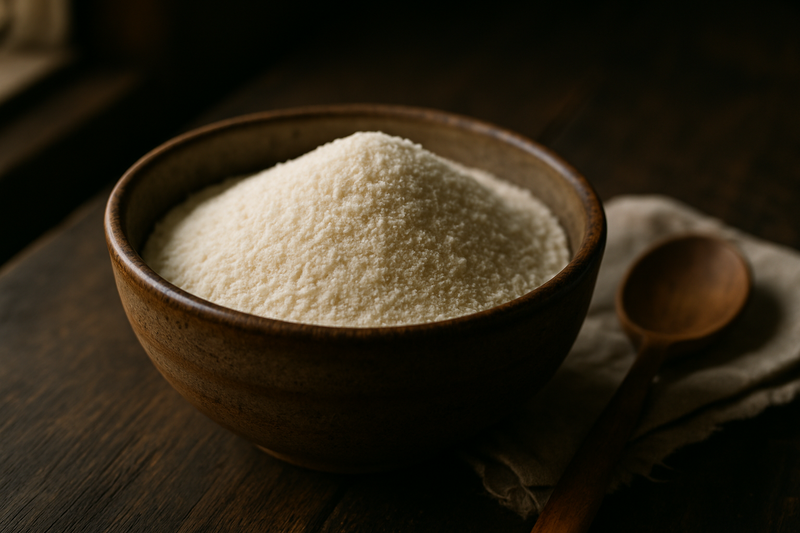
Farina · Photograph
Discover farina health benefits and nutrition facts, including iron content, whole grain vs refined differences, blood sugar tips, and how this classic hot wheat cereal fits a plant-based breakfast routine.
Key Nutrients
% Daily Value based on 2,000 cal diet
Key active compounds
- Ferulic acid and other phenolic acids — antioxidant compounds concentrated in the bran and aleurone (the protein-rich layer just inside the bran) of whole-grain wheat; research on aleurone-rich wheat diets shows improvements in oxidative stress markers
- Dietary fiber (arabinoxylans and cellulose) — found mainly in the bran; supports gut health, stool regularity, and a more moderate blood sugar response
- Lutein and zeaxanthin — carotenoid pigments (plant-based color compounds) naturally present in wheat that may help support eye health
- B vitamins (thiamin, niacin, B6, folate) — present naturally in whole-grain wheat and added back via enrichment in refined versions; support energy metabolism and cell function
- Iron — added through enrichment in refined farina; essential for red blood cell production and oxygen transport
Buying guide: how to choose farina at the store
Reading the label on farina takes less than 30 seconds once you know what to look for.
- Whole grain first ingredient: The ingredients list should begin with "whole wheat" or "whole grain wheat." If it just says "wheat farina," "enriched wheat flour," or "semolina," it is a refined product.
- Fiber content: Aim for at least 3 g of dietary fiber per serving. Refined farina typically has 0.5–2 g; a true whole-grain version should have more.
- Added sugars: Plain farina should have 0 g added sugars. Flavored packets can have 8–15 g — consider flavoring your own bowl with cinnamon, fresh fruit, or a small drizzle of maple syrup so you control the amount.
- Sodium: Plain farina is typically very low in sodium (under 10 mg per serving). Instant varieties may include salt in the mix.
- Iron percentage: Look for products with at least 20–50% DV per serving if you are using farina as an iron source. Many enriched farinase exceed 50–100% DV.
Prep and pairing ideas
Farina is one of the simplest cereals to prepare: stir dry farina into boiling water or plant-based milk over medium heat, whisk for 2–3 minutes (or longer for whole-grain versions), and you have a creamy base ready to customize.
Three practical pairings:
- Farina + almond butter + banana slices — Almond butter adds protein and healthy fat, which slows digestion and smooths out the blood sugar response. Banana contributes potassium and natural sweetness without added sugar. This is one of the best ways to make farina genuinely filling and more balanced.
- Farina + ground flaxseed + mixed berries — One tablespoon of ground flaxseed adds about 2 g of fiber and a good dose of ALA omega-3 fatty acids. Berries stack on additional fiber, vitamin C (which also enhances iron absorption from the farina), and polyphenols (plant compounds with antioxidant and anti-inflammatory properties). Vitamin C alongside iron is a clinically useful combination — it converts iron from plant sources into a more absorbable form.
- Farina + pumpkin purée + cinnamon — Pumpkin purée is low in calories, high in beta-carotene (a precursor to vitamin A), and adds a fiber boost and creamy texture. Cinnamon may have modest blood-sugar-moderating effects and makes even plain, unsweetened farina taste indulgent. This pairing is especially good in fall and winter.
Basic cooking note: Use a 4:1 ratio of liquid to dry farina for a creamy porridge. For whole-grain farina, use boiling liquid and stir frequently. Cook 5–7 minutes instead of the 1–2 minutes for instant varieties.
Bottom line
Farina is a versatile, quick-cooking hot wheat cereal with a meaningful nutritional story — though that story differs sharply depending on which version lands in your bowl. Refined enriched farina earns its place as an exceptionally iron-rich breakfast option that is easy to digest and genuinely comforting. Whole-grain farina goes further: it brings fiber, phytochemicals, and the cardiometabolic advantages that decades of whole-grain research have established.
For most people eating a varied plant-based diet, farina fits well as one component of a grain-diverse breakfast rotation. Choose whole-grain when you can, read the label for added sugars in flavored versions, pair it with protein and fiber-rich toppings, and if you are managing blood sugar or take certain medications, be intentional about timing and portion size.
Farina will not single-handedly transform your health — but as part of a thoughtful, plant-centered plate, it earns a comfortable spot at the breakfast table.
Looking to build a complete plant-based breakfast strategy? Explore Plantopedia's health goals hub for evidence-based guidance.
How Farina Compares
| Compared with | What's different |
|---|---|
| Farina vs. Grits | Farina is a finer wheat cereal, while grits are made from ground corn and have a coarser, grit-like texture. |
| Farina vs. Oatmeal | Farina is made from wheat and has a smooth texture; oatmeal is made from oats and is higher in fiber. |
| Farina vs. Semolina | Farina is the cereal form of semolina; semolina is usually coarser and used primarily for pasta and couscous. |
Health Benefits
Things to Know
Gluten alert: Farina is a wheat product and contains gluten. It is completely off-limits for anyone with celiac disease (an autoimmune condition triggered by gluten that damages the small intestine) or a medically confirmed wheat allergy. People with non-celiac gluten sensitivity should also avoid it.
Blood sugar management: Refined farina has a relatively high glycemic impact. People with type 2 diabetes, prediabetes, or insulin resistance should choose whole-grain farina and pair it with protein, fat, and fiber at the same meal to blunt the blood sugar response.
Iron overload: Enriched farina provides a large proportion of daily iron in one bowl. People with hemochromatosis (a genetic condition causing excess iron absorption) or those on high-dose iron supplements should be cautious about consuming large servings regularly.
Medication timing: Iron-rich foods can interfere with absorption of certain medications, including levothyroxine (thyroid hormone) and some antibiotics (fluoroquinolones). If you take these medications, space them at least 1–2 hours away from farina or any iron-rich meal.
High-fiber versions and GI sensitivity: Whole-grain farina increases fiber intake, which is beneficial for most people but can cause gas, bloating, or loose stools if increased too quickly. Start with smaller portions and increase gradually.
Pregnancy: Enriched farina is a source of folate, which is important during early pregnancy for neural tube development. However, always consult your midwife or doctor for specific dietary guidance during pregnancy.
Children and infants: Introduction of gluten-containing cereals in infants should follow current pediatric guidance, particularly in families with a history of celiac disease or wheat allergy.
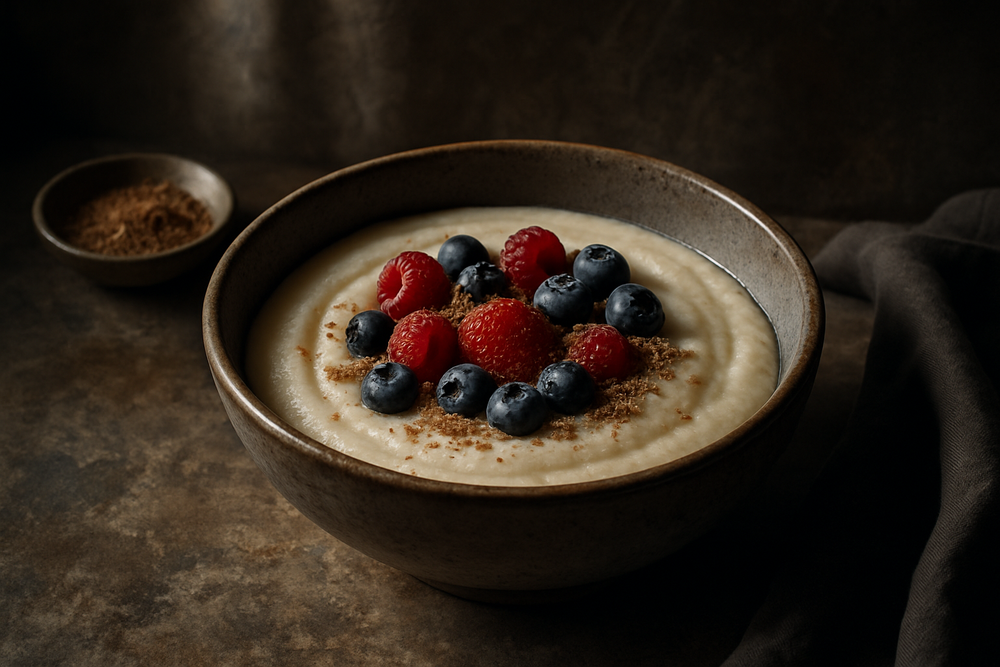
Prep Ideas
- — **Farina + almond butter + banana slices** — Almond butter adds protein and healthy fat, which slows digestion and smooths out the blood sugar response. Banana contributes potassium and natural sweetness without added sugar. This is one of the best ways to make farina genuinely filling and more balanced.
- — **Farina + ground flaxseed + mixed berries** — One tablespoon of ground flaxseed adds about 2 g of fiber and a good dose of ALA omega-3 fatty acids. Berries stack on additional fiber, vitamin C (which also enhances iron absorption from the farina), and polyphenols (plant compounds with antioxidant and anti-inflammatory properties). Vitamin C alongside iron is a clinically useful combination — it converts iron from plant sources into a more absorbable form.
- — **Farina + pumpkin purée + cinnamon** — Pumpkin purée is low in calories, high in beta-carotene (a precursor to vitamin A), and adds a fiber boost and creamy texture. Cinnamon may have modest blood-sugar-moderating effects and makes even plain, unsweetened farina taste indulgent. This pairing is especially good in fall and winter.
Glossary
Shop This Ingredient
Stock your pantry with quality farina.
Buy on AmazonAs an Amazon Associate, Plantopedia earns from qualifying purchases. This costs you nothing extra and helps us keep the encyclopedia free.
Frequently Asked Questions
Heart and circulation The heart health story for farina is really a whole-grain wheat story. Large prospective cohort studies — studies that follow people over years — consistently find that higher whole-grain intake is associated with a 16–30% lower risk of cardiovascular disease events and cardiovascular mortality compared with the lowest intakes. A randomized controlled trial (a study where participants are randomly assigned to different diets) in adults at risk for metabolic syndrome found that a whole-grain-rich diet, including whole-grain wheat products, reduced body weight and markers of low-grade systemic inflammation such as CRP (C-reactive protein, a blood marker of inflammation) and IL-6 compared with a refined-grain diet. Refined farina, being low in fiber and phytochemicals, does not carry these same cardioprotective advantages. If heart health is a priority, choosing whole-grain farina and pairing it with other whole grains throughout the day is the more evidence-aligned approach. Digestive health and microbiome Dietary fiber is the engine behind farina's gut health potential — and refined farina has very little of it. Whole-grain farina, which retains its bran, provides meaningfully more. Research on wheat bran specifically finds it can help prevent constipation, support healthy bowel transit time, and may reduce risk of diverticular disease (small pouches that can form in the colon wall). Fiber also feeds beneficial gut bacteria, supporting a healthy microbiome (the community of microorganisms living in your gut). If you currently eat refined farina and want more digestive benefit, switching to a whole-grain version or adding fiber-rich toppings such as ground flaxseed, chia seeds, or fresh berries is a practical first step. Blood sugar and metabolism Refined farina is a low-fiber, high-carbohydrate cereal, which means it can raise blood sugar relatively quickly — especially eaten plain. Whole grains, including whole-grain wheat, tend to produce a lower glycemic response (the speed and height of a blood sugar rise after eating) because fiber and intact grain structures slow digestion. Prospective data from population studies show that higher whole-grain intake is associated with reduced incidence of type 2 diabetes. For people managing blood sugar, even switching to whole-grain farina is not the complete answer on its own. Pairing any farina — refined or whole-grain — with protein (nut butter, hemp seeds), healthy fat (walnuts, a drizzle of almond butter), and fruit can help moderate the blood sugar response at that meal. Inflammation and recovery Whole-grain wheat diets have shown modest but consistent improvements in inflammatory markers. In adults at risk of metabolic syndrome, whole grains significantly reduced CRP and IL-6 compared with refined grains. Trials of wheat aleurone-rich diets and whole purple wheat products in adults with elevated inflammatory markers have reported improvements in oxidative stress profiles — meaning the body's antioxidant defenses were better supported. These findings apply to whole-grain wheat products rather than refined farina. Whole-grain farina, as part of a diet rich in plants and other whole grains, may contribute to these anti-inflammatory effects over time. Iron and nutrient support This is where standard enriched farina — even the refined kind — genuinely stands out. A single cooked cup can provide 72% or more of the Daily Value for iron, depending on the brand. Iron is essential for making hemoglobin (the protein in red blood cells that carries oxygen) and for energy production at the cellular level. For people at risk of iron-deficiency anemia — including menstruating individuals, vegans, vegetarians, and those with poor dietary iron intake — enriched farina is a notable and accessible source. Enriched farina also contributes calcium, folate, thiamin, niacin, and B6. Some brands add vitamin D as well. These together support bone health, cell division, and energy metabolism.
Choosing the right farina comes down to one core question: refined or whole grain? Refined enriched farina (e.g., classic Cream of Wheat) cooks in 1–2.5 minutes, has the smoothest texture, and delivers excellent iron and B vitamin fortification. It is a practical iron source, especially for people who struggle with other iron-rich foods. Its downside is low fiber and a faster blood sugar impact. Whole-grain farina takes a few minutes longer to cook, has a slightly nuttier texture, and provides higher fiber and naturally occurring phytochemicals. This is the version that qualifies as a whole grain and fits WFPB (whole-food, plant-based) eating patterns. Instant or flavored farina packets are convenient but often contain added sugars and sodium. The nutrition profile varies widely. Check labels carefully and compare the added sugar content — some flavored packets contain as much as 12–15 g of added sugar. Farina blended with oats or other grains can improve overall fiber content and nutrient diversity compared with wheat-only refined farina.
Most people use ¼ to ½ cup dry farina per meal, which yields approximately 1–2 cups cooked. One cup cooked (roughly 240 g) is a sensible standard serving for most adults. Large-scale dietary studies that show cardiometabolic benefits from whole grains generally involve at least 3 servings of whole-grain products per day (roughly 48 g or more of whole grains total). A bowl of whole-grain farina can count as one of those servings, meaning it contributes meaningfully to your daily whole-grain target when paired with other whole-grain choices at other meals. Practical starting guidance: If you are new to whole-grain farina or increasing your fiber intake, start with ¼ cup dry (about 1 cup cooked) and assess how your digestion responds before increasing portions. There is no established upper limit for farina from a food safety standpoint, but relying heavily on any single refined grain source is not advisable. Aim for variety across your grain choices throughout the day. If you eat farina for its iron content, note that the enrichment levels vary significantly by brand. Check the label's % Daily Value for iron on the specific product you buy.
Quick Answers
Common questions, answered in a line.
Whole-grain farina contains ferulic acid and other phenolic acids, which act as antioxidants concentrated in the grain's bran and aleurone layers. Research suggests that diets rich in wheat aleurone can lead to measurable improvements in oxidative stress markers.
Farina is a wheat product and naturally contains gluten, making it unsafe for individuals with celiac disease, wheat allergies, or non-celiac gluten sensitivity. For those with celiac disease, gluten triggers an autoimmune response that damages the small intestine.
Enriched refined farina is an excellent source of iron, often providing 20% to over 100% of the Daily Value per serving. This makes it a highly effective food for supporting red blood cell production and oxygen transport, especially in plant-based diets.
You can lower the glycemic impact of farina by choosing whole-grain versions and pairing them with protein, healthy fats, and extra fiber. Adding ingredients like almond butter or ground flaxseed slows down digestion, resulting in a more moderate blood sugar response.
To find whole-grain farina, check that the first ingredient is "whole wheat" or "whole grain wheat" and ensure it contains at least 3 grams of fiber per serving. If the label lists "wheat farina" or "enriched wheat flour," it is a refined product rather than a whole-grain one.
Pairing farina with vitamin C-rich foods, such as mixed berries, helps convert the plant-based iron in the cereal into a form that is more easily absorbed by the body. This combination is a clinically useful way to maximize the nutritional value of your breakfast.
The iron in enriched farina can interfere with the absorption of medications like levothyroxine (thyroid hormone) and certain antibiotics like fluoroquinolones. It is recommended to space these medications at least 1–2 hours apart from iron-rich meals.
For Readers in the USA
Local context — sourcing, seasonality, and regional notes.
You can find farina in the hot cereal aisle of most major U.S. supermarkets like Walmart, Kroger, and Safeway, often sold under brand names like Cream of Wheat or Malt-O-Meal. Specialty stores like Whole Foods typically carry organic or whole-grain versions in the bulk section.
While farina is available year-round across the U.S., it is most culturally popular as a warm breakfast staple during the fall and winter months in colder regions like the Midwest and Northeast. Many American families associate it with "comfort food" seasonality.
In the United States, "farina" usually refers to a specific type of milled wheat cereal, whereas "semolina" is the term more commonly used in American kitchens for coarser wheat middlings used in pasta or puddings. While they are similar, farina is marketed primarily as a breakfast porridge.
The USDA requires that products labeled as "Enriched Farina" must contain specific levels of thiamin, riboflavin, niacin, and iron to replace nutrients lost during the milling process. Many U.S. brands also voluntarily add folic acid to meet FDA fortification standards.
AI Clinical Review
- Clearly distinguishes refined vs whole‑grain farina and why that matters for fiber, phytochemicals, and glycemic impact.
- Accurately highlights enriched farina as an unusually high, convenient source of non‑heme iron, and suggests vitamin C–rich add‑ins to aid absorption.
- Aligns with the broader evidence that higher whole‑grain intake is associated with better cardiometabolic outcomes over time.
- Appropriately flags gluten concerns for celiac disease and wheat allergy, and notes practical pairing strategies to blunt blood sugar spikes.
- Most cardiometabolic and anti‑inflammatory benefits come from whole‑grain dietary patterns and whole‑wheat studies; direct trials on “whole‑grain farina” specifically are limited.
- Iron’s real‑world benefit varies by the iron compound used in fortification and meal context; phytates in whole grains, coffee/tea, and calcium can reduce absorption, while vitamin C enhances it.
- The contribution of wheat‑derived lutein/zeaxanthin to eye health from typical farina portions is likely small; clinical relevance at common intakes is uncertain.
- Glycemic responses to farina can vary by grind, cooking method, and what it’s eaten with; people with diabetes may see different post‑meal glucose patterns.
- Form and portions: If tolerated, choose whole‑grain versions more often; 1 cup cooked is a sensible serving for most adults. Increase fiber gradually to avoid GI discomfort.
- Gluten safety: Farina contains gluten—avoid with celiac disease or confirmed wheat allergy; those with non‑celiac gluten sensitivity may also need to avoid.
- Iron considerations: If you have hemochromatosis or take iron supplements, be cautious with frequent large servings. If using farina for iron, take it away from levothyroxine or certain antibiotics (e.g., tetracyclines, fluoroquinolones) and limit coffee/tea with the meal; vitamin C can help absorption. Calcium in the meal (or calcium‑fortified products) may blunt iron uptake.
- Blood sugar and labels: Refined farina is higher‑GI; pair with protein/fat and consider whole‑grain options. Instant/flavored packets often add sugars and sometimes sodium—review labels if you manage diabetes or hypertension.
Contains gluten; standard farina is refined, so seek whole-grain versions.
References
- USDA FoodData Central — farina (enriched, cooked with water) nutrient data (fdc.nal.usda.gov)
- MyPlate.gov — USDA guidance on whole grains and daily grain servings (myplate.gov)
- Randomized cross-over trial: whole-grain-rich diet reduces body weight and systemic low-grade inflammation vs refined-grain diet — Gut, 2019 (gut.bmj.com)
- Swedish risk-benefit assessment of whole-grain intake in adults — meta-analyses of prospective cohort studies linking whole grains to cardiovascular and diabetes outcomes (livsmedelsverket.se)
- Heart Foundation New Zealand — evidence paper on whole grains and cardiovascular risk (heartfoundation.org.nz)
- Wheat bran composition and health benefits review — International Journal of Food Sciences and Nutrition, 2012 (tandfonline.com)
- Wheat aleurone-rich diet and oxidative stress in overweight/obese individuals — Nutrition, Metabolism and Cardiovascular Diseases, 2021 (sciencedirect.com)
- Consumption of whole purple and regular wheat and metabolic markers in adults with elevated hs-CRP — PubMed, 2024 (pubmed.ncbi.nlm.nih.gov)
- University of Rochester Health Encyclopedia — cereals, farina, enriched, cooked with water (urmc.rochester.edu)
- VeryWell Health — farina vs oatmeal nutritional comparison (verywellhealth.com)
Know Your Numbers
Eating healthy is a start. Now get to know your biomarkers.
Food changes bloodwork — inflammation, lipids, blood sugar and nutrient status all respond to what you eat. 59 markers from $59.
- Results in 7–10 days at 2,000+ Quest sites
- Licensed provider reviews every result
- One flat price, no membership, HSA/FSA eligible
Educational information only, not medical advice. Panels are ordered and reviewed through our licensed partner; Plantopedia may earn a commission.