Tamari — health benefits and uses
Fermentation and gut-culture angle; explain live-culture, sodium, and heat-treatment differences
The Short Answer
Tamari is a dark, fermented Japanese soy sauce made primarily from soybeans, offering a rich umami flavor and a naturally gluten-free profile. It contains 1,006 mg of sodium and 1.9 grams of protein per tablespoon, making it a concentrated seasoning best used
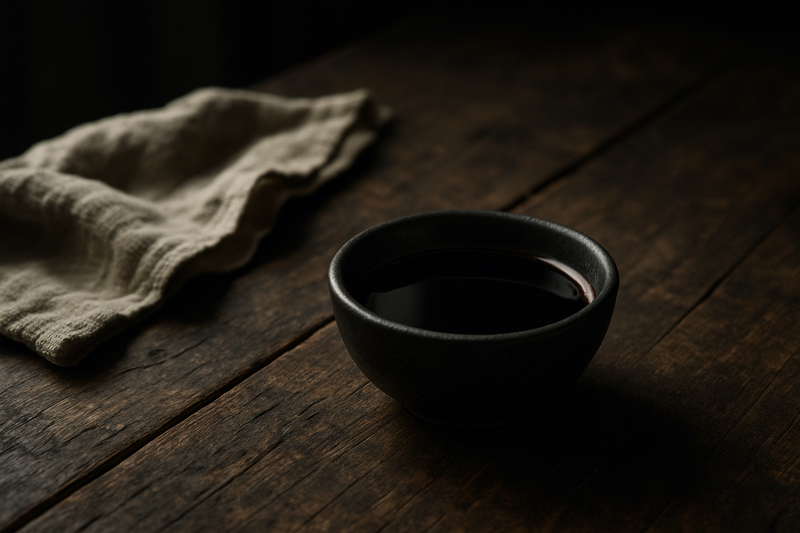
Tamari · Photograph
Tamari (Glycine max fermentation product) is a traditional Japanese soy sauce that's become popular as a gluten-free alternative to regular soy sauce. This dark, umami-rich condiment is made by fermenting soybeans with salt and a starter culture called koji, creating a complex flavor profile that enhances plant-based dishes.
Key Nutrients
% Daily Value based on 2,000 cal diet
Key active compounds in tamari
The fermentation process creates several bioactive compounds that contribute to tamari's unique properties:
- Fermentation-derived amino acids - Including glutamate, which provides the characteristic umami flavor
- Bioactive peptides - Small protein fragments created when enzymes break down soy proteins during fermentation
- Soy isoflavones - Phytoestrogens like genistein and daidzein, though in smaller amounts than whole soy foods
- Melanoidins - Brown compounds formed during fermentation that contribute to color and may have antioxidant properties
- Organic acids - Including lactic acid from the fermentation process
Buying guide: How to choose quality tamari
Fresh vs. aged: Look for tamari that's been aged at least 6 months to 2 years for optimal flavor development. Longer aging typically means more complex taste.
Label reading tips:
- Check for "gluten-free" certification if needed
- Compare sodium content between brands (ranges from 700-1000mg per tablespoon)
- Avoid products with artificial preservatives or corn syrup
- Look for simple ingredient lists: soybeans, water, salt, koji
Packaging considerations: Glass bottles preserve flavor better than plastic and allow you to see the dark, rich color that indicates proper fermentation.
Prep and pairing ideas
Tamari works best when used to enhance rather than overpower other flavors. A little goes a long way due to its concentrated umami taste.
In marinades: Combine 1-2 teaspoons with rice vinegar, ginger, and sesame oil for vegetables or tofu As a finishing sauce: Drizzle lightly over steamed vegetables, brown rice, or quinoa bowls In stir-fries: Add 1 tablespoon near the end of cooking to preserve flavor complexity For dipping: Mix with rice vinegar and a touch of sesame oil for a simple dipping sauce In salad dressings: Use small amounts to add depth to vinaigrettes
Common pairings that work well
Ginger and garlic: These aromatics complement tamari's umami richness while adding digestive benefits and anti-inflammatory compounds.
Sesame oil and rice vinegar: This classic combination balances tamari's saltiness with healthy fats and acidity, perfect for Asian-inspired dishes.
Mushrooms and green vegetables: Tamari enhances the natural glutamate in mushrooms while making bitter greens like kale or broccoli more palatable and enjoyable.
Bottom line
Tamari can be a valuable addition to a healthy plant-based diet when used mindfully. Its rich umami flavor helps make nutritious foods more appealing, potentially supporting better adherence to healthful eating patterns. However, the high sodium content means portion control is essential, especially for people with blood pressure concerns.
While tamari is fermented, most commercial versions don't provide probiotic benefits due to pasteurization. Focus on its role as a flavor enhancer rather than expecting direct health benefits. Choose certified gluten-free versions if needed, and consider reduced-sodium options for better sodium management.
Try our meal planner to discover creative ways to incorporate tamari into balanced, plant-forward meals while managing sodium intake.
How Tamari Compares
| Compared with | What's different |
|---|---|
| Tamari vs. Soy Sauce (Shoyu) | Contains wheat and has a thinner, saltier, and more alcoholic flavor profile. |
| Tamari vs. Liquid Aminos | Higher in sugar and lower in sodium, with a sweeter, less intense umami taste. |
| Tamari vs. Coconut Aminos | Soy-free alternative made from coconut sap; contains about 70% less sodium. |
Health Benefits
Things to Know
High sodium content: - One tablespoon provides about 40% of daily sodium recommendations
Soy allergy: - Tamari is made from soybeans and is unsuitable for people with soy allergies
Blood pressure considerations: - Those with hypertension should use sparingly and consider reduced-sodium versions
Medication interactions: - High sodium can interfere with blood pressure medications and diuretics
Pregnancy and nursing: - Generally safe in normal culinary amounts, but sodium intake should be monitored
Kidney disease: - People with kidney problems may need to limit sodium intake significantly
Gluten sensitivity: - Choose certified gluten-free brands to avoid cross-contamination

Shop This Ingredient
Stock your pantry with quality tamari.
Buy on AmazonAs an Amazon Associate, Plantopedia earns from qualifying purchases. This costs you nothing extra and helps us keep the encyclopedia free.
Frequently Asked Questions
Heart and circulation Tamari's primary cardiovascular consideration is its high sodium content, which can raise blood pressure when consumed in large amounts. However, when used sparingly to enhance plant-based meals, it may indirectly support heart health by improving diet quality and reducing reliance on processed foods with less favorable nutrient profiles. Research on fermented soy products suggests they may have modest benefits for cholesterol levels, though these studies typically involve larger amounts of soy than what's consumed through condiments like tamari. Digestive health and microbiome While tamari is a fermented food, most commercial versions are pasteurized, which eliminates live beneficial bacteria. This means tamari shouldn't be expected to provide direct probiotic benefits like unpasteurized fermented foods such as sauerkraut or kimchi. The fermentation process does create various compounds that may have indirect digestive benefits, but evidence is limited. Any gut health advantages are more likely to come from using tamari to make fiber-rich vegetables and whole grains more appealing. Blood sugar and metabolism Tamari has minimal impact on blood sugar due to its very low carbohydrate content. The protein content may provide a slight satiety benefit, though serving sizes are typically too small for meaningful effects. The umami flavor can enhance satisfaction with meals, potentially reducing the need for added sugars or refined carbohydrates to make food palatable. Inflammation and recovery Some laboratory studies suggest that fermented soy products may have anti-inflammatory properties, but human research specifically on tamari is lacking. The small serving sizes and high sodium content mean any anti-inflammatory effects would likely be modest compared to consuming whole plant foods.
Traditional brewed tamari is the most common form, made through months-long fermentation of soybeans with koji starter culture. Most commercial versions are pasteurized for shelf stability. Reduced-sodium tamari contains 25-40% less sodium than regular versions, making it a better choice for people monitoring blood pressure or sodium intake. Organic tamari is made from organically grown soybeans and often uses sea salt instead of refined salt. The nutritional profile is similar to conventional tamari. Gluten-free certified tamari ensures no wheat contamination, important for people with celiac disease or gluten sensitivity. Unpasteurized tamari is rare but may contain live cultures. However, serving sizes are still too small for meaningful probiotic effects.
Most nutrition professionals recommend limiting high-sodium condiments like tamari to 1-2 tablespoons per day for healthy adults. This provides manageable sodium intake while allowing you to enjoy the flavor benefits. Start with smaller amounts - Begin with 1-2 teaspoons per meal and adjust based on taste preferences and sodium tolerance. People with hypertension should aim for even less - perhaps 1-2 teaspoons per day or choose reduced-sodium varieties. Those on sodium-restricted diets may need to limit tamari to occasional use or avoid it entirely, depending on their medical recommendations. Monitor your body's response, including any changes in blood pressure, fluid retention, or digestive comfort when incorporating tamari into your routine.
Quick Answers
Common questions, answered in a line.
Tamari is a dark, umami-rich Japanese soy sauce made by fermenting soybeans with salt and a koji starter culture. Unlike regular soy sauce, it is traditionally made without wheat, making it a popular choice for those seeking a gluten-free alternative.
Tamari provides a concentrated umami flavor through fermentation-derived amino acids, bioactive peptides, soy isoflavones, and antioxidant melanoidins. It also contains organic acids like lactic acid that develop during the fermentation process.
Tamari is generally safe for people with gluten sensitivities, provided you choose a brand that is specifically labeled with a "gluten-free" certification. This ensures the product has not been cross-contaminated during production.
You should look for tamari that has been aged between 6 months and 2 years in a glass bottle with a simple ingredient list of soybeans, water, salt, and koji. High-quality options should avoid artificial preservatives, corn syrup, and plastic packaging.
Tamari is an excellent enhancer for marinades, stir-fries, salad dressings, and dipping sauces. Because of its concentrated flavor, it works best when drizzled over grains and vegetables or added near the end of the cooking process to preserve its complexity.
Individuals with soy allergies, hypertension, or kidney disease should avoid or strictly limit tamari due to its soybean base and high sodium content. One tablespoon can account for approximately 40% of the recommended daily sodium intake.
Tamari pairs exceptionally well with aromatics like ginger and garlic, as well as sesame oil and rice vinegar. It is also highly effective at enhancing the natural flavors of mushrooms and making bitter green vegetables more palatable.
For Readers in the USA
Local context — sourcing, seasonality, and regional notes.
You can buy tamari at most major US grocery stores like Whole Foods, Kroger, and Safeway, typically located in the international aisle or health food section. It is also a staple at specialty Asian markets and online retailers like Thrive Market or Amazon.
In the US, look for the USDA Organic seal and 'Certified Gluten-Free' labels to ensure the tamari meets federal standards for organic production and contains less than 20 ppm of gluten. These certifications are important for Americans managing Celiac disease or avoiding synthetic pesticides.
San-J and Eden Foods are the most widely recognized brands of tamari in the United States, offering both traditional and organic varieties. These brands are often preferred by American consumers because they offer convenient low-sodium and travel-sized options.
AI Clinical Review
- Clearly explains that tamari is a soy-based, typically gluten-free condiment with very high sodium, so portion control matters.
- Accurately notes that most commercial tamari is pasteurized and should not be considered a probiotic source, despite being fermented.
- Emphasizes tamari’s practical role as a flavor enhancer that can make vegetables, whole grains, and legumes more appealing in a plant-forward diet.
- Provides useful buying pointers (reduced-sodium options, gluten-free certification, simple ingredient lists).
- Potential benefits from fermentation-derived peptides, isoflavones, and melanoidins are suggested mainly by lab or small studies; condiment-size servings likely deliver modest amounts with uncertain clinical impact.
- Evidence that fermented soy condiments improve cholesterol, inflammation, or other outcomes in humans is limited; any benefit is more plausibly indirect via overall dietary pattern.
- Microbiome effects from tamari itself remain unclear—especially given pasteurization and the very small serving sizes typically consumed.
- Sodium adds up quickly: 1 tablespoon can provide roughly 700–1,000 mg. Many adults aim for no more than 1,500–2,300 mg per day from all foods. If you have hypertension, heart failure, kidney or liver disease, keep portions small or choose reduced-sodium versions and review targets with your clinician.
- Medications: High sodium intake can counteract the effect of blood-pressure medicines and some diuretics; monitor your readings if you’re adjusting salty condiments.
- Allergies and sensitivities: Avoid if you have a soy allergy. Fermented sauces can contain biogenic amines (histamine/tyramine); those with migraine, histamine intolerance, or on MAOIs should be cautious.
- Gluten: Not all tamari is certified gluten-free—people with celiac disease should select a certified product.
- Practical use: Start with 1–2 teaspoons per meal; boost flavor with acids (vinegar/citrus), aromatics, or umami-rich vegetables to keep sodium lower.
Fermented does not always mean probiotic; note sodium and live/active culture differences.
References
- USDA FoodData Central - Tamari nutrition data (fdc.nal.usda.gov)
- Harvard Nutrition Source - The Microbiome (nutritionsource.hsph.harvard.edu)
- PMC fermented foods and gut health review (pmc.ncbi.nlm.nih.gov)
- Mayo Clinic - Sodium and high blood pressure guidance (mayoclinic.org)
- National Heart, Lung, and Blood Institute - DASH diet recommendations (nhlbi.nih.gov)
- Celiac Disease Foundation - Gluten-free soy sauce options (celiac.org)
- American Heart Association - Sodium reduction guidelines (heart.org)
- Academy of Nutrition and Dietetics - Fermented foods position (eatright.org)
Know Your Numbers
Eating healthy is a start. Now get to know your biomarkers.
Food changes bloodwork — inflammation, lipids, blood sugar and nutrient status all respond to what you eat. 59 markers from $59.
- Results in 7–10 days at 2,000+ Quest sites
- Licensed provider reviews every result
- One flat price, no membership, HSA/FSA eligible
Educational information only, not medical advice. Panels are ordered and reviewed through our licensed partner; Plantopedia may earn a commission.