Winter Melon — health benefits and uses
In Chinese medicine, valued as a cooling, diuretic summer food despite its name.
The Short Answer
Winter melon (ash gourd) is a mild, low-calorie vegetable known for its high water content and ability to absorb flavors in soups and stir-fries. It is traditionally used to support digestion and hydration, providing 19 mg of Vitamin C and just 13 calories per
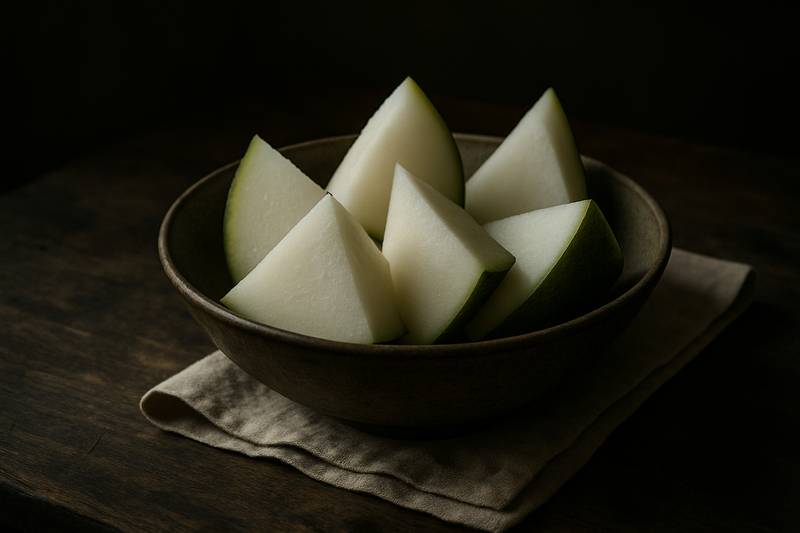
Winter Melon · Photograph
Discover winter melon (ash gourd) health benefits, nutrition facts, and easy ways to cook it. Learn how this very low-calorie gourd may support digestion, weight management, blood sugar, and heart health — with evidence notes and safety tips included.
Key Nutrients
% Daily Value based on 2,000 cal diet
Key active compounds in winter melon
The health-relevant properties of ash gourd come from a mix of phytochemicals (naturally occurring plant compounds) and micronutrients:
- Flavonoids — A large family of polyphenols (plant-based antioxidant molecules) with anti-inflammatory and potential cardioprotective effects seen in preclinical work.
- Triterpenoids — Compounds derived from plant sterol pathways; linked to hypolipidemic (cholesterol-lowering) and antidiabetic effects in animal studies.
- Phenolic compounds — Antioxidant molecules that neutralize free radicals (unstable molecules that can damage cells); contribute to the gourd's overall antioxidant capacity.
- Terpenoids — A broad class of carbon-based compounds found especially in the seeds; associated with anti-inflammatory and antimicrobial activity in laboratory models.
- Soluble dietary fiber — Slows digestion, feeds beneficial gut bacteria, and helps smooth out blood sugar responses after meals.
- Vitamin C — An essential antioxidant that supports immune function and collagen production.
Most of these compounds have been studied in cell cultures and animals. Human clinical data are limited, so the effects in people are not yet fully confirmed.
Prep and pairing ideas
Winter melon's mild, almost neutral flavor is its superpower in the kitchen — it absorbs broth, spices, and aromatics beautifully.
Classic Chinese clear soup: Simmer peeled winter melon chunks in a light stock with ginger, dried shrimp or tofu, and sliced scallions for about 20 minutes until the flesh turns translucent. Season with a small splash of soy sauce and white pepper. This is the most traditional preparation and the lowest-calorie option.
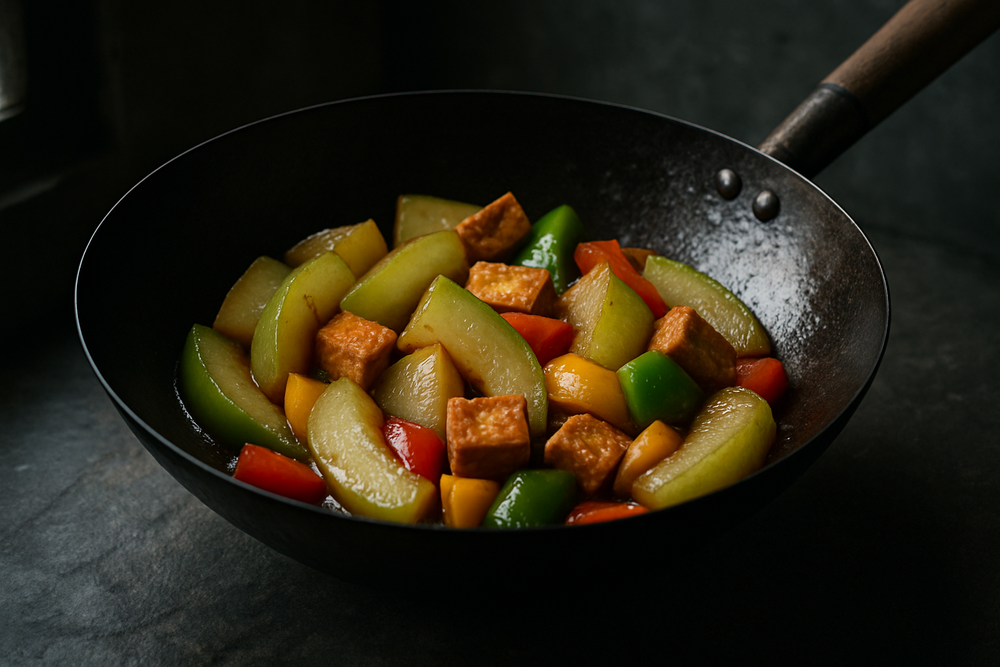
Stir-fry with garlic and ginger: Cut peeled flesh into thin slices, toss in a hot wok with a little sesame oil, minced garlic, and fresh ginger. Cook for 5–7 minutes. The high water content means it steams itself naturally — no added liquid needed.
Miso and winter melon soup: Replace daikon radish with winter melon chunks in a simple white miso broth with wakame seaweed and silken tofu. The mild flesh takes on the umami (savory, broth-like flavor) of the miso without overpowering it.
Bottom line
Winter melon (ash gourd) is one of the most calorie-light, hydration-rich vegetables you can add to your plate. Its very low calorie density, gentle soluble fiber, and mild flavor make it an excellent foundation for soups and stir-fries in any weight-conscious or digestive-friendly diet. Early clinical research hints at benefits for digestive comfort and blood sugar management, but the human evidence base is still small — so approach health claims with appropriate caution and think of this gourd first and foremost as a delicious, safe, and versatile whole food.
If you eat a plant-forward diet and haven't tried simmering a bowl of clear winter melon soup, this is a low-risk, high-reward experiment.
Explore more: Curious how winter melon fits into your overall health goals? Browse the Plantopedia goals guide for food-first strategies built around vegetables like this one.
How Winter Melon Compares
| Compared with | What's different |
|---|---|
| Winter Melon vs. Daikon Radish | Has a peppery, radish-like bite and crunchy texture, whereas winter melon is mild and turns soft. |
| Winter Melon vs. Honeydew Melon | Higher in calories and sweeter, used primarily as a fruit; winter melon is savory and 96% water. |
| Winter Melon vs. Chayote Squash | Similar texture when cooked but winter melon has a more neutral flavor that absorbs broths better. |
Health Benefits
Things to Know
Remove the rind and seeds: before cooking. The cooked flesh is the safe, commonly eaten portion.
Diabetes medications: Ash gourd preparations showed blood-sugar-lowering effects in one trial. If you use insulin, metformin, sulfonylureas, or other antidiabetic drugs, eating large or concentrated amounts could theoretically add to their effect and push blood sugar too low. Monitor accordingly and let your doctor know.
Blood pressure and diuretic medications: Ash gourd has traditional diuretic (urine-increasing) properties and a high potassium-to-sodium ratio. If you take antihypertensive or diuretic drugs, large supplemental doses could interact with medication effects on fluid balance.
Kidney disease: The diuretic and electrolyte-influencing properties mean people with kidney disease should check with their healthcare provider before using high-dose forms.
Pregnancy and breastfeeding: Normal culinary use in soups and stews is generally considered safe. High-dose extracts or medicinal preparations lack sufficient safety data for pregnant or breastfeeding women; stick to food amounts.
Cucurbit allergy: Winter melon is a member of the gourd family (Cucurbitaceae), which includes cucumber, zucchini, and pumpkin. People with known cucurbit allergies should exercise caution.
Sensitive digestion: The seed fiber has mild laxative properties. The flesh fiber is gentle, but very large amounts may cause bloating or loose stools in sensitive individuals.
Glossary
Shop This Ingredient
Stock your pantry with quality winter melon.
Buy on AmazonAs an Amazon Associate, Plantopedia earns from qualifying purchases. This costs you nothing extra and helps us keep the encyclopedia free.
Frequently Asked Questions
Heart and circulation No dedicated clinical trials have put winter melon head-to-head against a placebo for heart health outcomes like blood pressure or cholesterol in healthy people. However, animal studies consistently report hypolipidemic effects (reductions in blood fat levels), and the gourd's overall nutrient profile — very low in sodium, low in sugar, modest in potassium and fiber — aligns with established dietary patterns that support cardiovascular health. An early trial using an ash gourd powdered drink in people with type 2 diabetes did show improved metabolic markers, which can indirectly reduce cardiovascular risk. This is promising but not yet proof of a direct heart benefit. Digestive health and microbiome This is probably where the most interesting early human data sits. A small pilot clinical trial in 20 adults with uninvestigated dyspepsia (unexplained upper digestive discomfort) used fresh ash gourd fruit juice daily for 45 days and reported noticeable symptom improvement with no adverse effects. The study lacked a control group, so the results need to be replicated, but they support the traditional use of ash gourd as a digestive soother. As a food, the soluble fiber in the flesh helps add bulk and softness to stools, which may ease constipation and support a healthy gut microbiome (the community of bacteria living in your digestive tract). Blood sugar and metabolism A placebo-controlled study — the gold standard of research design, where one group receives the real treatment and another receives a dummy version — found that a standardized Benincasa hispida powdered drink improved metabolic control in patients with type 2 diabetes compared with the control group. The study was small and details on methodology are limited, so it cannot be considered definitive, but it is the kind of early signal worth watching. The gourd's low glycemic load (a measure of how much a food raises blood sugar per serving) and soluble fiber content both contribute mechanically to blood sugar stability. Inflammation and recovery Laboratory and animal studies show that ash gourd extracts can scavenge free radicals and reduce inflammatory markers (chemical signals of inflammation in the body). The flavonoids, phenolics, and terpenoids in the plant are the likely drivers. There are currently no well-controlled human trials confirming these anti-inflammatory effects in people, so this area remains at the "biologically plausible but unproven in humans" stage.
People managing their weight Very low calorie density means generous portions without a big calorie cost. High water content promotes a sense of fullness (satiety). Fits seamlessly into calorie-conscious meals like clear soups and vegetable stir-fries. People with digestive sensitivities or mild gut discomfort The flesh is soft, easy to digest, and not acidic. Soluble fiber gently supports bowel regularity without the harshness of high-insoluble-fiber foods. Early pilot data suggest ash gourd juice may help with upper digestive discomfort; talk to your doctor if symptoms are ongoing.
Fresh cooked flesh is by far the most practical and well-studied culinary form. Peel the gourd, remove the seeds and rind, cut the pale flesh into chunks, and simmer in soups, stews, or stir-fries. This is the form with the best safety record and the most culinary tradition behind it. Fresh juice was the form used in the dyspepsia pilot trial. It concentrates the gourd's nutrients and bioactive compounds more than cooking does, but is less common in Western kitchens. If you want to try it, a small glass of freshly blended ash gourd flesh (seeds removed) is the closest food-equivalent to what was tested. Powdered drink / supplement form was used in the type 2 diabetes trial. These standardized preparations exist but are not widely available outside South Asia. If you find a supplement, treat it as a concentrated form — not the same as eating the vegetable — and discuss it with your doctor if you take any medications for blood sugar or blood pressure. Seed preparations and extracts appear in the pharmacological literature but are not standard culinary items. Avoid consuming the seeds in large amounts without guidance; most of the relevant human data relates to the cooked flesh only.
There is no established recommended daily dose for winter melon as a supplement, and no regulatory body has set a therapeutic intake level. As a food, common sense and culinary tradition are your best guides: Everyday eating: One to two cups of cooked winter melon flesh in a soup or stir-fry, one or more times per day, is typical in Asian cuisines where this vegetable is eaten regularly. At roughly 24 calories per cup, this is a very safe portion size. Juice form: The pilot digestion trial used fresh ash gourd juice daily for 45 days with no reported side effects. A small glass (roughly 100–150 ml) is a reasonable starting point if you want to experiment. Start with a smaller amount if your digestion is sensitive. Powdered supplements: Follow the manufacturer's dosing instructions and discuss with your doctor if you take any medications, particularly for blood sugar or blood pressure. Start low, go slow: As with any new food, introduce winter melon gradually if you are not used to high-fiber or high-water-content vegetables, especially if you have a history of digestive sensitivity.
Quick Answers
Common questions, answered in a line.
Winter melon (ash gourd) contains flavonoids, triterpenoids, phenolic compounds, and terpenoids, along with soluble fiber and vitamin C. These phytochemicals and micronutrients provide antioxidant, anti-inflammatory, and potential cholesterol-lowering effects in laboratory studies.
Winter melon is excellent for weight management because it is one of the most calorie-light and hydration-rich vegetables available. Its high water content and soluble dietary fiber help you feel full while maintaining a very low calorie density.
You should remove the rind and seeds before cooking winter melon, as the cooked flesh is the safe and commonly eaten portion. The mild flesh is ideal for simmering in soups or quick stir-frying until it becomes translucent.
Individuals taking diabetes medications, blood pressure drugs, or diuretics should use caution with winter melon due to its potential to lower blood sugar and increase urine production. People with kidney disease or known allergies to the gourd family (Cucurbitaceae) should also consult a doctor.
Winter melon has a mild, almost neutral flavor that easily absorbs the taste of broths, spices, and aromatics. It is often described as having a subtle taste similar to a very mild cucumber or a firm melon, making it a versatile base for savory dishes.
Winter melon supports digestion through its gentle soluble fiber, which slows digestion and feeds beneficial gut bacteria. While the flesh is digestive-friendly, the seeds have mild laxative properties that may assist with regular bowel movements.
To make traditional winter melon soup, simmer peeled chunks in a light stock with ginger and aromatics like scallions or dried shrimp for about 20 minutes. The dish is ready when the flesh turns translucent and has absorbed the savory flavors of the broth.
For Readers in the USA
Local context — sourcing, seasonality, and regional notes.
You can typically buy winter melon at H Mart, 99 Ranch Market, and local Asian grocers, though some Whole Foods and specialty markets carry it seasonally. Because of its large size, US retailers often sell it pre-sliced into manageable wedges or rounds wrapped in plastic.
Winter melon is primarily grown in warmer US climates like Florida, California, and Hawaii, appearing in markets from late summer through winter. While it thrives in USDA zones 9–11, its thick waxy coating allows it to be stored for months and sold in US grocery stores year-round.
In the US, you will find this vegetable labeled as winter melon, ash gourd, wax gourd, or white gourd. While it is technically a fruit, it is treated strictly as a savory vegetable in American culinary contexts, similar to how zucchini or squash are utilized.
The USDA does not have specific grading standards for winter melon, but the FDA regulates it as a raw agricultural commodity, ensuring it meets standard food safety guidelines. When buying, look for organic labels if you wish to avoid synthetic pesticides, though the thick rind provides a natural barrier for the inner flesh.
AI Clinical Review
- Winter melon (ash gourd) is very low in calories and high in water, making it a helpful, high‑volume food for weight‑conscious eating.
- The emphasis on soluble fiber and a gentle texture for digestive comfort and bowel regularity is appropriate.
- Culinary guidance to use the peeled, seeded flesh (not rind or seeds) reflects standard safe practice.
- The summary of early human signals—small studies for dyspepsia (juice) and type 2 diabetes (standardized powder)—is cautious and avoids overclaiming.
- Heart‑health benefits are inferred from nutrient profile and animal data; there are no robust human trials showing improvements in lipids or blood pressure from eating winter melon itself.
- The dyspepsia study was small and uncontrolled, so placebo effects can’t be ruled out; larger, blinded trials are needed.
- Blood‑sugar findings come from a small trial using a specific powdered formulation, which may not translate to typical food portions or other products.
- Anti‑inflammatory and antioxidant claims largely stem from laboratory/animal work; human relevance remains uncertain.
- Form matters: everyday cooked flesh is low‑risk; juices and concentrated powders deliver higher doses and may act differently.
- If you use glucose‑lowering or blood‑pressure/diuretic medications, introduce concentrated forms cautiously and consider monitoring with your clinician.
- People with kidney disease, pregnancy/breastfeeding, or cucurbit allergies should stick to normal food amounts and seek personalized advice first.
- Practical intake: starting with about 1–2 cups cooked flesh in soups or stir‑fries is reasonable; increase gradually to minimize bloating.
Very safe; remove seeds and rind before cooking.
References
- USDA FoodData Central — Ash gourd / wax gourd nutrition data (fdc.nal.usda.gov)
- MyPlate vegetable guidelines — USDA (myplate.gov)
- Literature-based review of Benincasa hispida pharmacology and safety — PMC (pmc.ncbi.nlm.nih.gov)
- Pilot clinical trial: Ash gourd juice for uninvestigated dyspepsia — ScienceDirect (sciencedirect.com)
- Placebo-controlled study: Ash gourd powdered drink for type 2 diabetes metabolic control — PubMed (pubmed.ncbi.nlm.nih.gov)
- Nutritional significance and health benefits of ash gourd — JETIR review (jetir.org)
- Therapeutic potential and pharmacological review of Benincasa hispida — IJCRT (ijcrt.org)
- Antioxidant activity and nutrient analysis of ash gourd — IJFMR (ijfmr.com)
- Comprehensive pharmacological and nutritional review of ash gourd — Agricultural Journals (agriculturaljournals.com)
- Unlocking the nutritional and pharmacological potential of ash gourd — Ukaaz Publications (ukaazpublications.com)
Know Your Numbers
Eating healthy is a start. Now get to know your biomarkers.
Food changes bloodwork — inflammation, lipids, blood sugar and nutrient status all respond to what you eat. 59 markers from $59.
- Results in 7–10 days at 2,000+ Quest sites
- Licensed provider reviews every result
- One flat price, no membership, HSA/FSA eligible
Educational information only, not medical advice. Panels are ordered and reviewed through our licensed partner; Plantopedia may earn a commission.