Ackee — health benefits and uses
Jamaica's national fruit, eaten as a savory, buttery cooked vegetable-fruit.
The Short Answer
Ackee is a nutrient-dense fruit that provides 15g of healthy fats and 30mg of Vitamin C per serving, but it must only be eaten when naturally ripe and open to avoid hypoglycin A poisoning.
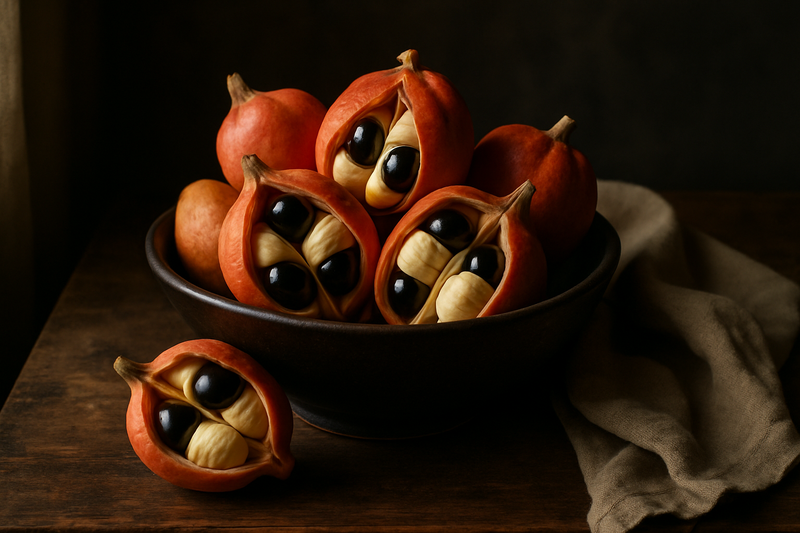
Ackee · Photograph
Discover the ackee fruit health benefits and safety facts you need before cooking. Learn about ripe ackee nutrition, hypoglycin A poisoning risks, safe preparation steps, and how this Jamaican staple fits a whole-food diet.
Key Nutrients
% Daily Value based on 2,000 cal diet
Key active compounds in ackee arils
- Linoleic acid — An omega-6 polyunsaturated fatty acid (a fat whose carbon chain contains multiple double bonds, which makes it liquid at room temperature and generally considered heart-friendly). Makes up a significant portion of ackee's fat fraction.
- Palmitic and stearic acids — Saturated fatty acids also present in the arils; stearic acid is considered relatively neutral for cholesterol compared with other saturated fats.
- Provitamin A carotenoids — Plant pigments the body can convert into active vitamin A; responsible for the yellow color of ripe arils.
- Folate — A B-vitamin critical for DNA synthesis and cell division, especially important during pregnancy.
- Hypoglycin A — A naturally occurring amino acid derivative concentrated in unripe arils, rind, and seeds. Levels fall to trace amounts in fully ripe arils but are dangerously high in unripe fruit. This is the compound responsible for ackee poisoning.
- Hypoglycin B — A related toxin found primarily in seeds; it works through the same mechanism as hypoglycin A and is why seeds must never be eaten even when the fruit looks ripe.
Myths vs facts about ackee fruit
Myth: Cooking unripe ackee makes it safe. Fact: Heat does not break down hypoglycin A. An unripe ackee pod — one that hasn't opened naturally — remains toxic no matter how long you boil it. Ripeness, not cooking time, is the safety variable.
Myth: The whole ackee fruit is poisonous, so it shouldn't be eaten at all. Fact: Only unripe arils, seeds, and rind are dangerous. Fully ripe arils from a naturally opened pod have negligible hypoglycin A levels and have been safely eaten for generations. The fruit is Jamaica's national food for good reason.
Myth: If canned ackee comes from a store, it's definitely safe. Fact: Regulated canned ackee from legitimate importers is subject to hypoglycin A testing, but not all products on the market have the same oversight. Buy from established retailers and brands, check that the product is from a country with food safety agreements, and discard any cans with unusual odors or textures.
Prep and pairing ideas
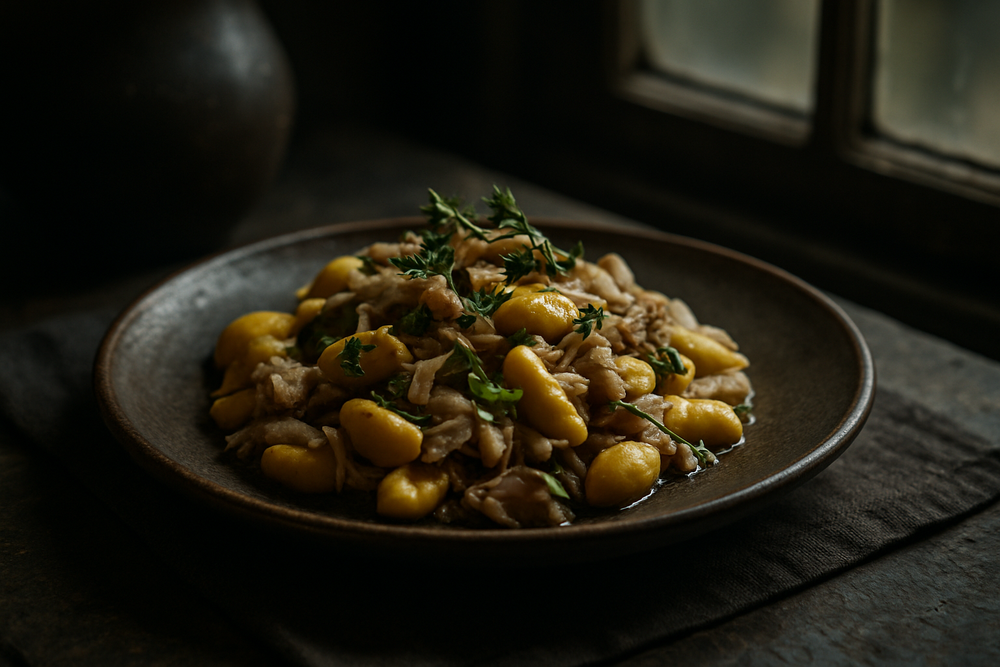
Classic ackee and saltfish remains the most beloved preparation: sauté onions, garlic, scotch bonnet peppers, and tomatoes, add rinsed desalted saltfish, fold in drained cooked ackee arils, and finish with fresh thyme. To make it more heart-friendly, use a small portion of fish and add leafy greens or roasted bell peppers.
Ackee scramble (plant-based): treat ackee arils like soft scrambled eggs — season with turmeric, black pepper, nutritional yeast, and diced vegetables. The texture holds up beautifully in a breakfast bowl alongside roasted sweet potato.
Ackee with legumes: pair cooked ackee with seasoned black beans or kidney beans over rice. The ackee adds creaminess and healthy fats while the legumes contribute additional protein and fiber, rounding out the amino acid profile of the meal.
Storage tip: once opened, canned ackee should be transferred to a sealed container and refrigerated; use within 2–3 days. Cooked fresh ackee is best consumed the same day and not reheated repeatedly.
Buying guide for ackee
Fresh ackee is available in Caribbean markets in producing regions. Look for pods that have cracked open naturally, revealing bright yellow arils. The pod should open without force. Avoid any fruit that is fully closed, partially opened, or shows green coloring on the arils — those are signs of under-ripeness. Never purchase pre-opened pods from an unknown source unless you can verify they were opened naturally.
Canned ackee in brine is the standard form outside the Caribbean. In the U.S., look for brands that are clearly labeled as imported through FDA-compliant channels. The label should list only ackee arils, water, and salt — no unexpected additives. Rinse well before use to reduce sodium (brine can add 200–400 mg of sodium per serving). Cans with bulging lids or unusual odors should be discarded.
Label tip: check for country of origin. Reputable Jamaican exporters operate under MOH oversight and supply chains that include hypoglycin A testing. If a product doesn't identify a credible source country or lacks a recognizable brand, approach with caution.
Frozen ackee can be found in specialty Caribbean food stores. Treat it the same as fresh once thawed — cook thoroughly and do not refreeze after thawing.
Bottom line
Ripe ackee arils are a genuinely interesting whole plant food — one of very few fruits with a fat-forward, savory nutritional profile that includes useful amounts of unsaturated fats, potassium, vitamin C, folate, and fiber. The potential cardiovascular and digestive benefits are plausible based on that nutrient composition, though direct clinical trial evidence is sparse.
What sets ackee apart from every other fruit in this guide is the safety imperative: it is not simply a matter of preference or tolerability. Eating unripe ackee, seeds, or rind can cause life-threatening poisoning. This doesn't make ackee a food to avoid — millions of people eat it safely and joyfully every week. It does make proper preparation non-negotiable.
Buy regulated canned ackee or use only naturally opened fresh arils. Discard seeds, rind, and cooking water. Keep portions sensible. And if anything feels off after eating ackee, treat it as a medical situation and seek care promptly.
How Ackee Compares
| Compared with | What's different |
|---|---|
| Ackee vs. jackfruit | ackee has a creamy, egg-like texture whereas jackfruit is fibrous and meaty like pulled pork |
| Ackee vs. lychee | ackee is savory and high in fat while lychee is sweet, translucent, and high in sugar |
Health Benefits
Things to Know
Never eat unripe ackee, seeds, or rind: — this is non-negotiable regardless of cooking method or preparation time.
Discard the water: used to boil fresh ackee arils; it may contain residual compounds from preparation.
Children are at elevated risk: — pediatric cases represent a disproportionate share of ackee poisoning reports. Supervise children's exposure carefully.
Diabetes or glucose-lowering medications: (insulin, sulfonylureas, GLP-1 agonists): toxic hypoglycemia from improperly prepared ackee could compound medication-induced low blood sugar with dangerous results. Strictly verify ripeness and source.
Liver disease or fatty acid oxidation disorders: hypoglycin A disrupts the liver's energy metabolism; people with these conditions face heightened risk from any accidental exposure to toxin-containing parts.
Pregnancy and breastfeeding: risk of profound hypoglycemia from unripe ackee makes extra caution warranted. Limit intake to fully ripe arils from verified sources.
Diuretics or other electrolyte-altering medications: persistent vomiting from ackee poisoning can cause dehydration and electrolyte imbalances that complicate management.
Seek emergency care immediately: if nausea, vomiting, dizziness, confusion, or unusual weakness develops within 6–48 hours of eating ackee.
Glossary
Shop This Ingredient
Stock your pantry with quality ackee.
Buy on AmazonAs an Amazon Associate, Plantopedia earns from qualifying purchases. This costs you nothing extra and helps us keep the encyclopedia free.
Frequently Asked Questions
It's important to say upfront: the evidence here is emerging, not established. No large human clinical trials have used ackee as an intervention. The potential benefits below are reasoned from ackee's nutrient composition combined with broader dietary research. They do not mean ackee treats or cures any condition. Heart and circulation Ripe ackee arils are naturally cholesterol-free and supply mostly unsaturated fats — the type associated with healthier blood lipid profiles in broader nutrition research. The potassium content (270 mg per 100 g) can contribute toward daily intake goals that support healthy blood pressure in the context of an overall lower-sodium diet. The caveat: ackee is most often eaten as ackee and saltfish, a dish that can be high in sodium from cured fish and canned brine. The heart-related benefits of the fruit itself can easily be offset by the surrounding meal. Rinsing canned ackee before cooking and using low-sodium accompaniments helps preserve any cardiovascular advantage the fruit's nutrient profile might offer. No ackee-specific cardiovascular trials currently exist. Digestive health and microbiome With roughly 2.7 g of dietary fiber per 100 g serving, ripe ackee contributes to daily fiber goals that support regular bowel movements and a healthy gut environment. Its fiber is predominantly insoluble (meaning it adds bulk to stool rather than forming a gel), and its very low simple sugar content means it sits gently on blood sugar compared with sweeter fruits. No human studies have specifically examined ackee's effect on gut microbiota or digestive disease. Any digestive benefit comes from ackee's role as part of a varied, fiber-rich diet rather than from any unique property of the fruit itself. Blood sugar and metabolism For fully ripe, correctly prepared ackee, there is no clinical evidence that it improves blood sugar control or insulin sensitivity. The blood sugar story around ackee is dominated by its toxicity, not its therapeutic value: hypoglycin A in unripe fruit inhibits a process called beta-oxidation (the way the body breaks down fatty acids for energy), depletes the liver's stored glucose, and causes severe, potentially refractory hypoglycemia (dangerously low blood sugar). Case reports describe seizures, coma, and death. Safe, ripe arils have negligible hypoglycin A levels, but the risk is severe enough that anyone on glucose-lowering medications should be especially careful about the source and ripeness of any ackee they eat. Inflammation and recovery Ackee's unsaturated fatty acids and vitamin C content suggest a modest anti-inflammatory potential when eaten as part of a plant-forward diet. Vitamin C is a well-documented antioxidant — a compound that neutralizes unstable molecules called free radicals that can damage cells and promote inflammation. However, no clinical trials have isolated ackee's effect on inflammatory markers, and any anti-inflammatory role is speculative based on nutrient composition alone.
Fresh, home-prepared ackee is the traditional form and perfectly safe when done right. The arils must come from a pod that has opened naturally on the tree with all yellow segments visible. You discard the rind, seeds, and any pinkish or red membrane, wash the arils thoroughly, boil them in fresh water, discard the boiling water, and then proceed with the recipe. Critically: cooking does not destroy hypoglycin A in unripe fruit. Never force a closed pod open. Canned ackee in brine is the most practical option outside the Caribbean. In the United States, the FDA sets a safety threshold of 100 ppm (parts per million) hypoglycin A in finished ackee products and maintains import alerts requiring processors to demonstrate safe toxin levels before products can be sold. Buying canned ackee from recognized retailers means regulatory oversight has already done much of the safety verification. Rinse and drain canned ackee before cooking to reduce the brine's sodium content. Frozen ripe arils are available from some producers. The same safety principles apply: the fruit must have been fully ripe before processing and the seeds and rind properly removed. Bottom line on form: For most people outside of ackee-growing regions, regulated canned ackee is the lowest-risk option. If you're preparing fresh ackee, follow preparation steps precisely — no shortcuts.
There is no established therapeutic dose for ackee and no specific upper limit for ripe arils from a nutrient standpoint. The practical guidance comes from standard dietary frameworks: U.S. dietary guidelines (including MyPlate) suggest 1–2 cups of fruit per day as part of a balanced diet. A typical serving of ackee in Jamaican cooking is about 50–100 g of cooked arils, which fits comfortably within that range. Because ackee is calorie-dense relative to other fruits (about 151 calories per 100 g, most of it from fat), portion awareness matters if you're eating it alongside other energy-dense foods. Starting with a half-cup serving and eating it as part of a mixed meal — rather than on its own — is a sensible approach for most adults. For anyone new to ackee, the more important question isn't "how much" but "how safely prepared." One properly prepared half-cup serving of ripe ackee is fine. One bite of unripe ackee or a seed could be a medical emergency. Looking for ingredients to support specific wellness goals? Browse our Plantopedia goals guide to find foods matched to what matters most to you.
Quick Answers
Common questions, answered in a line.
You can safely eat ackee by consuming only the bright yellow arils from pods that have opened naturally on the tree. You must always discard the seeds, the rind, and the water used for boiling fresh arils, as these parts contain dangerous toxins.
No, cooking unripe ackee does not make it safe to eat because heat does not break down the toxin hypoglycin A. An unripe pod remains poisonous no matter how long it is boiled; safety depends entirely on the ripeness of the fruit, not the cooking time.
Ackee poisoning is caused by hypoglycin A and hypoglycin B, toxic compounds that trigger life-threatening hypoglycemia (low blood sugar). These toxins are highly concentrated in the seeds, the rind, and any arils from fruit that has not ripened and opened naturally.
People with liver disease, fatty acid oxidation disorders, or those taking glucose-lowering medications like insulin should avoid ackee unless ripeness and source are strictly verified. The toxin hypoglycin A disrupts liver energy metabolism and can cause dangerous drops in blood sugar.
When buying fresh ackee, look for pods that have cracked open naturally to reveal bright yellow arils. Avoid any pods that are fully closed, partially opened, or have green coloring on the arils, as these are signs the fruit is unripe and toxic.
Ackee arils are rich in heart-friendly fats like linoleic acid, as well as folate, provitamin A carotenoids, and fiber. This unique nutritional profile makes them a savory, fat-forward plant food that supports DNA synthesis and cardiovascular health.
Symptoms of ackee poisoning, such as nausea, vomiting, dizziness, or confusion, typically develop within 6 to 48 hours after ingestion. If you experience these symptoms after eating ackee, you should seek emergency medical care immediately.
For Readers in the USA
Local context — sourcing, seasonality, and regional notes.
Fresh ackee is primarily grown in South Florida, though its commercial availability is limited due to strict FDA import regulations on the whole fruit. Because of the risk of hypoglycin A poisoning, the USDA and FDA closely monitor the movement of fresh pods across state lines.
You can find canned ackee in the international aisle of major US grocery chains like Publix, Kroger, and Wegmans, or at specialty Caribbean markets. These retailers typically carry brands that comply with FDA safety standards for hypoglycin A levels.
The FDA strictly regulates canned ackee imports, maintaining an 'Import Alert' list to ensure only manufacturers with proven safety controls and low hypoglycin A levels can sell in the US. When shopping, look for reputable Jamaican brands that explicitly state they are processed in FDA-certified facilities.
AI Clinical Review
- Safety is front and center: it correctly explains that only naturally opened, fully ripe yellow arils are edible and that seeds, rind, and unripe arils contain hypoglycin toxins that cannot be “boiled out.”
- The nutrition snapshot is realistic for canned, drained arils and accurately frames ackee as a fat-forward, low‑sugar fruit with mostly unsaturated fats plus fiber, potassium, folate, and vitamin C.
- It appropriately distinguishes plausible benefits (heart, digestion) as nutrient‑profile–based rather than proven therapeutic effects.
- Practical guidance on form and sourcing is helpful, noting FDA oversight for canned ackee and the value of rinsing to reduce sodium.
- No clinical trials have tested ackee for cardiometabolic, microbiome, or anti‑inflammatory outcomes; benefits are inferred, not demonstrated.
- Nutrient and residual toxin levels can vary by cultivar, ripeness, and processing; standardized data across fresh, frozen, and canned products are limited.
- The extent to which vitamin C and carotenoids remain after typical cooking/canning isn’t well quantified, so assumptions about antioxidant impact should be cautious.
- Portion guidance: a sensible serving is about ½ cup (50–100 g) cooked arils; ackee is calorie‑dense, so pair it within balanced meals.
- Safety first: never eat unripe pods or any seeds/rind; symptoms of poisoning (notably vomiting and low blood sugar) can appear 6–48 hours after ingestion—seek urgent care if they occur.
- Higher‑risk groups who should be especially cautious about source and preparation include children, people with diabetes (on glucose‑lowering meds), those with liver disease or fatty‑acid oxidation disorders, and those who are pregnant or breastfeeding.
- Form matters: fresh ackee requires strict ripeness verification and proper discarding of non‑aril parts; outside producing regions, regulated canned products from reputable brands are the lower‑risk choice, and rinsing helps reduce sodium.
Unripe ackee contains hypoglycin A and causes potentially fatal poisoning; eat only fully ripe, opened fruit.
References
- USDA FoodData Central — ackee nutrition data (fdc.nal.usda.gov)
- U.S. FDA: Hypoglycin and Ackee Fruit — safety thresholds and import alert overview (fda.gov)
- U.S. FDA Import Alert 21-11 — detention requirements for ackee products (accessdata.fda.gov)
- Jamaica Ministry of Health — advisory on safe ackee preparation (moh.gov.jm)
- StatPearls (NCBI/NIH): Ackee Fruit Toxicity — clinical reference on Jamaican vomiting sickness pathophysiology and management (europepmc.org)
- Jamaican vomiting sickness case series and clinical features (PMC) (pmc.ncbi.nlm.nih.gov)
- ScienceDirect Topics: Ackee — scientific overview of composition and maturity-related toxin changes (sciencedirect.com)
- Journal of Agricultural and Food Chemistry — hypoglycin A dose-response study (pubs.acs.org)
- MyPlate / USDA — daily fruit intake recommendations (myplate.gov)
- NCCEH Canada — Caribbean food safety and ackee poisoning context (ncceh.ca)
Know Your Numbers
Eating healthy is a start. Now get to know your biomarkers.
Food changes bloodwork — inflammation, lipids, blood sugar and nutrient status all respond to what you eat. 59 markers from $59.
- Results in 7–10 days at 2,000+ Quest sites
- Licensed provider reviews every result
- One flat price, no membership, HSA/FSA eligible
Educational information only, not medical advice. Panels are ordered and reviewed through our licensed partner; Plantopedia may earn a commission.