Almond Butter — health benefits and uses
Fat, texture, and satiety angle; clarify strict WFPB vs flexible plant-based use
The Short Answer
Almond butter is a nutrient-dense spread providing 6.7 grams of protein and 50% of your daily vitamin E per 2-tablespoon serving. It is primarily used as a heart-healthy alternative to peanut butter, offering high levels of magnesium and monounsaturated fats.
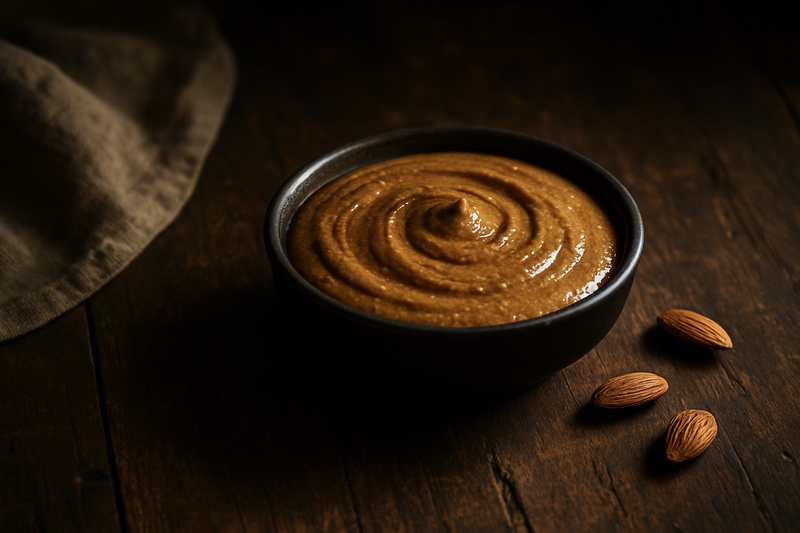
Almond Butter · Photograph
Almond butter (Prunus dulcis) is a creamy spread made from ground almonds that has gained popularity as a nutrient-dense alternative to traditional spreads. Rich in heart-healthy monounsaturated fats, plant protein, and essential minerals like magnesium and vitamin E, this minimally processed food can support various aspects of health when used thoughtfully.
Key Nutrients
% Daily Value based on 2,000 cal diet
Key active compounds
Almond butter's health effects come from several important bioactive compounds:
- Monounsaturated fatty acids (oleic acid) - Support heart health and may help reduce LDL cholesterol
- Alpha-tocopherol (vitamin E) - Powerful fat-soluble antioxidant that protects cell membranes
- Phenolic compounds - Plant antioxidants concentrated in almond skins that may reduce inflammation
- Phytosterols - Plant compounds that compete with cholesterol absorption in the gut
- Arginine - Amino acid that supports blood vessel function and circulation
- Fiber and resistant starches - Support digestive health and beneficial gut bacteria
Buying guide for choosing quality almond butter
Fresh vs. shelf-stable: Fresh-ground almond butter from health food stores often contains only almonds and requires refrigeration. Shelf-stable versions may include stabilizers but can still be healthy if ingredient lists are clean.
Raw vs. roasted: Both offer similar nutritional profiles, with roasted providing more flavor and raw preserving maximum nutrient content. Choose based on taste preference and intended use.
Smooth vs. crunchy: Nutritionally equivalent; crunchy versions may provide slightly more satiety due to texture requiring more chewing.
Label reading tips: Look for products with almonds as the only ingredient, or almonds plus minimal salt. Avoid anything listing oils, sugars, or unpronounceable additives.
Prep and pairing ideas
Almond butter works best when it enhances rather than dominates meals:
- Thin with water or plant milk for smoother spreading on whole grain toast
- Pair with apple slices or berries to balance richness with fresh flavors
- Use in smoothies with leafy greens to increase nutrient density
- Combine with oats or whole grain cereals for sustained breakfast energy
- Mix into homemade energy balls with dates and seeds for portable snacks
The key is using almond butter to make nutritious foods more satisfying rather than eating it alone in large quantities.
Common troubleshooting issues
Digestive upset: Start with smaller portions and gradually increase. Some people benefit from choosing roasted over raw almond butter for easier digestion.
Weight gain concerns: Measure portions carefully and track total daily calories. Consider using almond butter only on training days or as a replacement for other calorie sources.
Taste preferences: Try different brands or make your own to control roasting level and texture. Mix with cinnamon or vanilla extract for variety without added sugars.
Bottom line
Almond butter can be a valuable addition to a healthy diet when used mindfully. Its combination of heart-healthy fats, plant protein, and essential minerals offers genuine nutritional benefits, particularly for those replacing less healthy spreads or seeking convenient plant-based nutrition.
However, the high calorie density means portion control is essential, and strict whole food plant-based approaches often recommend prioritizing whole almonds over nut butters. The key is understanding your individual health goals and using almond butter strategically rather than liberally.
Focus on quality products containing only almonds, use appropriate portions (1-2 tablespoons daily for most people), and consider it a replacement for less healthy fats rather than an addition to an already well-balanced diet.
How Almond Butter Compares
| Compared with | What's different |
|---|---|
| Almond Butter vs. Peanut Butter | Higher in vitamin E and monounsaturated fats, but slightly lower in protein. |
| Almond Butter vs. Cashew Butter | Lower in calories and fat, but contains significantly less vitamin E and magnesium. |
| Almond Butter vs. Sunflower Seed Butter | Similar texture but nut-free; sunflower butter has more vitamin E but less protein. |
Health Benefits
Things to Know
Allergy considerations: Almond butter can cause severe reactions in people with tree nut allergies. Cross-contamination during processing may also affect those with other nut sensitivities.
Kidney stone risk: Almonds are high in oxalates, which may increase calcium-oxalate kidney stone risk in susceptible individuals. Those with stone history should limit intake and increase fluid consumption.
Medication interactions: Large amounts may affect vitamin K levels for those on blood thinners, though typical portions are unlikely to cause problems.
Digestive sensitivity: Some people experience bloating or discomfort from the high fat and fiber content, especially when introducing almond butter suddenly.
Pregnancy and breastfeeding: Generally safe in normal food amounts unless tree nut allergies are present.
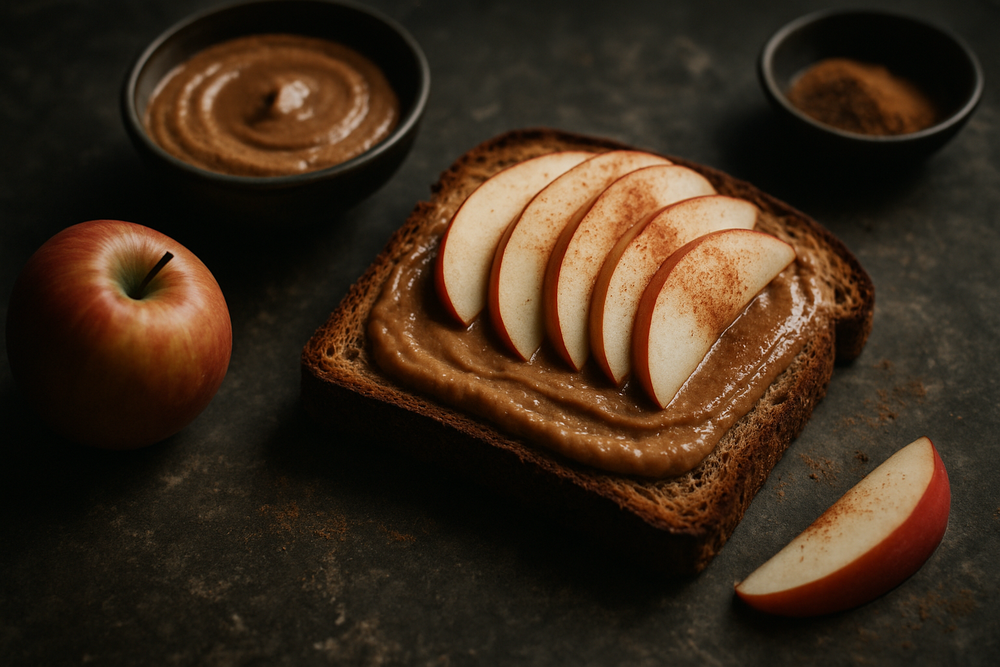
Prep Ideas
- — Thin with water or plant milk for smoother spreading on whole grain toast
- — Pair with apple slices or berries to balance richness with fresh flavors
- — Use in smoothies with leafy greens to increase nutrient density
- — Combine with oats or whole grain cereals for sustained breakfast energy
- — Mix into homemade energy balls with dates and seeds for portable snacks
Shop This Ingredient
Stock your pantry with quality almond butter.
Buy on AmazonAs an Amazon Associate, Plantopedia earns from qualifying purchases. This costs you nothing extra and helps us keep the encyclopedia free.
Frequently Asked Questions
Heart and circulation Research on almonds consistently shows cardiovascular benefits, and almond butter retains these advantages. Studies using 1-2 ounces of almonds daily demonstrate improvements in blood lipid profiles, including reduced LDL ("bad") cholesterol and increased HDL ("good") cholesterol. The monounsaturated fat profile, combined with vitamin E and arginine, may support blood vessel function and reduce cardiovascular disease risk when almond butter replaces saturated fats in the diet. Digestive health and microbiome Almond butter provides prebiotic fiber and compounds that beneficial gut bacteria can ferment into short-chain fatty acids like butyrate. Clinical studies on almond consumption show increases in butyrate production, which supports colon health and intestinal barrier function. The fiber content also promotes regular bowel movements and may help maintain healthy cholesterol levels through bile acid binding. Blood sugar and metabolism The combination of protein, fat, and fiber in almond butter can help moderate blood glucose responses when consumed with higher-carbohydrate foods. Human studies on almond intake show improvements in fasting glucose, insulin sensitivity, and HbA1c levels in people with impaired glucose tolerance. This makes almond butter potentially useful for blood sugar management when used strategically with meals. Inflammation and recovery Almond butter's vitamin E content and phenolic compounds may help reduce oxidative stress and systemic inflammation. The anti-inflammatory potential comes primarily from replacing pro-inflammatory foods rather than direct anti-inflammatory effects, making it most beneficial when it substitutes for processed meats, refined snacks, or trans fat-containing spreads.
Active individuals and athletes may find almond butter particularly valuable for: Convenient, portable energy for training and recovery Supporting muscle protein synthesis with complete amino acids Providing sustained energy without blood sugar spikes People transitioning from processed foods can benefit through: Replacing sugary spreads and refined snacks with nutrient-dense options Learning to appreciate natural flavors without added sugars Gradually improving overall diet quality with minimally processed choices
The healthiest almond butter contains only almonds, without added oils, sugars, or preservatives. Raw almond butter preserves heat-sensitive nutrients, while roasted versions offer deeper flavor with minimal nutritional loss. Avoid products with added palm oil, sugar, or emulsifiers, which move the product away from whole-food principles and may diminish health benefits. Homemade almond butter gives you complete control over ingredients and processing methods. For strict WFPB approaches, even plain almond butter should be used sparingly, with preference given to whole almonds that require chewing and may be more naturally self-limiting.
Start with 1 tablespoon (16g) daily and assess your response. Most research on almonds uses 1-2 ounces of whole nuts, equivalent to roughly 2-4 tablespoons of almond butter, but this upper range may be too calorie-dense for many people's goals. For weight management, stick to 1-2 tablespoons daily and use it to replace other fats rather than adding it on top of your current intake. Those with diabetes should work with healthcare providers to fit almond butter into their carbohydrate and calorie targets. Active individuals with higher energy needs may tolerate larger portions, while those following strict WFPB protocols might limit consumption to occasional use or choose whole almonds instead.
Quick Answers
Common questions, answered in a line.
Almond butter is rich in monounsaturated fats, arginine, and phytosterols, which collectively support blood vessel function and help reduce LDL cholesterol. These compounds compete with cholesterol absorption in the gut and promote overall cardiovascular wellness.
When buying almond butter, look for products where almonds—or almonds and minimal salt—are the only listed ingredients. You should avoid any brands that list added oils, sugars, or unpronounceable additives on the label.
People with tree nut allergies or a history of calcium-oxalate kidney stones should avoid or strictly limit almond butter. Almonds are high in oxalates, which can increase stone risk, and the spread can cause severe reactions in those with nut sensitivities.
The main difference between raw and roasted almond butter is that roasting provides more flavor, while raw versions may preserve the maximum original nutrient content. Both versions offer similar nutritional profiles, so the choice usually depends on taste preference.
To prevent digestive upset, start with small portions and gradually increase your intake over time. Some individuals find that roasted almond butter is easier to digest than raw versions, and drinking more fluids can help manage the high fiber content.
Almond butter can be incorporated into a balanced diet by thinning it with water for toast, mixing it into smoothies with leafy greens, or pairing it with apple slices. It also works well when mixed into oatmeal or homemade energy balls for sustained energy.
Almond butter contains alpha-tocopherol (vitamin E) and phenolic compounds found in almond skins which act as powerful antioxidants. These substances help protect cell membranes from damage and may reduce inflammation throughout the body.
For Readers in the USA
Local context — sourcing, seasonality, and regional notes.
California produces approximately 80% of the world's almonds, making almond butter a staple product available year-round across the United States. While almonds are harvested in late summer and fall, technological storage and processing allow major retailers like Kroger, Whole Foods, and Costco to stock fresh supplies in every season.
Look for the USDA Organic seal and 'Unsweetened' or 'No Salt Added' labels to ensure you are getting a product that meets federal standards for organic production and heart-healthy guidelines. Many U.S. brands also offer 'Non-GMO Project Verified' options, which are popular in specialty stores like Trader Joe's and Sprouts Farmers Market.
In most American supermarkets, you can find almond butter in the peanut butter aisle, though high-end 'grind-your-own' stations are frequently located in the bulk foods section. National brands like Justin’s, Barney Butter, and Maranatha are widely available at retailers ranging from Target to local health food cooperatives.
AI Clinical Review
- Clearly explains that almond butter is rich in monounsaturated fats, vitamin E, and magnesium—nutrients linked with heart and metabolic health.
- Emphasizes portion control because of the spread’s high calorie density; this is practical and evidence-based.
- Notes that benefits are greatest when almond butter replaces less healthy fats or sugary spreads, which aligns with cardiometabolic research.
- Highlights potential support for steadier blood sugar when almond butter is paired with carbohydrate foods, reflecting findings from almond studies.
- Most clinical trials examine whole almonds rather than almond butter; extrapolating benefits (lipids, glycemia, satiety) to the butter form is reasonable but not identical, especially for microbiome effects concentrated in almond skins.
- Improvements in fasting glucose, insulin sensitivity, or HbA1c are generally modest and context‑dependent (overall diet, energy balance, and what foods are displaced).
- Protein quality: almonds contain all essential amino acids but are relatively low in lysine, so almond butter is not a “complete” protein in the classic sense; combining varied protein sources over the day matters more than any single food.
- The article mentions vitamin K and blood thinners; almond butter is low in vitamin K. Interactions are more relevant to high‑dose vitamin E supplements than to typical food portions.
- Typical practical intake is 1–2 tablespoons per day (about 90–180 kcal), adjusted to your energy needs; athletes or highly active people may use more, but track total calories.
- Choose products with just almonds (and optional salt). Avoid added sugars or oils. Fresh‑ground versions may need refrigeration and stirring to maintain quality.
- If you have a tree‑nut allergy, avoid almond butter. Those with a history of calcium‑oxalate kidney stones should be cautious with frequent, large portions and discuss fit with a clinician.
- People managing diabetes or weight should use almond butter as a replacement for other fats, not an add‑on, and pair it with high‑fiber foods for better glycemic control.
Flag strict WFPB limitations for extracted oils and highly processed fat products.
References
- USDA FoodData Central - Almond butter, plain, without salt added (fdc.nal.usda.gov)
- Harvard T.H. Chan School of Public Health - Almonds (hsph.harvard.edu)
- American Heart Association - Nuts and Heart Health (heart.org)
- Mayo Clinic - Nuts and your heart: Eating nuts for heart health (mayoclinic.org)
- WebMD - Health Benefits of Almond Butter (webmd.com)
- USDA MyPlate - Oils guidance (myplate.gov)
- NIH Office of Dietary Supplements - Vitamin E (ods.od.nih.gov)
- Journal of Nutrition - Almond consumption and cardiovascular risk factors (academic.oup.com)
- National Kidney Foundation - Oxalate content of foods (kidney.org)
Know Your Numbers
Eating healthy is a start. Now get to know your biomarkers.
Food changes bloodwork — inflammation, lipids, blood sugar and nutrient status all respond to what you eat. 59 markers from $59.
- Results in 7–10 days at 2,000+ Quest sites
- Licensed provider reviews every result
- One flat price, no membership, HSA/FSA eligible
Educational information only, not medical advice. Panels are ordered and reviewed through our licensed partner; Plantopedia may earn a commission.