Cashew Cream — health benefits and uses
Fat, texture, and satiety angle; clarify strict WFPB vs flexible plant-based use
The Short Answer
Cashew cream is a dairy-free heavy cream substitute made from blended cashews and water, containing 4g of protein and 10g of fat per 2-tablespoon serving. It provides heart-healthy monounsaturated fats and phytosterols, making it a nutrient-dense alternative
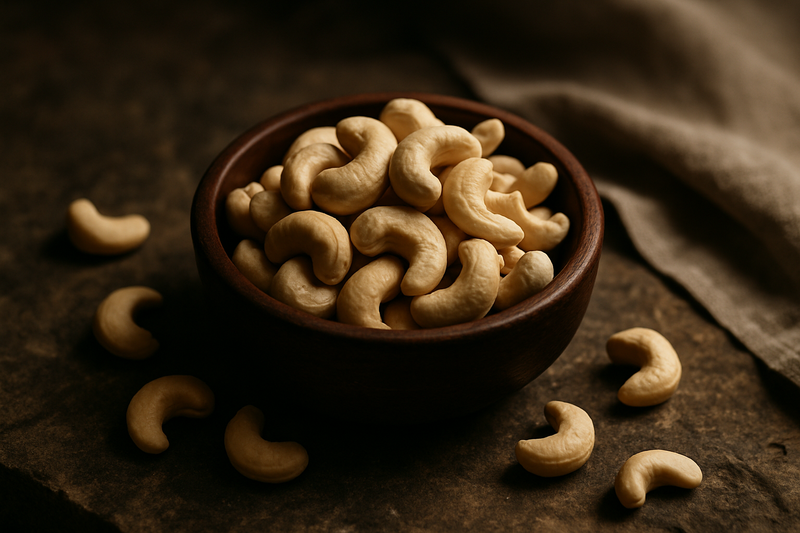
Cashew Cream · Photograph
Cashew cream is exactly what it sounds like: raw or lightly roasted cashews (Anacardium occidentale) blended with water until silky smooth. It has become a staple in dairy-free and plant-forward kitchens because it mimics the richness of heavy cream without any animal products. But "dairy-free" does not automatically mean "eat as much as you like" — and cashew cream is no exception.
Key Nutrients
% Daily Value based on 2,000 cal diet
Key active compounds
Cashew cream carries over the bioactive (health-relevant) plant compounds from whole cashews, though levels depend on dilution ratio and whether skins are included:
- Phytosterols (e.g., β-sitosterol): Plant-derived sterol compounds structurally similar to cholesterol. They compete with dietary cholesterol for absorption in the gut, which can modestly lower LDL ("bad") cholesterol levels.
- Tocopherols (Vitamin E compounds): Fat-soluble antioxidants that help protect cells and fats from oxidative damage — the kind of cellular wear-and-tear associated with aging and chronic disease.
- Phenolic compounds (including anacardic acids): Bioactive plant molecules concentrated in cashew skins and outer layers, with antioxidant and potential anti-inflammatory properties in lab studies. Levels vary by processing method.
- Unsaturated fatty acids (oleic and linoleic acids): The dominant fats in cashews. Oleic acid is a monounsaturated fat (the same type prominent in olive oil); linoleic acid is a polyunsaturated omega-6 fat. Both support healthier blood lipid profiles compared with saturated fats from animal sources.
Is cashew cream good for you? A look at the key health areas
Most human research on cashews has studied the whole nut rather than cashew cream specifically. Because homemade cashew cream is simply blended whole cashews and water, the evidence on nuts applies — with the important caveat that cream form is easier to overconsume than whole nuts.
Heart and circulation
Evidence level: moderate
Large prospective studies and randomized controlled trials consistently link regular nut intake (around 1–2 oz/day) to lower LDL cholesterol, modestly higher HDL ("good") cholesterol, and reduced cardiovascular disease risk. Cashews contribute phytosterols and unsaturated fats that support healthier blood lipid profiles when they replace saturated fat sources like butter or heavy cream.
Cashew cream can be a heart-friendlier cooking swap, but this only holds if it's replacing other fats rather than simply adding to them. Large portions, or commercial cashew creams with added refined oils and sugars, reduce or eliminate these potential benefits.
Digestive health
Evidence level: emerging
Cashews contain modest amounts of fiber and resistant starch (a type of carbohydrate that feeds beneficial gut bacteria rather than being digested directly). Human trials specifically testing cashew cream on gut health are sparse. However, for people who are lactose intolerant (meaning their body doesn't produce enough lactase enzyme to digest milk sugar easily), cashew cream can be a digestively gentler substitute for dairy cream in sauces, soups, and desserts. It should not be viewed as a primary digestive-health food — beans, whole grains, fruits, and vegetables provide far more fiber per calorie.
Blood sugar and metabolism
Evidence level: moderate
Human studies show that adding nuts to mixed meals blunts the postprandial (after-eating) rise in blood glucose and insulin compared with high-carbohydrate meals without nuts. The fat, protein, and modest fiber in cashews slow carbohydrate absorption. Using unsweetened cashew cream in place of sugary coffee creamers or sweetened condensed milk can support a steadier blood sugar response.
Important caveat: sweetened commercial cashew creamers or cashew-based desserts may raise blood sugar similarly to other sugary products. Cashew cream is not a treatment for diabetes, and total calories and carbohydrates in the whole recipe still matter.
Inflammation and recovery
Evidence level: emerging
Human trials of nut-enriched diets show small, sometimes inconsistent improvements in inflammatory markers such as CRP (C-reactive protein, a blood marker for systemic inflammation) and certain cytokines (chemical messengers involved in immune response). Specific data on cashew cream and inflammation are limited. The broader takeaway is that replacing pro-inflammatory foods — think refined carbohydrates and saturated-fat-heavy processed foods — with whole-cashew-based cream may contribute to a less inflammatory overall dietary pattern. Direct anti-inflammatory effects of cashew cream itself have not been well established.
Hormones and satiety
Evidence level: emerging
There is limited direct research on cashews and specific hormonal endpoints. More broadly, nuts and unsaturated fat sources can influence satiety hormones — the signals that tell your brain you're full — and may support steadier insulin and leptin (a hunger-regulating hormone) signaling as part of a balanced diet. Cashew cream may indirectly support these outcomes by helping replace ultra-processed, sugar-heavy creamers and desserts, but it should not be marketed as a hormone-regulating food.
Myths vs. facts
Myth 1: "Cashew cream is low-fat and light." Fact: It is lower in saturated fat than heavy cream, but it is still a fat-rich food. Two tablespoons provide around 6 g of total fat and 80 calories. It earns its place in a healthy diet by the type of fat it provides and what it replaces — not by being a low-calorie food.
Myth 2: "Dairy-free means you can use as much as you want." Fact: Calorie density doesn't care about the source. Cashew cream is calorie-dense, and consuming it in large amounts adds significant energy to your diet. Research on nut intake benefits is largely based on 1–2 oz/day of whole nuts — not unlimited cream.
Myth 3: "Any cashew cream product is WFPB-friendly." Fact: Homemade cashew cream from whole cashews and water fits most WFPB frameworks. However, many commercial cashew products contain added refined oils, sugars, or heavily processed ingredients that fall outside WFPB boundaries — and strict therapeutic WFPB programs (like some heart disease reversal protocols) may limit even homemade nut creams in favor of intact whole foods.
Prep and pairing ideas
Common pairings
1. Cashew cream + roasted garlic + pasta Blended with roasted garlic and a squeeze of lemon, cashew cream becomes a rich, savory sauce for whole-grain pasta. The garlic adds allicin compounds with their own heart-health associations, and the lemon's vitamin C helps your body absorb the non-heme iron from the cashews more efficiently.
2. Cashew cream + turmeric + vegetable soup Stirring a tablespoon or two of cashew cream into a lentil or vegetable soup adds body without overpowering flavor. Turmeric contributes curcumin (an anti-inflammatory compound), and the fat in the cashew cream actually helps your body absorb curcumin, which is fat-soluble.
3. Cashew cream + berries + rolled oats (overnight oat base) A light drizzle of cashew cream over a berry-and-oat breakfast adds satisfying fat and protein that slows glucose absorption from the oats, making for a steadier morning energy curve. The berries add fiber, vitamin C, and antioxidant polyphenols.
Quick prep tips
- Soaking time: Soak cashews
How Cashew Cream Compares
| Compared with | What's different |
|---|---|
| Cashew Cream vs. Heavy Cream | Contains lactose and higher saturated fat; cashew cream is dairy-free with unsaturated fats. |
| Cashew Cream vs. Oat Milk | Lower in protein and fat; cashew cream is thicker and richer for savory sauces. |
| Cashew Cream vs. Coconut Milk | Distinct tropical flavor and higher saturated fat; cashew cream has a neutral, buttery taste. |
Health Benefits
Things to Know
Tree nut allergy: If you are allergic to cashews or pistachios (closely related), avoid cashew cream entirely. Reactions can range from mild to life-threatening (anaphylaxis — a severe, rapid allergic reaction requiring emergency treatment).
Kidney stones (low-oxalate diets): Cashews contain moderate levels of oxalate (a naturally occurring compound that can contribute to certain kidney stones). Frequent or concentrated use of cashew cream may need to be limited if you've been advised to follow a low-oxalate diet.
Advanced kidney disease or dialysis: People managing chronic kidney disease often have individualized limits on potassium and phosphorus. Both are present in cashews; check with your care team before using cashew cream regularly.
Weight management: Because cashew cream is energy-dense and easier to consume quickly than whole nuts, portion control is especially important for people targeting weight loss or maintenance.
Strict low-fat therapeutic diets: Some heart disease reversal programs (e.g., Ornish, Esselstyn-style protocols) recommend limiting or avoiding concentrated fat sources, including nut creams. If you are following one of these programs, check whether cashew cream fits your specific plan.
Gallbladder disease or fat malabsorption: High-fat foods can trigger discomfort for some people with gallbladder issues or conditions affecting fat digestion. Adjust intake based on your clinician's advice.
Anticoagulant medications (e.g., warfarin): Cashew cream contributes a small amount of vitamin K. Levels are generally low enough that typical culinary use is unlikely to meaningfully affect anticoagulation, but maintain consistent dietary habits and follow your monitoring plan.
Diabetes medications: Replacing sugary creamers with unsweetened cashew cream can be helpful, but total carbohydrate and calorie content of recipes still matters for blood glucose management.

Prep Ideas
- — Soaking time: Soak cashews
Shop This Ingredient
Stock your pantry with quality cashew cream.
Buy on AmazonAs an Amazon Associate, Plantopedia earns from qualifying purchases. This costs you nothing extra and helps us keep the encyclopedia free.
Frequently Asked Questions
The short answer: the closer to whole cashews, the better. Homemade cashew cream Soak raw cashews in water for 2–4 hours (or use hot water for 30 minutes), then blend with fresh water. This form gives you full control — no added oils, salt, or sugars. Adjust thickness by varying the water ratio. This is the most WFPB-aligned option and the form most consistent with what the nut research studies. Commercial refrigerated or shelf-stable cashew cream Convenient, but often contains stabilizers (gums that maintain texture), added salt, and sometimes refined oils or sugars to improve texture and shelf life. From a strict WFPB standpoint, products with added oils are generally minimized or avoided. Always check the ingredient list — it should ideally read: cashews, water, and possibly salt. Cashew-based coffee creamers Designed to replace dairy creamers, frequently flavored and sweetened. Many are ultra-processed with added sugars, gums, and refined vegetable oils. These are typically not WFPB-aligned and are best limited, especially for people managing blood sugar or weight. Cashew cream used in cooking (sauces, soups, curries, desserts) The health impact depends heavily on the overall recipe. Cashew cream stirred into a vegetable soup or whole-grain pasta dish is very different from cashew cream used in a high-sugar dessert with refined flour. WFPB-friendly use emphasizes small amounts to add richness to otherwise whole-food dishes.
Quick Answers
Common questions, answered in a line.
Cashew cream is a heart-friendlier alternative to dairy because it contains phytosterols and unsaturated fats that support healthy blood lipid profiles. These plant compounds help lower LDL ("bad") cholesterol when the cream is used as a replacement for saturated fats like butter or heavy cream.
Yes, unsweetened cashew cream is generally better for blood sugar management than sugary dairy creamers or condensed milk. The fat, protein, and modest fiber found in cashews help slow down the absorption of carbohydrates, leading to a steadier blood glucose response after eating.
Cashew cream is naturally dairy-free and contains no milk sugar, making it a digestively gentler substitute for people with lactose intolerance. It also contains small amounts of resistant starch and fiber, which serve as food for beneficial gut bacteria.
Cashew cream contains bioactive plant compounds like tocopherols (Vitamin E) and phenolic compounds, which act as antioxidants to protect cells from oxidative damage. These compounds help combat the cellular wear-and-tear associated with aging and chronic disease.
Cashew cream should be limited by individuals who are prone to kidney stones or are on a low-oxalate diet because cashews contain moderate levels of oxalates. Those with tree nut allergies, advanced kidney disease, or specific low-fat therapeutic heart programs should also avoid or limit its use.
While cashew cream is a healthy plant-based fat source, it is energy-dense and can lead to weight gain if consumed in large amounts. Two tablespoons contain approximately 80 calories, so portion control is essential for those targeting weight loss.
You can make cashew cream by blending raw or lightly roasted cashews with water until the mixture reaches a silky smooth consistency. Soaking the cashews beforehand is a common prep step to ensure the creamiest texture for use in sauces, soups, or desserts.
For Readers in the USA
Local context — sourcing, seasonality, and regional notes.
While the United States is a leading consumer of cashews, the tree requires a strictly tropical climate and is not grown commercially in the continental U.S. or Hawaii. Almost all cashews found in American grocery stores, like Trader Joe's or Costco, are imported from major producing nations like Vietnam, India, and Ivory Coast.
In the U.S., you can find cashew cream at national chains like Whole Foods Market, Sprouts Farmers Market, and increasingly in the dairy-alternative sections of Kroger or Target. Many American home cooks prefer buying "cashew pieces" in bulk from stores like WinCo or local cooperatives, as they are often cheaper than whole nuts and blend just as well.
When buying cashews or pre-made cream in the U.S., the USDA Organic seal ensures the crop was produced without synthetic fertilizers or irradiated seeds. Additionally, the FDA requires cashews to be clearly labeled as "Tree Nuts" on all packaging, which is vital for the millions of Americans managing food allergies.
AI Clinical Review
- Cashew cream is a calorie‑dense, fat‑rich food whose benefits come from the type of fat (mostly unsaturated) and from replacing, not adding to, higher‑saturated‑fat options like heavy cream or butter.
- Evidence linking nuts to improved LDL cholesterol and cardiovascular outcomes is reasonably strong; it’s fair to infer similar directionally favorable effects when cashew cream stands in for animal fats.
- The piece appropriately flags that commercial products can include added sugars, oils, and stabilizers, making homemade “cashews + water” the most straightforward, whole‑food choice.
- For people with lactose intolerance, cashew cream can be a gentler substitute for dairy in sauces and soups, and using unsweetened versions can help blunt post‑meal glucose spikes compared with sugary creamers.
- Cashews provide helpful minerals (magnesium, copper, manganese, zinc) and small amounts of vitamin E–like compounds and phytosterols, which contribute to the nutrition profile of cashew cream.
- Most data are from studies of whole nuts, not cashew cream specifically; the cream’s ease of overconsumption could diminish the benefits seen with measured nut portions.
- Anti‑inflammatory and “hormone” effects are not well established; findings in human trials are mixed and generally modest, so cashew cream shouldn’t be viewed as an anti‑inflammatory or hormone‑targeted therapy.
- Gut health benefits from cashew cream alone are likely limited; fiber and resistant starch are present but modest, and overall dietary pattern matters far more.
- Levels of bioactive compounds vary with processing (e.g., whether skins are included and how much the cream is diluted), so real‑world potency can differ from lab measurements.
- Portion guidance: a typical culinary serving is about 1–2 tablespoons at a time. If you use cashew cream often, aim to keep total daily nut equivalents in the ballpark of what nut studies use (around 1–2 ounces of nuts per day across your diet), unless your clinician advises otherwise.
- Choose the simplest ingredient list when buying; unsweetened, no‑added‑oil products align best with whole‑food patterns. Commercial “coffee creamers” are often sweetened and ultra‑processed.
- Safety/cautions: avoid entirely with cashew or pistachio allergy; consider limits if you form calcium‑oxalate kidney stones or manage chronic kidney disease (potassium/phosphorus). High‑fat foods may aggravate symptoms in some with gallbladder disease or fat‑malabsorption disorders.
- Medication considerations: keep vitamin K intake reasonably consistent if you take warfarin; those on diabetes medications should factor in total recipe calories and carbs, even when swapping in unsweetened cashew cream.
- Digestive tolerance: cashews are high in FODMAPs (certain fermentable carbs); people with IBS may tolerate small portions better. For food safety, soak cashews in the refrigerator, discard soak water, and refrigerate finished cream; use within 3–4 days or freeze in portions.
Flag strict WFPB limitations for extracted oils and highly processed fat products.
References
- PubMed — Nutritional composition of raw fresh cashew (Anacardium occidentale L.) kernels from different origin (pubmed.ncbi.nlm.nih.gov)
- PubMed — The effects of cashew nut intake on lipid profile and blood pressure: A systematic review and meta-analysis of randomized controlled trials (pubmed.ncbi.nlm.nih.gov)
- USDA FoodData Central — USDA FoodData Central (fdc.nal.usda.gov)
Know Your Numbers
Eating healthy is a start. Now get to know your biomarkers.
Food changes bloodwork — inflammation, lipids, blood sugar and nutrient status all respond to what you eat. 59 markers from $59.
- Results in 7–10 days at 2,000+ Quest sites
- Licensed provider reviews every result
- One flat price, no membership, HSA/FSA eligible
Educational information only, not medical advice. Panels are ordered and reviewed through our licensed partner; Plantopedia may earn a commission.