Perilla Oil — health benefits and uses
Use intentionally; compare extracted oil vs whole-food fat alternatives
The Short Answer
Perilla oil is a plant-based oil containing 8.5 grams of omega-3 alpha-linolenic acid (ALA) per tablespoon. It is best used as a finishing oil for rice, noodles, and dressings rather than for high-heat frying.
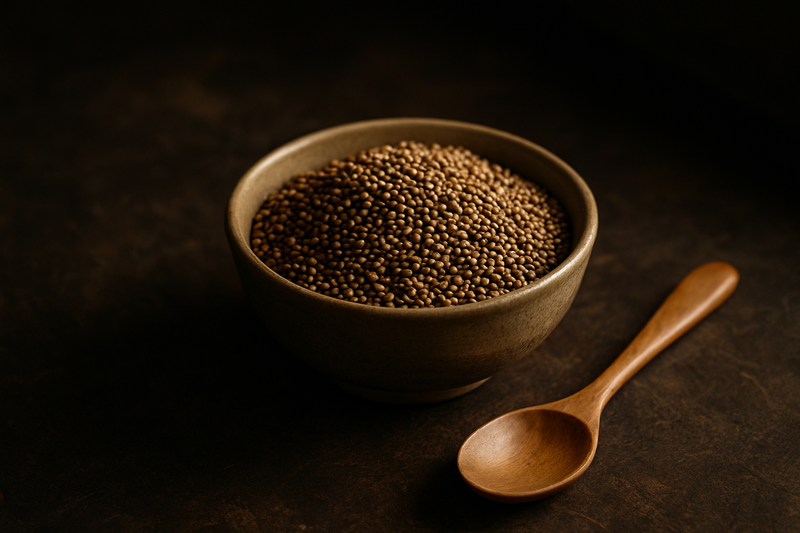
Perilla Oil · Photograph
Perilla oil is a pale golden seed oil pressed from the seeds of Perilla frutescens, an aromatic herb native to East and Southeast Asia and a staple ingredient in Korean, Japanese, and Chinese cuisines. It has attracted growing attention in the West mainly because of its extraordinarily high content of alpha-linolenic acid (ALA) — the plant-based omega-3 fatty acid — which can make up more than half of its total fat content, a proportion higher than almost any other common food oil.
Key Nutrients
% Daily Value based on 2,000 cal diet
Key active compounds
- Alpha-linolenic acid (ALA, n-3) — An essential omega-3 polyunsaturated fatty acid, meaning the body cannot make it and must get it from food. ALA makes up 50–65% of perilla seed oil and is the primary reason for its cardiometabolic and anti-inflammatory interest.
- Linoleic acid (LA, n-6) — An essential omega-6 polyunsaturated fatty acid. Present in smaller amounts in perilla oil; supports skin barrier function and cell membrane integrity.
- Oleic acid (MUFA) — A monounsaturated fatty acid (the main fat in olive oil). Present in modest amounts; associated with improved lipid profiles when it replaces saturated fat.
- Rosmarinic acid — A polyphenol (a plant-derived antioxidant compound) found in perilla leaves and, to a lesser extent, in the seed oil. Associated with anti-inflammatory and anti-allergic effects in human and preclinical research.
- Luteolin and related flavonoids — Flavonoids are a class of plant antioxidant pigments. These show anti-inflammatory and anti-allergic activity in cell and animal studies, including inhibition of histamine release.
- Vitamin E (tocopherols) — A fat-soluble antioxidant that protects cell membranes and helps slow the oxidation of the oil itself in the bottle.
- Perillyl alcohol — A monoterpene (a small plant aromatic compound) present mainly in the essential oil fraction of perilla, not typically in significant amounts in culinary seed oil. Shows anticancer activity in lab and animal models only.
Prep and pairing ideas
Perilla oil shines as a finishing and flavoring oil rather than a cooking fat. Its flavor is distinctive — slightly nutty, herbal, and faintly grassy — and it works especially well in East Asian-inspired dishes.
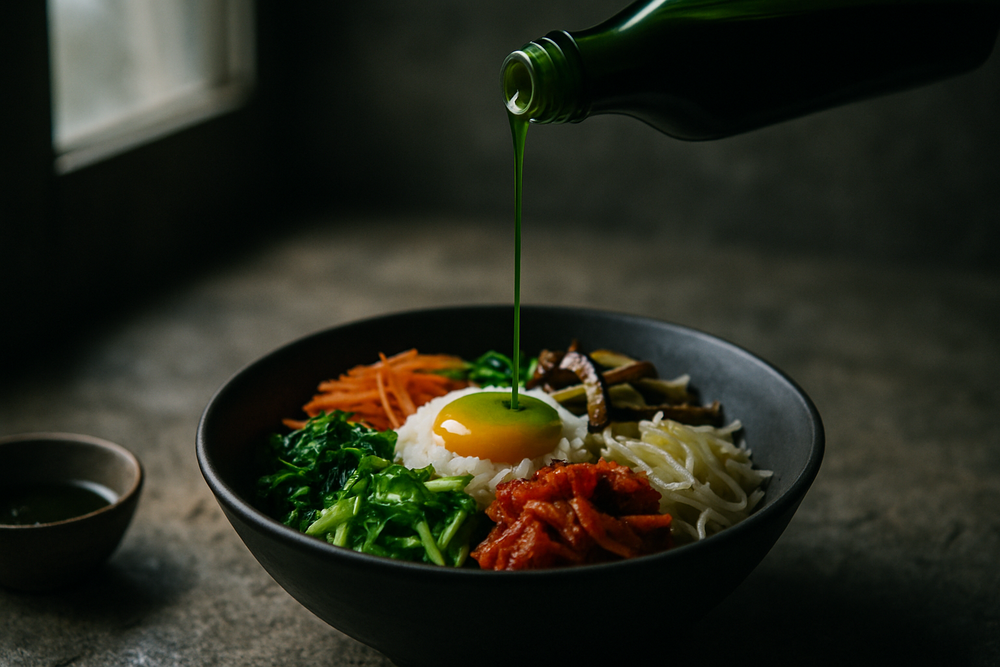
- Korean bibimbap or rice bowls: Drizzle a small amount over the finished bowl just before eating. The oil adds fragrance and healthy fat to complement the vegetables and grains.
- Cold noodle dishes: Toss cooked soba or glass noodles with a dressing of perilla oil, rice vinegar, tamari, and sesame seeds. The oil does not need to be heated.
- Salad dressings and dipping sauces: Whisk with citrus juice, miso paste, or ginger for a simple plant-based dressing. Combining with a small amount of emulsifier (mustard, tahini) helps it stay blended.
Optional module: Buying guide
Cold-pressed vs. refined: Choose cold-pressed (expeller-pressed) perilla oil, which preserves more of the oil's natural antioxidants and phytochemicals. Refined perilla oil has a more neutral flavor but may have lower polyphenol content
How Perilla Oil Compares
| Compared with | What's different |
|---|---|
| Perilla Oil vs. Sesame Oil | Perilla oil has a significantly higher omega-3 content (50-60%) compared to 10-15% in sesame oil. |
| Perilla Oil vs. Flaxseed Oil | Perilla oil contains about 8.5g of ALA per tablespoon, roughly 1g more than flaxseed oil. |
Health Benefits
Things to Know
WFPB limitation (important): In a strict whole-food, plant-based framework, all extracted oils — including perilla — are minimized or avoided. Extracting oil removes the fiber, protein, and most micronutrients from the source food, leaving a calorie-dense product. If you follow a strict WFPB pattern, ground flaxseed, chia seeds, hemp seeds, and walnuts are preferred ALA sources.
Oxidation and storage: Perilla oil goes rancid quickly. Store it in a cool, dark place in a tightly sealed dark glass bottle. Rancid oil (which smells "off" or paint-like) may promote oxidative stress rather than reduce it. Refrigeration after opening is recommended.
Allergy risk: People with known allergies to perilla, other mint-family herbs (basil, oregano, sage), or seed oils should introduce perilla oil cautiously and watch for reactions.
Anticoagulant medications: High-dose omega-3-rich oils theoretically may increase bleeding time. While this is better documented for fish oil than perilla, caution is warranted if you take warfarin, aspirin, clopidogrel, or other blood thinners. Discuss with your prescriber before using perilla oil as a regular supplement.
Pregnancy and breastfeeding: Insufficient safety data exist for supplemental perilla oil use in pregnancy or while nursing. Culinary use in small amounts as a condiment is different from daily supplementation; err on the side of caution and consult your midwife or doctor.
Antihypertensive medications: Large shifts in dietary fat composition can modestly influence blood pressure; inform your clinician if you are introducing a new oil supplement while on blood pressure medication.
Not a treatment: Perilla oil is not approved to treat, cure, or prevent any medical condition. Use it as a food ingredient, not as a replacement for prescribed therapies.
Prep Ideas
- — Korean bibimbap or rice bowls: Drizzle a small amount over the finished bowl just before eating. The oil adds fragrance and healthy fat to complement the vegetables and grains.
- — Cold noodle dishes: Toss cooked soba or glass noodles with a dressing of perilla oil, rice vinegar, tamari, and sesame seeds. The oil does not need to be heated.
- — Salad dressings and dipping sauces: Whisk with citrus juice, miso paste, or ginger for a simple plant-based dressing. Combining with a small amount of emulsifier (mustard, tahini) helps it stay blended.
Shop This Ingredient
Stock your pantry with quality perilla oil.
Buy on AmazonAs an Amazon Associate, Plantopedia earns from qualifying purchases. This costs you nothing extra and helps us keep the encyclopedia free.
Frequently Asked Questions
Heart and circulation Perilla oil's high ALA content links it to cardiovascular benefit through several plausible pathways: ALA is associated with improved blood lipid profiles, reduced platelet aggregation (clumping), and lower inflammatory markers in research on plant oils generally. A preclinical study published in 2025 (PMC12026981) found that perilla seed oil reduced triglycerides, total cholesterol, and oxidative stress markers in a hyperlipidemic (high blood fat) animal model. The honest caveat: this is mainly animal and mechanistic data, not large human trials specific to perilla oil. Major public health guidelines from MyPlate and Harvard's Healthy Eating Plate recommend replacing saturated fats with unsaturated plant oils — a category perilla oil fits — but do not single it out over better-studied alternatives like olive or flaxseed oil. Evidence for perilla oil improving hard cardiovascular outcomes (heart attacks, strokes) in humans is not yet available. Digestive health and microbiome Perilla has a long history in East Asian and traditional Chinese medicine as a remedy for digestive complaints and as a protective accompaniment to raw shellfish. Preclinical studies suggest antimicrobial and antispasmodic mechanisms. As an oil, it may have a mild lubricating effect on the gut, common to dietary fats generally. Controlled human trials on perilla oil and digestive outcomes are essentially absent. If digestive health is your primary goal, whole-food sources rich in fiber — such as whole perilla seeds, legumes, and vegetables — are far better supported. Blood sugar and metabolism Some animal models of metabolic syndrome show improvements in blood glucose and lipid parameters with perilla oil supplementation, likely driven by its ALA content and antioxidant compounds. There is a biological rationale: replacing saturated fat with polyunsaturated fat can improve insulin sensitivity over time. That said, direct human trials on perilla oil and blood sugar are lacking. People managing diabetes or prediabetes should not consider perilla oil a treatment, and any dietary changes should be made in consultation with a healthcare provider. Inflammation and recovery Rosmarinic acid and other phenolic compounds in perilla preparations show meaningful anti-inflammatory activity in cell and animal studies, including suppression of inflammatory signaling molecules called cytokines (chemical messengers that regulate immune responses). A small but notable human study used a rosmarinic-acid-enriched perilla leaf decoction — not the seed oil — and found significant reductions in hay fever (seasonal allergic rhinoconjunctivitis) symptoms including watery eyes and itchy nose. A separate small pilot study suggested that 10–20 g of perilla seed oil daily for four weeks modestly improved asthma symptoms. These results are interesting but preliminary: the allergy and asthma studies are small, and the more promising results came from whole-leaf preparations, not the culinary oil. Perilla oil should not replace prescribed medication for asthma or allergies. Hormones and cycle health There is currently no meaningful human clinical evidence that perilla oil directly modulates sex hormones, thyroid hormones, or menstrual cycle patterns. Any indirect connections (e.g., via reduced systemic inflammation) remain speculative. Perilla is not a phytoestrogen-rich food, and hormone-focused claims should be treated as unproven.
Optional module: Myths vs. facts Myth 1: "Perilla oil is interchangeable with fish oil for omega-3s." Fact: Perilla oil provides ALA, a plant-based omega-3. Fish oil provides EPA and DHA, the long-chain forms your body uses most directly. The body can convert ALA to EPA and DHA, but conversion rates are low and variable (often under 5–10%). For people who cannot or do not eat fish, ALA-rich oils like perilla are a valuable contribution, but they are not a direct substitute. Myth 2: "You can cook with perilla oil just like sesame or olive oil." Fact: Perilla oil has a very low smoke point relative to other culinary oils because of its high polyunsaturated fat content. Heating it at high temperatures causes it to oxidize rapidly, which can degrade its beneficial compounds and produce undesirable breakdown products. Use it as a finishing oil — drizzled on after cooking — not for stir-frying or roasting. Myth 3: "More perilla oil is better for inflammation." Fact: Adding large amounts of any extracted oil increases calorie density significantly without adding fiber or other nutrients. Whole-food omega-3 sources like ground flaxseed and chia seeds deliver ALA alongside fiber, lignans, and protein, which provide broader metabolic benefit. The research that showed the most meaningful anti-inflammatory and anti-allergic results in humans used whole perilla leaf preparations, not large doses of the isolated oil.
Quick Answers
Common questions, answered in a line.
Perilla oil is one of the richest plant sources of alpha-linolenic acid (ALA), an essential omega-3 fatty acid that makes up 50–65% of its total fat content. This concentration is higher than almost any other common food oil, making it a primary choice for those seeking plant-based omega-3s.
Perilla oil is best used as a finishing or flavoring oil for cold dishes like bibimbap, noodle salads, and dipping sauces. Because it is sensitive to heat, it should be drizzled over food just before serving rather than used as a high-heat cooking fat to preserve its nutritional integrity.
Perilla oil should be stored in a tightly sealed dark glass bottle in a cool, dark place, with refrigeration recommended after opening. Because of its high polyunsaturated fat content, it goes rancid quickly; if it smells "off" or like paint, it should be discarded to avoid promoting oxidative stress.
Perilla oil contains rosmarinic acid, luteolin, and vitamin E, which are plant-derived antioxidants that help protect cell membranes. These compounds are associated with anti-inflammatory and anti-allergic activity, including the inhibition of histamine release in cell studies.
You should consult a doctor before using perilla oil regularly if you take blood thinners, such as warfarin or aspirin, or antihypertensive medications. High-dose omega-3 oils may theoretically increase bleeding time, and significant changes in dietary fat can modestly influence blood pressure management.
While perilla oil provides healthy fats, a strict whole-food, plant-based (WFPB) diet minimizes extracted oils because the refining process removes the fiber and protein found in the original seed. WFPB followers often prefer getting ALA from whole sources like ground flaxseed, chia seeds, or walnuts.
For Readers in the USA
Local context — sourcing, seasonality, and regional notes.
You can find perilla oil at major H-Mart locations, local Korean grocers, and via nationwide online health retailers like Amazon or Thrive Market. While it is less common at traditional US supermarkets like Kroger or Safeway, specialty health stores such as Whole Foods sometimes stock it in the international or seed oil aisle.
In the US, perilla (also known as shiso) is primarily grown in USDA Hardiness Zones 5–10, with peak harvest for seeds occurring in the late summer and early fall. Many American gardeners grow it as a heat-tolerant annual, and fresh leaves are often available at farmers markets in cities with vibrant Asian-American communities.
For the highest quality, look for perilla oil bottles bearing the USDA Organic seal to ensure the seeds were grown without synthetic pesticides or fertilizers. Always check the label for "Product of Korea" or "Bottled in USA" to verify the origin and ensure it meets FDA labeling requirements for dietary fats and allergens.
Japanese-American cuisine often refers to the plant as Shiso, while Korean-American communities generally call it Deulkae or Perilla. While "Shiso" is the name most common on sushi menus in the US, the oil pressed from the seeds is almost universally marketed as "Perilla Seed Oil" in health and specialty shops.
AI Clinical Review
- Accurately highlights perilla oil as one of the richest plant sources of ALA (about 50–65% of its fat), and explains that ALA conversion to EPA/DHA is limited, so it’s not a fish-oil substitute.
- Keeps the evidence tempered: most benefits are inferred from ALA or early studies, with few robust human trials specific to perilla seed oil.
- Practical use guidance is sound—this oil oxidizes easily, so it’s best as a finishing oil and should be stored cool and protected from light.
- Puts perilla oil in context of whole-food options (flax, chia, walnuts) that deliver ALA with fiber and other nutrients.
- Cardiovascular outcomes: human trials specific to perilla oil are small or indirect; there’s no evidence yet for reduced heart attacks or strokes.
- Digestive and microbiome claims are mostly traditional use or preclinical data; controlled human studies are sparse.
- Anti-inflammatory/allergy findings are preliminary and often involve perilla leaf or rosmarinic-acid–enriched preparations rather than the culinary seed oil.
- Blood sugar and metabolic effects are suggested by animal work; high‑quality human studies (dose, duration, clinically meaningful endpoints) are needed.
- A little goes a long way: 1–2 teaspoons (5–10 mL) can provide roughly 2–6 g ALA, already meeting or exceeding the Adequate Intake (women 1.1 g/day; men 1.6 g/day). Larger amounts add calories without fiber or protein.
- Use cold‑pressed oil, avoid high heat, refrigerate after opening, and discard if the aroma turns sharp or “paint-like” (rancid).
- Check with a clinician if you have bleeding disorders or take anticoagulants/antiplatelets, are pregnant or breastfeeding, or have seed/mint‑family allergies or asthma.
- If you need reliable EPA/DHA for a medical reason (e.g., pregnancy targets, triglyceride management), discuss algae‑derived EPA/DHA rather than relying on ALA conversion alone.
Flag strict WFPB limitations for extracted oils and highly processed fat products.
References
- PMC, National Library of Medicine — Perilla Seed Oil: A Review of Health Effects, Encapsulation Strategies and Applications in Food (pmc.ncbi.nlm.nih.gov)
- PMC, National Library of Medicine — A comprehensive review on nutritional, nutraceutical, and industrial perspectives of perilla (Perilla frutscens L.) seeds - An orphan oilseed crop (pmc.ncbi.nlm.nih.gov)
- PubMed — Health effects of omega-3,6,9 fatty acids: Perilla frutescens is a good example of plant oils (pubmed.ncbi.nlm.nih.gov)
- PMC, National Library of Medicine — Perilla Seed Oil and Protein: Composition, Health Benefits, and Potential Applications in Functional Foods (pmc.ncbi.nlm.nih.gov)
- PubMed — Recent development in biological activities and safety concerns of perillaldehyde from perilla plants: A review (pubmed.ncbi.nlm.nih.gov)
- PubMed — Effects of perilla oil on plasma concentrations of cardioprotective (n-3) fatty acids and lipid profiles in mice (pubmed.ncbi.nlm.nih.gov)
- MDPI — 2072 6643 (mdpi.com)
- USDA FoodData Central — USDA FoodData Central (fdc.nal.usda.gov)
Know Your Numbers
Eating healthy is a start. Now get to know your biomarkers.
Food changes bloodwork — inflammation, lipids, blood sugar and nutrient status all respond to what you eat. 59 markers from $59.
- Results in 7–10 days at 2,000+ Quest sites
- Licensed provider reviews every result
- One flat price, no membership, HSA/FSA eligible
Educational information only, not medical advice. Panels are ordered and reviewed through our licensed partner; Plantopedia may earn a commission.