Cashew Butter — health benefits and uses
Fat, texture, and satiety angle; clarify strict WFPB vs flexible plant-based use
The Short Answer
Cashew butter is a nutrient-dense spread providing 5.6g of protein and 67% of your daily copper needs in a 2-tablespoon serving. Its high monounsaturated fat content supports heart health, while magnesium and zinc aid energy metabolism and immune function.
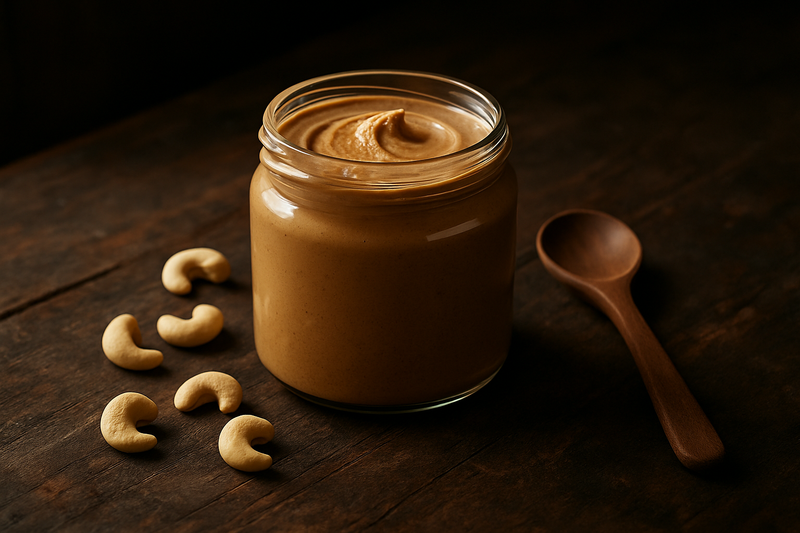
Cashew Butter · Photograph
Cashew butter (Anacardium occidentale) is a smooth, creamy spread made from ground cashew nuts. Rich in heart-healthy unsaturated fats and essential minerals, it can support cardiovascular health and provide sustained energy when used mindfully. However, its calorie density means portion control is key, especially for weight management and whole food plant-based (WFPB) eating patterns.
Key Nutrients
% Daily Value based on 2,000 cal diet
Key active compounds
- Monounsaturated fatty acids (oleic acid) - Heart-protective fats that may help lower LDL cholesterol
- Polyunsaturated fatty acids - Essential fats supporting cell membrane function
- Plant protein - Complete amino acid profile for muscle maintenance and satiety
- Magnesium - Critical for energy metabolism, muscle function, and bone health
- Copper - Essential for iron absorption and connective tissue formation
- Zinc - Supports immune function and wound healing
- Vitamin E - Fat-soluble antioxidant protecting cell membranes
- Phosphorus - Important for bone structure and energy metabolism
Prep and pairing ideas
- Breakfast: Thin layer on whole grain toast with sliced banana
- Snacks: Apple slices with 1 tablespoon cashew butter for balanced nutrition
- Cooking: Base for dairy-free cream sauces, salad dressings, or smoothies
- Baking: Replace butter in recipes at a 3:4 ratio (3/4 cup cashew butter for 1 cup butter)
Buying guide
Fresh vs. processed options:
- Refrigerated single-ingredient: Often the freshest option with no preservatives
- Shelf-stable plain: Convenient and typically has good nutritional quality
- Flavored varieties: Usually contain added sugars and should be limited
- Raw vs. roasted: Both healthy; choose based on flavor preference
Label reading tips:
- Look for "cashews" as the only ingredient
- Avoid added oils, sugars, or hydrogenated fats
- Check for salt content if monitoring sodium
- Choose glass or BPA-free containers when possible
Bottom line
Cashew butter can be a valuable addition to a health-focused diet when used mindfully. Its heart-healthy fats, plant protein, and essential minerals support cardiovascular and metabolic health. However, success depends on appropriate portions and using it to replace less healthy fats rather than simply adding calories.
For most people, 1-2 tablespoons daily of unsweetened cashew butter provides benefits without compromising weight management goals. Those following stricter WFPB approaches may prefer smaller amounts or whole cashews for better fiber-to-calorie ratios.
Try our meal planner to see how cashew butter fits into your personalized nutrition goals.
How Cashew Butter Compares
| Compared with | What's different |
|---|---|
| Cashew Butter vs. Almond Butter | Sweeter and creamier with 67% DV of copper per serving, compared to almond's higher fiber content. |
| Cashew Butter vs. Peanut Butter | Lower in saturated fat and contains more magnesium, whereas peanut butter offers slightly more protein. |
Health Benefits
Things to Know
Tree nut allergy: Cashew butter can trigger severe allergic reactions in sensitive individuals
Portion awareness: Easy to overconsume due to calorie density and palatability
Weight management: Account for significant calories when tracking intake
WFPB considerations: Many whole food plant-based programs recommend limiting concentrated fats
Children: Use thin layers to prevent choking hazards
Kidney disease: May need monitoring of potassium and phosphorus intake
Pregnancy: Generally safe in normal food amounts unless allergic

Prep Ideas
- — Breakfast: Thin layer on whole grain toast with sliced banana
- — Snacks: Apple slices with 1 tablespoon cashew butter for balanced nutrition
- — Cooking: Base for dairy-free cream sauces, salad dressings, or smoothies
- — Baking: Replace butter in recipes at a 3:4 ratio (3/4 cup cashew butter for 1 cup butter)
Shop This Ingredient
Stock your pantry with quality cashew butter.
Buy on AmazonAs an Amazon Associate, Plantopedia earns from qualifying purchases. This costs you nothing extra and helps us keep the encyclopedia free.
Frequently Asked Questions
Heart and circulation Research on nuts broadly suggests regular consumption may support cardiovascular health through improved lipid profiles and reduced inflammation. Cashew butter's monounsaturated fats can help lower LDL ("bad") cholesterol when they replace saturated fats in the diet. The absence of dietary cholesterol and presence of potassium may also support healthy blood pressure patterns. Digestive health and microbiome The fiber content, while modest, contributes to digestive regularity and satiety. The smooth texture makes cashew butter easier to digest than whole nuts for people with chewing difficulties or certain gastrointestinal sensitivities. However, whole nuts provide more fiber per calorie, making them preferable for digestive health in WFPB approaches. Blood sugar and metabolism Cashew butter's combination of fat, protein, and fiber can help slow gastric emptying and moderate post-meal blood sugar spikes when paired with carbohydrates. This makes it useful for creating more balanced meals, though portion control remains essential due to its calorie density. Inflammation and recovery The vitamin E, polyphenols, and unsaturated fats in cashew butter may contribute to reduced oxidative stress and inflammation when part of an overall anti-inflammatory eating pattern. However, these benefits are most pronounced when cashew butter is used to replace more inflammatory foods rather than being added to an already optimal diet.
Single-ingredient, unsweetened cashew butter offers the cleanest nutritional profile. Raw versions preserve heat-sensitive nutrients, while roasted versions provide enhanced flavor. Both can be part of a healthy diet when chosen without added oils, sugars, or excess sodium. Avoid highly processed versions with hydrogenated oils, added sugars, or artificial ingredients. These move cashew butter from a minimally processed food toward the ultra-processed category, reducing its alignment with health-focused eating patterns.
People transitioning to plant-based eating may find cashew butter helpful for: Creating creamy sauces without dairy Adding satisfying richness to meals Supporting adequate calorie intake during dietary transitions Active individuals with higher energy needs might benefit from: Convenient portable energy source Post-workout recovery nutrition Sustained energy for endurance activities
Most nutrition guidance suggests 1-2 tablespoons daily as a reasonable upper limit for regular consumption. This provides beneficial nutrients while keeping calories manageable. Start with 1 tablespoon and assess how it fits into your overall calorie needs and health goals. For WFPB approaches, consider using smaller amounts (1-2 teaspoons) as a flavor accent rather than a primary calorie source, prioritizing whole nuts when possible.
Quick Answers
Common questions, answered in a line.
The primary ingredients in healthy cashew butter should be cashews alone, without added oils, sugars, or hydrogenated fats. When reading labels, look for "cashews" as the only ingredient and check for salt content if you are monitoring your sodium intake.
Cashew butter is an excellent source of magnesium, copper, zinc, phosphorus, and Vitamin E. These essential minerals and vitamins support critical functions such as energy metabolism, bone health, immune function, and iron absorption.
You can substitute cashew butter for regular butter in baking recipes by using a 3:4 ratio. Specifically, use 3/4 cup of cashew butter for every 1 cup of butter required to provide a plant-based alternative with heart-healthy fats.
Cashew butter can support heart health because it is rich in monounsaturated fatty acids, specifically oleic acid, which may help lower LDL cholesterol. It also contains polyunsaturated fats that support essential cell membrane functions.
People with a tree nut allergy should avoid cashew butter as it can trigger severe allergic reactions. Additionally, individuals with kidney disease may need to monitor their intake due to the phosphorus and potassium content found in the nut butter.
Cashew butter is a calorically dense food, so portion control is essential for weight management and whole food plant-based (WFPB) eating patterns. For most people, a daily serving of 1-2 tablespoons provides nutritional benefits without compromising weight goals.
Cashew butter is highly versatile and can be used as a base for dairy-free cream sauces, salad dressings, or as a nutritious addition to smoothies. For snacks and breakfast, try it spread on whole grain toast with banana or paired with apple slices.
For Readers in the USA
Local context — sourcing, seasonality, and regional notes.
You can find high-quality cashew butter at major US retailers like Whole Foods Market, Trader Joe’s, Sprouts, and Costco, as well as through online platforms like Thrive Market. Many natural food stores provide grinders for fresh, in-store processing to ensure no added oils.
While the US does not produce cashews commercially due to climate requirements, most cashew butter sold in America is processed domestically using nuts imported from tropical regions like Vietnam and Ivory Coast. Some specialty brands source from organic fair-trade farms in Brazil.
When shopping in the US, look for the USDA Organic seal to ensure the cashews were grown without synthetic pesticides and the Non-GMO Project Verified label for additional quality assurance. The FDA requires all labels to clearly disclose cashew as a major tree nut allergen.
AI Clinical Review
- Cashew butter is calorie-dense yet rich in predominantly unsaturated fats; using it in place of butter or cream cheese can support healthier cholesterol patterns.
- Portion guidance (about 1–2 tablespoons/day) is reasonable for most people and aligns with practical weight-management strategies.
- Choosing single-ingredient, unsweetened versions avoids added sugars, oils, and sodium that can erode health benefits.
- Cashew butter can help make balanced meals—its fat and protein slow digestion when paired with carbohydrate foods, which may blunt post‑meal glucose rises.
- Cashews provide meaningful minerals (notably magnesium and copper), which support energy metabolism and connective tissue health.
- Much of the cardiometabolic research is on mixed nuts or whole cashews; direct studies on cashew butter specifically are limited, so benefits are inferred.
- Anti‑inflammatory and antioxidant effects are suggestive but not definitive for hard outcomes (e.g., fewer cardiovascular events) when cashew butter is simply added rather than substituted for saturated fats.
- Protein quality nuance: cashew butter contains all essential amino acids but is relatively low in some (e.g., lysine), so it’s not a stand‑alone “complete” protein source; variety across the day matters.
- Vitamin E and fiber are present but modest compared with some other nut/seed butters (e.g., almond or peanut), so the choice of spread may shift specific nutrient trade‑offs.
- Typical serving: start with 1 tablespoon (~90–100 kcal); 1–2 tablespoons/day generally fits best when replacing, not adding to, other fats.
- Pick single‑ingredient, unsalted products; refrigerate after opening if you won’t use it within a few weeks to slow rancidity.
- Avoid if you have a tree‑nut allergy; people with severe allergies (and those with pistachio/mango sensitivities) should review with an allergist.
- Those with diabetes, chronic kidney disease (potassium/phosphorus management), or specific weight‑loss goals should discuss personalized portions with a clinician or dietitian.
Flag strict WFPB limitations for extracted oils and highly processed fat products.
References
- USDA FoodData Central - Cashew butter, plain nutrition data (fdc.nal.usda.gov)
- MyPlate - Oils and healthy fats guidance (myplate.gov)
- Harvard T.H. Chan School of Public Health - Healthy Eating Plate (nutritionsource.hsph.harvard.edu)
- American Heart Association - Dietary fats and cardiovascular health (heart.org)
- Journal of Nutrition - Tree nuts and cardiovascular risk factors (PubMed)
- Nutrients journal - Nut consumption and metabolic health outcomes (PubMed)
- Food and Function - Antioxidant properties of cashew products (PubMed)
- Clinical Nutrition - Nuts, satiety and weight management (PubMed)
Know Your Numbers
Eating healthy is a start. Now get to know your biomarkers.
Food changes bloodwork — inflammation, lipids, blood sugar and nutrient status all respond to what you eat. 59 markers from $59.
- Results in 7–10 days at 2,000+ Quest sites
- Licensed provider reviews every result
- One flat price, no membership, HSA/FSA eligible
Educational information only, not medical advice. Panels are ordered and reviewed through our licensed partner; Plantopedia may earn a commission.