Amchur (Mango Powder) — health benefits and uses
Used in Ayurvedic cooking as a digestive souring agent.
The Short Answer
Amchur is a tangy spice made from dried, ground green mangoes used to add acidity to dishes without adding moisture. It contains organic acids like tartaric and citric acid that brighten flavors and can help improve iron absorption from plant-based foods.

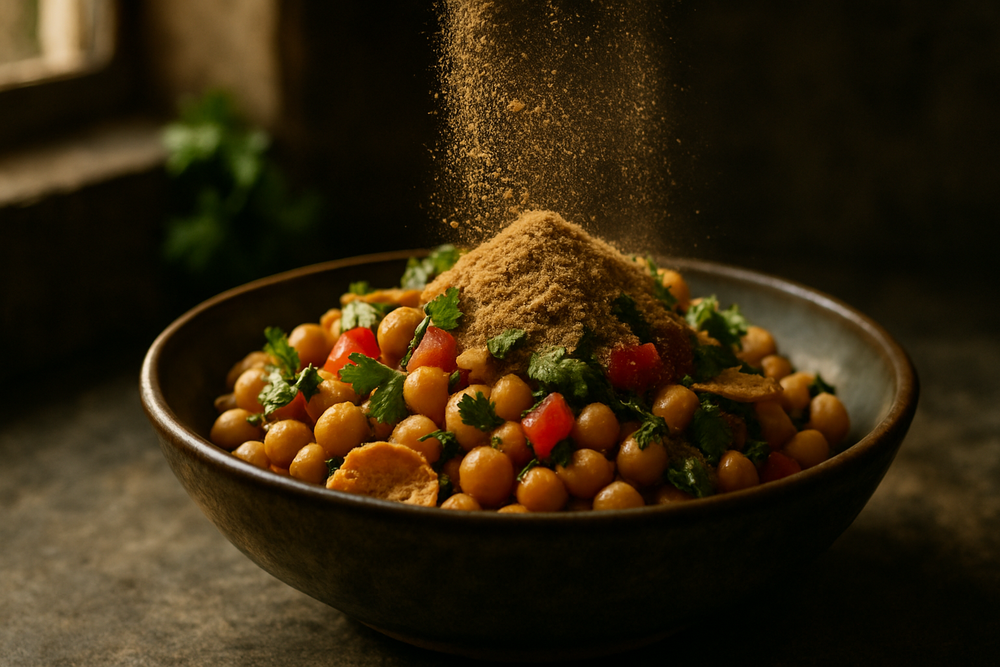
Amchur (Mango Powder) · Photograph
Discover amchur powder health benefits, nutrition facts, and everyday uses. Learn how this tangy dry mango powder supports digestion, immunity, and iron absorption — plus how to use it safely in curries, chaats, and marinades.
Key Nutrients
% Daily Value based on 2,000 cal diet
Key active compounds
Amchur gets its characteristic sourness and its potential health-relevant properties from a cluster of organic acids and plant-derived antioxidants preserved through the drying process.
- Tartaric acid — An organic acid naturally present in unripe mango; contributes to amchur's distinctively sharp sour note and may assist mineral absorption in the gut.
- Citric acid — A weak organic acid also found in citrus fruits; acts as a natural chelating agent (a compound that binds to minerals and helps the body absorb them) and enhances the tart flavor profile.
- Malic acid — A fruit acid linked to tart taste and mild antioxidant activity; contributes to the layered sourness that makes amchur taste more complex than plain citric acid.
- Polyphenols (fruit-derived antioxidants) — Bioactive plant compounds that can neutralize free radicals (unstable molecules that can damage cells). Mango is known to contain mangiferin and other polyphenols; some of these are likely retained after drying, though exact amounts in amchur are not well-documented in published analyses.
- Trace vitamin C (ascorbic acid) — Fresh unripe mango is rich in vitamin C; drying reduces but does not entirely eliminate it. Small amounts remain and can incrementally support daily intake.
Prep and pairing ideas
Amchur is one of the easiest spices to work with — no toasting required, no grinding, just measure and add.
Classic uses:
- Chaat and snacks: Dust ½ tsp over roasted chickpeas, popcorn, or sliced fruit for an instant tangy hit.
- Dal and curries: Stir ¼–½ tsp into cooked lentils in the last 2 minutes to brighten the whole dish without needing lemon juice.
- Marinades: Mix into dry rubs for tofu, tempeh, or vegetables before grilling or roasting — adds flavor without making the surface wet.
Who benefits most from amchur?
Plant-based home cooks looking to boost iron absorption
- You already eat plenty of legumes and leafy greens but want to do more to support iron uptake.
- Stirring amchur into dal, lentil soup, or a spinach stir-fry is a simple, evidence-aligned strategy.
- No need to change your meal structure — just replace some of the lemon juice or skip the vinegar in favor of ½ tsp amchur during cooking.
People reducing sodium without sacrificing flavor
- You have been told to cut salt but find low-sodium food bland and unsatisfying.
- Amchur's intense sourness activates taste receptors in a way that makes food feel more flavorful even without salt.
- Start with ¼ tsp in soups, stews, or grain bowls and adjust from there — a little goes a long way.
Common pairings and why they work
| Pairing | Why it works |
|---|---|
| Amchur + cooked lentils or chickpeas | Organic acids enhance non-heme iron absorption; the sour flavor cuts through starchy richness without adding liquid. |
| Amchur + cumin + coriander | Classic Indian flavor trio — amchur provides the sour element that rounds out earthy, warm spices and lifts the whole blend. |
| Amchur + roasted root vegetables (sweet potato, beet, carrot) | The natural sugars in roasted vegetables balance amchur's tartness; the combo creates a complex sweet-sour profile with no added sauces. |
Bottom line
Amchur powder is a genuinely useful whole-food spice: it concentrates the tang of unripe mango into a shelf-stable powder that adds sourness without liquid, sodium, fat, or added sugar. Its iron content is notable for a spice, and its organic acids provide a plausible — if not yet clinically proven — mechanism for supporting non-heme iron absorption from plant foods. Digestive comfort, modest antioxidant activity, and sodium reduction through flavor enhancement are the other credible benefits, even though direct human trials on amchur are lacking.
Use it in your kitchen for the flavor — the health contributions are a genuine bonus, not the main event. Pure, unsalted amchur is the form to prioritize. Check labels on commercial blends, go easy if you have acid reflux, and enjoy it as one colorful thread in a broad, varied, plant-rich diet.
How Amchur (Mango Powder) Compares
| Compared with | What's different |
|---|---|
| Amchur (Mango Powder) vs. Lemon Juice | Provides a sharper, cleaner acidity and adds liquid, whereas amchur is dry and mildly fruity. |
| Amchur (Mango Powder) vs. Sumac | Adds a nutty, smoky flavor and deep red color, whereas amchur is strictly used for its tartness. |
| Amchur (Mango Powder) vs. Vinegar | Derived from fermented sap or grains, providing a harsh liquid bite compared to amchur's fruit-based tang. |
Health Benefits
Things to Know
Mango allergy: If you are allergic to mango, avoid amchur. It is made directly from mango flesh and retains mango proteins.
Acid reflux and GERD: Large amounts of acidic spices can worsen heartburn, ulcers, or gastritis. Use amchur in small culinary quantities and observe how your body responds.
Low-sodium diets: Pure amchur powder is low in sodium. Many commercial blended products (chaat masala, spice mixes containing amchur) are not — some add significant salt. Always check the label if you manage hypertension, heart failure, or kidney disease.
Sensitive teeth or mouth: Regular exposure to highly acidic foods can cause discomfort for people with dental sensitivity or oral mucosa issues. Rinsing with water after meals with acidic spices is a sensible habit.
Iron supplements: Using amchur with iron-rich plant foods is a positive food pairing, but it does not replace prescribed iron therapy. Do not adjust iron supplementation based on spice use alone.
Pregnancy and breastfeeding: Amchur in culinary amounts is generally considered safe. No specific clinical warnings exist for pregnancy, but very large amounts (beyond normal cooking use) of any strongly acidic spice are not recommended during pregnancy. When in doubt, consult your midwife or healthcare provider.
Medication interactions: No specific drug–amchur interactions have been documented. Patients on antihypertensives who also need low sodium should choose pure, unsalted amchur.
Prep Ideas
- — Chaat and snacks: Dust ½ tsp over roasted chickpeas, popcorn, or sliced fruit for an instant tangy hit.
- — Dal and curries: Stir ¼–½ tsp into cooked lentils in the last 2 minutes to brighten the whole dish without needing lemon juice.
- — Marinades: Mix into dry rubs for tofu, tempeh, or vegetables before grilling or roasting — adds flavor without making the surface wet.
- — You already eat plenty of legumes and leafy greens but want to do more to support iron uptake.
- — Stirring amchur into dal, lentil soup, or a spinach stir-fry is a simple, evidence-aligned strategy.
- — No need to change your meal structure — just replace some of the lemon juice or skip the vinegar in favor of ½ tsp amchur during cooking.
- — You have been told to cut salt but find low-sodium food bland and unsatisfying.
- — Amchur's intense sourness activates taste receptors in a way that makes food feel more flavorful even without salt.
- — Start with ¼ tsp in soups, stews, or grain bowls and adjust from there — a little goes a long way.
Shop This Ingredient
Stock your pantry with quality amchur (mango powder).
Buy on AmazonAs an Amazon Associate, Plantopedia earns from qualifying purchases. This costs you nothing extra and helps us keep the encyclopedia free.
Frequently Asked Questions
It is worth being upfront: no large-scale human clinical trials have been conducted specifically on amchur powder. The benefits described below are either extrapolated from broader mango nutrition research, supported by plausible food-science mechanisms, or drawn from traditional use. Where evidence is emerging rather than established, we say so clearly. Digestive health and gut comfort Amchur has a long history in Ayurvedic practice as a digestive aid — and there is at least a plausible mechanism behind it. Sour, acidic ingredients can stimulate saliva and gastric secretions, which help the stomach begin breaking down food more efficiently. The modest fiber content (about 0.6 g per teaspoon) adds up when amchur is used daily across multiple dishes and can contribute to bowel regularity as part of a high-fiber diet. No controlled human trials have specifically tested amchur for digestive outcomes like bloating, dyspepsia, or irritable bowel syndrome (IBS). The digestive benefits are real in concept but have not been measured for this specific spice. If you find that sour spices settle your stomach after a heavy meal, amchur is a reasonable addition — just avoid large amounts if you have acid reflux or a sensitive stomach. Immune support and antioxidant activity Unripe mango is genuinely high in vitamin C — a well-established nutrient for immune function and collagen (the structural protein in skin and connective tissue) synthesis. Drying reduces vitamin C content, but small amounts survive. When you use amchur daily, those small amounts contribute incrementally to your overall intake. The polyphenols retained from mango pulp may also offer antioxidant protection — reducing oxidative stress (cellular damage caused by an excess of free radicals). However, no human trials have tested amchur specifically for immune outcomes, and any benefit from culinary quantities is likely modest. Think of it as one small contribution within a broader antioxidant-rich diet, not a standalone immune booster. Iron absorption support This is arguably amchur's most practical and evidence-aligned health benefit — even if the research is on the mechanism rather than on amchur itself. Vitamin C and organic acids like citric and tartaric acid are well-documented enhancers of non-heme iron absorption from plant foods. Squeezing lemon juice over a lentil dish is a classic example of this principle; using amchur achieves the same effect in dry form. If you eat a plant-based diet and rely on beans, lentils, tofu, or leafy greens for iron, pairing them with amchur is consistent with established nutrition science. It is not a substitute for medically advised iron therapy, but it is a sensible everyday strategy. Heart health and blood pressure There are no clinical trials examining amchur's direct effect on blood pressure or cholesterol. The indirect benefit is more credible: using intensely flavored souring agents like amchur can reduce the need for added salt while keeping food palatable. Reducing dietary sodium is an established approach to supporting healthy blood pressure. Pure amchur is virtually sodium-free, making it a genuinely useful tool for people cooking lower-sodium meals. The key caveat: commercial blends (especially chaat masala) can contain significant added salt — sometimes up to 300 mg sodium per 10 g serving — so read labels carefully if sodium is a concern. Inflammation and oxidative stress Mango-derived polyphenols have shown anti-inflammatory and antioxidant effects in cell and animal studies. Amchur retains some of these compounds after drying, but specific anti-inflammatory outcomes from culinary amounts of amchur in humans have not been measured. Any effect is likely subtle and should be understood as part of an overall plant-rich dietary pattern rather than as a targeted anti-inflammatory treatment. Blood sugar and metabolism The small quantities of amchur used in cooking (usually ≤2 teaspoons per dish) add minimal carbohydrates and glycemic load to a mixed meal. Some research on mango compounds suggests potential effects on carbohydrate metabolism, but this is based on animal models and different mango preparations — not amchur powder in humans. Practically, amchur helps make dishes flavorful without relying on sugary sauces, which is a useful indirect benefit for blood sugar management.
All three are legitimate souring agents — the choice depends on what a recipe needs. Amchur works best when you want dry, concentrated sourness with no added liquid. It blends seamlessly into spice rubs, dusted snacks, and dry marinades, and adds a fruity mango undertone that citrus cannot replicate. It also has the longest shelf life. Lemon juice delivers fresh, bright citrus flavor but adds liquid, which can dilute sauces or make fried foods soft. It provides more vitamin C per serving than amchur and is better for finishing dishes right before serving. Tamarind is deeper, darker, and more complex — closer to molasses-meets-sour. It is typically used in wet form (paste or block soaked in water), so it also adds liquid. It provides more fiber and minerals than amchur per serving but can overpower delicate flavors. For a WFPB kitchen, keeping all three on hand is practical. Amchur fills the "dry souring" role that neither lemon nor tamarind can.
There is no established therapeutic dose for amchur powder — it has not been studied as a supplement in human trials, and no regulatory body has set a recommended daily amount. What we do know comes from culinary practice. Typical culinary range: ¼ teaspoon to 2 teaspoons (approximately 1–10 g) per day, spread across meals. Practical guidance: Start with ¼ tsp if you are new to amchur or have a sensitive stomach. Assess flavor and tolerance before increasing. ½ to 1 tsp per dish is the most common cooking range for dals, curries, and salads. Up to 2 tsp might be used in strongly flavored marinades or chutneys, though this is at the higher end of typical use. There is no evidence that eating more amchur delivers proportionally greater benefits. Use it for flavor, not as a supplement strategy. If you have acid reflux, GERD, or a sensitive digestive system, keep daily use at the lower end (¼–½ tsp) and monitor your symptoms.
Quick Answers
Common questions, answered in a line.
Amchur contains organic acids like tartaric and citric acid, which act as chelating agents to help the body absorb minerals from food. These acids specifically support the uptake of non-heme iron from plant-based sources like lentils and leafy greens.
Amchur powder is a shelf-stable spice made from dried unripe mangoes that adds a concentrated tangy flavor to dishes without adding liquid or sodium. It is commonly used in curries, snacks, and marinades to provide a complex sourness similar to lemon juice.
Amchur powder contains fruit-derived antioxidants called polyphenols, including mangiferin, which help neutralize free radicals that can damage cells. While drying reduces some nutrients, the powder retains these bioactive compounds along with trace amounts of vitamin C.
Amchur is an excellent tool for salt reduction because its intense sourness activates taste receptors, making low-sodium food feel more flavorful and satisfying. Replacing salt with a small amount of amchur can brighten soups and stews without increasing sodium intake.
If you have a mango allergy, you must avoid amchur powder because it is made directly from mango flesh and retains the fruit's proteins. Additionally, those with acid reflux or GERD should use it sparingly, as its high acidity can worsen heartburn.
Amchur pairs exceptionally well with earthy spices like cumin and coriander, and its tartness balances the natural sugars in roasted root vegetables like sweet potatoes. It is also traditionally stirred into cooked lentils or chickpeas to cut through starchy richness.
For Readers in the USA
Local context — sourcing, seasonality, and regional notes.
You can find amchur at major US grocery chains like Whole Foods or Sprouts in the global flavors aisle, though it is most consistently stocked at local Indian grocery stores or through online spice retailers. Dedicated spice shops like Penzeys or The Spice House also carry high-quality versions of this dried mango powder.
When shopping for amchur in the US, look for the USDA Organic seal to ensure the green mangoes were grown without synthetic pesticides and the powder contains no artificial anti-caking agents. High-quality brands will list only "dried green mango" or "amchur" on the ingredient label without added salt or flour fillers.
While most amchur sold in the US is imported from India, Florida and Hawaii are the primary domestic regions where mangoes are grown, though commercial amchur production remains rare within the States. Some small-scale tropical fruit farms in South Florida may offer dried green mango products during the peak summer harvest season.
AI Clinical Review
- Clearly explains what amchur is and why a dry souring agent can be useful in cooking, especially for keeping textures crisp.
- Accurately notes that most health claims are extrapolated from mango research and general food-science mechanisms rather than trials on amchur itself.
- Highlights a credible, practical benefit: organic acids and small amounts of vitamin C can enhance non‑heme iron absorption when paired with legumes and leafy greens.
- Emphasizes that pure amchur is essentially sodium‑free and can help reduce reliance on added salt without sacrificing flavor.
- Antioxidant and anti‑inflammatory effects are biologically plausible but data on the actual polyphenol content of amchur, its stability after drying, and its impact at culinary doses in humans are limited.
- Digestive comfort claims (e.g., for bloating or dyspepsia) are based on tradition and plausible mechanisms; randomized human studies specific to amchur are lacking.
- Cardiometabolic outcomes (blood pressure, cholesterol, glycemia) have not been tested for amchur; any benefit is likely indirect via lower sodium use or replacing sugary sauces.
- Nutrient figures (e.g., iron, vitamin C) can vary by mango variety, drying method, storage, and brand; database values are estimates, not guarantees.
- Typical culinary use is 1/4–2 teaspoons per day; more isn’t known to confer extra health benefit—use primarily for flavor.
- Avoid if you have a known mango allergy. Those with GERD, gastritis, or mouth/dental sensitivity may need smaller amounts due to acidity.
- Choose pure amchur for low‑sodium cooking; blended mixes like chaat masala can contain substantial added salt—check labels.
- Amchur can support dietary iron absorption but does not replace evaluation or treatment for iron deficiency/anemia. Pregnant or breastfeeding individuals can use culinary amounts but should discuss any supplement‑like use with a clinician.
Safe in culinary amounts.
References
- USDA FoodData Central — searchable nutrition database for dried mango and amchur entries (fdc.nal.usda.gov)
- Organic Mandya: Amchur (Dry Mango Powder) nutrition overview, citing IFCT 2017 and USDA data (know.organicmandya.com)
- Kinome: Amchur complete nutrition facts and mineral analysis (kinome.app)
- Netmeds Health Library: Dry mango powder health benefits, uses, and side effects — includes Ayurvedic context and caution groups (netmeds.com)
- Spices Inc.: Bulk amchur / dried mango powder product and nutrition information (spicesinc.com)
- Slurrp: Amchur powder — nutritional overview and five health benefit areas, noting evidence is largely extrapolated from mango research (slurrp.com)
- Refresh Your Life: How amchur powder benefits gut health and immunity naturally — popular-format overview of digestive and immune claims (refreshyourlife.in)
- Dhadukandsons FPC: What is amchur powder — production process and culinary uses (dhadukandsonsfpc.com)
- Global Research Online (Vol. 9, Issue 1, Article 015): Academic review touching on mango-derived compounds and traditional uses — notes limited human trial data for dried mango preparations (globalresearchonline.net)
Know Your Numbers
Eating healthy is a start. Now get to know your biomarkers.
Food changes bloodwork — inflammation, lipids, blood sugar and nutrient status all respond to what you eat. 59 markers from $59.
- Results in 7–10 days at 2,000+ Quest sites
- Licensed provider reviews every result
- One flat price, no membership, HSA/FSA eligible
Educational information only, not medical advice. Panels are ordered and reviewed through our licensed partner; Plantopedia may earn a commission.