Basil Seeds — health benefits and uses
An Ayurvedic and Southeast Asian cooling food used to beat summer heat.
The Short Answer
Basil seeds, or sabja, are high-fiber seeds that form a gelatinous coating when soaked, commonly used to improve digestion and support blood sugar management. They are particularly rich in calcium and iron, providing 15g of fiber per 2-tablespoon serving.
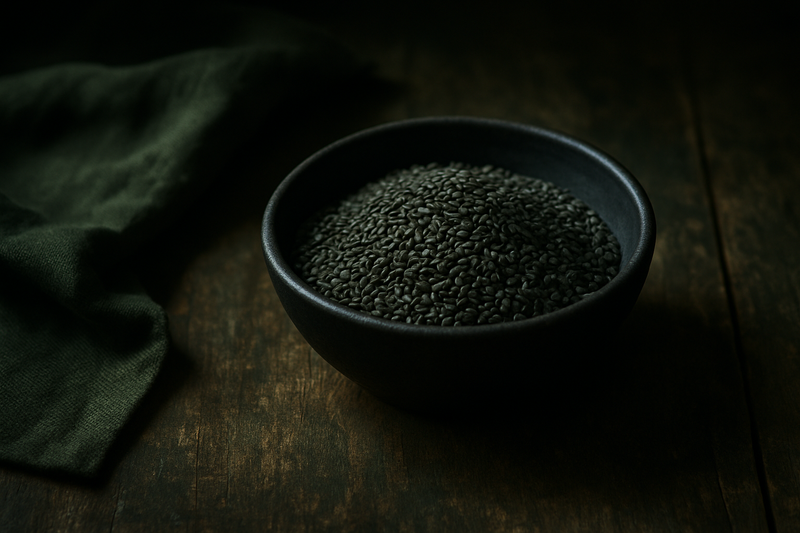
Basil Seeds · Photograph
Discover basil seeds benefits and how to use sabja (tukmaria) safely — from soaking instructions and choking risk guidance to fiber, calcium, and blood sugar research. A practical, evidence-aligned guide for everyday use.
Key Nutrients
% Daily Value based on 2,000 cal diet
Key active compounds
- Mucilage (gel-forming soluble fiber): The thick polysaccharide (a type of complex carbohydrate) gel that forms around each seed in water. It slows digestion, supports satiety, and adds bulk to stools.
- Alpha-linolenic acid (ALA): The primary plant-based omega-3 fatty acid in basil seeds. ALA is a precursor — a starting material — for the longer-chain omega-3s linked to heart and brain health. The body converts it inefficiently, but regular intake still contributes to overall omega-3 status.
- Flavonoids: Polyphenolic plant compounds (including flavones and flavonols) with antioxidant properties. Antioxidants help neutralize free radicals — unstable molecules that can damage cells over time.
- Phenolic acids: Aromatic compounds that also act as antioxidants and may help modulate inflammatory pathways, according to laboratory studies.
- Insoluble fiber: Works alongside mucilage to add stool bulk and support regular bowel movements.
What are basil seeds actually good for? Key health benefits
Digestive health and microbiome
This is the most evidence-supported area. Two tablespoons of basil seeds provide about 15 g of dietary fiber — a blend of soluble mucilage and insoluble fiber. Research on high-fiber diets consistently links this kind of intake to softer stools, more regular bowel movements, and a more diverse gut microbiome (the community of bacteria living in your intestines).
The mucilage specifically acts like a sponge in the gut: it retains water, gels around food particles, and slows the passage of digested material from the stomach into the small intestine. This slower transit can reduce constipation and may ease occasional bloating associated with rapid gut emptying. Human clinical trials focused specifically on basil seeds for constipation or irritable bowel syndrome (IBS) are still limited, so current digestive claims rest partly on the broader fiber science applied to basil seeds' composition.
Blood sugar and metabolism
Slowing gastric emptying — how quickly food leaves the stomach — is one of the key mechanisms by which viscous fiber can lower postprandial blood glucose, meaning the rise in blood sugar that happens after a meal. Small human studies and food-formulation trials (where basil seed gum was added to bread or drinks) suggest that basil seeds or their extracted gum can reduce the glycemic index (a measure of how quickly a food raises blood sugar) of a meal.
These trials are short-term and small in scale, and most used basil-seed-enriched products rather than plain soaked seeds. The takeaway: evidence is emerging but not definitive. If you have diabetes or pre-diabetes, basil seeds may be a useful fiber-rich addition to meals — but they are not a substitute for medication or medical management.
Heart and circulation
Basil seeds contain ALA omega-3 fat, viscous soluble fiber, and antioxidant polyphenols — a combination that, across the broader nutrition literature, is associated with lower LDL cholesterol (often called "bad" cholesterol), improved lipid profiles, and reduced cardiometabolic risk (the combined risk of heart disease, stroke, and diabetes-related complications).
Direct clinical trials isolating basil seeds and measuring changes in blood lipids or blood pressure are minimal. Current heart health benefits are inferred from the seeds' nutrient composition and parallels with other ALA- and fiber-rich seeds such as chia and flaxseed. Promising, but treat this as supportive nutrition, not cardiology treatment.
Inflammation and recovery
Laboratory and animal studies show that basil seeds contain phenolic compounds and flavonoids that can reduce oxidative stress and dampen inflammatory signaling in cells. These mechanistic findings are interesting, but they have not yet been confirmed in large human trials focused on inflammatory conditions. Anti-inflammatory benefits remain early-stage evidence.
Appetite control and weight management
Because soaked basil seeds expand dramatically, they add significant volume and a filling texture with relatively few calories from sugar or saturated fat. Early studies with basil-seed-enriched foods report increased feelings of fullness compared to control foods, though long-term weight-loss trials are lacking. The fiber and gel content mechanistically support appetite control — but this is not a magic weight-loss tool. It works best as part of an overall high-fiber, whole-food eating pattern.
How to soak basil seeds (sabja) — and why the form matters
Always soak before eating. Dry basil seeds expand to 20–30 times their volume in liquid. If swallowed dry, they can swell in the throat or esophagus (the tube from mouth to stomach) and create a serious choking or blockage risk. This is the single most important safety rule for basil seeds.
How to soak correctly:
- Measure 1–2 tablespoons of dry seeds.
- Add to at least 1 cup (240 ml) of water — or more, roughly 10–15 times the seed volume.
- Stir immediately to prevent clumping.
- Wait 15–30 minutes, stirring once or twice, until each seed is surrounded by a clear, uniform gel.
- The soaked seeds can be used straight away or refrigerated for up to 2 days.
Forms compared:
| Form | Best for | Notes |
|---|---|---|
| Soaked whole seeds in drinks | Falooda, lemonade, sherbets | Most traditional; cooling in summer heat |
| Soaked seeds in puddings | Dairy-free desserts, fruit bowls | Acts similarly to chia; adds texture |
| Blended into smoothies or yogurt | Fiber boost, post-workout snack | Pre-soak first for even texture |
| Basil seed flour or enriched baked goods | Research settings, specialty baking | Lowers glycemic index of breads |
| Basil seed gum/mucilage extract | Functional food formulations | Used in clinical studies; not widely sold retail |
For everyday use, the soaked whole seed form is the most practical, most studied in culinary settings, and the safest option.
Prep and pairing ideas
Basil seeds are mild, almost tasteless on their own — their value is textural and nutritional, which makes them easy to drop into many recipes.
Classic falooda: Soak seeds for 20 minutes, then layer into a tall glass with rose syrup, chilled milk (or oat milk), thin rice noodles, and a scoop of vanilla ice cream. Top with more soaked seeds and a sprinkle of crushed pistachios.
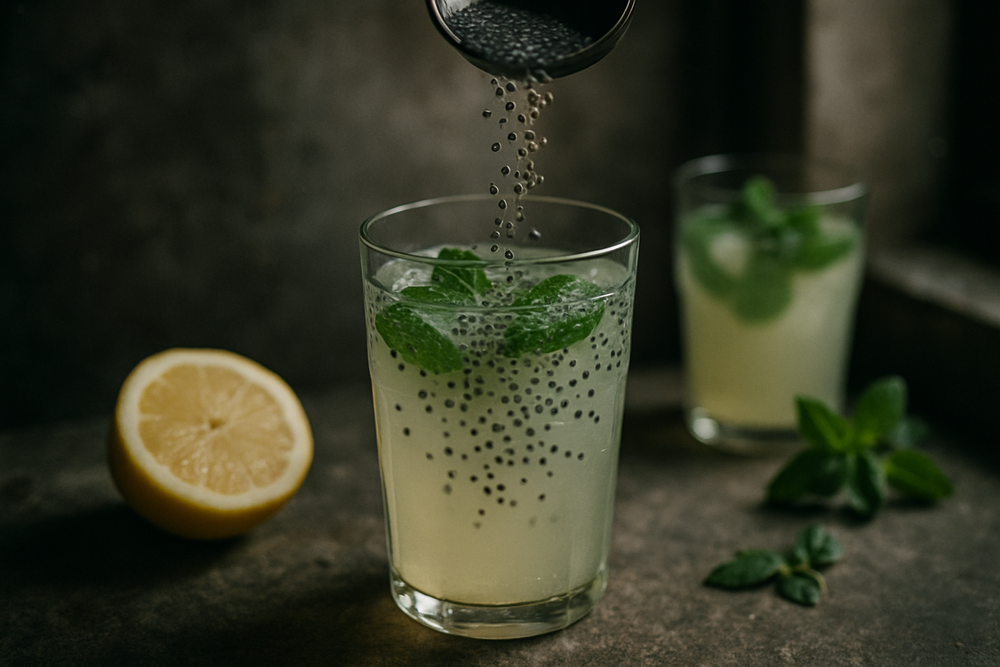
Sabja lemon cooler: Stir 1 tablespoon of soaked seeds into a glass of cold sparkling water with fresh lemon juice, a pinch of pink salt, and honey or maple syrup to taste. A fast, hydrating summer drink.
Coconut basil pudding: Mix soaked seeds into full-fat coconut milk with a little vanilla extract and maple syrup. Refrigerate 1 hour until set, then top with mango cubes. No cooking required.
Common pairings and why they work:
- Basil seeds + citrus drinks — The neutral gel soaks up citrus flavors without competing. Lemon, lime, and orange all work. The fiber also slows sugar absorption from fruit juice, smoothing the glycemic response.
- Basil seeds + overnight oats — Both are high in soluble fiber. Combined, they create an especially filling, gut-friendly breakfast. Add a tablespoon of pre-soaked seeds just before refrigerating.
- Basil seeds + plant-based milk puddings — The mucilage acts as a natural thickener (similar to gelatin but plant-derived), setting puddings without cooking. Pairs particularly well with almond, oat, or coconut milk and fresh fruit.
Bottom line
Basil seeds are a genuine whole-plant food with an impressive nutritional profile: high fiber (especially the gel-forming soluble kind), meaningful calcium and iron for such a small serving, plant-based omega-3s, and antioxidant polyphenols. The research base is growing but still early-stage — most human evidence comes from small, short-term studies, and many benefits are reasonably inferred from the broader fiber and omega-3 science rather than basil-seed-specific clinical trials.
What's clear: they are a safe, versatile, and nutritionally dense addition to an everyday eating pattern when soaked correctly. What needs more research: their precise effects on blood lipids, long-term weight management, and inflammation in human populations.
The one non-negotiable rule: always soak before eating. Beyond that, they are one of the more interesting whole-food additions you can stir into a summer drink or morning pudding — with real nutritional upside and very few downsides when used sensibly.
Looking for more ways to reach your health goals with whole foods? Browse our goals hub to find ingredient guides matched to what matters most to you.
How Basil Seeds Compares
| Compared with | What's different |
|---|---|
| Basil Seeds vs. Chia Seeds | Basil seeds are larger, take longer to soak, and provide more fiber per serving. |
| Basil Seeds vs. Hemp Hearts | Basil seeds form a thick outer gel when soaked, whereas hemp hearts remain soft and nutty. |
Health Benefits
Things to Know
Choking hazard — always hydrate first.: Never eat dry basil seeds. This applies especially to young children, older adults, and anyone with swallowing difficulties (dysphagia) or a history of esophageal problems.
Ramp up gradually.: Jumping straight to 2 tablespoons daily can cause bloating, gas, or loose stools. Start with 1 teaspoon soaked in plenty of water and increase slowly over 1–2 weeks as your gut adapts.
Drink plenty of fluid.: High-fiber foods work best with adequate water intake — aim for at least 1–2 extra cups of water per day when adding basil seeds regularly.
Medication timing.: Viscous fiber can slow the absorption of oral medications taken at the same time. Separate any medications (especially thyroid, anti-seizure, or glucose-lowering drugs) from large basil seed servings by at least 1–2 hours. Always check with your pharmacist.
Diabetes medication users.: Basil seeds may have an additive blood-sugar-lowering effect alongside insulin, sulfonylureas, GLP-1 agonists, or SGLT2 inhibitors. Monitor blood glucose and consult your clinician before making large dietary changes.
Fluid-restricted diets.: Basil seeds are typically consumed with substantial liquid. If you are on a fluid-restricted diet (some heart or kidney conditions), talk to your dietitian before adding them regularly.
Pregnancy and breastfeeding.: Culinary amounts of soaked seeds are unlikely to be a concern, but high-dose extracts or supplements lack safety data — stick to food amounts and check with your provider.
IBS and IBD flares.: High-fiber foods can aggravate symptoms during active flares of irritable bowel syndrome or inflammatory bowel disease. Introduce cautiously or wait until symptoms are stable.
Prep Ideas
- — **Basil seeds + citrus drinks** — The neutral gel soaks up citrus flavors without competing. Lemon, lime, and orange all work. The fiber also slows sugar absorption from fruit juice, smoothing the glycemic response.
- — **Basil seeds + overnight oats** — Both are high in soluble fiber. Combined, they create an especially filling, gut-friendly breakfast. Add a tablespoon of pre-soaked seeds just before refrigerating.
- — **Basil seeds + plant-based milk puddings** — The mucilage acts as a natural thickener (similar to gelatin but plant-derived), setting puddings without cooking. Pairs particularly well with almond, oat, or coconut milk and fresh fruit.
Glossary
Shop This Ingredient
Stock your pantry with quality basil seeds.
Buy on AmazonAs an Amazon Associate, Plantopedia earns from qualifying purchases. This costs you nothing extra and helps us keep the encyclopedia free.
Frequently Asked Questions
The high-fiber seeker Struggling to hit daily fiber targets (38 g for men, 25 g for women)? Two tablespoons of basil seeds provide more than half the daily target in one go. Pairs well with smoothies, oatmeal, or lemon water for an easy fiber boost. The dairy-free calcium hunter Avoiding dairy but worried about bone health and calcium intake? Basil seeds deliver 370 mg of calcium per serving — about 30% of the daily value — from a whole plant food. Combined with vitamin D from sunlight or a supplement, they can be a meaningful part of a dairy-free bone-health strategy.
Most culinary and research uses fall in the range of 1–2 tablespoons (approximately 5–13 g per tablespoon) of dry basil seeds per day, always soaked before eating. This translates to around 7–15 g of fiber from basil seeds alone. Practical guidance: Start: ½ to 1 teaspoon dry seeds, soaked, once daily. See how your digestive system responds over the first week. Build: If you tolerate the fiber well — no bloating, gas, or loose stools — gradually increase to 1 tablespoon daily over 2–3 weeks. Typical ceiling: 2 tablespoons daily is widely used in recipes and studies. There is no established upper limit, but more is not necessarily better, and large amounts increase GI side-effect risk and may slow medication absorption. Hydration rule: Always drink at least one full glass of water with or after your basil seed serving. The gel absorbs water in the gut and needs adequate fluid to move comfortably. No official recommended daily intake has been set for basil seeds specifically. Treat them as a fiber-rich food addition, not a supplement with a precise therapeutic dose.
Quick Answers
Common questions, answered in a line.
You must always soak basil seeds before eating because they expand 20 to 30 times their original size in liquid. Consuming them dry creates a serious choking or blockage risk in the throat or esophagus. Hydrate 1–2 tablespoons of seeds in at least one cup of water for 15–30 minutes until a uniform gel forms.
Basil seeds contain a blend of soluble mucilage and insoluble fiber that promotes softer stools and more regular bowel movements. The seeds' mucilage acts like a sponge, retaining water and adding bulk to stools. This process can help reduce constipation and support a more diverse gut microbiome.
Basil seeds may help lower blood sugar by slowing down gastric emptying, which reduces the rise in glucose after a meal. The viscous fiber in the seeds can also lower the glycemic index of the foods they are paired with. While promising, this evidence is currently considered emerging rather than definitive.
Basil seeds contain alpha-linolenic acid (ALA), a plant-based omega-3 fatty acid that serves as a precursor for heart and brain health. While the body converts ALA to longer-chain omega-3s inefficiently, regular intake contributes to your overall omega-3 status. These fats work alongside soluble fiber to support healthy lipid profiles.
Basil seeds support weight management by providing significant volume and a filling texture with relatively few calories. The high fiber and gel content increase feelings of fullness and satiety, helping to control appetite. They are most effective when used as part of a high-fiber, whole-food eating pattern.
You should take medications at least 1 to 2 hours apart from consuming large servings of basil seeds. The seeds' viscous fiber can slow the absorption of oral drugs, particularly thyroid, anti-seizure, or glucose-lowering medications. Always consult a pharmacist or doctor if you are on a medication regimen.
Basil seeds contain antioxidant plant compounds, including flavonoids and phenolic acids, which help neutralize cell-damaging free radicals. Laboratory studies suggest these compounds may also help modulate inflammatory pathways. However, these anti-inflammatory benefits are based on early-stage evidence that has not yet been confirmed in large human trials.
For Readers in the USA
Local context — sourcing, seasonality, and regional notes.
In the U.S., you can find basil seeds (often labeled as "Sabja" or "Tukmaria") at Indian and Southeast Asian grocery stores, health food shops, and through major online retailers. While not as common in standard supermarkets as chia seeds, they are increasingly available in the "International" or "Bulk" aisles of chains like Whole Foods or Sprouts.
For the highest quality in the U.S., look for products with the USDA Organic seal to ensure they were grown without synthetic pesticides or GMOs. Because basil seeds are often imported, the USDA Organic label provides a standardized level of oversight regarding production and handling practices before the seeds reach American shelves.
Basil seeds are popular in U.S. "botanical" beverage trends, often appearing in fruit juices, lemonades, or as a texture-rich topping for trendy Southeast Asian desserts like Falooda. They are also becoming a favorite in American vegan and plant-based communities as an alternative to chia seeds for making overnight puddings and smoothie bowls.
While basil can be grown in home gardens across most U.S. USDA Plant Hardiness Zones during the summer, the seeds sold commercially are typically imported from tropical climates like India. American gardeners in warmer regions like California, Florida, or Arizona can harvest their own seeds in late summer after the basil plants have flowered and the seed pods have dried.
AI Clinical Review
- Clearly explains the gel-forming “mucilage” and why basil seeds must be soaked first to avoid choking; this is the most important safety point.
- Provides realistic nutrition context: ~15 g fiber per 2 tablespoons with notable calcium and iron, aligning with available compositional data.
- Frames benefits appropriately as supportive: potential improvements in regularity, post‑meal blood sugar, and satiety due largely to viscous soluble fiber.
- Differentiates whole soaked seeds from gums/extracts and offers practical, food-first ways to use them.
- Direct human trials on cholesterol, blood pressure, and long‑term weight outcomes are limited; many claims are extrapolated from broader fiber/ALA literature and from chia/flax research.
- Glycemic benefits are mostly shown in small, short‑term studies or foods enriched with basil‑seed gum, not consistent daily use of soaked seeds alone.
- Anti‑inflammatory and antioxidant effects come largely from lab or animal work; human clinical relevance remains uncertain.
- Reported nutrient levels can vary by brand and growing conditions, and mineral bioavailability (how well calcium/iron are absorbed) isn’t fully characterized.
- Safety first: always pre‑soak (15–30 minutes) and drink extra water; introduce gradually to minimize gas, bloating, or loose stools.
- Typical food-use range is 1–2 tablespoons dry seeds per day (soaked). Separate large servings from oral medications by 1–2 hours to avoid delayed absorption.
- People using glucose‑lowering drugs should monitor for additive effects; those with dysphagia, young children, and older adults face higher choking risk.
- During active IBS/IBD flares or on fluid‑restricted plans, introduce cautiously and consult a clinician; in pregnancy/lactation, stick to culinary amounts rather than high‑dose extracts.
Always soak before eating; the swelling gel can be a choking hazard if dry.
References
- Basil seeds as a novel food — comprehensive review (pmc.ncbi.nlm.nih.gov)
- USDA FoodData Central — nutritional composition data (fdc.nal.usda.gov)
- Medical News Today — basil seeds: nutrition, benefits, and risks (medicalnewstoday.com)
- Healthline — benefits and uses of basil seeds (sabja, tukmaria) (healthline.com)
- The Pharma Journal 2023 — nutritional spectrum and culinary applications of basil seeds review (thepharmajournal.com)
- Verywell Health — basil seeds vs. chia seeds comparison (verywellhealth.com)
- Redcliffe Labs — basil seeds benefits and nutritional profile (redcliffelabs.com)
- MyPlate USDA — protein foods group guidance (myplate.gov)
- NutriScan — basil seeds calories and nutrition data (nutriscan.app)
Know Your Numbers
Eating healthy is a start. Now get to know your biomarkers.
Food changes bloodwork — inflammation, lipids, blood sugar and nutrient status all respond to what you eat. 59 markers from $59.
- Results in 7–10 days at 2,000+ Quest sites
- Licensed provider reviews every result
- One flat price, no membership, HSA/FSA eligible
Educational information only, not medical advice. Panels are ordered and reviewed through our licensed partner; Plantopedia may earn a commission.