Unhulled Sesame Seeds — health benefits and uses
One of humanity's oldest oilseed crops, valued across the Middle East and Asia.
The Short Answer
Unhulled sesame seeds are an exceptional plant-based source of calcium, providing 264 mg per two-tablespoon serving, which is roughly ten times the amount found in hulled seeds.
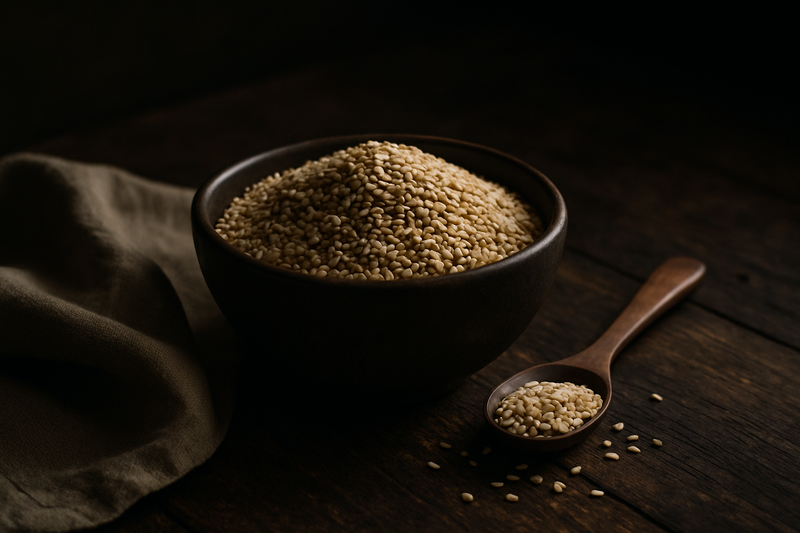
Unhulled Sesame Seeds · Photograph
Discover the unhulled sesame seeds health benefits backed by research—from calcium-rich bone support and heart health to blood sugar balance. Learn how they compare to hulled seeds, how to use them in tahini, halva, and bread, and what to know about sesame allergy before you start.
Key Nutrients
% Daily Value based on 2,000 cal diet
Key active compounds in unhulled sesame seeds
- Sesamin — The most studied lignan (a plant compound that gut bacteria convert into hormone-like molecules) in sesame. Research links sesamin to antioxidant activity, modest cholesterol improvement, and reduced oxidative stress.
- Sesamolin — A second major lignan that works alongside sesamin. It contributes to sesame's characteristic slightly bitter, nutty flavor and may support anti-inflammatory pathways.
- Tocopherols (Vitamin E) — Fat-soluble antioxidants that protect cell membranes from oxidative damage. Sesame provides both gamma- and delta-tocopherol forms.
- Phytosterols — Plant compounds structurally similar to cholesterol that can gently reduce the amount of dietary cholesterol absorbed in the gut.
- Phenolic compounds — A broad family of plant antioxidants concentrated in the hull. Unhulled seeds retain more of these than hulled seeds, contributing to their higher antioxidant capacity.
- Oxalates and phytates — Naturally occurring compounds in the hull that can bind to some minerals (especially calcium) and reduce how much the body absorbs. This is worth knowing when calculating net calcium intake from sesame.
Prep and pairing ideas
Toasting: Dry-toast whole unhulled seeds in a skillet over medium heat for 2–3 minutes, stirring constantly. This reduces bitterness and amplifies the nutty flavor.
Breads and crackers: Press a generous layer of unhulled sesame seeds onto the surface of homemade loaves, flatbreads, or seed crackers before baking. The seeds adhere well and add crunch, flavor, and a notable calcium boost per slice.
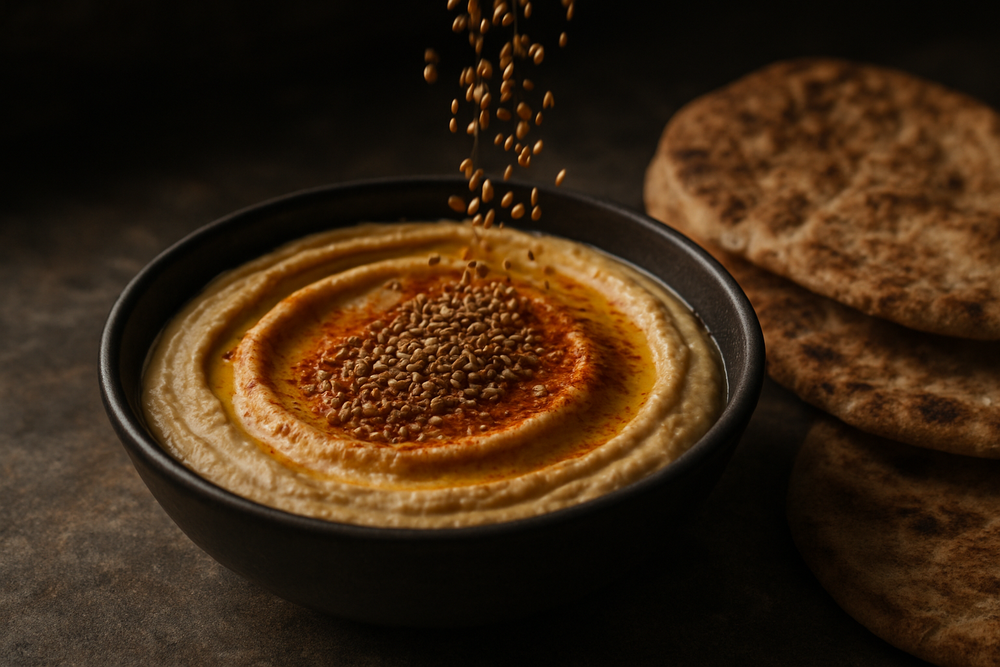
Homemade tahini: Blend 2 cups of lightly toasted unhulled sesame seeds in a high-speed blender or food processor for 3–5 minutes, scraping down the sides, until a smooth paste forms. Add a pinch of salt. Refrigerate in a jar for up to a month. Use in hummus, salad dressings, noodle sauces, or as a dip.
Halva: Traditional halva combines sesame paste with cooked sweetener (honey or sugar syrup). Using unhulled tahini as the base keeps more calcium and fiber in the final confection.
Bottom line
Unhulled sesame seeds are a compact, evidence-supported whole food that stands out mainly for its exceptional calcium content—up to 10 times higher than hulled seeds—alongside iron, copper, magnesium, plant protein, and health-promoting lignans. Research suggests modest benefits for heart health, blood sugar, and inflammation when sesame is consumed regularly as part of a healthy diet, with the strongest evidence in people who already have elevated cardiovascular or metabolic risk factors.
The key practical point: choose unhulled (tan, brown, or black) over hulled (white) seeds when calcium or fiber is your goal, use them ground or in tahini for better absorption, and keep sesame allergy top of mind—it is a recognized major allergen that can cause serious reactions. For most people without allergy, 1–3 tablespoons of unhulled sesame daily is a safe, versatile, and nutritionally meaningful choice.
If you want to explore how sesame fits into a broader food-as-medicine approach, browse the Plantopedia goals hub for personalized nutrient and ingredient guidance.
How Unhulled Sesame Seeds Compares
| Compared with | What's different |
|---|---|
| Unhulled Sesame Seeds vs. Hulled Sesame Seeds | Contains roughly 10 times more calcium and significantly more fiber than the white hulled variety. |
| Unhulled Sesame Seeds vs. Black Sesame Seeds | Similar in calcium content but provides a darker color and a more intense, earthier flavor profile. |
| Unhulled Sesame Seeds vs. Chia Seeds | Lower in calcium but higher in ALA omega-3 fats and forms a gel when soaked in liquid. |
Health Benefits
Things to Know
Sesame allergy is serious.: Since January 2023, sesame is classified as the 9th major food allergen in the US under the FASTER Act. Reactions can range from hives and digestive upset to anaphylaxis (a severe, life-threatening reaction). Anyone with a diagnosed or suspected sesame allergy must avoid all forms: seeds, tahini, halva, sesame oil, and products coated or sprinkled with sesame.
Cross-reactive allergies.: People allergic to other seeds (e.g., poppy, sunflower) may also react to sesame; consult an allergy specialist before testing sesame if you have multiple seed allergies.
Blood sugar medications.: Sesame can modestly lower fasting glucose and HbA1c. If you take insulin, metformin, or other glucose-lowering drugs, adding regular sesame to your diet warrants blood sugar monitoring.
Blood pressure medications.: Regular sesame intake may modestly lower blood pressure. If you are on antihypertensive drugs, track your readings when increasing sesame intake significantly.
Kidney disease.: Unhulled sesame seeds are rich in phosphorus and moderate in potassium. People with advanced chronic kidney disease on mineral-restricted diets should count sesame carefully within their limits.
Oxalates and phytates.: The hull contains compounds that bind to calcium, reducing how much you actually absorb. Soaking, toasting, or grinding seeds may partially reduce this effect.
Calorie density.: Three tablespoons provide around 155 calories. Sesame is easy to over-pour; measure if you are monitoring calorie intake.
Children and choking.: Whole small seeds can be a choking risk for young children. Use finely ground sesame or tahini instead.
Pregnancy.: Culinary amounts of sesame are generally considered safe during pregnancy. High-dose supplemental sesame has not been adequately studied in pregnancy, so stick to food amounts and check with your midwife or doctor.
Shop This Ingredient
Stock your pantry with quality unhulled sesame seeds.
Buy on AmazonAs an Amazon Associate, Plantopedia earns from qualifying purchases. This costs you nothing extra and helps us keep the encyclopedia free.
Frequently Asked Questions
Heart and circulation A 2021 meta-analysis pooling 16 randomized controlled trials (908 participants) found that sesame intake was associated with significant reductions in total cholesterol, triglycerides, systolic and diastolic blood pressure, body weight, and BMI compared to controls. A separate meta-analysis focused specifically on blood pressure reported reductions of roughly 3–8 mmHg in systolic blood pressure with regular sesame consumption. The likely drivers are the lignan sesamin (which may reduce LDL oxidation), phytosterols (which compete with cholesterol at absorption), and the seed's high ratio of unsaturated to saturated fats. Effect sizes are modest—sesame is not a replacement for medication—but the evidence for a small, consistent cardiometabolic benefit is reasonably solid across multiple trials. Are unhulled sesame seeds good for heart health? Yes, as part of a broader healthy diet. The fiber and mineral content of unhulled seeds may add an additional indirect benefit beyond what hulled seeds provide. Digestive health and microbiome Unhulled sesame seeds provide approximately 3.2 g of dietary fiber per 3-tablespoon serving, primarily as insoluble fiber from the hull. Insoluble fiber adds bulk to stools and supports regular bowel movements. It also acts as a substrate for gut bacteria, which convert sesame lignans into active mammalian forms—a process that may amplify the seeds' broader health effects. One important practical note: whole sesame seeds can pass through the digestive tract partly intact if swallowed without thorough chewing. Grinding the seeds, using them as tahini, or baking them into bread all improve digestibility and likely increase the amount of nutrients your body can absorb. Blood sugar and metabolism Multiple systematic reviews and meta-analyses of clinical trials indicate that sesame—mostly sesame oil and sesame-enriched foods—can meaningfully improve glycemic control in people with type 2 diabetes. One meta-analysis found reductions in fasting blood glucose of 21–29 mg/dL and HbA1c (a 3-month blood sugar average) of about 0.75–1.0 percentage points. These are clinically meaningful numbers. Sesame seeds blood sugar and diabetes: The effect appears most consistent when sesame is consumed alongside standard diabetes medications for several weeks, suggesting an adjunctive (supportive) role rather than a standalone therapy. If you are on glucose-lowering medication, monitor your blood sugar when adding meaningful amounts of sesame to your diet. Inflammation and recovery Several trials and meta-analyses suggest that sesame can modestly reduce markers of inflammation such as CRP (C-reactive protein, a common blood test for systemic inflammation) and MDA (malondialdehyde, a marker of oxidative stress). Effects appear strongest at lower doses (around 10 g or less per day) and in shorter-term studies. Trials in people with knee osteoarthritis using 40 g/day of sesame seeds for two months reported decreases in CRP and IL-6 (an inflammatory signaling protein). The evidence is promising but inconsistent—some broader meta-analyses find minimal overall impact on inflammatory markers—so this benefit should be considered emerging rather than established. Hormones and cycle health Sesame contains phytoestrogens—specifically the lignans sesamin and sesamolin, which gut bacteria convert into mammalian lignans (enterolactone and enterodiol) with weak estrogen-like activity. One crossover trial found that 25 g/day of sesame seed increased urinary mammalian lignan levels approximately eight-fold, confirming the body does absorb and convert them. However, direct evidence linking sesame to improvements in menopausal symptoms, menstrual cycle regulation, or other hormone-specific outcomes in humans is very limited. People with hormone-sensitive conditions should discuss high-dose sesame supplementation with a healthcare professional, though typical culinary amounts are unlikely to cause concern.
Whole seeds are the most versatile starting point: sprinkle them on bread dough, stir into grain bowls, or toast lightly in a dry pan to mellow the bitter edge from the hull. Ground or milled seeds release more nutrients because you break the tough outer coating. A spice grinder or high-speed blender works well. Ground unhulled sesame can be stirred into oatmeal, smoothies, or yogurt. Unhulled tahini (sesame paste made from whole unhulled seeds) retains significantly more calcium and fiber than standard hulled-seed tahini. Look for "whole sesame" or "unhulled" on the label—the paste will be darker and slightly more bitter than the pale variety. Halva made with unhulled sesame paste is a traditional Middle Eastern confection that delivers a substantial calcium boost alongside natural sweetness. Watch total sugar content if you are managing blood sugar. Sesame oil (from whole or hulled seeds) is used in most clinical trials on heart health and blood sugar, but it loses the fiber and a significant portion of the minerals found in whole seeds.
The plant-based eater worried about calcium Dairy-free diets can fall short of the 1,000–1,200 mg/day calcium recommendation. Three tablespoons of unhulled sesame seeds deliver 20% of the daily value in one small serving. Adding them to bread, tahini dressings, or blended into sauces is an easy, invisible calcium top-up. The person managing cardiometabolic risk Meta-analyses show modest but consistent improvements in LDL cholesterol, triglycerides, and blood pressure with regular sesame intake. The combination of unsaturated fats, phytosterols, and lignans makes unhulled sesame seeds a practical daily addition alongside a heart-healthy whole-food diet. Useful in people watching blood sugar too, particularly those working with a dietitian on a diabetes management plan.
Human clinical trials typically use 10–40 g per day (roughly 1–4 tablespoons) of sesame in various forms for 4–10 weeks. Most of the positive effects on blood lipids, blood pressure, and blood sugar appear in this range. For general nutritional benefit without a specific therapeutic goal, 1–3 tablespoons (9–27 g) per day is a realistic and well-tolerated culinary amount that fits most diets. This delivers: 88–264 mg of calcium 1.3–3.9 mg of iron 1.6–4.8 g of protein 1–3.2 g of fiber Start low if you are new to unhulled sesame. The hull can cause bloating or loose stools in some people when introduced suddenly in large amounts. Begin with 1 teaspoon daily and increase gradually over a week or two. There is no established tolerable upper limit for whole unhulled sesame seeds from food. Supplemental lignan extracts are a different matter and have less safety data; stick to food forms unless directed by a clinician.
Quick Answers
Common questions, answered in a line.
Unhulled sesame seeds contain up to 10 times more calcium than hulled (white) sesame seeds. These seeds also provide significantly more fiber and phenolic antioxidants because the nutrient-dense outer husk remains intact.
You can make homemade tahini by blending 2 cups of lightly toasted unhulled sesame seeds in a high-speed blender for 3–5 minutes until a smooth paste forms. Add a pinch of salt and store the mixture in the refrigerator for up to one month.
Unhulled sesame seeds support bone health because they are exceptionally rich in calcium, providing a much higher concentration than the hulled variety. They also contain magnesium, copper, and phosphorus, which are essential minerals for maintaining skeletal strength.
Toasting unhulled sesame seeds reduces their natural bitterness and amplifies their nutty flavor profile. Dry-toast the whole seeds in a skillet over medium heat for 2–3 minutes, stirring constantly to ensure even browning.
People with sesame allergies, those with advanced kidney disease on mineral-restricted diets, and young children at risk of choking should avoid or limit whole unhulled sesame seeds. Additionally, individuals on blood sugar or blood pressure medications should monitor their levels when consuming sesame regularly.
Unhulled sesame seeds may modestly lower fasting glucose and HbA1c levels, which can help support blood sugar balance. However, if you take insulin or metformin, you should monitor your blood sugar closely when adding significant amounts of sesame to your diet.
Sesamin is a lignan found in sesame seeds that gut bacteria convert into hormone-like molecules to provide antioxidant and anti-inflammatory benefits. Research suggests it may also help with modest cholesterol improvement and the reduction of oxidative stress.
For Readers in the USA
Local context — sourcing, seasonality, and regional notes.
In the United States, you can find unhulled sesame seeds at major grocers like Whole Foods Market and Sprouts, or in the bulk bins of local natural food cooperatives. They are also widely available at Asian and Middle Eastern specialty markets, where they are often sold in larger, more cost-effective quantities.
As of 2023, the FDA officially recognizes sesame as the ninth major food allergen in the U.S., requiring it to be clearly labeled on all packaged foods. This federal mandate under the FASTER Act helps American consumers identify hidden sesame in items like bread, crackers, and sauces.
While most sesame is imported, commercial production in the U.S. is centered in the Sun Belt, particularly in Texas and Oklahoma, where the hot, dry climate suits the crop. Harvest typically occurs in the late summer and early fall, though the dried seeds are available year-round in stores.
In American kitchens, unhulled sesame seeds are frequently used as a nutrient-dense topping for artisanal sourdough bread, hamburger buns, and California-style salads. They have also become a staple in the US "everything seasoning" trend, providing more fiber and minerals than the standard hulled white seeds.
AI Clinical Review
- Unhulled sesame seeds do provide substantially more calcium, fiber, and phenolic compounds than hulled seeds; the focus on their mineral density (calcium, iron, copper, magnesium) is appropriate.
- The summary of research linking sesame intake with modest improvements in cholesterol, triglycerides, blood pressure, and glycemic measures reflects findings from randomized trials and meta-analyses; these are adjunctive benefits, not medication replacements.
- Practical guidance to grind seeds or use unhulled tahini to improve digestibility and nutrient availability is sound, as whole seeds can pass through intact.
- Sesame’s status as a major U.S. food allergen (effective January 2023) and the need for strict avoidance in allergic individuals are accurately emphasized.
- Many trials use sesame oil or hulled seeds rather than unhulled whole seeds, so it’s uncertain whether the same effect sizes apply specifically to unhulled forms.
- Reported benefits for blood pressure, lipids, and blood sugar are generally small and vary by study; sample sizes are modest and durations short (often 4–10 weeks).
- Inflammatory marker changes (e.g., CRP, MDA) are inconsistent across studies; consider these findings preliminary.
- Lignan-related hormone effects are biologically plausible but human outcome data on menopausal or cycle symptoms are limited.
- Typical food-range intakes of 1–3 tablespoons (about 9–27 g) per day are reasonable; start small if you’re new to unhulled seeds to minimize GI discomfort, and remember they are calorie-dense.
- Oxalates and phytates in the hull can reduce calcium absorption; toasting and especially grinding/tahini can help, but bioavailability still won’t equal the label value.
- If you use medications for blood sugar or blood pressure, monitor readings when adding sesame regularly and discuss notable changes with your clinician.
- People with sesame allergy must avoid all forms; those with advanced kidney disease should count phosphorus/potassium; young children may be at choking risk from whole seeds—opt for finely ground seeds or tahini.
Sesame is a major allergen; unhulled seeds are slightly more bitter.
References
- USDA FoodData Central – Seeds, sesame seeds, whole, dried (FDC ID 170150) — Core nutrition data for unhulled sesame seeds (fdc.nal.usda.gov)
- FDA – FASTER Act: Sesame as the 9th Major Food Allergen — US allergen labeling law and public health guidance (fda.gov)
- NHS – Sesame allergy patient information — Clinical guidance on avoidance and emergency management (mft.nhs.uk)
- Meta-analysis: Sesame intake and cardiometabolic outcomes, 16 RCTs, 908 participants (2021) — Found significant reductions in cholesterol, triglycerides, blood pressure, and BMI (pubmed.ncbi.nlm.nih.gov)
- Meta-analysis: Sesame and blood pressure, systematic review — Reports ~3–8 mmHg systolic reduction with sesame consumption (pubmed.ncbi.nlm.nih.gov)
- Meta-analysis: Sesame and glycemic control in type 2 diabetes — Significant reductions in fasting glucose and HbA1c across controlled trials (pubmed.ncbi.nlm.nih.gov)
- Systematic review: Sesame and oxidative stress biomarkers — Sesame seeds (vs. fractions) significantly reduced MDA; antioxidant effects are promising but inconsistent (pmc.ncbi.nlm.nih.gov)
- GRADE review: Sesame oil in type 2 diabetes — Improvements in fasting/postprandial glucose, HbA1c, and lipids; overall evidence quality rated low (pubmed.ncbi.nlm.nih.gov)
- Crossover trial: Sesame lignans and mammalian lignan excretion — 25 g/day of sesame seed increased urinary mammalian lignans ~8-fold, confirming bioavailability (pubmed.ncbi.nlm.nih.gov)
- Hulled vs. unhulled sesame seeds nutritional comparison overview — Practical calcium and mineral comparison between seed forms (seasonfood.us)
Know Your Numbers
Eating healthy is a start. Now get to know your biomarkers.
Food changes bloodwork — inflammation, lipids, blood sugar and nutrient status all respond to what you eat. 59 markers from $59.
- Results in 7–10 days at 2,000+ Quest sites
- Licensed provider reviews every result
- One flat price, no membership, HSA/FSA eligible
Educational information only, not medical advice. Panels are ordered and reviewed through our licensed partner; Plantopedia may earn a commission.