Gomasio — health benefits and uses
A staple of Japanese macrobiotic cuisine used to season while limiting straight salt.
The Short Answer
Gomasio is a traditional Japanese condiment made from toasted sesame seeds and sea salt, providing a nutty, low-sodium alternative to table salt. It delivers 1.9g of protein and 1.6g of fiber per teaspoon while offering heart-healthy lignans like sesamin.

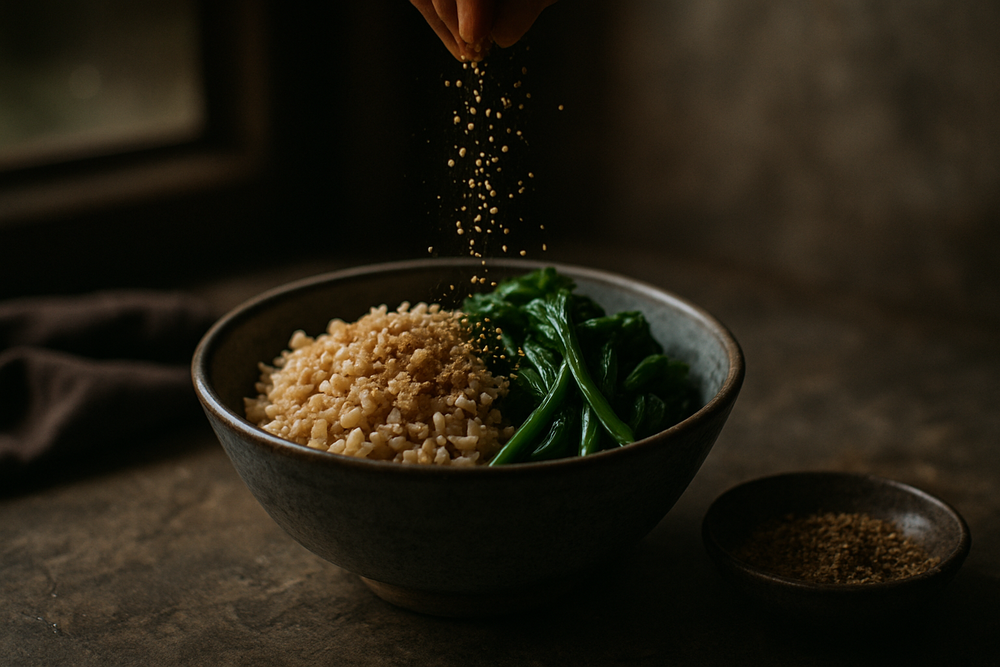
Gomasio · Photograph
Discover gomasio health benefits and how to use it: a macrobiotic sesame salt condiment that delivers plant protein, calcium, and heart-supportive lignans with far less sodium than table salt. Learn nutrition facts, safe daily amounts, cautions for sesame allergy, and simple ways to sprinkle it over grains and greens.
Key Nutrients
% Daily Value based on 2,000 cal diet
Key active compounds in gomasio
The nutritional power of gomasio comes almost entirely from its sesame content. These are the key players:
- Sesamin — A lignan (a type of polyphenol found in plants) unique to sesame. Sesamin acts as an antioxidant, may influence how the body handles fats, and has been linked to modest blood pressure effects in some trials.
- Sesamolin — A close chemical relative of sesamin. It can be converted in the body to sesamol, another antioxidant compound, and may help protect circulating fats from oxidative damage.
- Phytosterols — Plant sterols structurally similar to cholesterol. They compete with dietary cholesterol for absorption in the gut, which may modestly lower LDL ("bad") cholesterol over time.
- Tocopherols (Vitamin E family) — Fat-soluble antioxidants concentrated in sesame's oils. They help protect cell membranes from oxidative stress.
- Unsaturated fatty acids — Sesame is rich in oleic acid (a monounsaturated fat, like in olive oil) and linoleic acid (an omega-6 polyunsaturated fat). These fats support cardiovascular health when they replace saturated fats in the diet.
- Plant protein — Sesame provides a full spread of amino acids, making gomasio a useful protein supplement for plant-based meals, though like most plant proteins it is not a complete source on its own.
Buying guide: what to look on the label
Choosing a quality gomasio is straightforward once you know what to look for.
- Ingredient list: Should read "sesame seeds, sea salt" — two ingredients, nothing else. Avoid products with anti-caking agents, flavour enhancers, or fillers.
- Sesame type: "Unhulled" or "whole" sesame means higher calcium. If the label says simply "sesame," check the brand's website or contact them.
- Salt ratio: Some brands list a ratio (e.g., "18:1"). Higher ratios mean less sodium per serving — better for sodium-conscious eaters. Labels showing sodium per 100 g below 1,200 mg are typically in the higher sesame-ratio range.
- Organic certification: Optional but worth it if you eat gomasio daily, since sesame seeds absorb pesticides from soil and water.
- Freshness and packaging: Sesame fats are prone to going rancid. Choose dark glass jars or well-sealed pouches; avoid bulk bins where the product has been exposed to air and light for unknown periods.
- Seaweed variants: Check iodine content per serving if you have a thyroid condition — some seaweed varieties deliver significant iodine that could interact with thyroid medications or conditions.
Prep and pairing ideas
Gomasio's toasty, lightly salty flavor works as a finishing touch rather than a cooking ingredient — add it after heat to preserve its aroma and maximize texture contrast.
Grains: The classic use. Sprinkle 1–2 teaspoons over brown rice, millet, or barley in place of salt. The nuttiness complements the earthy quality of whole grains without masking them.
Steamed or roasted greens: Dust over broccoli, kale, bok choy, or green beans. The sesame fat helps your body absorb the fat-soluble vitamins (like vitamin K) in leafy greens — a genuine nutritional synergy.
Avocado toast or grain bowls: Use gomasio instead of flaky salt as a finishing layer. You get texture, flavor, and nutrients in one step; the fats in sesame pair naturally with avocado's fat profile.
Soups and noodles: Stir into miso soup or sprinkle over soba noodles at the table. The combination of sesame and miso (another fermented soy condiment) is traditional and provides complementary plant proteins.
Dressings and dips: Blend gomasio into tahini-based dressings or hummus for an extra layer of toasty flavor. Note that this amplifies both the sesame intensity and the caloric content.
Bottom line
Gomasio is one of those rare condiments that actually adds nutrition to a meal rather than just sodium. Because it is nearly all toasted sesame seed, every sprinkle brings plant protein, healthy unsaturated fats, fiber, magnesium, iron, and lignans alongside flavor — and it delivers that flavor with a fraction of the sodium you would get from an equivalent pinch of table salt.
The evidence base for sesame's cardiovascular and anti-inflammatory properties is real but imperfect: multiple meta-analyses show modest benefits for blood pressure and lipids, results are mixed across studies, and gomasio itself has never been tested in a clinical trial. That means it is honest to say it may support heart health, not that it treats it.
For whole-food, plant-based eaters, gomasio is an easy and genuinely useful upgrade to the table: swap your salt shaker for a gomasio jar, pay attention to your sodium targets if they are medically restricted, and skip it entirely if you have a sesame allergy. Beyond those cautions, a daily 1–3 teaspoon habit is a low-effort way to add mineral density and interesting flavor to simple meals.
How Gomasio Compares
| Compared with | What's different |
|---|---|
| Gomasio vs. Table Salt | Contains significantly less sodium, typically using an 18:1 ratio of sesame seeds to salt. |
| Gomasio vs. Furikake | Uses toasted sesame seeds for a nutty flavor and crunchy texture rather than dried seaweed and fish. |
| Gomasio vs. Sesame Oil | Higher in calcium and fiber because the seeds are crushed but kept whole rather than pressed for oil. |
Health Benefits
Things to Know
Sesame allergy: Sesame is a top-9 allergen in the United States (added to the list in 2023). Gomasio contains concentrated sesame and can trigger reactions ranging from mild oral itching to severe anaphylaxis in sensitized individuals. If you have any sesame sensitivity, avoid gomasio entirely.
Sodium-restricted diets: Gomasio is lower in sodium than table salt, but it still contains salt. One tablespoon of a typical commercial gomasio contributes approximately 90–150 mg sodium. People with hypertension, chronic kidney disease, heart failure, or other conditions requiring strict sodium limits must count gomasio within their daily sodium budget — it is not a "free" seasoning.
Caloric density: Gomasio is primarily fat and is energy-dense (~46 calories per tablespoon). Liberal use — several tablespoons per meal — adds up quickly. People following calorie-controlled plans should measure servings.
Antihypertensive medications: Sesame has been associated with modest blood pressure reductions in some trials. Using large amounts of sesame-heavy gomasio alongside blood pressure medications is unlikely to cause clinically significant interactions at culinary doses, but worth mentioning to your prescriber.
Anticoagulant medications (e.g., warfarin): Sesame provides vitamin E and has mild antiplatelet (blood-thinning) properties. At normal condiment amounts this is not a documented clinical problem, but patients on anticoagulants should not dramatically increase sesame intake without medical advice.
Pregnancy: Gomasio is generally considered safe in normal food quantities during pregnancy. However, its sodium content should factor into pregnancy sodium guidance. Consult your midwife or physician if you are using large amounts.
Young children: Introduce sesame-containing foods cautiously in infants and toddlers with a family history of food allergy or eczema. Follow current pediatric guidance on allergen introduction.
Thyroid conditions: Seaweed-containing gomasio varieties may contain significant iodine. People with thyroid disease or taking thyroid medication should check iodine content and consult their provider.
Glossary
Shop This Ingredient
Stock your pantry with quality gomasio.
Buy on AmazonAs an Amazon Associate, Plantopedia earns from qualifying purchases. This costs you nothing extra and helps us keep the encyclopedia free.
Frequently Asked Questions
Heart and circulation Human trials testing sesame seeds, sesame oil, and sesame-based products in people with hypertension (high blood pressure) and elevated cholesterol generally show encouraging but modest results. A 2017 systematic review and meta-analysis found pooled mean reductions of roughly 7–8 mmHg in systolic (upper number) and 5–6 mmHg in diastolic (lower number) blood pressure, though the analyses showed high heterogeneity (meaning results varied widely between individual studies). A more recent 2021 meta-analysis confirmed improvements in several cardiovascular risk markers — total cholesterol, triglycerides, and blood pressure — but noted effects were inconsistent across studies. The 2025 updated systematic review reinforces that sesame products show plausible cardiometabolic benefits, while cautioning that study quality and populations vary. Gomasio itself has not been directly tested in a clinical trial. What we can reasonably say: replacing a straight pinch of table salt with gomasio reduces your sodium hit while adding unsaturated fats, lignans, and phytosterols that research links to heart-supportive effects. That is a net positive swap, especially across hundreds of meals. Digestive health and microbiome Gomasio contributes dietary fiber — around 1.6 g per tablespoon — which adds to daily bulk that helps keep bowel movements regular and feeds beneficial gut bacteria. Because the sesame seeds in gomasio are toasted and partially ground, they may be easier to digest than whole, uncracked seeds (which can pass through largely intact, limiting nutrient absorption). The healthy fats in sesame also assist fat-soluble nutrient absorption from the vegetables you sprinkle gomasio over. Evidence here is primarily nutritional rather than from trials specific to gomasio. Blood sugar and metabolism Data on sesame and blood sugar control is less consistent than for blood pressure. Some meta-analyses of sesame intake report modest improvements in body weight parameters and blood lipids, but fasting glucose and insulin resistance data are limited and mixed. Gomasio's combination of protein, fiber, and healthy fats can contribute to more stable blood sugar after meals — a well-established effect of these macronutrients generally — but it should not be framed as a glycemic treatment. People managing diabetes should view gomasio as a nutrient-rich seasoning choice, not a therapy. Inflammation and recovery Sesame seeds are among the richer plant sources of antioxidant lignans and tocopherols. Small clinical studies of sesame seed and oil consumption suggest reductions in oxidative stress markers (measurable signs of cellular damage from unstable molecules) and some inflammatory mediators in cardiometabolic populations. These outcomes are promising but secondary findings — inflammation was not the primary endpoint in most trials — and no studies have tested gomasio specifically. The mechanistic story (antioxidants reducing oxidative load) is plausible; the clinical translation is still emerging. Hormones and cycle health Sesame lignans have been explored in preliminary research for possible effects on estrogen metabolism and sex hormone binding globulin (a protein that regulates circulating sex hormones), particularly in the context of menopause. Human data are limited and exploratory. This is an area of scientific curiosity rather than established benefit. No hormone-related claims are appropriate for gomasio at this stage.
The core product is simple: toasted sesame seeds and a little sea salt. Where it gets interesting is in the ratio and optional additions. Traditional (homemade or small-brand): The classic ratio is 10:1 to 20:1 sesame-to-salt by volume. The higher the ratio, the less sodium per serving and the more pronounced the sesame flavor. To make it at home, dry-toast whole unhulled sesame seeds in a pan over medium heat until golden (watch closely — they burn fast), let cool, then grind with sea salt in a mortar and pestle or spice grinder to a coarse, sandy texture. Store in a sealed jar for up to two weeks. Unhulled vs. hulled sesame: Unhulled seeds retain their outer bran layer and contain significantly more calcium (roughly 975 mg per 100 g vs. 60 mg for hulled). If bone health is a priority, choose gomasio made with unhulled sesame — many commercial products specify this on the label. Commercial organic gomasio: Certified organic versions use sesame seeds grown without synthetic pesticides. Nutritionally similar to conventional; the main benefit is reducing pesticide residue exposure. Look for labels that list sesame as the first and dominant ingredient with salt second. Gomasio with seaweed: Some brands add small amounts of nori or kombu seaweed. This adds iodine (a mineral important for thyroid function), a hint of umami, and additional trace minerals, while keeping sodium low. A useful option if your diet is otherwise iodine-light — common in strict plant-based eating. Supplement form: There are no gomasio supplements. If you are interested in concentrated sesame lignans (sesamin), those exist as standalone supplements, but the evidence base and safety profile differ from food-level sesame intake. Whole gomasio as a condiment is the recommended form.
There is no official recommended daily intake for gomasio because it has not been standardized in clinical trials. Here is what practical use and the available evidence suggest: Typical culinary range: 1–3 teaspoons (approximately 3–9 g) per meal, or roughly 5–15 g total per day. This is the range seen in traditional macrobiotic practice and consistent with commercial serving sizes. Start low: If you are new to sesame-heavy foods, begin with ½ teaspoon per meal to assess tolerance, especially for digestive comfort or mild sesame sensitivity you may not have previously noticed. Sodium accounting: Even at 3 teaspoons (9 g), a high-sesame-ratio gomasio might add 80–135 mg sodium. For a standard 2,300 mg daily sodium limit, that is modest. For a 1,500 mg limit (common in hypertension management), it is a meaningful fraction worth tracking. What trials use: Human trials on sesame cardiovascular effects typically use 25–50 g of sesame seeds or oil per day — doses much higher than typical gomasio use. You would need roughly 5–8 tablespoons of gomasio daily to approximate the lower end of trial doses. This is not a practical target and would dramatically increase both calorie and sodium intake. Think of gomasio as a nutrient-positive condiment, not a supplement you need to dose precisely. Upper caution: More than 2–3 tablespoons daily adds significant calories (90–140 kcal), notable fat (14–20 g), and measurable sodium. For most people, staying under 3 teaspoons per meal and not using it at every meal keeps benefits proportionate and risks minimal.
Quick Answers
Common questions, answered in a line.
Gomasio is a traditional Japanese macrobiotic condiment made by grinding toasted sesame seeds with a small amount of sea salt. It provides a savory, nutty flavor while delivering plant protein and healthy fats with significantly less sodium than plain table salt.
Gomasio contains beneficial compounds like sesamin and sesamolin, which act as antioxidants, alongside phytosterols that may help lower LDL cholesterol. It is also rich in unsaturated fatty acids, tocopherols (Vitamin E), and essential minerals like calcium, magnesium, and iron.
Gomasio is an excellent salt alternative because it provides a similar savory finish with a fraction of the sodium found in table salt. A typical tablespoon of commercial gomasio contains only 90–150 mg of sodium, making it a useful tool for those looking to reduce salt intake.
Gomasio should be used as a finishing touch, sprinkled over cooked grains like brown rice, steamed greens, avocado toast, or soups after they have been removed from the heat. Adding it at the table preserves its toasty aroma and ensures the sesame fats help your body absorb fat-soluble vitamins.
People with a sesame allergy must avoid gomasio entirely, as sesame is a major allergen that can cause severe reactions. Additionally, individuals on sodium-restricted diets or those taking anticoagulant medications should monitor their intake due to the salt content and mild antiplatelet properties of sesame.
When buying gomasio, look for an ingredient list containing only sesame seeds and sea salt, ideally with a high sesame-to-salt ratio (such as 18:1). Choosing "unhulled" or "whole" sesame seeds ensures higher calcium content, while dark glass packaging helps protect the delicate sesame oils from going rancid.
For Readers in the USA
Local context — sourcing, seasonality, and regional notes.
You can find gomasio at major U.S. retailers like Whole Foods Market, Sprouts Farmers Market, and Trader Joe's, or in the "International" or "Natural Foods" aisles of larger chains like Kroger and Safeway. Specialty Japanese grocers such as Mitsuwa or H-Mart also carry authentic varieties.
In the U.S., look for the USDA Organic seal to ensure the sesame seeds were grown without synthetic pesticides, and check the FDA-mandated allergen statement as sesame is now officially recognized as the ninth major food allergen. The FDA requires clear labeling for sesame on all packaged foods as of 2023.
While sesame is grown in Southern U.S. states like Texas and Oklahoma, most gomasio found in American stores uses imported seeds that are available year-round. Because it is a shelf-stable dry condiment, there is no specific U.S. seasonality for purchasing or consuming it.
Eden Foods is one of the most prominent U.S. brands producing traditional gomasio, often found in natural food stores across the country. Other domestic brands like Maine Coast Sea Vegetables offer popular variations that include North Atlantic dulse or kelp.
AI Clinical Review
- Clearly explains what gomasio is (mostly toasted sesame with a little salt) and why it’s a lower‑sodium swap for table salt while adding nutrients like healthy fats, magnesium, iron, and some protein.
- Accurately frames health claims: evidence for heart benefits comes from studies on sesame seeds/oils, not gomasio itself, and effects are modest.
- Notes practical differences between hulled vs. unhulled sesame (unhulled is higher in calcium) and suggests using gomasio as a finishing condiment.
- Provides sensible use ranges (about 1–3 teaspoons per meal) and reminds readers to count the sodium, which varies with the sesame‑to‑salt ratio.
- Most benefits are inferred from sesame research; there are no clinical trials on gomasio specifically to confirm outcomes like blood‑pressure or cholesterol changes.
- Findings across sesame studies show heterogeneity (mixed results), so individual responses may vary and effects are generally small.
- Data for blood sugar control, inflammation, and hormone‑related outcomes are preliminary; these should be viewed as areas of interest rather than established benefits.
- Sesame is a top‑9 allergen in the U.S.; anyone with known or suspected sesame allergy should avoid gomasio entirely.
- It’s lower in sodium than salt but not sodium‑free; even higher‑sesame blends add meaningful sodium for people on 1,500 mg/day targets—check labels and serving sizes.
- Seaweed‑containing versions add iodine; people with thyroid disease or on thyroid medication should choose carefully and may want to confirm iodine intake with a clinician.
- Gomasio is calorie‑dense; frequent heaping spoonfuls can add up. Typical culinary amounts are appropriate, but it’s not a supplement and shouldn’t replace prescribed treatments. Patients on antihypertensives or anticoagulants who plan a large, sustained increase in sesame intake should check in with their healthcare team.
Contains sesame (allergen) and added salt; use in moderation on sodium-restricted diets.
References
- USDA FoodData Central — Sesame seeds, whole and dried (nutrition reference) (fdc.nal.usda.gov)
- MyPlate — Protein Foods: nuts and seeds (USDA dietary guidance) (myplate.gov)
- Systematic review of sesame and cardiovascular risk factors in clinical trials (2016, PubMed) (pubmed.ncbi.nlm.nih.gov)
- Meta-analysis: sesame consumption and blood pressure — RCT pooled analysis (2017, PubMed) (pubmed.ncbi.nlm.nih.gov)
- Updated meta-analysis: sesame intake and cardiovascular risk markers, RCTs (2021, PubMed) (pubmed.ncbi.nlm.nih.gov)
- Updated systematic review of sesame clinical evidence and health applications (2025, PMC) (pmc.ncbi.nlm.nih.gov)
- Gomasio nutrition facts and preparation overview — PasseportSanté (passeportsante.net)
- Lima Gomasio Original — commercial nutrition label reference (limafood.com)
- Gomasio: What It Is, Properties, Benefits and How To Take It — Article Springer overview (articlespringer.com)
- Gomasio Bio (1 kg) — Mimasai Figen commercial nutrition data (mimasaifigen.com)
Know Your Numbers
Eating healthy is a start. Now get to know your biomarkers.
Food changes bloodwork — inflammation, lipids, blood sugar and nutrient status all respond to what you eat. 59 markers from $59.
- Results in 7–10 days at 2,000+ Quest sites
- Licensed provider reviews every result
- One flat price, no membership, HSA/FSA eligible
Educational information only, not medical advice. Panels are ordered and reviewed through our licensed partner; Plantopedia may earn a commission.