White Poppy Seeds — health benefits and uses
A traditional Indian thickener and cooling seed used in Mughlai cooking.
The Short Answer
White poppy seeds (khus khus) are nutrient-dense seeds used to thicken sauces and provide 126 mg of calcium per tablespoon. While they offer healthy fats and fiber, they contain trace surface alkaloids that can trigger positive results on opioid drug tests.
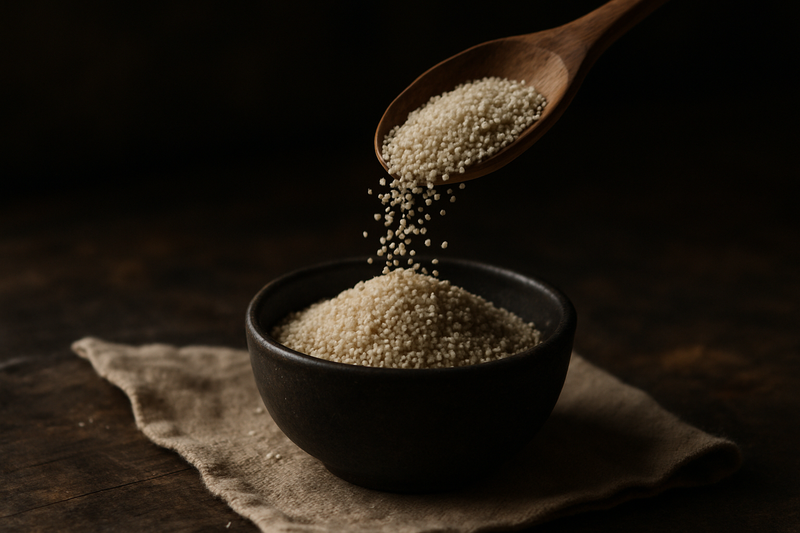
White Poppy Seeds · Photograph
Discover the health benefits and side effects of white poppy seeds (khus khus): a calcium-rich, high-fiber culinary seed used to thicken Indian gravies. Learn about nutrition facts per tablespoon, plant protein content, and the important drug-testing risk every eater should know.
Key Nutrients
% Daily Value based on 2,000 cal diet
Key active compounds
- Linoleic acid — an essential omega-6 polyunsaturated fatty acid (a type of fat the body cannot make and must get from food). The dominant fat in white poppy seeds; supports cell membrane integrity and, when balanced with omega-3 intake, may benefit cardiovascular health.
- Oleic acid — an omega-9 monounsaturated fat (a single-bond fat associated with heart-healthy diets such as Mediterranean eating patterns). Poppy seeds contain meaningful amounts alongside linoleic acid.
- Phytosterols — plant compounds structurally similar to cholesterol. Found in the seed's fat fraction; can compete with cholesterol absorption in the gut and may modestly lower LDL ("bad") cholesterol when consumed consistently.
- Polyphenolic compounds — a broad class of plant antioxidants identified in experimental analyses of poppy seed oil. Their impact at typical culinary doses in humans is not yet well characterised.
- Morphine and codeine (trace surface alkaloids) — opioid compounds present in tiny amounts as surface contamination from the seed pod, not synthesised inside the seed itself. No psychoactive effect at food doses, but enough to influence drug tests.
Prep and pairing ideas
Classic korma paste: Soak 2 tablespoons of white poppy seeds in warm water for 30 minutes. Blend with 10 raw cashews, a small knob of ginger, and enough water to make a smooth paste. Add to sweated onions with whole spices before building your sauce. The paste thickens as it cooks and prevents the need for cream or cornstarch.
Aloo posto (Bengali potato with poppy seeds): A minimalist dish where poppy seed paste is the star — cooked with mustard oil, green chilli, and cubed potato. The dish is creamy, mild, and naturally vegan.
Seed sprinkle for bread or crackers: Mix whole white poppy seeds with sesame and nigella seeds and press into flatbread dough before baking. Adds crunch, calcium, and a subtle nuttiness.
Bottom line
White poppy seeds (khus khus) are a nutrient-dense culinary seed with a legitimate place in a whole-food plant-based diet. They offer an unusually good combination of calcium, manganese, copper, fiber, and unsaturated fats in a small package — and their traditional role as a gravy thickener in Indian cooking is both delicious and nutritionally sensible.
The evidence base for specific health benefits is mostly early-stage or inferred from nutrient composition, with the strongest signals for digestive support (from fiber) and potential heart benefit (from unsaturated fats and phytosterols). The joint-pain signal from poppy seed oil is interesting but comes from a supplement study, not food-dose research.
The one firm, well-evidenced caution is the drug-testing risk. Normal food use does not cause psychoactive effects, but it can and does trigger positive opioid screens. This is not a minor footnote — it has real-world consequences for athletes, military personnel, people in pain management, and anyone undergoing forensic testing.
Used as food, in typical culinary amounts, white poppy seeds are a smart, flavourful addition to a varied diet. Used as tea or in large non-culinary doses, they shift into genuinely dangerous territory.
How White Poppy Seeds Compares
| Compared with | What's different |
|---|---|
| White Poppy Seeds vs. Black Poppy Seeds | Nutty and mild; primarily used as a thickener and base for pastes in Indian gravies. |
| White Poppy Seeds vs. Cashews | Lower in fiber but higher in protein; used for buttery flavor rather than thickening. |
| White Poppy Seeds vs. Sesame Seeds | Higher in calcium and provide a stronger, savory umami flavor when toasted. |
Health Benefits
Things to Know
Drug testing risk (the most important point on this page): Controlled studies consistently show that eating poppy seed foods — including curries, rolls, muffins, and crispbreads — can produce detectable morphine and codeine in urine, saliva, and hair for up to 24–60 hours. The US Department of Defense, anti-doping organisations (OPSS), and the ADLM (Association for Diagnostics and Laboratory Medicine) all advise athletes, military personnel, and people in monitored programs to avoid poppy seed products before drug screening. The seeds are not psychoactive at food doses, but tests cannot always distinguish food intake from low-dose opiate use.
Poppy seed tea and unwashed seeds are dangerous: Large-volume steeping of unwashed seeds concentrates opioid alkaloids to toxic levels. This is entirely separate from culinary use and should not be attempted.
Allergy: Rare seed and nut allergies can include poppy seeds. Introduce them cautiously if you have a history of seed allergies.
Pregnancy and breastfeeding: Normal culinary amounts are generally not flagged as a concern, but avoid non-food preparations (tea, large medicinal doses) entirely. No robust safety data exist for high-dose supplemental use during pregnancy.
Opioid use disorder or pain management programs: Poppy seed foods can complicate interpretation of urine drug screens. Discuss with your prescribing clinician or program coordinator.
Medication interactions: No specific pharmacological interaction between culinary poppy seeds and common medications is well documented. However, concentrated poppy seed tea has caused cardiotoxic events that could complicate cardiac therapy — another reason to keep consumption to ordinary food quantities.
High oxalate consideration: Poppy seeds, like many seeds, contain oxalates. People with a history of calcium-oxalate kidney stones may wish to discuss intake with a clinician.
Start gradually: if your current fiber intake is low — adding seeds quickly can cause temporary gas or bloating.

Shop This Ingredient
Stock your pantry with quality white poppy seeds.
Buy on AmazonAs an Amazon Associate, Plantopedia earns from qualifying purchases. This costs you nothing extra and helps us keep the encyclopedia free.
Frequently Asked Questions
Research on white poppy seeds specifically is limited; much of what follows draws on their nutrient composition plus studies on poppy seed oil and seeds more broadly. Think of these as supportive benefits within an overall healthy diet, not standalone treatments. Heart and circulation White poppy seeds are high in unsaturated fats — primarily linoleic acid — and contain phytosterols. Diets that replace saturated fats with polyunsaturated fats are consistently linked to better blood lipid profiles in human studies. A 2023 Scientific Reports study found that partially defatted poppy seeds produced beneficial changes in lipid and metabolomic (the full picture of small molecules in the blood) profiles, suggesting a heart-supportive effect, though this was an early-stage study. Poppy seed oil in animal and mechanistic research also shows cardioprotective signals. Evidence for hard outcomes like reduced heart attack risk from eating the seeds as food does not yet exist. Digestive health and microbiome Each tablespoon provides about 1.7 g of dietary fiber — fermentable fiber that feeds beneficial gut bacteria (the microbiome). If you use two tablespoons in a gravy, that is roughly 3.4 g, a meaningful contribution toward the 25–38 g daily fiber target most adults fall short of. High-fiber diets are consistently linked in human research to better bowel regularity, softer stools, and a more diverse gut microbiome. Digestive benefits here are inferred from well-established fiber science rather than poppy-seed-specific trials, but the fiber content is solidly documented in USDA data. Blood sugar and metabolism White poppy seeds have a naturally low glycaemic density — high fiber and fat slow digestion and blunt the rise in blood glucose that follows a meal. When you use ground khus khus paste to thicken a gravy instead of refined flour or cream, you are substituting a lower-glycaemic, more nutrient-dense option. Direct human trials measuring poppy seed intake against fasting glucose or HbA1c (a three-month average blood sugar marker) do not yet exist, so any blood sugar benefit should be framed as part of broader dietary pattern change rather than a specific effect of the seeds. Inflammation and recovery A double-blind randomised clinical trial in 129 older adults with knee osteoarthritis (joint inflammation and cartilage wear) found that poppy seed oil — consumed over a period of weeks — reduced pain severity and improved pain self-efficacy (a person's confidence in managing their own pain) compared with routine care. This is promising, but it used a standardised oil supplement, not whole culinary seeds, so the dose and mechanism are different from using khus khus in cooking. At a food level, white poppy seeds can be positioned as part of an anti-inflammatory dietary pattern rich in whole plants, fiber, and unsaturated fats.
The short answer: ground paste is more effective for most Indian dishes, but whole seeds have their place. Whole seeds work well as a garnish, mixed into dough for flatbreads, or scattered over rice. They add texture and a gentle crunch. However, the seed coat (hull) is hard, and many of the fats and minerals are more bioavailable once the seed is broken down. Soaked and ground paste (the classic khus khus preparation) is the traditional method for gravies. Soaking for 20–30 minutes softens the seeds and makes grinding easier. The paste dissolves into the sauce, releasing the seed's fat and creating the characteristic creamy texture of dishes like korma, shahi paneer, or malai kofta. Grinding with a small amount of water, coconut, or soaked cashews further enhances emulsification. Lightly dry-roasted seeds intensify flavour before grinding and reduce moisture, which is helpful in drier spice blends. Cold-pressed poppy seed oil is used as a finishing or salad oil in some Central and Eastern European cuisines and has been studied in clinical settings for joint pain, but it is not a traditional Indian cooking medium and is not covered in depth here. What to avoid: Poppy seed tea made by steeping large quantities of unwashed seeds. This is not a food preparation — it is a documented pathway to serious opioid poisoning, with case reports of cardiac arrhythmia and respiratory depression.
The plant-based cook looking for dairy-free creaminess Khus khus paste mimics the richness of cream in gravies without any animal products. The calcium content (10% DV per tablespoon) makes it a useful small contributor to daily calcium intake for people not eating dairy. Combined with cashews or coconut, the paste creates a genuinely luxurious texture in korma-style dishes. The bone-health focused eater Poppy seeds are one of the more calcium-dense plant foods by weight — comparable to sesame seeds. They also contain phosphorus, magnesium, and manganese, all cofactors in bone mineralisation (the process by which bones take up and store minerals to stay dense and strong). Using 1–2 tablespoons in a daily meal as part of a varied diet can make a small but meaningful contribution to the calcium shortfall many people carry.
There is no officially established recommended dietary allowance (RDA) for poppy seeds as a supplement or therapeutic food. What we have is: Culinary context: Most Indian recipes call for 1–3 tablespoons (about 9–27 g) per dish, spread across multiple servings. One to two tablespoons per person per sitting is a reasonable working figure and consistent with how the ingredient is traditionally used. Starting low: If you are new to seeds or have a lower-fiber diet, start with one teaspoon and build up over a week or two to allow your digestive system to adjust. Drug testing window: Even one tablespoon in a curry can, in some people and with some testing methods, produce a positive result within hours. If you have an upcoming drug screen, avoid poppy seed foods for at least 48–72 hours as a precaution (some researchers suggest even longer). No therapeutic dose: Clinical trials on poppy seed oil for joint pain used standardised preparations under medical supervision. Those doses are not directly translatable to self-directed use of whole seeds. If you are considering poppy seed oil as a supplement for a specific condition, consult a registered dietitian or doctor. Practical daily ceiling: There is no evidence that moderate daily use (1–2 tablespoons as part of meals) causes harm in healthy adults, but this is culinary food use, not a supplement protocol.
Quick Answers
Common questions, answered in a line.
Eating white poppy seeds can trigger positive results for morphine and codeine on drug tests for 24 to 60 hours. While these seeds do not have psychoactive effects at culinary doses, organizations like the US Department of Defense advise avoiding them before screenings.
White poppy seeds are an effective natural thickener for Indian gravies and curries, often replacing the need for cream or cornstarch. To use them this way, soak the seeds for 30 minutes and blend them into a smooth paste with water or other aromatics before cooking.
White poppy seeds contain trace amounts of morphine and codeine as surface contamination from the seed pod, not from within the seed itself. These levels are high enough to affect drug tests but do not produce psychoactive effects when consumed in normal food amounts.
Yes, white poppy seeds are naturally vegan and serve as a nutrient-dense addition to plant-based diets. They are commonly used in vegan dishes like Aloo posto, providing a creamy texture and essential nutrients like plant protein, calcium, and fiber.
White poppy seeds provide a combination of calcium, manganese, copper, fiber, and heart-healthy unsaturated fats. They specifically contain linoleic acid and oleic acid, which support cell membrane integrity and cardiovascular health when part of a balanced diet.
It is dangerous to consume poppy seed tea or large volumes of unwashed seeds because they concentrate opioid alkaloids to toxic levels. While culinary use is considered safe, large non-culinary doses shift into territory that can cause cardiotoxic events.
Individuals with a history of calcium-oxalate kidney stones should be cautious, as poppy seeds are high in oxalates. Additionally, those with seed allergies or individuals facing upcoming drug screenings should consider avoiding them.
For Readers in the USA
Local context — sourcing, seasonality, and regional notes.
You can typically find white poppy seeds, often labeled as "khus khus," at Indian grocery stores, specialty spice shops, or through major online retailers like Amazon. While common blue poppy seeds are in every US supermarket, white varieties are usually stocked by regional chains like Patel Brothers or in the international aisle of large grocers.
The FDA does not currently ban white poppy seeds for food use, but it has issued safety alerts regarding "unwashed" seeds that may contain high levels of opioid alkaloids. Most seeds sold in US retail stores are processed to minimize surface contamination, though the "everything bagel" rule of thumb for drug testing still applies.
Commercial poppy production is strictly regulated in the US due to the Controlled Substances Act, so most white poppy seeds found domestically are imported from countries like Turkey or India. While home gardeners in some states grow Papaver somniferum for ornamental purposes, large-scale agricultural production for seed is not a major US industry.
In the US, white poppy seeds are a staple in regional Indian cuisines like Bengali or Mughlai, whereas blue poppy seeds are traditionally used in Central and Eastern European baking. White seeds are preferred for their ability to thicken sauces like korma without darkening the color of the gravy, unlike the blue seeds found on American bagels.
AI Clinical Review
- Clearly explains that white poppy seeds (khus khus) are nutrient-dense, especially for calcium, manganese, copper, fiber, and unsaturated fats; the cited ~10% Daily Value of calcium per tablespoon is a reasonable estimate from standard food databases.
- Differentiates normal culinary use from dangerous non-culinary preparations (poppy seed tea) and accurately highlights the real-world risk of opioid-positive drug tests after typical servings.
- Describes practical culinary techniques (soaking/grinding) that likely improve texture and nutrient access, aligning with what we know about seed hulls and bioavailability.
- Appropriately frames potential heart and digestive benefits as supportive within an overall dietary pattern rather than as stand‑alone treatments, and notes that osteoarthritis data come from poppy seed oil supplements, not whole seeds.
- Direct human trials linking poppy seed intake (as food) to improved lipid profiles, glycemic control, or microbiome outcomes are limited; most claims are inferred from nutrient composition and broader fiber/PUFA research.
- Alkaloid (morphine/codeine) contamination varies widely by seed source and processing, and detection windows depend on test cutoffs and individual metabolism—hence the precautionary advice but no one-size-fits-all timeline.
- Calcium from poppy seeds may be less bioavailable due to oxalates, but precise absorption data versus dairy or fortified foods are not well quantified.
- The promising osteoarthritis findings involve standardized poppy seed oil; we do not know if typical culinary amounts of whole or ground seeds yield similar effects.
- Typical culinary use is about 1–2 tablespoons per person; if your fiber intake is low, start with ~1 teaspoon and increase gradually to minimize gas or bloating.
- If you are subject to opioid drug testing, many authorities advise avoiding poppy seed foods for at least 48–72 hours; some individuals may need longer depending on the test and product.
- Avoid non-culinary preparations (e.g., poppy seed tea from unwashed seeds), which can concentrate opioids to toxic levels.
- Check in with a clinician if you have seed/nut allergies, a history of calcium‑oxalate kidney stones, are pregnant/breastfeeding and considering non-food forms, or are in pain‑management/substance‑use programs; note that oil supplements differ from whole/ground seeds (less fiber/minerals and typically far lower alkaloids).
Can trigger positive opiate drug tests; no meaningful psychoactive effect as food.
References
- USDA FoodData Central — Poppy Seeds (nutrition data) (fdc.nal.usda.gov)
- USDA MyPlate — Protein Foods Group (nuts and seeds context) (myplate.gov)
- Poppy seed consumption and opiate-positive urine drug test results — PubMed controlled study (pubmed.ncbi.nlm.nih.gov)
- Morphine and codeine in oral fluid after controlled poppy seed ingestion — PMC human trial (pmc.ncbi.nlm.nih.gov)
- Concentrations of morphine and codeine in paired oral fluid and urine following poppy seed consumption — PMC human trial (pmc.ncbi.nlm.nih.gov)
- Partially defatted vs. native poppy seeds: lipid and metabolomic profile — Scientific Reports 2023 (nature.com)
- Acute cardiotoxicity following poppy seed tea consumption — PMC case report (pmc.ncbi.nlm.nih.gov)
- Poppy seed oil for knee osteoarthritis pain — randomised clinical trial (salmandj.uswr.ac.ir)
- OPSS (Operation Supplement Safety) — Poppy seeds and drug testing guidance (opss.org)
- UF Health — Can eating poppy seeds affect drug test results? (addiction medicine specialist explainer) (ufhealth.org)
Know Your Numbers
Eating healthy is a start. Now get to know your biomarkers.
Food changes bloodwork — inflammation, lipids, blood sugar and nutrient status all respond to what you eat. 59 markers from $59.
- Results in 7–10 days at 2,000+ Quest sites
- Licensed provider reviews every result
- One flat price, no membership, HSA/FSA eligible
Educational information only, not medical advice. Panels are ordered and reviewed through our licensed partner; Plantopedia may earn a commission.