Beet Kvass — health benefits and uses
Fermentation and gut-culture angle; explain live-culture, sodium, and heat-treatment differences
The Short Answer
Beet kvass is a fermented tonic made from beets and brine, providing 150mg of potassium and roughly 10 calories per 2 oz serving. It is prized for its dietary nitrates, which support nitric oxide production, and live lactic acid bacteria.

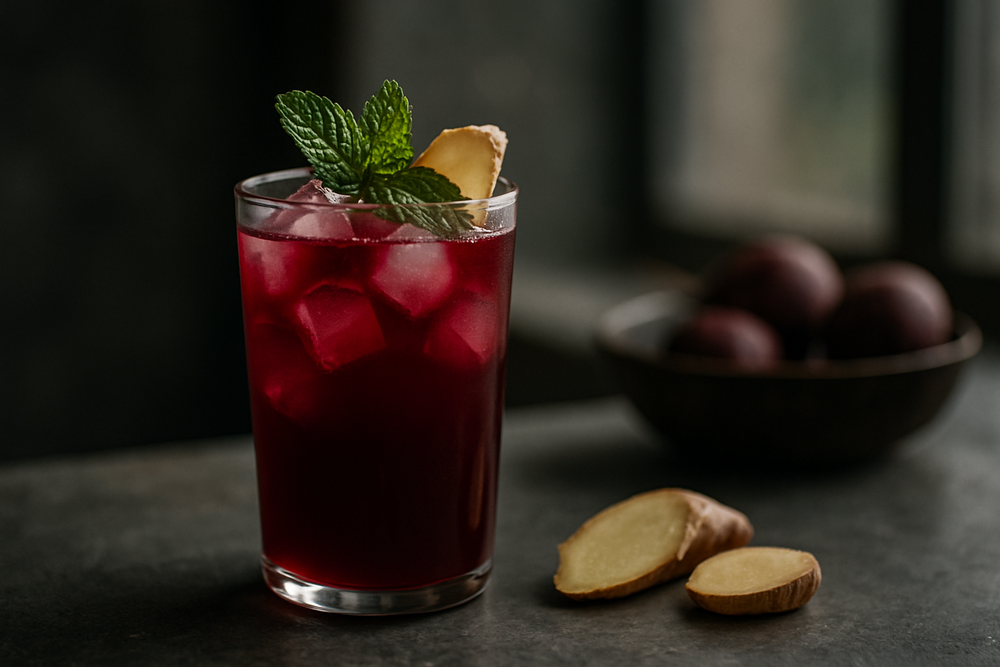
Beet Kvass · Photograph
Beet kvass is one of the oldest fermented drinks in Eastern European food culture. Made by submerging chopped raw beets (Beta vulgaris) in salted water and letting lactic acid bacteria do their work over several days to a few weeks, the result is a deeply crimson, tangy, earthy tonic that tastes nothing like a glass of beet juice and everything like a living food. It is sipped in small amounts, not gulped by the pint, and that distinction matters for understanding both its potential and its limits.
Key Nutrients
% Daily Value based on 2,000 cal diet
Key active compounds in beet kvass
- Dietary nitrate (NO₃⁻): Naturally concentrated in beet flesh. In the body, nitrate is converted to nitrite and then to nitric oxide, a signalling molecule that helps relax blood vessel walls. Beet kvass is expected to retain some nitrate from the beets, though the amount per small serving is considerably lower than in concentrated beet juice.
- Betalains (betacyanins and betaxanthins): The pigments that give beet kvass its vivid red colour. These function as antioxidants — molecules that neutralise unstable, cell-damaging compounds called reactive oxygen species — and may have mild anti-inflammatory effects. They also cause the harmless pink or red colouring of urine or stools known as beeturia in people who absorb them more readily.
- Phenolic acids (ferulic acid, caffeic acid): Plant polyphenols that contribute additional antioxidant activity. Fermentation can increase their bioavailability (the proportion your body actually absorbs) by breaking down plant cell walls.
- Organic acids (primarily lactic acid): A direct product of fermentation. These lower the pH of kvass, creating its tangy flavour, acting as a natural preservative, and potentially supporting gut microbial activity.
- Lactic acid bacteria (LAB): Present in raw, unpasteurized kvass. These are the same broad family of microbes found in other traditional fermented vegetables. Their presence is not guaranteed, their strains are not standardised, and pasteurization eliminates them entirely.
Prep and pairing ideas
Beet kvass is sipped in small amounts, not used as a cooking base in large quantities. Here are three practical ways to work it into your routine:
1. Morning digestive tonic with ginger and lemon Mix 30–60 mL of raw beet kvass with a squeeze of lemon juice and a small pinch of fresh grated ginger. The acidity of kvass pairs naturally with citrus, and ginger adds its own mild digestive support. Drink it 10–15
How Beet Kvass Compares
| Compared with | What's different |
|---|---|
| Beet Kvass vs. Beet juice | Brine-fermented and savory with probiotics, whereas beet juice is sweet and contains more sugar. |
| Beet Kvass vs. Bread kvass (Traditional) | Fermented from bread with low alcohol; beet kvass is a vegetable ferment with a salt-earthy profile. |
| Beet Kvass vs. Pickle juice | Both are lacto-fermented liquids, but beet kvass contains dietary nitrates and betalain antioxidants. |
Health Benefits
Things to Know
Sodium first: Beet kvass is made with salted brine. If you are managing high blood pressure, heart failure, kidney disease, or are on a sodium-restricted diet, account for kvass in your daily sodium budget and check labels carefully.
Beeturia is normal: Pink or red urine or stools after drinking beet kvass is harmless in most people. If you are unsure whether what you are seeing is blood, speak with your doctor.
Histamine sensitivity: Fermented foods can contain biogenic amines including histamine. People with histamine intolerance or fermented-food-triggered migraines should trial very small amounts cautiously or avoid kvass.
Kidney stones: Beets are moderately high in oxalates. While kvass is diluted and strained, people prone to calcium oxalate kidney stones should keep intake moderate.
Medications to flag:
Antihypertensive drugs (ACE inhibitors, ARBs, beta-blockers, diuretics, calcium-channel blockers): the nitrate in beet products may modestly lower blood pressure while the sodium in brine may raise it — combined effects are unpredictable; monitor blood pressure.
Nitrate medications for angina (e.g., nitroglycerin, isosorbide dinitrate) and phosphodiesterase-5 inhibitors: theoretical additive effects on nitric oxide and blood pressure; consult your prescriber.
Tight sodium-restricted regimens (severe heart failure, liver cirrhosis, advanced kidney disease): include kvass sodium in your total daily count.
IBS and sensitive digestion: Start with 15 to 30 mL and increase slowly. Acidic, fermented beverages can cause bloating, gas, or loose stools in susceptible individuals.
Pregnancy, frailty, and immunocompromise: Avoid unpasteurized homemade ferments; if you want to try kvass, a commercial product with strong quality control is a lower-risk option. Always consult your healthcare provider first.
Infants and young children: Beet kvass is not appropriate for weaning or young children due to high nitrate potential and sodium content.
Shop This Ingredient
Stock your pantry with quality beet kvass.
Buy on AmazonAs an Amazon Associate, Plantopedia earns from qualifying purchases. This costs you nothing extra and helps us keep the encyclopedia free.
Frequently Asked Questions
The honest framing is this: most research involves beetroot juice or formulated probiotic-fermented beet beverages, not traditional kvass. Benefits below are described as plausible or emerging unless human trial data on kvass itself supports a stronger claim. Heart health and circulation Beetroot juice is one of the better-studied dietary sources of nitrate. Multiple randomised controlled trials (RCTs) — studies considered the gold standard in clinical research — and meta-analyses (pooled analyses of multiple studies) show that drinking beetroot juice providing around 300–800 mg of nitrate can modestly lower blood pressure and improve endothelial function (the ability of blood vessel linings to dilate properly) in both healthy adults and people with hypertension (high blood pressure). Beet kvass is likely to contain some nitrate, since the fermentation process does not remove it. However, a typical small kvass serving delivers considerably less nitrate than the doses used in trials. Combined with the sodium content of the brine — which can counteract blood pressure benefits in salt-sensitive individuals — the net cardiovascular impact of beet kvass is genuinely uncertain. It should be viewed as a potential complement to, not a replacement for, evidence-based heart health strategies. Digestive health and the microbiome The gut microbiome is the community of trillions of microbes living in your large intestine, and a diverse, balanced microbiome is associated with better digestive and overall health. Fermented vegetables like sauerkraut and kimchi contribute live bacteria and organic acids that may interact positively with this ecosystem. Unpasteurized beet kvass prepared with traditional lactic fermentation is expected to contain LAB, and small human studies on similar fermented vegetable beverages show modest, inconsistent changes in gut microbiota composition and some improvements in digestive comfort. A few small trials on specifically formulated probiotic-fermented beetroot juice also suggest modest effects on microbiota and bowel habits, but these are not directly applicable to wild-fermented kvass. Important caveat: Fermented does not always mean probiotic. A product must contain viable, well-characterised strains at a clinically relevant dose to technically qualify as a probiotic. Traditional kvass does not meet this bar. It can, however, contribute live microbes, organic acids, and plant compounds that may offer a supportive role within a varied, plant-rich diet. Blood sugar and metabolism There are no direct clinical trials on beet kvass and blood glucose. Beet kvass is low in sugars (fermentation consumes much of the original beet carbohydrate), so a small serving is unlikely to spike blood sugar in most people. Some small studies on other fermented vegetable juices and probiotic-fermented beet beverages hint at possible modest effects on post-meal blood sugar and insulin dynamics via short-chain fatty acids and gut microbiota changes, but this evidence is early and product-specific. Beet kvass should not be promoted or used as a blood sugar treatment. Inflammation and recovery Beets provide betalains and polyphenols with demonstrated antioxidant and anti-inflammatory effects in cell and animal studies. Human trials with beetroot juice show small, inconsistent reductions in inflammatory markers such as C-reactive protein (CRP) — a protein the liver makes more of when inflammation is present. Fermentation may preserve or even enhance polyphenol bioavailability. Any anti-inflammatory contribution from beet kvass at realistic serving sizes is likely to be modest. Think of it as one ingredient within a broadly anti-inflammatory dietary pattern — vegetables, fruits, whole grains, legumes, and healthy fats — rather than a stand-alone intervention. What about liver support and detox claims? Traditional and wellness circles often attribute liver-cleansing or detoxification properties to beet kvass. There are currently no rigorous human trials showing that beet kvass specifically improves liver function tests or accelerates detoxification pathways. These claims should be treated as speculative. Where beet kvass might contribute is as a low-sugar, vegetable-based fermented option within an overall nutrient-dense diet that supports liver health indirectly.
This is the most important buying decision you will make with beet kvass, because the form determines almost everything about what is actually in the bottle or jar. Homemade wild-fermented beet kvass is the most traditional form: chopped raw beets, water, and salt (roughly 1 to 1.5 tablespoons of sea salt per quart of water) fermented at room temperature for three to fourteen days until tangy. Microbial content is unpredictable and not standardised. Hygiene matters a great deal: fully submerge the beets, use clean equipment, and discard any batch that smells off, shows visible mould, or has a slimy texture. Homemade kvass with a starter culture (sauerkraut brine, whey, or a commercial vegetable starter) can speed fermentation and may allow slightly less salt. It still does not guarantee specific strains or counts. Commercial raw/refrigerated beet kvass is the most reliable way to get a product with live cultures if you are not making your own. Look for: unpasteurised, raw, with live and active cultures on the label. Keep it cold and drink it before the best-by date. Most commercial labels do not list probiotic CFU (colony-forming unit) counts or nitrate content. Commercial pasteurised/shelf-stable beet kvass-style drinks have been heat-treated, which inactivates any live microbes. Think of these as flavoured, acidic beet beverages, not probiotic sources. They can still provide betalains, organic acids, and some beet phytonutrients, but the gut-flora angle is essentially gone.
Quick Answers
Common questions, answered in a line.
Beet kvass is a traditional fermented tonic made by submerging chopped raw beets in salted brine for several days or weeks. This process uses lactic acid bacteria to transform the beets into a tangy, deeply crimson, living food rich in organic acids and antioxidants.
Beet kvass contains dietary nitrate, betalain pigments, phenolic acids, organic acids like lactic acid, and potentially live lactic acid bacteria. These compounds provide antioxidant activity and can be converted into nitric oxide, which helps relax blood vessel walls.
It is normal for urine or stools to turn pink or red after drinking beet kvass, a harmless condition known as beeturia. This occurs because of the vivid betalain pigments found in the beets, which function as antioxidants.
Because beet kvass is made with salted brine, it is high in sodium and may not be suitable for those on sodium-restricted diets. Individuals managing high blood pressure, heart failure, or kidney disease should account for this sodium in their daily budget.
If you have sensitive digestion or IBS, start with a small amount of 15 to 30 mL and increase slowly to avoid discomfort. The acidic nature of fermented beverages can sometimes cause bloating, gas, or loose stools in susceptible people.
Beet kvass may interact with blood pressure medications and nitrate drugs used for angina because its natural nitrates can have additive effects on blood pressure. Additionally, its high sodium content could interfere with sodium-restricted medical regimens for heart or liver conditions.
Beet kvass is not suitable for infants or young children due to its high sodium content and potential for high nitrate levels. It is also recommended that pregnant or immunocompromised individuals avoid unpasteurized homemade versions in favor of quality-controlled commercial products.
For Readers in the USA
Local context — sourcing, seasonality, and regional notes.
In the U.S., you can find raw beet kvass at health food stores like Whole Foods Market, specialized fermentation shops, or through local producers at farmers markets. While not yet as common as kombucha, major brands like Biotta or regional fermentories are increasingly stocked in the refrigerated functional beverage section.
Beets are grown year-round in the U.S., with major production coming from California, Oregon, and Washington for fresh markets, and the Upper Midwest for processing. While available every month, they are most abundant at farmers markets during their peak harvest seasons in late spring and autumn.
Look for the USDA Organic seal to ensure beets were grown without synthetic pesticides, as root vegetables can absorb soil contaminants. Additionally, check for "Raw" or "Unpasteurized" labels on the bottle to ensure the product contains live lactic acid bacteria, as per FDA-regulated labeling standards for fermented foods.
AI Clinical Review
- It accurately frames beet kvass as a traditional, lactic‑fermented beet drink and distinguishes it from beet juice in both composition and expected potency.
- The nitrate → nitric oxide pathway, betalains, and organic acids are explained correctly, with the realistic note that kvass provides smaller amounts than concentrated beet juice.
- It clearly separates “fermented” from “probiotic,” noting that unpasteurized kvass may contain live bacteria but not standardized, clinically proven doses or strains.
- Practical emphasis on sodium content, serving size (small sips, not large glasses), and raw vs pasteurized forms is appropriate and consumer‑relevant.
- Direct human data on traditional beet kvass are sparse; most findings are extrapolated from beetroot juice or specially formulated probiotic beet beverages. Effects on the gut microbiome (the community of intestinal microbes) remain inconsistent across small studies.
- Cardiovascular benefits are uncertain for kvass specifically because typical servings likely deliver less nitrate than research doses, and the brine’s sodium could counter blood‑pressure effects in salt‑sensitive people.
- Evidence for blood sugar, inflammatory markers, or digestive symptom improvement is preliminary and product‑specific; traditional wild ferments vary widely in microbes and metabolites.
- Claims around “liver cleansing/detox” lack clinical trial support for kvass and should be considered speculative.
- Serving and form: For most adults, 1–4 oz (30–120 mL) per day is a common trial range; start low (15–30 mL) to assess tolerance. Choose refrigerated, unpasteurized products if you specifically want live cultures; pasteurized versions won’t provide them.
- Sodium: Content can be significant and variable. Those with hypertension, heart failure, kidney disease, or on sodium‑restricted diets should account for kvass in their daily sodium budget.
- Medication and health considerations: If you use antihypertensives, nitrate medications, or PDE‑5 inhibitors, be aware of potential additive effects on blood pressure. People with histamine intolerance/migraine sensitivity or a history of calcium‑oxalate kidney stones may react poorly and should proceed cautiously.
- Safety: Pregnant individuals, frail adults, and the immunocompromised should avoid homemade unpasteurized ferments and favor reputable commercial products if choosing to try kvass. Not appropriate for infants and young children due to nitrate and sodium exposure.
Fermented does not always mean probiotic; note sodium and live/active culture differences.
References
- PMC, National Library of Medicine — Phenolic Compounds and Antioxidant Properties of Fermented Beetroot Juices Enriched with Different Additives (pmc.ncbi.nlm.nih.gov)
- PubMed — Comparison of the Antioxidant and Sensorial Properties of Kvass Produced from Mountain Rye Bread with the Addition of Selected Plant Raw Materials (pubmed.ncbi.nlm.nih.gov)
- PMC, National Library of Medicine — Eastern European Fermented Foods: Nutritional Value, Functional Potential, and Cultural Heritage (pmc.ncbi.nlm.nih.gov)
Know Your Numbers
Eating healthy is a start. Now get to know your biomarkers.
Food changes bloodwork — inflammation, lipids, blood sugar and nutrient status all respond to what you eat. 59 markers from $59.
- Results in 7–10 days at 2,000+ Quest sites
- Licensed provider reviews every result
- One flat price, no membership, HSA/FSA eligible
Educational information only, not medical advice. Panels are ordered and reviewed through our licensed partner; Plantopedia may earn a commission.