Boniato — health benefits and uses
A Caribbean and Latin American staple energy root.
The Short Answer
Boniato is a Caribbean white-fleshed sweet potato that offers 105 calories and 3 grams of fiber per 100g serving. It is prized for its nutty flavor and high Vitamin A content, which supports eye health and immune function.
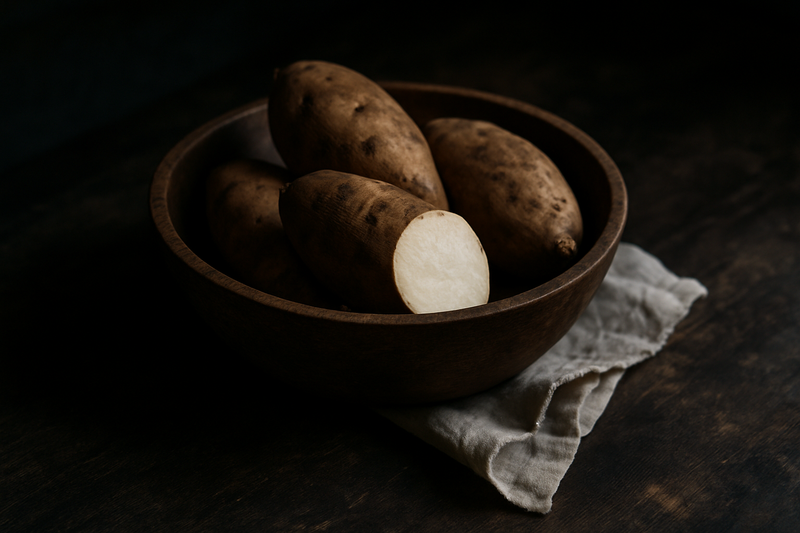
Boniato · Photograph
Discover boniato nutrition and health benefits: how this white-fleshed Caribbean sweet potato supports digestion, heart health, and steady energy — plus how to cook it, who should be careful, and how it compares to regular potatoes.
Key Nutrients
% Daily Value based on 2,000 cal diet
Key active compounds in boniato
- Carotenoids (including beta-carotene): Pigmented compounds that the body can convert into vitamin A. White-fleshed boniato contains carotenoids, though generally fewer than orange sweet potato varieties. They also act as antioxidants.
- Phenolic acids (including chlorogenic acid): Plant-derived polyphenols — a broad family of protective compounds found in many plant foods — that may help reduce oxidative stress and support healthy glucose metabolism.
- Flavonoids: A large class of polyphenolic plant compounds. Levels in white-fleshed boniato are modest compared with more intensely colored sweet potato varieties, but they still contribute to overall antioxidant capacity.
- Resistant starch: A type of carbohydrate that resists digestion in the small intestine and acts as food for beneficial gut bacteria. Formed in greater amounts when boniato is cooked and then cooled.
- Dietary fiber (soluble and insoluble): Supports stool bulk, bowel regularity, and feeds the microbiome (the community of microorganisms living in your gut).
Prep and pairing ideas
Boniato's mild, slightly nutty flavor makes it a flexible ingredient. Three practical pairings:
Boniato + black beans + lime: A classic Caribbean combination. The beans add protein and additional fiber, lime adds vitamin C (which also enhances iron absorption from the beans), and together they form a complete, satisfying plant-based meal with a low overall glycemic load.
Boniato + garlic + olive oil (roasted): Roasting boniato with garlic and a small amount of extra-virgin olive oil creates a side dish rich in heart-friendly monounsaturated fats and the sulfur compounds in garlic associated with blood pressure support. The fat also helps absorb fat-soluble carotenoids from the boniato.
Boniato + leafy greens + cumin (in a stew): Adding boniato to a stew with dark leafy greens (such as spinach or kale) and cumin creates a dish where the vitamin C in the boniato helps your body absorb the non-heme iron in the greens. Cumin adds flavor and may support digestion.
Bottom line
Boniato is a versatile, nutrient-dense Caribbean root vegetable that offers a compelling mix of complex carbohydrates, dietary fiber, potassium, and vitamins A and C. It is not a superfood in the exaggerated marketing sense, but it is a genuinely useful whole plant food that fits well into everyday eating. The evidence most confidently supports its role in digestive regularity and heart-healthy dietary patterns; its effects on blood sugar and inflammation are real but depend heavily on portion size, cooking method, and overall diet. Cook it before eating, favor boiling or roasting over frying, pair it with legumes and vegetables, and enjoy it as a satisfying and culturally rich addition to your plate.
Explore more ways to use starchy vegetables for lasting energy and gut support: Browse the Plantopedia energy and digestion goals →
How Boniato Compares
| Compared with | What's different |
|---|---|
| Boniato vs. Orange Sweet Potato | Boniato has a white, starchier flesh and a nuttier, less sugary flavor profile. |
| Boniato vs. White Potato | Boniato contains significantly more fiber and Vitamin A than a standard Russet potato. |
| Boniato vs. Yucca (Cassava) | Boniato is much sweeter and softer when cooked compared to the starchy, neutral yucca. |
Health Benefits
Things to Know
Diabetes or insulin resistance: Boniato is starchy. Portion control matters. Pair it with fiber, protein, and healthy fat in the same meal to blunt the blood glucose rise.
Chronic kidney disease (CKD): Boniato provides meaningful potassium (~280 mg per 100 g). People with CKD or on potassium-restricted diets should discuss root vegetable intake with their dietitian or doctor. Boiling and discarding the cooking water can reduce potassium content somewhat.
Potassium-sparing diuretics or ACE inhibitors: These medications can raise blood potassium levels. If you are on them, ask your clinician whether your total dietary potassium (including boniato) needs monitoring.
Antidiabetic medications: Large servings of any starchy food can affect post-meal blood glucose and therefore medication dosing. Count boniato's carbohydrates as you would any starchy vegetable.
IBS or sensitive digestion: A sudden large increase in high-fiber starchy vegetables can cause bloating or gas. Start with smaller portions and increase gradually.
Oxalate kidney stones: Some sweet potato varieties contain oxalates. People with a history of calcium-oxalate kidney stones may want to vary their vegetable intake and stay well hydrated.
Pregnancy: Boniato is a safe, nutritious food during pregnancy. Its folate content supports healthy fetal development. Ensure it is well cooked.
Sweet potato allergy: Rare but possible. If you have a known allergy to sweet potato or related plants, avoid boniato.

Shop This Ingredient
Stock your pantry with quality boniato.
Buy on AmazonAs an Amazon Associate, Plantopedia earns from qualifying purchases. This costs you nothing extra and helps us keep the encyclopedia free.
Frequently Asked Questions
Heart and circulation Boniato contributes around 280 mg of potassium per 100 g cooked. Potassium is an electrolyte — a mineral that carries an electrical charge — and is essential for keeping blood pressure in a healthy range by counterbalancing the effect of sodium. Large observational studies consistently link higher dietary potassium from vegetables and fruit to lower blood pressure and reduced risk of stroke. Boniato is also naturally low in fat and sodium, and its fiber content — particularly soluble fiber, which dissolves in water and forms a gel in the gut — can help manage LDL cholesterol levels (the "low-density lipoprotein" type often called "bad" cholesterol). No clinical trials have tested boniato specifically for heart outcomes, but its nutrient profile aligns closely with the dietary patterns that human evidence most strongly supports for cardiovascular health. Digestive health and microbiome With roughly 3 g of dietary fiber per 100 g, boniato supports two key aspects of gut health. First, insoluble fiber — the kind that does not dissolve in water — adds bulk to stools and helps keep bowel movements regular. Second, soluble fiber and resistant starch act as prebiotics, meaning they feed beneficial bacteria in the colon. When gut bacteria ferment these fibers, they produce short-chain fatty acids (SCFAs), which help nourish the cells lining your gut and support immune regulation. Human studies on high-fiber diets using whole starchy vegetables show improved stool frequency and reduced constipation. Boniato-specific gut microbiome trials have not been conducted, but its fiber composition is consistent with vegetables that demonstrate these effects. Blood sugar and metabolism Boniato is a starchy food — roughly 20 g of carbohydrates per 100 g cooked — so it will raise blood glucose (blood sugar). The key variable is how fast it raises it, which depends on fiber content, cooking method, portion size, and the rest of your meal. Because boniato retains its fiber when cooked as a whole food (rather than processed into flour or juice), it tends to produce a more gradual blood glucose response than refined starchy foods. Human clinical trials using sweet potato extracts and specific cultivars have reported modest improvements in fasting glucose and insulin sensitivity in people with type 2 diabetes, but these studies used standardized extracts — not everyday boniato prepared at home. For people managing diabetes or insulin resistance, boniato can fit into a balanced plate, but portion awareness and pairing it with protein, fat, or non-starchy vegetables can help moderate the glycemic response. Glycemic index — a scale measuring how quickly a food raises blood sugar — is meaningfully lower for boiled sweet potato than for many processed carbohydrate foods, though exact values for boniato specifically are not well published. Inflammation and recovery Boniato provides vitamin C, vitamin E, and carotenoids — nutrients that have all been associated with reduced markers of oxidative stress in human studies when consumed consistently through a vegetable-rich diet. Oxidative stress occurs when free radicals (unstable molecules that can damage cells) accumulate faster than the body can neutralize them, and chronic oxidative stress is linked to inflammation. White-fleshed boniato contains fewer pigmented phytochemicals than orange or purple sweet potatoes, so its direct anti-inflammatory potential is likely more modest than those varieties. That said, regularly eating any fiber-rich, antioxidant-containing vegetable contributes to an overall dietary pattern associated with lower chronic inflammation markers in human observational data.
The active person looking for sustained energy Boniato's complex carbohydrates digest more slowly than simple sugars, providing steady fuel for physical activity. Its B vitamins (B1, B3, B6) support energy metabolism at the cellular level. Easy to batch-cook and add to post-workout meals alongside legumes and greens. The person focused on digestive and gut wellness 3 g of fiber per 100 g helps maintain regular bowel movements. Resistant starch (especially when cooled after cooking) feeds beneficial gut bacteria. Its mild flavor makes it easy to incorporate into soups and stews alongside other gut-friendly plant foods.
The cooking method matters more than many people realize. Here is a practical guide: Boiling is the most traditional method in Caribbean cooking and one of the best for nutrition. It keeps added fat at zero, preserves water-soluble vitamins reasonably well, and produces a lower glycemic impact than roasting. Boil unpeeled when possible to retain more nutrients, then peel after cooking. Roasting or baking brings out more sweetness through caramelization and is a great option for variety. Roasting at moderate heat (around 200 °C / 400 °F) with a drizzle of olive oil is a heart-friendly preparation. The glycemic impact is slightly higher than boiling because heat breaks down some starches further, but as a whole food with fiber intact, it remains a nutritious choice. Soups and stews are ideal for retaining nutrients that leach into the cooking water — you consume the water as broth. Boniato's starch adds body to soups naturally. Mashing works well; use herbs, a splash of plant-based milk, or a small amount of olive oil rather than butter or heavy cream to keep it whole-food friendly. Frying (deep-frying into chips or fritters) adds substantial fat and calories and is best reserved for occasional enjoyment rather than everyday eating. Cooling after cooking: When you cook boniato and then let it cool before eating (or refrigerate leftovers), some of the digestible starch converts to resistant starch, which has prebiotic benefits for gut bacteria. Cold boniato salad or reheated leftovers can actually be slightly better for blood sugar and gut health than freshly cooked hot portions. Always cook boniato before eating — raw boniato is difficult to digest and less palatable. There are no known safety concerns with thoroughly cooked boniato in normal food amounts.
There is no established therapeutic dose for boniato — it is a whole food, not a supplement. Typical everyday portions are: 100–150 g cooked as a side dish (roughly the size of a medium potato half) Up to 200 g cooked as a main starchy component of a meal For general health, one serving of 100–150 g cooked boniato alongside non-starchy vegetables, legumes, and a protein source is a practical starting point. This provides meaningful fiber, potassium, and vitamins without delivering an excessive carbohydrate load. If you are new to high-fiber vegetables, start with smaller portions (around 80–100 g) and increase gradually over one to two weeks to give your digestive system time to adjust and minimize bloating or gas. For people managing blood glucose, work with a registered dietitian to fit boniato into your overall daily carbohydrate targets rather than treating it as a free food. A 100 g serving contains approximately 20 g of carbohydrates. There is no evidence that eating boniato daily in typical food amounts is harmful for healthy adults. The usual guidance applies: variety across your whole diet is more important than maximizing any single ingredient.
Quick Answers
Common questions, answered in a line.
Boniato is a white-fleshed Caribbean sweet potato that offers a mild, slightly nutty flavor and a dense, starchy texture. It is a versatile root vegetable rich in complex carbohydrates, fiber, potassium, and vitamins A and C.
Boniato supports digestion by providing dietary fiber and resistant starch, which act as food for beneficial gut bacteria. These components help maintain bowel regularity, increase stool bulk, and support a healthy microbiome.
Eating boniato can support heart health through its potassium content and heart-friendly plant compounds like phenolic acids. Pairing it with garlic and olive oil further enhances its benefits by providing monounsaturated fats and sulfur compounds associated with blood pressure support.
Diabetics can eat boniato, but they should practice portion control and pair it with fiber, protein, and healthy fats to blunt blood glucose rises. Because it is a starchy vegetable, the carbohydrates in boniato should be counted as part of a managed meal plan.
People with chronic kidney disease (CKD) or those taking potassium-sparing diuretics should be cautious with boniato due to its high potassium content (280 mg per 100 g). It is recommended to consult a doctor, as boiling and discarding the water may be necessary to reduce potassium levels.
Yes, boniato is a safe and nutritious food during pregnancy that provides folate to support healthy fetal development. Expectant mothers should ensure the root vegetable is thoroughly cooked before consumption.
To maximize nutrition, pair boniato with healthy fats like olive oil to absorb fat-soluble carotenoids, or with vitamin C-rich lime to enhance iron absorption from accompanying beans. Adding it to stews with leafy greens also helps the body absorb non-heme iron.
For Readers in the USA
Local context — sourcing, seasonality, and regional notes.
In the United States, boniato is primarily grown in South Florida, where the tropical climate allows for year-round production with peak harvests in late summer and fall. While some production exists in other warm coastal regions, most of the domestic supply found in U.S. markets originates from Florida's Miami-Dade County.
You can find boniato at major retailers like Publix and Whole Foods, as well as at Hispanic grocery stores like Sedano’s or Viva Markets, and local farmers markets in the Southeast. It is often labeled as "tropical sweet potato," "batata," or "Cuban sweet potato" depending on the store's regional naming conventions.
Boniato is a staple in Caribbean-American communities, particularly within Cuban and Puerto Rican households in Florida and the Northeast, where it is traditionally served boiled or mashed. It is frequently featured in holiday meals or as a starchy side dish (vianda) alongside proteins like lechón or black beans.
The USDA classifies boniato as a variety of sweet potato (Ipomoea batatas), and it must meet standard FDA labeling requirements regarding its nutrient content. When buying organic, look for the USDA Organic seal to ensure the tubers were grown without synthetic pesticides or fertilizers in accordance with national standards.
AI Clinical Review
- Presents boniato as a fiber‑rich, lower‑sweetness sweet potato that provides complex carbohydrates and potassium—consistent with evidence linking higher potassium and fiber intakes to healthier blood pressure and cholesterol profiles.
- Explains digestive benefits clearly: soluble/insoluble fiber and resistant starch support regularity and short‑chain fatty acid (SCFA) production, which aligns with gut‑health research.
- Gives practical, health‑forward cooking guidance (boiling, roasting, soups/stews) and notes that cooling increases resistant starch—directionally accurate for moderating glycemic impact.
- Appropriately distinguishes between whole‑food boniato and studies using sweet potato extracts for blood sugar control, encouraging portion awareness and meal pairing.
- Vitamin A content varies by cultivar and color; many white‑fleshed varieties contain much less provitamin A than orange sweet potatoes. Treat boniato’s vitamin A as variable rather than guaranteed high unless you have cultivar‑specific data.
- Clinical trials on whole, white‑fleshed boniato for outcomes like glycemia, lipids, or inflammation are limited; most evidence comes from broader sweet potato research or extracts.
- Exact glycemic index (GI) and resistant starch values for boniato under different cooking/cooling methods are not well standardized. The trends are likely correct, but precise numbers are uncertain and individual responses vary.
- Antioxidant capacity in white‑fleshed boniato is probably modest compared with orange or purple types; benefits should be viewed within the context of an overall vegetable‑rich diet.
- Portion guidance is sensible: 100–200 g cooked provides roughly 20–40 g carbohydrate. People with diabetes (especially on insulin or sulfonylureas) should count these carbs and monitor post‑meal glucose.
- Potassium can be meaningful. Those with chronic kidney disease or on ACE inhibitors/ARBs or potassium‑sparing diuretics should confirm appropriate portions; boiling and discarding the water can lower potassium somewhat.
- If you have IBS or FODMAP sensitivity, start small and titrate; sweet potatoes can contain mannitol, which may cause symptoms in some people.
- For a history of calcium‑oxalate kidney stones, vary vegetables, stay well hydrated, and consider pairing higher‑oxalate foods with calcium sources at meals to reduce absorption.
Cook before eating; very safe.
References
- USDA FoodData Central — sweet potato nutrition data (fdc.nal.usda.gov)
- USDA MyPlate — Vegetables group guidance (myplate.gov)
- Abasto — What is boniato? Benefits, recipes, nutrition (abasto.com)
- Macroguia — Boniato: 86 calories per 100 g, nutrition facts (macroguia.com)
- Menjasa — Boniato: properties, benefits, differences from potato (menjasa.es)
- La Vanguardia — Boniato: nutritional value and health benefits (lavanguardia.com)
- Salud Mapfre — Boniato: nutritional composition and vitamins (salud.mapfre.es)
- Plátanos López — Boniato: nutritional values and properties (platanoslopez.com)
- El Correo del Sol — Boniatos: properties and benefits (elcorreodelsol.com)
- Nutt.es — Propiedades del boniato (nutt.es)
Know Your Numbers
Eating healthy is a start. Now get to know your biomarkers.
Food changes bloodwork — inflammation, lipids, blood sugar and nutrient status all respond to what you eat. 59 markers from $59.
- Results in 7–10 days at 2,000+ Quest sites
- Licensed provider reviews every result
- One flat price, no membership, HSA/FSA eligible
Educational information only, not medical advice. Panels are ordered and reviewed through our licensed partner; Plantopedia may earn a commission.