Water Chestnut — health benefits and uses
Chinese tradition considers it cooling and moistening for the body.
The Short Answer
Water chestnuts are crunchy aquatic tubers that provide 584 mg of potassium and 24g of carbohydrates per half-cup serving. They are prized for retaining their crisp texture even after being cooked or canned.
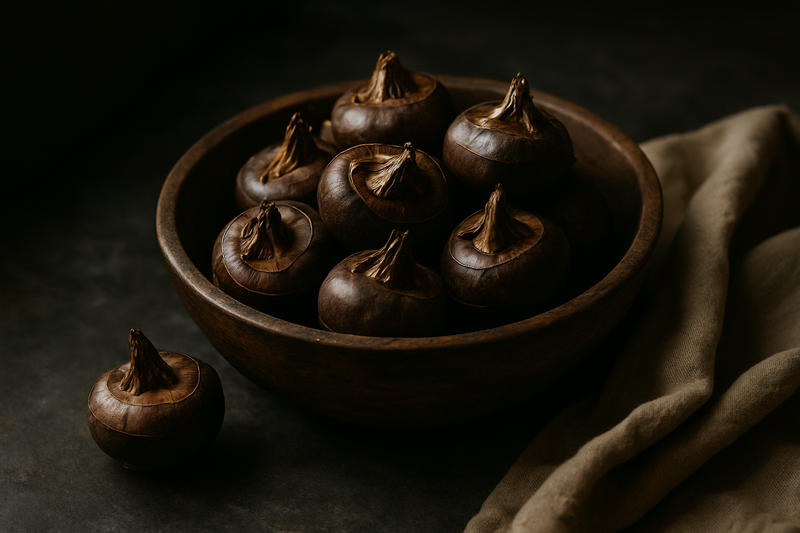
Water Chestnut · Photograph
Discover the water chestnut health benefits backed by evidence — from heart-friendly potassium to digestive fiber and antioxidant compounds. Get nutrition facts, safety tips (including why raw water chestnuts carry a parasite risk), and practical ways to add this crunchy aquatic vegetable to your meals.
Key Nutrients
% Daily Value based on 2,000 cal diet
Key active compounds
- Polyphenols (phenolic acids and related compounds): A broad family of plant-made molecules found in water chestnut tissue. They act as antioxidants — compounds that neutralize free radicals (unstable molecules that can damage cells) — and may influence vascular (blood vessel) function, though human evidence is still emerging.
- Beta-carotene: An orange-red plant pigment that the body can convert to vitamin A. Detected in some water chestnut varieties; supports vision and immune function.
- Vitamin C: A water-soluble antioxidant vitamin that also helps build collagen (the structural protein in skin, tendons, and cartilage) and supports immune defenses.
- Vitamin E: A fat-soluble antioxidant that protects cell membranes from oxidative damage.
- Potassium: Not a phytochemical, but a standout mineral in water chestnuts at ~584 mg per 100 g — important for blood pressure regulation and muscle function.
- B vitamins (B6, thiamin, riboflavin, niacin, folate, pantothenic acid): A set of water-soluble vitamins that collectively support energy metabolism and nervous system function.
Prep and pairing ideas
Water chestnuts shine when you lean into the crunch. Here are three practical pairings and the reasoning behind each:
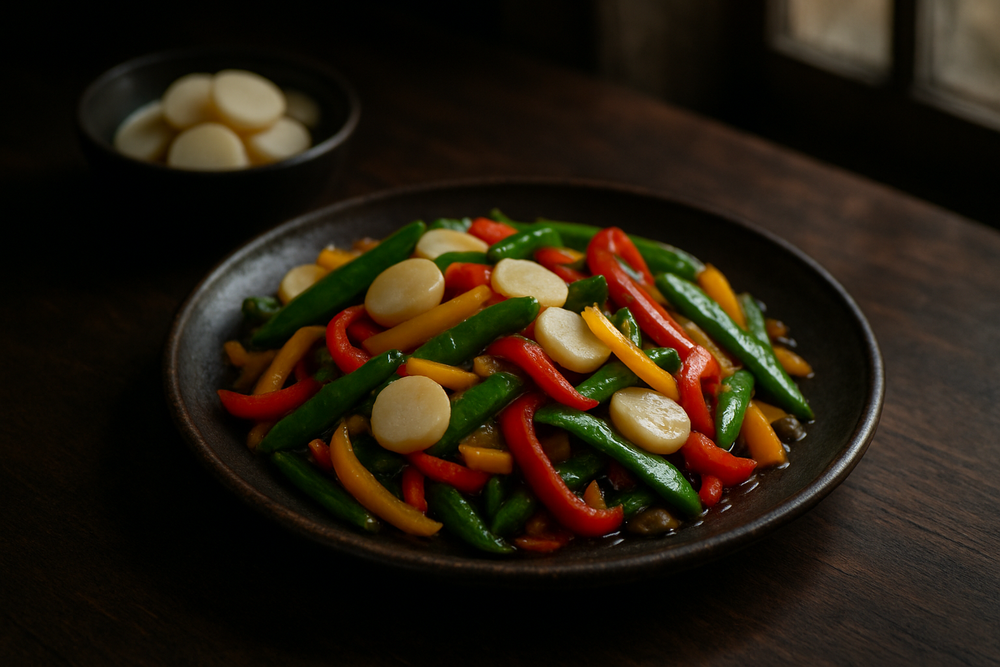
1. Water chestnuts + ginger + bok choy (classic stir-fry base) Ginger provides anti-nausea and anti-inflammatory compounds (gingerols), bok choy adds calcium and vitamin K, and water chestnuts contribute potassium and textural contrast. The combination covers a wide micronutrient spectrum in one pan.
2. Water chestnuts + minced mushrooms + rice paper (spring rolls) Mushrooms (especially shiitake) add B vitamins and umami depth. Water chestnuts provide the crunch that keeps spring rolls from feeling soggy. The low fat content of both ingredients keeps the rolls light.
3. Water chestnuts + edamame + brown rice (grain bowl) Edamame supplies complete plant protein and isoflavones; brown rice adds whole-grain fiber; water chestnuts contribute texture and trace minerals. The combination makes a satisfying, macronutrient-balanced bowl with no added fat needed.
Quick prep note: If using fresh tubers, scrub the skin well, cut off both ends, peel, then slice or dice. They brown quickly once peeled — a brief soak in cold water prevents discoloration. Add to stir-fries in the last 2–3 minutes to preserve crunch. Canned water chestnuts can go straight from the can after rinsing.
Bottom line
Water chestnuts are a genuinely useful whole-plant food — low in fat, moderate in fiber, high in potassium, and packed with enough B vitamins and trace minerals to make them a worthy supporting player in any plant-forward diet. The evidence supporting their specific health effects is still largely extrapolated from their nutrients rather than from large ingredient-specific human trials, but that is not a reason to overlook them.
Their most practical selling point may simply be textural: no other vegetable holds its crunch through a wok or an oven quite like a water chestnut. That unique quality makes it easier to build satisfying, fiber-rich, vegetable-forward meals — and that, in itself, is a real health benefit.
Always cook them. Never eat raw aquatic tubers if you can avoid it. And if you have kidney disease, take potassium-related medications, or manage diabetes, check your portion size with your healthcare provider.
Curious how water chestnuts fit into a plant-based eating pattern built around specific health goals? Browse our goal-based ingredient guides to find personalized food-as-medicine strategies.
How Water Chestnut Compares
| Compared with | What's different |
|---|---|
| Water Chestnut vs. Potato | Softer, starchier texture and higher in calories compared to the crisp water chestnut. |
| Water Chestnut vs. Jicama | Sweeter flavor with a crunchy texture that softens quickly when cooked, unlike water chestnuts. |
| Water Chestnut vs. Chestnut (Tree Nut) | Actually a tree nut with high fat content, whereas water chestnuts are aquatic tubers. |
Health Benefits
Things to Know
Cook them thoroughly.: Raw water chestnuts — and raw aquatic plants generally — can carry Fasciolopsis buski (a parasitic flatworm) in regions where this parasite is endemic, particularly parts of South and Southeast Asia. Thorough cooking eliminates this risk.
Kidney disease and potassium restriction.: At ~584 mg potassium per 100 g, water chestnuts are a meaningful potassium source. People with chronic kidney disease or those told to limit potassium by a clinician should track portions carefully.
Medication interactions.: Potassium-sparing diuretics (e.g., spironolactone), ACE inhibitors (e.g., lisinopril), and ARBs (e.g., losartan) can raise blood potassium levels on their own. Adding a high-potassium food like water chestnuts may require monitoring — ask your prescriber.
Diabetes and carbohydrate tracking.: Each 100 g serving contributes approximately 24 g of carbohydrate. Include this in your meal-planning calculations if you count carbs or use insulin.
Allergy watch.: Water chestnut allergy is rare but documented. If you have known sensitivities to other tubers or aquatic plants, introduce water chestnuts in small amounts first.
Pregnancy.: Cooked water chestnuts are considered food-safe. The parasite risk makes raw consumption inadvisable during pregnancy. Canned (pre-cooked) or well-cooked fresh are the safer choices.
Shop This Ingredient
Stock your pantry with quality water chestnut.
Buy on AmazonAs an Amazon Associate, Plantopedia earns from qualifying purchases. This costs you nothing extra and helps us keep the encyclopedia free.
Frequently Asked Questions
Heart and circulation Water chestnuts are naturally very low in fat and contain no cholesterol. Their most notable cardiovascular asset is potassium: at roughly 584 mg per 100 g, a modest serving can contribute meaningfully to daily intake. A widely cited 2013 meta-analysis (a pooled analysis of multiple studies) found that higher dietary potassium is associated with lower blood pressure and reduced stroke risk. Water chestnuts also provide around 3 g of fiber per 100 g, and higher fiber intake from plant foods is consistently linked to healthier LDL cholesterol (low-density lipoprotein, the so-called "bad" cholesterol) in human trials — though no trials have tested water chestnuts specifically for cholesterol outcomes. The practical takeaway: when water chestnuts replace higher-sodium, higher-fat ingredients in a meal, they can support a heart-friendly overall dietary pattern. They are not a treatment for any cardiovascular condition. Digestive health and microbiome Fiber is the headline here. The roughly 3 g of dietary fiber per 100 g (some analyses of cooked portions report higher amounts per cup) adds bulk to stools, helps food move through the gut at a healthy pace, and acts as a prebiotic — meaning it feeds the beneficial bacteria living in the large intestine. Many human clinical trials confirm that increasing total dietary fiber from plant foods improves constipation and overall gastrointestinal function, so water chestnuts can contribute to that goal when eaten regularly. Water chestnuts are also more than 70% water, which helps keep stools soft and supports hydration — an underrated part of digestive comfort. There are no clinical trials focused specifically on water chestnuts and digestive disorders, so these benefits are best framed as a contribution to fiber intake rather than a targeted gut therapy. Blood sugar and metabolism Water chestnuts are a starchy vegetable — about 24 g of carbohydrate per 100 g — so they do count toward your carbohydrate intake. However, their fiber content and very low fat content mean that the carbohydrate is released more gradually than it would be from refined starches or sweet drinks. There is no glycemic index (a ranking of how quickly a food raises blood sugar) value widely published specifically for water chestnuts, and no controlled human trials have tracked postprandial (after-meal) blood glucose responses to them. For people with diabetes or prediabetes, the general guidance from nutrition professionals applies: treat water chestnuts as a carbohydrate source, keep portions reasonable, and pair them with protein, healthy fat, and non-starchy vegetables to smooth out the blood sugar response. They can fit well into a balanced meal plan — they are simply not a free food. Inflammation and recovery Biochemical analyses have identified measurable polyphenols, phenolic acids, vitamin C, and vitamin E in water chestnut tissue. These compounds can neutralize free radicals in laboratory settings, which suggests a potential role in reducing oxidative stress (an imbalance between free radicals and the body's ability to neutralize them, linked to chronic inflammation). One small study of water chestnut tea polyphenols examined effects on visceral fat (fat stored around internal organs) and reported no statistically significant differences versus placebo — a reminder that lab-based antioxidant activity does not automatically translate to meaningful clinical effects. In practical terms, water chestnuts contribute to your overall antioxidant intake alongside other colorful plant foods, which is a good thing — just don't expect a single ingredient to move the needle on inflammation on its own.
The calorie-conscious meal-prepper Looking for high-volume, low-calorie additions to stir-fries and bowls Wants satisfying crunch without adding oil-heavy or calorie-dense ingredients Appreciates ingredients that cook once and keep texture in packed lunches The plant-based eater focused on mineral variety Wants to diversify potassium sources beyond bananas and sweet potatoes Looking for whole-food sources of copper and manganese, two trace minerals sometimes underrepresented in plant-based diets Values a vegetable that adds textural interest without overpowering other flavors
Fresh raw water chestnuts (peeled, then cooked) The gold standard for flavor and texture. Fresh tubers have the highest potassium and vitamin content. They must be thoroughly washed and cooked before eating — raw aquatic tubers can harbor waterborne microorganisms and, in endemic regions, parasitic flatworms. Cooked water chestnuts (stir-fried, steamed, or boiled) Cooking eliminates parasite risk and softens the outer layer while preserving the characteristic internal crunch that makes water chestnuts distinctive. Some heat-sensitive vitamins (like vitamin C) will decline, but potassium and fiber remain relatively intact. This is the recommended way to eat them. Canned sliced water chestnuts The most widely available form in Western supermarkets. Convenient and pre-cooked, so the parasite concern is already addressed. Potassium is somewhat lower per 100 g than fresh due to dilution in liquid and processing. Still low in fat and a practical source of fiber. Rinsing before use reduces added sodium if the can contains brine. Water chestnut flour (often from Trapa natans or related species) Used in traditional South Asian and Chinese cooking for flatbreads and desserts. Nutrient profile differs from fresh Eleocharis dulcis and is more calorie-dense per gram. Worth noting if you are tracking carbohydrate intake closely. Water chestnut tea or polyphenol extracts Experimental only. Available small-scale human data showed no significant benefit over placebo for visceral fat outcomes. Not standardized for any health use.
There is no established therapeutic dose for water chestnuts because they are a food, not a supplement. In culinary practice, a typical serving is roughly ½ to 1 cup (75–150 g) cooked or canned, incorporated into a mixed dish. At that amount you are looking at 70–150 calories, 2–4+ g fiber, and 400–870 mg potassium depending on the form. Start low if you are new to higher-fiber eating. Jumping from a low-fiber diet to large servings of any high-fiber vegetable can cause gas and bloating. Introduce water chestnuts in small amounts (¼ cup) and build up over a week or two. Upper limits to be aware of: For people managing potassium (kidney disease, certain heart medications): discuss a safe portion ceiling with your care team. For people managing carbohydrate intake: one cup of sliced water chestnuts can contribute 20–25 g of carbohydrate, which is meaningful within a carb-controlled meal plan. For most healthy adults, eating water chestnuts a few times a week in culinary portions is considered safe and nutritious.
Quick Answers
Common questions, answered in a line.
You should always cook water chestnuts because raw aquatic tubers can carry Fasciolopsis buski, a parasitic flatworm found in regions like South and Southeast Asia. Thorough cooking eliminates this parasite risk, making the vegetable safe to consume.
Water chestnuts are high in potassium, providing approximately 584 mg per 100 g, which helps regulate blood pressure and supports muscle function. They also contain polyphenols and vitamins C and E, which act as antioxidants to neutralize cell-damaging free radicals.
People with chronic kidney disease or those taking potassium-sparing medications like ACE inhibitors should limit water chestnuts due to their high potassium content (584 mg per 100 g). Additionally, those managing diabetes should track the 24g of carbohydrates per serving.
To prevent peeled water chestnuts from turning brown, give them a brief soak in cold water immediately after removing the skin. When cooking, add them to stir-fries in the final 2–3 minutes to ensure they maintain their signature crunch.
Water chestnuts are unique because they maintain their crisp, crunchy texture even after being cooked in a wok or an oven. This makes them an ideal ingredient for adding textural contrast to soft dishes like spring rolls or grain bowls.
Water chestnuts contain B vitamins, including B6, thiamin, riboflavin, and folate, which collectively support energy metabolism and nervous system function. These water-soluble vitamins help the body convert food into usable energy.
For Readers in the USA
Local context — sourcing, seasonality, and regional notes.
In the U.S., you can find canned water chestnuts in the international aisle of major retailers like Walmart, Kroger, and Publix, while fresh ones are primarily stocked at specialized H Mart or 99 Ranch locations. Large grocery chains typically carry them year-round in 8-ounce cans. For the best selection of fresh tubers, visit Asian supermarkets between October and February.
Water chestnuts are primarily grown in the United States in warm, subtropical regions like Florida and California, as they require a long, frost-free growing season of at least 220 days. While most commercial supply is imported from Asia, some specialty farms in the Southern U.S. produce them for local farmers markets. They thrive in USDA Hardiness Zones 9 through 11.
The USDA does not have specific grading standards for water chestnuts, but they are subject to FDA regulations regarding canned food safety and the "Organic" seal if certified under the National Organic Program. Look for the USDA Organic label if you want to ensure the tubers were grown without synthetic pesticides. For canned varieties, the FDA ensures the canning process eliminates pathogens like Fasciolopsis buski.
In the U.S., water chestnuts are a staple of "American Chinese" cuisine, famously used in appetizers like bacon-wrapped water chestnuts and stir-fry classics like Kung Pao chicken. They are also popular in the Midwest as a crunchy addition to holiday "green bean casseroles" and creamy spinach dips. Their ability to retain texture makes them a favorite for American-style party appetizers.
AI Clinical Review
- Clearly distinguishes Chinese water chestnut (Eleocharis dulcis) as a starchy aquatic corm and explains its unusual ability to stay crisp after cooking.
- Nutrition snapshot aligns with common food‑composition data: low fat, ~90–100 kcal per 100 g, ~3 g fiber, and meaningful potassium—nutrients relevant to blood pressure, gut regularity, and overall plant‑forward eating.
- Appropriately frames health effects as extrapolated from known nutrients (potassium, fiber, vitamins, polyphenols) rather than claiming disease‑specific outcomes.
- Practical safety guidance is sound: prefer cooked or canned forms to avoid parasite exposure; rinsing canned products helps reduce sodium.
- Antioxidant/anti‑inflammatory language is based largely on lab analyses; there are few human trials using Eleocharis dulcis with clinical endpoints.
- Glycemic effects are not well characterized: there’s no widely accepted glycemic index and limited post‑meal glucose studies specific to this food.
- Findings from teas/extracts or flours often involve Trapa species (water caltrop), which differ botanically from E. dulcis; results may not translate to whole cooked water chestnuts.
- Think in culinary portions: about ½–1 cup cooked (≈75–150 g). Count it as a carbohydrate source (roughly 20–25 g carbs per cup) rather than a “free” vegetable.
- Potassium is substantial; people with chronic kidney disease or on ACE inhibitors/ARBs or potassium‑sparing diuretics should discuss suitable portions with their clinician.
- Choose cooked or canned if pregnant or immunocompromised; avoid raw forms, especially if sourced from regions where waterborne parasites are endemic.
- Canned products can be higher in sodium and somewhat lower in potassium than fresh; a quick rinse reduces sodium. Allergic reactions are uncommon but possible—introduce in small amounts if you have a history of food reactions.
Cook well; raw aquatic tubers can carry fasciolopsis parasites.
References
- USDA FoodData Central — Water chestnut nutrition data (fdc.nal.usda.gov)
- MyPlate USDA — Vegetables food group guidance (myplate.gov)
- WebMD — Health Benefits of Water Chestnuts (webmd.com)
- Verywell Health — What Happens to Your Body When You Eat Water Chestnuts Regularly (verywellhealth.com)
- PubMed — Biochemical analysis of two varieties of water chestnuts (human-relevant analytical study, 2013) (pubmed.ncbi.nlm.nih.gov)
- Europe PMC — Effects of Polyphenols from Water Chestnut (Trapa japonica) on Lipid Metabolism (small human study) (europepmc.org)
- International Journal of Plant and Soil Science — Review on Nutritional Value and Uses of Water Chestnut (Trapa natans) (journalijpss.com)
- Nutrition-and-you.com — Water chestnuts: nutrition facts and health benefits (nutrition-and-you.com)
- FoodStruct — Water chestnuts nutritional breakdown (foodstruct.com)
- Wikipedia — Eleocharis dulcis (Chinese water chestnut), botanical and nutritional overview (en.wikipedia.org)
Know Your Numbers
Eating healthy is a start. Now get to know your biomarkers.
Food changes bloodwork — inflammation, lipids, blood sugar and nutrient status all respond to what you eat. 59 markers from $59.
- Results in 7–10 days at 2,000+ Quest sites
- Licensed provider reviews every result
- One flat price, no membership, HSA/FSA eligible
Educational information only, not medical advice. Panels are ordered and reviewed through our licensed partner; Plantopedia may earn a commission.