Eddoe — health benefits and uses
A tropical staple starch valued for its digestibility when cooked.
The Short Answer
Eddoe is a small, starchy root vegetable that must be cooked to neutralize irritating calcium oxalate crystals. It provides a creamy texture similar to a potato but with more fiber, potassium, and a nuttier flavor profile.

Eddoe · Photograph
Discover eddoe health benefits, nutrition facts per serving, and safe cooking tips. Learn how this Caribbean and West African root vegetable supports digestion, heart health, and steady energy — and why you should never eat it raw.
Key Nutrients
% Daily Value based on 2,000 cal diet
Key active compounds
Eddoe's nutritional story is carried by a combination of macronutrients, micronutrients, and plant compounds:
- Complex carbohydrates and resistant starch — The primary energy source in eddoe. Resistant starch is the portion of starch that bypasses digestion in the small intestine and is instead fermented by bacteria in the colon, acting a bit like dietary fiber.
- Dietary fiber — Around 4 g per 100 g cooked, contributing to stool bulk, gut motility, and microbiome support.
- Phenolic compounds — A broad class of plant-derived molecules with antioxidant properties (meaning they help neutralize free radicals, which are unstable molecules that can damage cells). In taro-family roots these include phenolic acids found in lab analyses, though human clinical data for eddoe specifically are sparse.
- Flavonoids — Polyphenolic (multi-ring structure) plant pigments also found in taro-family roots that may modulate oxidative stress and inflammation at the cellular level; again, human trial data for eddoe are not yet available.
- Potassium — A mineral and electrolyte critical for blood pressure regulation, fluid balance, and muscle contraction.
- Vitamin B6 (pyridoxine) — A water-soluble vitamin involved in amino acid metabolism, neurotransmitter production, and immune function.
- Vitamin E (tocopherols) — A fat-soluble antioxidant that protects cell membranes.
- Copper — A trace mineral that supports iron metabolism, connective tissue formation, and antioxidant enzyme systems.
- Calcium oxalate — Not a benefit: this is the irritating compound found in raw eddoe that makes thorough cooking non-negotiable (more on this in the safety section).
Buying guide
Fresh vs. frozen vs. processed
- Fresh eddoe is the best choice when available. Look for firm tubers with unbroken skin and no soft spots or mold. A little surface dirt is normal. Smaller eddoes (roughly golf-ball to lemon sized) tend to be the most tender.
- Frozen eddoe (often labeled "eddo" or "cocoyam") is already peeled and sometimes par-cooked, which saves prep time and still delivers most of the fiber and potassium. Check the label to confirm there are no added salt or oils.
- Canned/jarred eddoe exists in some Caribbean grocery ranges. Check the sodium content — it can be high. Drain and rinse before using.
- Eddoe flour or powder is increasingly available in specialty stores. It can be used in baking or porridge, but read labels: processing may reduce resistant starch content.
Label tips: The ingredient list for frozen or canned versions should ideally read: eddoe (or eddo/cocoyam), water. Nothing else needed.
Prep and pairing ideas
Eddoe is humble but versatile. Here are three practical ways to use it:
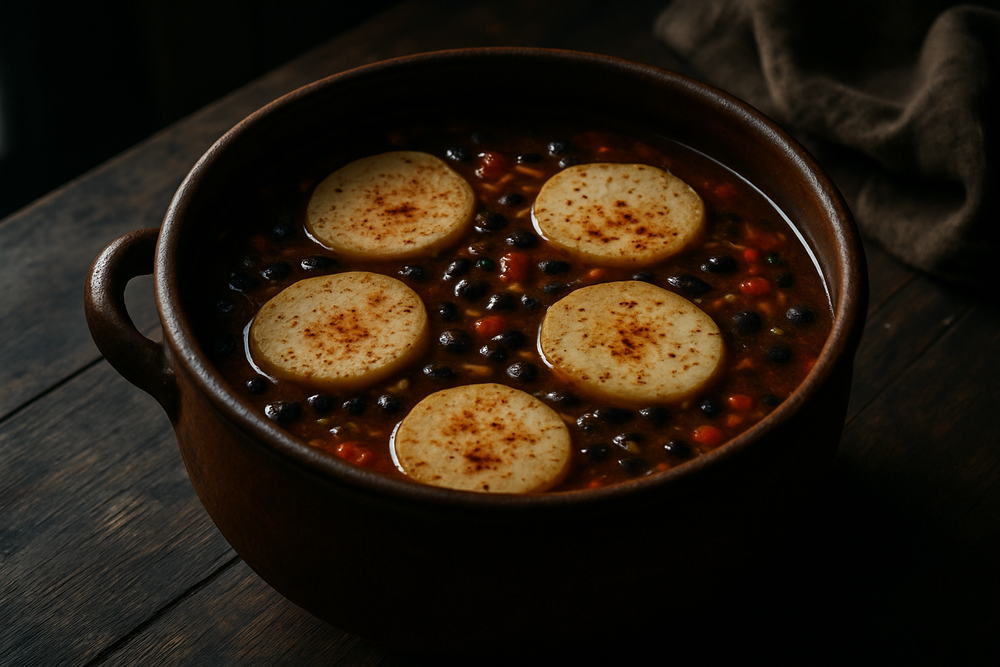
1. Caribbean-style eddoe and black bean soup Peel and cube eddoe, then simmer with canned black beans, diced tomato, garlic, scallion, and thyme in vegetable broth until the eddoe is fork-tender (about 25–30 minutes). The eddoe thickens the broth naturally. Pairing rationale: beans add the protein and additional fiber that eddoe lacks, creating a nutritionally complete one-pot meal.
2. West African groundnut stew with eddoe Add peeled eddoe pieces to a tomato-based peanut (groundnut) stew alongside leafy greens. Eddoe's creamy texture absorbs the spiced sauce beautifully. Pairing rationale: peanuts supply healthy fat and protein; leafy greens add iron, calcium, and vitamin K — nutrients eddoe provides in modest amounts.
3. Simple boiled eddoe with olive oil and herbs Boil until creamy, drain, and toss with a little olive oil, lemon juice, and fresh parsley. Pairing rationale: olive oil's monounsaturated fat improves absorption of eddoe's fat-soluble vitamin E; lemon juice boosts iron absorption from the meal.
Bottom line
Eddoe is a nutritious, underappreciated whole plant food that earns its place in a balanced diet. It delivers fiber, potassium, vitamin B6, vitamin E, and copper in a low-fat, naturally low-sodium package that supports digestive regularity, blood pressure management, and steady energy — all things well-supported by broad dietary research, even if eddoe-specific clinical trials are still sparse.
The one non-negotiable: always cook it thoroughly. Raw eddoe's calcium oxalate content makes it genuinely irritating and potentially risky. Once properly boiled, stewed, or roasted, it is safe and satisfying for most people.
If you already eat taro, yam, or plantain, eddoe is an easy and delicious addition to that roster. If it is new to you, a simple boiled-and-seasoned preparation is the best starting point.
Explore more on Plantopedia: Looking for practical ways to build more vegetable diversity into your eating pattern? Browse our goals guides to match ingredients like eddoe to your specific health focus.
How Eddoe Compares
| Compared with | What's different |
|---|---|
| Eddoe vs. Taro (Dasheen) | Larger, heart-shaped, and drier; eddoe is smaller, rounder, and tastes creamier when cooked. |
| Eddoe vs. Cassava (Yuca) | A tuber with thick bark-like skin and higher starch content; eddoe is smaller with a silkier texture. |
Health Benefits
Things to Know
Always cook before eating.: Raw eddoe contains calcium oxalate crystals that cause immediate mouth and throat irritation and can contribute to kidney stone risk over time with excessive intake.
Kidney stone history.: If you have had calcium oxalate kidney stones or follow a low-oxalate diet, discuss taro-family root vegetables with your doctor. Cooking reduces but does not completely eliminate oxalate.
Chronic kidney disease (CKD).: Eddoe is moderately high in potassium (~600 mg per 100 g). People with CKD who need to limit potassium should monitor portion sizes and consult a renal dietitian.
Diabetes or insulin resistance.: Eddoe is a carbohydrate-dense food. Account for the ~27 g of carbohydrate per 100 g serving within your overall carbohydrate budget. Work with your care team on portion sizing alongside any glucose-lowering medications.
Medication interactions.: Potassium-rich foods eaten in large quantities may interact with ACE inhibitors, ARBs, or potassium-sparing diuretics (all blood pressure medications), potentially raising blood potassium levels. If you take these drugs, you do not need to avoid eddoe — just do not dramatically increase your intake without checking with your prescriber.
Taro or Araceae allergy.: Eddoe belongs to the same plant family (Araceae) as taro and elephant ear. If you have had reactions to taro, introduce eddoe cautiously or skip it.
Children.: Safe in well-cooked, age-appropriate portions. Never give raw or undercooked eddoe to children.
Glossary
Shop This Ingredient
Stock your pantry with quality eddoe.
Buy on AmazonAs an Amazon Associate, Plantopedia earns from qualifying purchases. This costs you nothing extra and helps us keep the encyclopedia free.
Frequently Asked Questions
The evidence base for eddoe specifically is mostly observational and extrapolated. What follows reflects the current best understanding based on its nutritional composition and research on comparable foods and dietary patterns. Heart and circulation Eddoe is low in fat, low in sodium, and notably rich in potassium (600 mg per 100 g). Human research consistently shows that higher dietary potassium intake is associated with lower blood pressure and reduced cardiovascular risk, particularly when combined with low sodium intake — which is exactly the profile eddoe fits. Its fiber content may also help modestly lower LDL ("bad") cholesterol in the context of a high-fiber diet. No clinical trials have tested eddoe alone for blood pressure or heart outcomes, so these benefits are appropriately described as evidence-informed extrapolations rather than proven effects. Digestive health and microbiome With around 4 g of fiber per 100 g serving, eddoe contributes meaningfully to daily fiber goals (the US recommended intake is 25–38 g per day, and most people fall well short). Fiber adds bulk to stool, supports regular bowel movements, and feeds beneficial gut bacteria. The resistant starch in eddoe goes one step further: gut bacteria ferment it into short-chain fatty acids (SCFAs) — compounds like butyrate that nourish the cells lining the colon and support a healthy gut environment. This mechanism is well-documented in fiber research broadly, though no human study has singled out eddoe as the test food. Blood sugar and metabolism Eddoe is a starchy food, so portion awareness matters if you are managing blood sugar. That said, its fiber and resistant starch content can slow glucose absorption compared with refined starches, potentially blunting post-meal blood sugar spikes. Boiling or stewing — the typical preparation — tends to produce a lower glycemic response (the speed and height of blood sugar rise after eating) than baking or frying at high heat. Human studies on mixed starchy vegetables and high-fiber diets support improved glycemic control, but direct glycemic index data for eddoe are not widely published. People using insulin or blood-sugar medications should factor eddoe's carbohydrate content into their meal planning. Inflammation and recovery Eddoe contributes vitamin C, vitamin E, copper, and phenolic compounds — all of which participate in the body's antioxidant defense systems. Population studies link higher vegetable and antioxidant intake with lower markers of oxidative stress (cell damage caused by free radicals) and chronic low-grade inflammation. However, eddoe has not been tested in human anti-inflammatory trials; these benefits should be treated as plausible but unconfirmed at the ingredient level.
Unlike many ingredients that come in supplement or extract form, eddoe is essentially always eaten as a whole food — and that is exactly how the evidence supports it. Here is a quick comparison of preparation methods: Boiled or stewed — The gold-standard preparation for most traditional dishes. Boiling reduces calcium oxalate content significantly, yields a creamy interior, and requires no added fat. Best for soups, curries, and stews. Mashed or puréed — Cooked eddoe mashes smoothly with a little plant-based milk or olive oil. A great way to add starchy carbohydrates to a meal for children or anyone with chewing difficulties. Roasted or baked (after parboiling) — Par-boiling first ensures calcium oxalate is broken down; a second stint in a hot oven gives crisp edges. Minimal added fat required. Mixed into one-pot dishes — The most common approach in Caribbean and West African cooking: eddoe simmers alongside beans, leafy greens, tomatoes, and aromatics, absorbing flavor while contributing fiber and complex carbohydrates. Avoid raw eddoe in any form. No preparation other than thorough cooking reliably neutralizes the calcium oxalate irritant.
There is no established therapeutic dose for eddoe — it is a food, not a supplement. Typical culinary portions range from 50 to 150 g cooked per meal (roughly ½ to 1½ cups of boiled pieces), eaten as part of a balanced plate. A few practical guidelines: Start with a smaller portion (around 50–75 g) if you are introducing eddoe for the first time, particularly to check for any digestive sensitivity or mouth tingling that might suggest incomplete cooking. Aim for variety. Rotating eddoe with other starchy vegetables (sweet potato, plantain, lentils, whole grains) keeps your diet more nutritionally diverse and avoids overdoing any single source of oxalate. Account for carbohydrate load. At 27 g of carbs per 100 g cooked, a 150 g serving delivers about 40 g of carbohydrate. That is roughly the same as a medium-large potato — a useful mental benchmark. No upper limit is officially established for healthy adults eating normally cooked eddoe as part of a varied diet. If you are managing blood sugar, kidney disease, or potassium-related medication, set a personal portion ceiling in consultation with your healthcare provider.
Quick Answers
Common questions, answered in a line.
You must always cook eddoe thoroughly before eating it to neutralize irritating calcium oxalate crystals. Raw eddoe contains sharp crystals that cause immediate mouth and throat irritation and can potentially contribute to kidney stone risk.
Eddoe is a good source of potassium, dietary fiber, vitamin B6, vitamin E, copper, and complex carbohydrates like resistant starch. These nutrients collectively support heart health, digestion, and steady energy levels.
Eddoe supports digestion through its high dietary fiber content and resistant starch, which promotes gut motility and feeds beneficial bacteria in the colon. A 100g cooked serving provides about 4g of fiber to help maintain stool bulk and a healthy microbiome.
People with chronic kidney disease (CKD) or those taking specific blood pressure medications like ACE inhibitors should monitor their eddoe intake due to its high potassium levels. It contains approximately 600 mg of potassium per 100g, which may affect those who need to limit this mineral.
Eddoe contains approximately 27g of carbohydrates per 100g serving, so individuals with diabetes should account for it within their daily carbohydrate budget. However, its resistant starch and fiber content can help provide more steady energy compared to simple sugars.
When buying fresh eddoe, look for firm tubers with unbroken skin that are free from mold or soft spots. Smaller tubers, roughly the size of a golf ball or lemon, are typically the most tender for cooking.
Eddoe should be peeled and then boiled, stewed, or roasted until fork-tender, which usually takes about 25 to 30 minutes. Cooking it thoroughly is the only way to ensure the calcium oxalate crystals are safe for consumption.
For Readers in the USA
Local context — sourcing, seasonality, and regional notes.
In the United States, eddoe is most commonly found at H Mart, 99 Ranch Market, and local Caribbean or West African grocers, as well as some Whole Foods locations. Look for them in the specialty tropical produce section, often labeled alongside taro or malanga.
While most eddoe is imported from Central America and the Caribbean, it is commercially grown on a small scale in South Florida and Hawaii where the climate is tropical. In these regions, you can occasionally find them at farmers markets during the peak harvest months of late fall and winter.
When buying eddoe in the US, look for the USDA Organic seal if you want to avoid synthetic pesticides, though "transitional" or conventional imports are more common. The FDA regulates eddoe as a raw agricultural commodity, focusing primarily on food safety and labeling accuracy for imported roots.
In US grocery stores, eddoe is frequently mislabeled as "Small Taro," "Coco Islena," or "Araimo" (in Japanese markets). While related to the larger dasheen taro, it is distinct for its smaller, potato-like size and hairier skin.
AI Clinical Review
- Clear, accurate emphasis on thorough cooking to neutralize calcium oxalate crystals—this matches known safety guidance for taro-family roots.
- Nutrient profile is framed appropriately: a starchy vegetable that offers fiber (~4 g/100 g cooked) and meaningful potassium, with plausible mentions of B6, vitamin E, and copper.
- Digestive and heart-health sections align with broader evidence on high-fiber, potassium-rich, plant-forward eating patterns; “resistant starch” and its gut benefits are explained in plain language.
- Practical prep ideas (boil/stew, parboil before roasting, pair with legumes/greens) keep the focus on whole-food meals rather than supplements.
- Human trials on eddoe itself are scarce; many benefits are extrapolated from taro-family data and general diet studies rather than eddoe-specific clinical research.
- Direct glycemic index/load values for eddoe aren’t well established; real-world blood sugar response will vary by portion size and cooking method.
- Antioxidant/phenolic content is largely characterized in lab or food-composition work; anti-inflammatory effects in people remain unproven.
- Micronutrient amounts can vary by cultivar, soil, and preparation, so the listed values are best treated as estimates.
- Safety: never eat eddoe raw; boiling or stewing markedly reduces oxalate. Tingling or mouth “itching” suggests undercooking—stop eating and cook longer.
- Potassium caution: people with chronic kidney disease or taking ACE inhibitors, ARBs, or potassium‑sparing diuretics should discuss portions with their clinician.
- Kidney stone history: eddoe contains oxalate; cooking helps but does not eliminate it—those with calcium oxalate stones should individualize intake with a dietitian.
- Blood sugar management: plan for ~27 g carbohydrate per 100 g cooked; starting with 50–75 g portions and pairing with protein/fat/fiber can help blunt spikes.
- Typical culinary range: 50–150 g cooked per meal is reasonable; rotate with other starches for variety and to avoid over-relying on a single oxalate source.
Always cook; raw contains irritating calcium oxalate.
References
- USDA FoodData Central — taro and cocoyam nutritional data (fdc.nal.usda.gov)
- US MyPlate — starchy vegetables guidance (myplate.gov)
- Dole produce profile for eddoe — macronutrient and micronutrient overview (dole.com)
- J&C Tropicals — eddo/taro nutrition and preparation information (jctropicals.us)
- Weekand — nutritional value of eddoes overview (weekand.com)
- Vinmec Health — effects of taro and nutrient composition relevant to eddoe (vinmec.com)
- Sweetish Hill — how eddoe is cooked and calcium oxalate safety notes (sweetishhill.com)
- Citywide Produce — comparing taro and eddoe nutritionally (citywideproduce.com)
- NIH Office of Dietary Supplements — potassium fact sheet for consumers (ods.od.nih.gov)
- NIH Office of Dietary Supplements — dietary fiber and gut health overview (niddk.nih.gov)
Know Your Numbers
Eating healthy is a start. Now get to know your biomarkers.
Food changes bloodwork — inflammation, lipids, blood sugar and nutrient status all respond to what you eat. 59 markers from $59.
- Results in 7–10 days at 2,000+ Quest sites
- Licensed provider reviews every result
- One flat price, no membership, HSA/FSA eligible
Educational information only, not medical advice. Panels are ordered and reviewed through our licensed partner; Plantopedia may earn a commission.