Malanga — health benefits and uses
A traditional Caribbean root valued as an easily digestible starch.
The Short Answer
Malanga is a starchy root vegetable rich in complex carbohydrates and fiber, providing 7 grams of fiber and 683 mg of potassium per cup. It must be thoroughly cooked to neutralize calcium oxalate crystals, making it a popular gluten-free alternative to
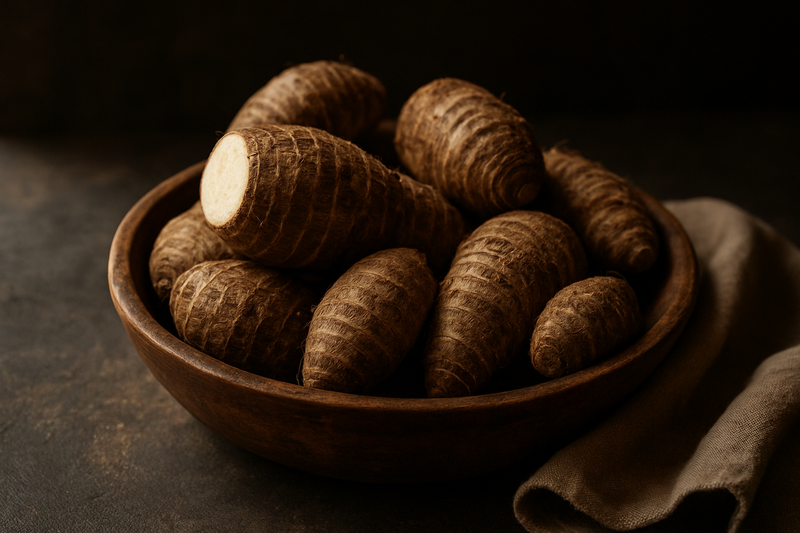
Malanga · Photograph
Discover malanga root health benefits and nutrition facts — from heart-supporting potassium and gut-friendly fiber to stable energy and gluten-free versatility. Learn how to cook it safely, who should be cautious, and how it fits a whole food plant-based diet.
Key Nutrients
% Daily Value based on 2,000 cal diet
Key active compounds
Malanga's nutritional value comes from a layered mix of macronutrients, micronutrients, and plant compounds:
- Complex carbohydrates — The main energy source; digested more slowly than simple sugars, providing a more gradual rise in blood glucose.
- Dietary fiber — Both insoluble (adds stool bulk) and soluble (feeds beneficial gut bacteria and may support cholesterol levels) fractions appear to be present in taro-family roots.
- Potassium — An electrolyte that helps regulate blood pressure, fluid balance, and heart muscle contraction.
- Vitamin B6 (pyridoxine) — A standout micronutrient in malanga; involved in making neurotransmitters (chemical messengers in the brain) and supporting immune function.
- Folate (vitamin B9) — Essential for DNA synthesis and cell division, and especially important during pregnancy.
- Quercetin — A flavonoid (a class of plant pigment and antioxidant) found in malanga that may help neutralize free radicals (unstable molecules that can damage cells).
- Phenolic compounds — A broader group of antioxidant plant chemicals present in many root vegetables and tropical tubers; preliminary animal research on Xanthosoma corms suggests they may support antioxidant defenses, though no human trials have confirmed this specifically for malanga.
- Calcium oxalate crystals — Not a benefit but worth understanding: these naturally occurring crystals cause irritation when malanga is eaten raw, which is why thorough cooking is non-negotiable.
Buying guide: how to choose and store malanga
Fresh whole tuber is the most nutritious and widely available form. Look for firm, unblemished roots without soft spots or mold. The outer skin will be rough and fibrous — that is normal. A good malanga feels heavy for its size.
- Fresh vs. frozen: Frozen pre-peeled malanga chunks are convenient and retain most nutrients through the freezing process. They are a practical choice when fresh is unavailable or when prep time is limited.
- Canned: Less common for malanga specifically, but canned preparations exist. Check the label for added sodium — rinse well if present.
- Malanga flour or powder: A specialty item found in Latin grocery stores and online. Useful for gluten-free baking and fritters. The fiber and vitamin content may vary depending on processing.
- Label tip: Fresh malanga is sometimes labeled as yautia, tannia, or cocoyam. These names are often used interchangeably, though technically different species; nutritional profiles are similar.
- Storage: Store whole, unpeeled malanga at room temperature in a cool, dry spot (not the refrigerator) for up to two weeks. Once peeled or cut, refrigerate in water and use within two days, or freeze immediately.
Common pairings: what works well with malanga
Malanga + garlic and olive oil (mojo) The classic Caribbean preparation. Garlic adds allicin, a sulfur compound with potential antimicrobial and cardiovascular properties; olive oil provides heart-healthy monounsaturated fat and helps fat-soluble vitamins absorb. The result is a satisfying, nutrient-layered side dish.
Malanga + legumes (black beans, lentils) Pairing a starchy vegetable with legumes creates a complete amino acid profile (all the essential building blocks of protein your body needs but cannot make). Legumes also add additional soluble fiber, further slowing glucose release and feeding the gut microbiome.
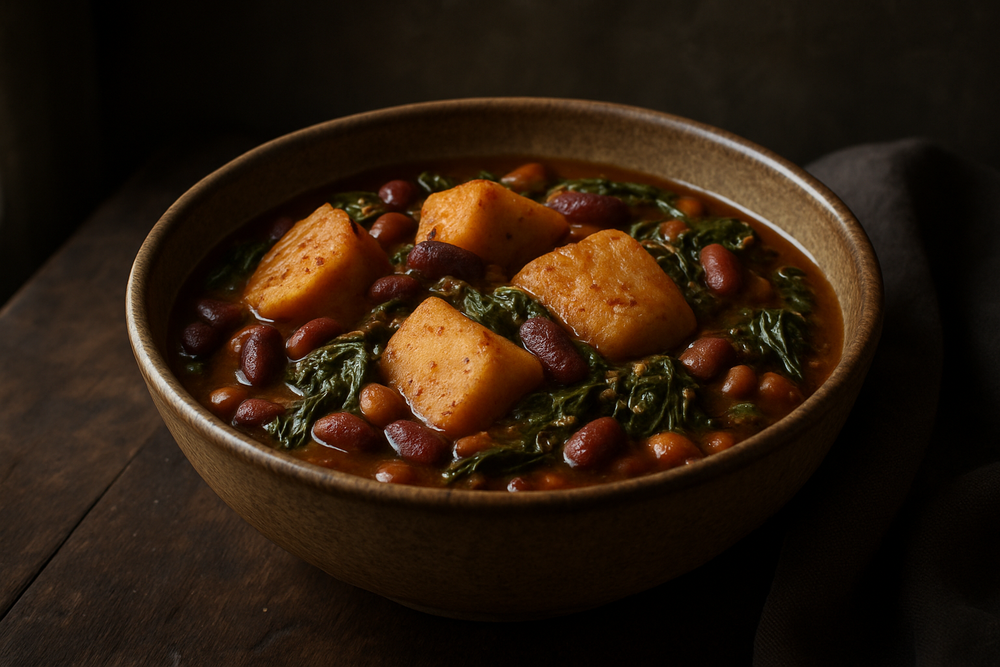
Malanga + leafy greens in a soup or stew Adding spinach, kale, or chard to a malanga-based soup boosts iron, calcium, and vitamins A and K in a single bowl. The vitamin C in malanga can also enhance the absorption of non-heme iron (the plant form of iron) from the greens — a natural synergy worth using.
Prep and pairing ideas
Malanga's starchy, mildly nutty character makes it more versatile than its unfamiliar appearance suggests:
- Boiled and mashed — Peel, cube, boil until completely soft (20–30 minutes depending on size), and mash with a little olive oil, garlic, and sea salt. A direct swap for mashed potatoes with more fiber and potassium.
- In soups and stews — Add peeled malanga chunks to bean soups, vegetable stews, or broths in the last 25–30 minutes of cooking. It thickens the broth naturally as it softens.
- Tostones-style — Slice into rounds, boil briefly until just tender, then pan-fry or air-fry until golden. A lower-fat alternative to traditional deep-fried preparation.
- Fritters (frituras de malanga) — Grate raw (but cook the fritters thoroughly), season, and pan-fry as a gluten-free fritter. Make sure the interior is fully cooked.
- Malanga purée in a smoothie bowl base — Boiled and cooled malanga can be blended into a thick, neutral-flavored base for savory bowls.
Storage tip: Peeled, cubed raw malanga oxidizes quickly. If you are not cooking it immediately, submerge in cold water in the refrigerator and use within 24 hours, or freeze cubed pieces on a tray and then transfer to a bag for up to six months.
Bottom line
Malanga is a nutrient-dense, gluten-free tropical root vegetable with a solid fiber and potassium profile, meaningful B vitamin content, and a long history of safe use in Caribbean and Latin American cooking. Its health story is largely told by its nutrient composition and what research on those nutrients shows — not by malanga-specific clinical trials, which remain sparse. That is an important distinction to keep in mind when evaluating health claims about it.
For most healthy adults, adding cooked malanga to a varied, plant-rich diet is a practical way to diversify starchy vegetable intake, boost fiber, and hit daily potassium goals. Specific groups — particularly those with kidney disease, potassium-sensitive medications, diabetes, or a history of calcium oxalate kidney stones — should speak with a healthcare provider before making malanga a regular fixture. And regardless of who you are: always cook it thoroughly.
Curious how malanga fits your personal health goals? Explore the Plantopedia goals guide to see how root vegetables like malanga can support energy, digestion, and heart health within a whole-food eating pattern.
How Malanga Compares
| Compared with | What's different |
|---|---|
| Malanga vs. Potato | Malanga has a lower glycemic index and more fiber (7g) than the starchy potato. |
| Malanga vs. Taro | Taro is starchier with a nuttier flavor, while malanga has a woodier, earthy taste. |
| Malanga vs. Yuca (Cassava) | Yuca is significantly higher in calories and starch, whereas malanga is easier to digest. |
Health Benefits
Prep Ideas
- — Boiled and mashed — Peel, cube, boil until completely soft (20–30 minutes depending on size), and mash with a little olive oil, garlic, and sea salt. A direct swap for mashed potatoes with more fiber and potassium.
- — In soups and stews — Add peeled malanga chunks to bean soups, vegetable stews, or broths in the last 25–30 minutes of cooking. It thickens the broth naturally as it softens.
- — Tostones-style — Slice into rounds, boil briefly until just tender, then pan-fry or air-fry until golden. A lower-fat alternative to traditional deep-fried preparation.
- — Fritters (frituras de malanga) — Grate raw (but cook the fritters thoroughly), season, and pan-fry as a gluten-free fritter. Make sure the interior is fully cooked.
- — Malanga purée in a smoothie bowl base — Boiled and cooled malanga can be blended into a thick, neutral-flavored base for savory bowls.
Shop This Ingredient
Stock your pantry with quality malanga.
Buy on AmazonAs an Amazon Associate, Plantopedia earns from qualifying purchases. This costs you nothing extra and helps us keep the encyclopedia free.
Frequently Asked Questions
Heart and circulation The heart-health rationale for malanga is built on two solid pillars: potassium and dietary fiber. Human studies consistently show that adequate potassium intake helps counteract the blood-pressure-raising effects of sodium — essentially, potassium encourages the kidneys to excrete more sodium, helping relax blood vessel walls. One cup of malanga provides about 683 mg of potassium, roughly 15% of the daily goal. Fiber, at 7 g per cup, has been linked in multiple human studies to lower LDL cholesterol (often called "bad" cholesterol) and healthier body weight, both relevant to cardiovascular risk. There are no randomized controlled trials (RCTs — the gold standard of clinical evidence) specifically testing malanga for heart outcomes, so these benefits remain extrapolated from broader vegetable and nutrient research. Digestive health and microbiome A single cup of boiled malanga is a meaningful fiber delivery vehicle — 7 g is about a quarter of what most adults need in a day. Insoluble fiber adds bulk to stool and speeds transit through the colon, reducing constipation risk. Soluble fiber acts as a prebiotic, meaning it feeds the beneficial bacteria (microbiome) living in your large intestine. A well-fed microbiome is associated with better immune function, lower inflammation markers, and improved mood in population-level research. Malanga is also frequently described by its culinary users as gentler on the stomach than some grains, and its gluten-free status makes it a practical starch swap for people with celiac disease or non-celiac gluten sensitivity. However, this "easier to digest" reputation is based on culinary tradition and general observations, not controlled digestive studies. Blood sugar and metabolism Malanga is a starchy vegetable — there is no getting around its carbohydrate content (roughly 40 g per cooked cup). But those carbohydrates come packaged with fiber, which slows digestion and the release of glucose (sugar) into the bloodstream. This tends to produce a more gradual postprandial (after-meal) blood glucose rise compared with refined starches like white bread or white rice. Research on high-fiber diets and lower-glycemic-index (GI — a scale measuring how quickly a food raises blood sugar) foods consistently supports better insulin sensitivity and more stable energy levels. Specific GI testing on malanga is limited, so exact numbers are uncertain. Anyone managing diabetes or prediabetes should treat malanga like any other starchy vegetable: watch portion size, pair it with protein and healthy fat, and monitor personal glucose responses. Inflammation and recovery Evidence here is the most preliminary. One animal study published in a peer-reviewed journal tested a combination of Xanthosoma sagittifolium corm extract and another plant in hypertensive Wistar rats. The results suggested enhanced antioxidant enzyme activity and reduced oxidative stress (cellular damage from free radicals) — but this is animal data using a combined preparation, not a human trial of malanga alone. Malanga does contain quercetin and other phenolic compounds with recognized antioxidant properties in lab settings. It is reasonable to count malanga as part of a broader antioxidant-rich, plant-heavy diet, but it should not be positioned as an anti-inflammatory treatment.
Malanga is considered safe for most people when cooked thoroughly and eaten in normal food amounts. Key cautions: Always cook malanga before eating. Raw or undercooked malanga contains calcium oxalate crystals that can cause a burning or prickling sensation in the mouth, throat irritation, and gastrointestinal discomfort. Boiling until fully tender neutralizes this risk. Kidney disease: Malanga's potassium content (683 mg per cup) may be too high for people with chronic kidney disease (CKD) who need to limit dietary potassium to avoid hyperkalemia (dangerously elevated blood potassium). Talk to a renal dietitian before eating it regularly. Potassium-raising medications: ACE inhibitors, angiotensin receptor blockers (ARBs), and potassium-sparing diuretics (such as spironolactone) can all raise serum potassium. Combining them with high-potassium foods like malanga warrants monitoring. Speak with your prescribing provider. Diabetes and insulin resistance: At 40 g of carbohydrates per cup, malanga is a high-carbohydrate food. It can fit a diabetic eating pattern in measured portions, but large servings may require medication adjustments. Kidney stones (oxalate type): If you have a history of calcium oxalate kidney stones and are following a low-oxalate diet, taro-family tubers may not be the best frequent choice. Discuss with your urologist or dietitian. IBS and sensitive digestion: High-fiber starchy vegetables can cause gas and bloating in some people with irritable bowel syndrome (IBS) or FODMAP (a category of fermentable carbohydrates) sensitivity, especially in large portions. Start small and assess your own tolerance. Araceae allergy: Allergy to taro-family plants is uncommon but possible. If you have known reactions to taro, cocoyam, or similar roots, proceed cautiously and consult an allergist. Pregnancy: Folate content makes malanga a nutritionally useful food during pregnancy, but there are no specific contraindications. Eat it fully cooked, as you would any starchy vegetable.
There is no established clinical dose for malanga because it is a food, not a supplement. Practical guidance based on nutritional content and general dietary principles: Typical serving: ½ to 1 cup cooked malanga (approximately 70–140 g) as part of a balanced meal. This sits comfortably within the USDA MyPlate starchy vegetable allowance for most adults. Fiber consideration: If you are not used to eating much fiber, start with a smaller portion (½ cup) and increase gradually over one to two weeks. Jumping straight to large amounts of any high-fiber food can cause gas, bloating, or loose stools. Carbohydrate budget: If you are managing blood sugar, carbohydrate counting, or following a lower-carbohydrate eating plan, note that 1 cup of cooked malanga contains approximately 40 g of total carbohydrates. Factor that into your daily carbohydrate allowance. Frequency: Most people can eat malanga several times a week without concern, as long as overall dietary variety is maintained and potassium intake is appropriate for their kidney function. No upper limit is established for healthy adults eating malanga as a whole food. Common sense portions within a varied plant-forward diet are the practical guide. If you are using malanga to replace another starchy staple (white rice, white bread, refined pasta), the fiber and micronutrient upgrade is likely a net positive for most people.
Quick Answers
Common questions, answered in a line.
Malanga is rich in fiber and complex carbohydrates that digest slowly, leading to a gradual rise in blood glucose. This combination provides stable, long-lasting energy compared to simple sugars, making it an excellent choice for sustained fuel throughout the day.
You must cook malanga thoroughly because it contains naturally occurring calcium oxalate crystals that cause significant irritation if eaten raw. Boiling, mashing, or pan-frying the root until it is completely soft neutralizes these crystals for safe consumption.
Malanga supports heart health through its high potassium content, which helps regulate blood pressure, fluid balance, and heart muscle contractions. It also contains soluble fiber and antioxidant compounds like quercetin that may support healthy cholesterol levels.
When buying fresh malanga, look for roots that are firm, heavy for their size, and free of soft spots or mold. While the outer skin is naturally rough and fibrous, the tuber inside should be unblemished and solid to the touch.
Store whole, unpeeled malanga at room temperature in a cool, dry location for up to two weeks. Avoid refrigerating the whole root; however, once it is peeled or cut, you should submerge it in water and refrigerate it for use within two days.
Malanga is an excellent source of vitamin B6 (pyridoxine) and folate (vitamin B9). Vitamin B6 is essential for creating neurotransmitters and supporting immune function, while folate is critical for DNA synthesis and cell division.
Malanga is a versatile, gluten-free starchy vegetable that can be boiled, mashed like potatoes, added to soups as a natural thickener, or grated into fritters. Its mildly nutty flavor pairs well with garlic, olive oil, and legumes like black beans or lentils.
Malanga helps support gut health by providing a mix of insoluble fiber for stool bulk and soluble fiber that feeds beneficial gut bacteria. These fibers aid in digestion and help maintain a healthy gut microbiome.
For Readers in the USA
Local context — sourcing, seasonality, and regional notes.
In the United States, you can find malanga at major grocery chains like Publix, Kroger, and Whole Foods, as well as at local Hispanic and Caribbean markets. It is most consistently available in states with large Caribbean populations, such as Florida and New York, where it is often sold under the names yautia or coco.
Domestic malanga is primarily grown in South Florida, where the tropical climate allows for a year-round harvest. While it is available in U.S. stores throughout all four seasons, peak availability often aligns with the warmer months when local Florida crops are most abundant.
Look for the USDA Organic seal to ensure malanga was grown without synthetic pesticides, as the root can absorb soil contaminants. Because the FDA requires all raw malanga to be handled safely due to its calcium oxalate content, always ensure the tuber is firm and free of soft, "weeping" spots before purchasing.
In U.S. supermarkets, malanga is frequently labeled as yautia, tannia, or occasionally cocoyam, depending on the regional background of the store's suppliers. While these terms may refer to slightly different species within the Xanthosoma genus, they are treated as culinary equivalents in American kitchens.
AI Clinical Review
- Frames malanga’s benefits around its nutrient profile (fiber, potassium, B vitamins) rather than overstating ingredient-specific trials—this aligns with the current evidence base for starchy vegetables.
- Highlights meaningful fiber (~7 g per cooked cup) and potassium (~683 mg per cup), both tied in human research to digestive regularity and blood-pressure support when part of an overall healthy diet.
- Emphasizes safety essentials: malanga must be fully cooked to inactivate irritating calcium oxalate crystals; it is naturally gluten‑free.
- Offers practical use cases and pairings (e.g., with legumes or olive oil) that can improve satiety, nutrient balance, and meal quality.
- There are no randomized controlled trials on malanga itself for cardiometabolic or digestive outcomes; benefits are extrapolated from studies on fiber-, potassium-, and vegetable-rich diets.
- Glycemic impact is discussed in general terms; specific glycemic index/load data for malanga are limited, so individual glucose responses may vary.
- Antioxidant/anti‑inflammatory claims rest mostly on lab/animal data and the presence of compounds like quercetin; clinical relevance in typical food portions is uncertain.
- Culinary claims such as being “gentler on the stomach” are largely experiential; people with IBS or FODMAP sensitivity may react differently.
- Portion guidance: 1/2–1 cup cooked as the starchy component of a meal is reasonable; one cup provides ~40 g carbohydrate—plan accordingly if you track carbs or manage diabetes.
- Safety and special populations: those with chronic kidney disease or on potassium‑raising medications (ACE inhibitors/ARBs, potassium‑sparing diuretics) should monitor potassium and discuss routine intake with their clinician.
- Kidney stone history (calcium oxalate): enjoy occasionally and fully cooked; boiling and discarding the cooking water can reduce soluble oxalate and potassium, but personalized advice from a clinician/dietitian is best.
- Digestive sensitivity: increase portions gradually to minimize gas/bloating; tolerance varies. Always cook thoroughly; avoid raw or undercooked preparations.
Must be cooked; raw taro-family tubers contain irritating oxalate crystals.
References
- USDA FoodData Central — malanga / yautia nutritional data (fdc.nal.usda.gov)
- USDA MyPlate — vegetable group guidelines and starchy vegetable recommendations (myplate.gov)
- Medical News Today — malanga nutritional information and health benefits overview (medicalnewstoday.com)
- Healthline — malanga health benefits and safety overview (healthline.com)
- Nutrition-and-you — malanga (tannia/yautia) nutrition facts and health benefits (nutrition-and-you.com)
- MedicineNet — malanga nutritional value chart and health benefits (medicinenet.com)
- PubMed — animal study on antioxidant activity and oxidative damage in hypertensive Wistar rats using Xanthosoma sagittifolium corm (pubmed.ncbi.nlm.nih.gov)
- New Mexico State University Extension — root and tuber crop guide including Xanthosoma (pubs.nmsu.edu)
- Doctar nutrition — malanga as a nutritious root vegetable for health (doctar.in)
Know Your Numbers
Eating healthy is a start. Now get to know your biomarkers.
Food changes bloodwork — inflammation, lipids, blood sugar and nutrient status all respond to what you eat. 59 markers from $59.
- Results in 7–10 days at 2,000+ Quest sites
- Licensed provider reviews every result
- One flat price, no membership, HSA/FSA eligible
Educational information only, not medical advice. Panels are ordered and reviewed through our licensed partner; Plantopedia may earn a commission.