Breadfruit — health benefits and uses
A traditional food-security crop across Oceania, eaten as a filling starch.
The Short Answer
Breadfruit is a starchy tropical fruit that acts as a nutrient-dense carbohydrate, providing 11 grams of fiber and over 1,000 mg of potassium per cup. It must be cooked—typically boiled, roasted, or baked—to achieve a texture similar to freshly baked bread or
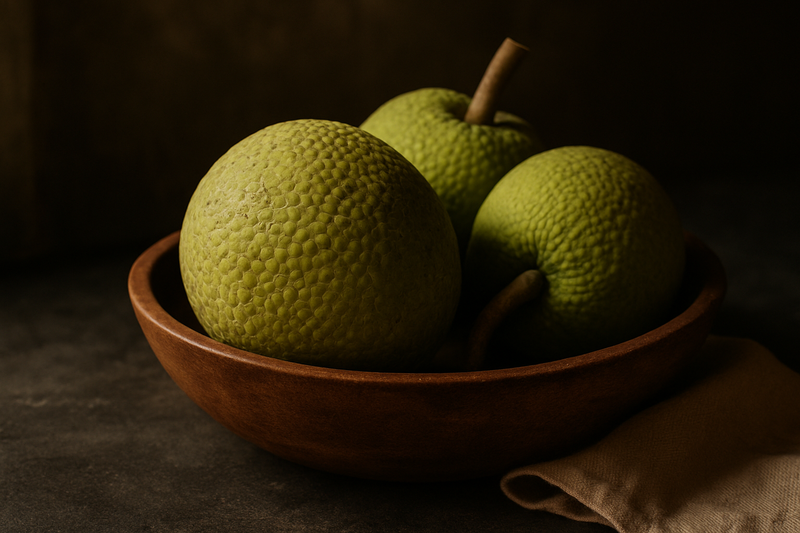
Breadfruit · Photograph
Discover breadfruit health benefits and nutrition facts — from its impressive fiber and potassium content to how it supports digestion, heart health, and steady energy. Learn how to cook it safely and how much to eat per day.
Key Nutrients
% Daily Value based on 2,000 cal diet
Key active compounds
Breadfruit's health-relevant compounds go beyond basic macronutrients:
- Dietary fiber — both soluble and insoluble types that feed gut bacteria, slow glucose absorption, and support bowel regularity.
- Potassium — a major electrolyte (a mineral that carries an electrical charge in body fluids) that helps regulate blood pressure and muscle function.
- Vitamin C (ascorbic acid) — a water-soluble antioxidant (a compound that neutralizes cell-damaging molecules called free radicals) that supports immune defense and collagen formation.
- Provitamin A carotenoids — pigmented compounds such as beta-carotene that the body converts into vitamin A, supporting vision and immune health.
- Flavonoids — a family of polyphenolic plant compounds (complex molecules made only by plants) with antioxidant and potential anti-inflammatory properties.
- Thiamin and niacin (B vitamins) — essential cofactors (helper molecules) for converting carbohydrates into usable energy.
- Copper — a trace mineral involved in iron metabolism and antioxidant enzyme activity.
Prep and pairing ideas
Breadfruit rewards simple preparation. Here are three practical pairings and why they work:
1. Breadfruit + coconut milk + leafy greens (curry or stew) Traditional across the Pacific and Caribbean. Coconut milk adds fat that slows glucose absorption and carries fat-soluble carotenoids from the greens. Leafy greens add folate and magnesium to complement breadfruit's B vitamins.
2. Roasted breadfruit wedges + black beans + pico de gallo The beans provide plant protein and additional fiber that balance breadfruit's carbohydrate load, making a nutritionally complete meal. The tomato salsa boosts vitamin C, enhancing iron absorption from both foods.
3. Boiled breadfruit + turmeric + black pepper mash Turmeric (curcumin) and black pepper (piperine) are a classic anti-inflammatory pairing. Serving the mash with a protein — tofu, lentils, or eggs — rounds out the amino acid profile and moderates the glycemic response.
Storage tip: Whole ripe breadfruit can be kept at room temperature for 1–3 days. Once cut, wrap tightly and refrigerate for up to 2 days, or cook and freeze for up to 3 months. Breadfruit flour stores like any whole-grain flour: cool, dry, and away from light.
Bottom line
Breadfruit is a genuinely impressive whole-plant starch: high in fiber, rich in potassium and vitamin C, naturally gluten-free, and deeply rooted in some of the world's longest-lasting food cultures. It is not a cure for anything, and the clinical evidence directly testing breadfruit in humans is still limited — but its nutrient profile aligns well with dietary patterns consistently associated with heart health, digestive regularity, and sustained energy. For most healthy adults, adding boiled or roasted breadfruit as a replacement for refined starchy foods is a straightforward, evidence-aligned upgrade. Just cook it first, introduce it gradually if your diet is currently low in fiber, and check in with a healthcare provider if you have kidney disease, diabetes, or take medications that affect potassium.
Explore more on Plantopedia: Looking for other high-fiber, energy-sustaining whole foods? Browse our Goals guides to find ingredient combinations matched to your health priorities.
How Breadfruit Compares
| Compared with | What's different |
|---|---|
| Breadfruit vs. Jackfruit | Jackfruit has a meaty, stringy texture and is often eaten ripe, whereas breadfruit is starchy and potato-like. |
| Breadfruit vs. Potato | Potatoes are tubers, while breadfruit is a tree fruit with significantly higher fiber and vitamin C content. |
Health Benefits
Things to Know
Always cook before eating.: Raw breadfruit is hard to digest and unpleasant to eat.
Latex sensitivity.: The milky sap can irritate skin and mucous membranes. Wear gloves when cutting, especially if you have a latex allergy or sensitivity to other Moraceae family plants (jackfruit, breadnut).
High potassium load.: One cup provides ~1078 mg of potassium. If you have chronic kidney disease (CKD) or have been told to restrict potassium, check with your nephrologist (kidney specialist) before eating significant amounts regularly.
Diabetes and blood sugar.: Breadfruit is a concentrated carbohydrate source. People using insulin or oral hypoglycemic (blood-sugar-lowering) medications should factor it into their carbohydrate counts and monitor glucose response.
Potassium-affecting medications.: Potassium-sparing diuretics (e.g., spironolactone), ACE inhibitors, and ARBs (angiotensin receptor blockers) — common blood pressure drugs — can raise blood potassium levels. Combining these with a high-potassium food like breadfruit may require monitoring; discuss with your prescriber.
Increase fiber gradually.: If your current diet is low in fiber, introduce breadfruit in smaller portions (½ cup cooked) and increase slowly to avoid gas and bloating.
Pregnancy and breastfeeding.: Breadfruit is a traditional food eaten safely during pregnancy across Pacific cultures, but no specific clinical guidance exists. Standard food-safety and balanced-diet advice applies.
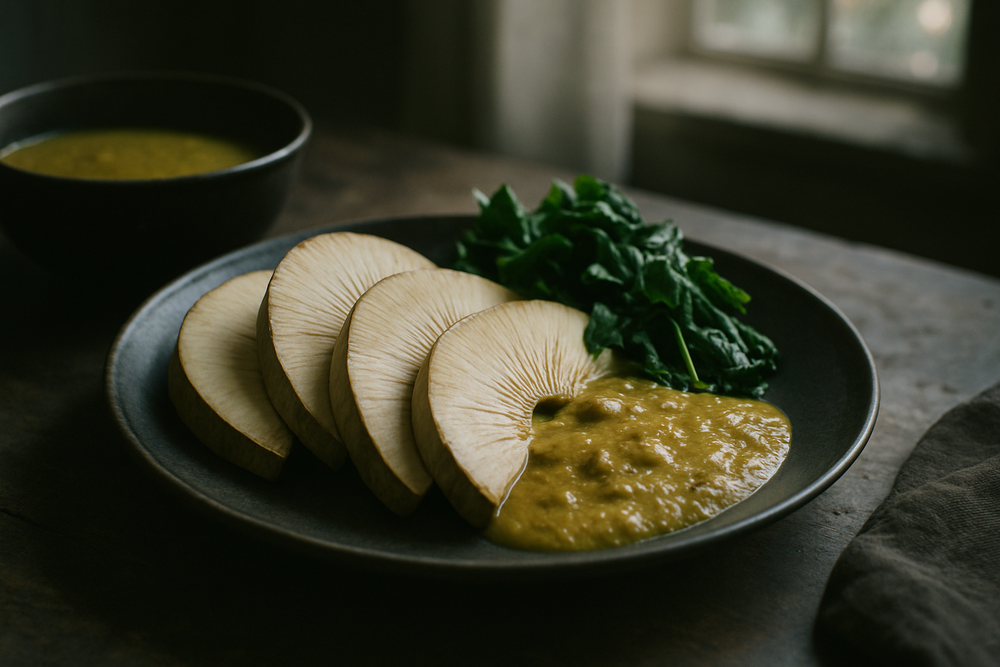
Shop This Ingredient
Stock your pantry with quality breadfruit.
Buy on AmazonAs an Amazon Associate, Plantopedia earns from qualifying purchases. This costs you nothing extra and helps us keep the encyclopedia free.
Frequently Asked Questions
Most of what we know about breadfruit's benefits comes from its nutrient profile and from general research on high-fiber, high-potassium plant foods rather than from dedicated clinical trials using breadfruit itself. That distinction matters: the evidence is encouraging but still largely indirect. Here is what each area looks like. Heart and circulation Breadfruit is a naturally high-potassium, high-fiber, low-fat food — three dietary characteristics consistently linked to cardiovascular health in large population studies. Potassium supports healthy blood pressure by helping relax blood vessel walls and balance the effects of sodium. Dietary fiber, particularly the soluble type, is associated with modest reductions in LDL cholesterol (often called "bad" cholesterol) across many controlled trials — though those trials used fiber in general, not breadfruit specifically. Vitamin C and flavonoids may add antioxidant support for vascular health. No dedicated human clinical trials measuring breadfruit's direct effect on heart outcomes have been published yet. Digestive health and microbiome One cup of cooked breadfruit delivers roughly 11 g of dietary fiber — a meaningful contribution toward the 25–38 g daily target most adults fall short of. Fiber adds bulk to stool, supports regularity, and serves as a prebiotic (food for the beneficial bacteria living in your gut, collectively called the microbiome). Long-standing traditional use as a staple across Pacific and Caribbean communities suggests it is well tolerated when cooked and introduced as part of a balanced diet. That said, jumping from low-fiber eating to large portions of breadfruit quickly can cause gas or bloating — a normal physiological response to sudden fiber increases, not specific to breadfruit. Blood sugar and metabolism Breadfruit is a significant source of complex carbohydrates — the long-chain starch molecules that digest more slowly than simple sugars. It has been described as having a moderate glycemic index (GI), a scale measuring how quickly a food raises blood glucose compared to pure glucose). Pairing breadfruit with protein, healthy fat, and non-starchy vegetables further slows glucose absorption. For people with diabetes or prediabetes, breadfruit still counts as a substantial starch and portion awareness is important. Robust human randomized controlled trials on breadfruit's specific glycemic effects are limited; most guidance here is adapted from broader research on high-fiber starchy foods. Inflammation and recovery Breadfruit contains vitamin C, provitamin A carotenoids, and flavonoids — compounds with known antioxidant activity in laboratory settings. Antioxidants help neutralize free radicals (unstable molecules that can damage cells and contribute to chronic inflammation). Human clinical trials directly connecting breadfruit consumption to inflammatory markers such as C-reactive protein are currently lacking. The anti-inflammatory potential of breadfruit's phytochemicals is considered emerging or theoretical at this stage.
The short answer: all three are safe and traditional, but preparation method changes the nutritional picture. Boiling or steaming keeps fat and calorie content lowest and produces a soft, creamy texture similar to mashed potatoes. It preserves water-soluble nutrients like vitamin C reasonably well and is the most gut-friendly option for people new to the food. Roasting or baking concentrates flavors, creates a slightly firmer texture, and produces a nutty sweetness. No added fat is required, keeping the nutrient profile very close to boiling. Frying is delicious and traditional (breadfruit chips and fried slices are popular across the Caribbean), but it significantly increases calorie and fat content and may raise the glycemic impact. An occasional treat, not an everyday choice. Breadfruit flour is a useful gluten-free baking option. Drying and milling reduces vitamin C content but retains fiber and starch. Look for minimally processed flour with no added preservatives. One preparation rule applies to all methods: always cook breadfruit before eating. Raw breadfruit flesh is starchy, difficult to digest, and not culinarily pleasant. The sticky white latex (sap) that oozes when you cut the fruit can also irritate skin and mucous membranes, so wearing gloves during prep is a sensible precaution for sensitive individuals.
The active person who needs sustained energy Breadfruit's complex carbohydrates release energy more gradually than refined starches, supporting endurance without sharp blood sugar spikes. Its B vitamins (thiamin, niacin, riboflavin) act as cofactors in converting carbs to fuel at the cellular level. Gluten-free by nature, making it a useful starch for athletes following gluten-free diets. The gut-health-focused eater Nearly 40% of the daily fiber target in one cup makes breadfruit one of the higher-fiber starchy foods available. Its prebiotic fiber fraction feeds beneficial gut bacteria, supporting a diverse microbiome. The whole-food form (versus processed snacks) means fiber arrives with vitamins and minerals rather than in isolation.
There is no single clinical "recommended dose" for breadfruit — it is a whole food, not a supplement. Traditional populations often consume it as a primary starch, eating 1–2 cups (220–440 g) cooked per day as their main carbohydrate source. For most healthy adults, a reasonable starting point is: New to breadfruit: Start with ½ cup (about 110 g) cooked, to let your digestive system adjust to the fiber load. Regular use: 1 cup (220 g) as a side or starch base per meal is typical and well within the range used traditionally. Active individuals with higher energy needs: Up to 1.5–2 cups per sitting is common in traditional contexts, but contributes roughly 340–450 calories and 130 g of carbohydrate — relevant for anyone counting macros or managing blood sugar. The total amount that is right for you depends on your overall diet, energy needs, health conditions, and how much other starchy food you eat in a day. If you have kidney disease or diabetes, speak with a registered dietitian to figure out a portion that fits your plan.
Quick Answers
Common questions, answered in a line.
Breadfruit is a rich source of dietary fiber, potassium, vitamin C, provitamin A carotenoids, and B vitamins like thiamin and niacin. It also contains flavonoids with antioxidant properties and trace minerals such as copper, which supports iron metabolism.
Breadfruit supports heart health through its high potassium content, which helps regulate blood pressure and muscle function. Additionally, its fiber content and antioxidant compounds like vitamin C and flavonoids align with dietary patterns that protect cardiovascular health.
You should always cook breadfruit before eating it because raw breadfruit is difficult to digest and unpleasant to consume. Boiling, roasting, or mashing the fruit are recommended preparation methods to ensure it is safe and palatable.
Individuals with chronic kidney disease (CKD) or those taking potassium-sparing medications like ACE inhibitors should consult a doctor before eating breadfruit due to its high potassium content. One cup of breadfruit provides approximately 1078 mg of potassium, which may be too high for certain medical conditions.
Breadfruit supports digestive health by providing both soluble and insoluble dietary fiber that feeds gut bacteria and promotes bowel regularity. To avoid gas or bloating, it is recommended to introduce this high-fiber food into your diet gradually.
When handling breadfruit, you should wear gloves to avoid the milky sap, which can irritate the skin and mucous membranes. This is especially important for individuals with latex sensitivities or allergies to related plants like jackfruit.
Breadfruit provides steady energy because its dietary fiber slows glucose absorption, helping to maintain more stable blood sugar levels. It also contains B vitamins that act as essential cofactors for converting carbohydrates into usable energy for the body.
For Readers in the USA
Local context — sourcing, seasonality, and regional notes.
In the United States, fresh breadfruit is commercially grown primarily in Hawaii and southern Florida due to their tropical climates. While most U.S. states are too cold for cultivation, these regions provide the consistent warmth and humidity the trees require to fruit.
You can typically find breadfruit at international grocery stores, Caribbean or Pacific Island markets, and specialty retailers like Whole Foods or H-Mart. In states like Hawaii and Florida, it is frequently sold at local farmers markets when in season, usually between July and February.
Fresh breadfruit is often sold in the U.S. under its common name, though it may be labeled as 'ulu' in Hawaiian markets or 'panapén' in Puerto Rican and Spanish-speaking communities. You may also find it processed as gluten-free breadfruit flour or frozen slices in the ethnic food aisles of major supermarkets.
The USDA does not have specific grading standards for breadfruit, but like all produce, it can carry the USDA Organic seal if grown according to federal organic regulations. When buying, look for the 'Certified Organic' label to ensure it was produced without synthetic pesticides or fertilizers.
AI Clinical Review
- Clearly explains that breadfruit is a fiber‑rich, complex‑carbohydrate staple with meaningful potassium and vitamin C, and that it’s naturally gluten‑free.
- Appropriately frames most health claims as nutrient‑pattern based (high fiber/potassium) rather than breadfruit‑specific clinical trials.
- Offers practical, culturally grounded cooking guidance and smart pairings that help moderate blood sugar and round out protein.
- Highlights key safety points: always cook before eating and be mindful of the irritating latex sap.
- Cardiometabolic benefits are inferred from general research on high‑fiber, high‑potassium diets; direct human trials testing breadfruit on outcomes like blood pressure, LDL, or A1C are limited.
- Glycemic impact (GI: how fast a food raises blood sugar) likely varies by ripeness, cultivar, portion size, and preparation; individual responses can differ.
- Antioxidant/anti‑inflammatory effects are based largely on lab data and nutrient content (vitamin C, polyphenols), not on trials measuring inflammatory markers after eating breadfruit.
- Protein quality: while breadfruit contains all essential amino acids, the total protein per serving is modest, so it shouldn’t be relied on as a primary protein source.
- Portions: for most adults, ½ cup cooked is a gentle starting point; 1 cup cooked works as a typical starch serving. People with higher energy needs may eat more, but it still counts toward total carbohydrate.
- Potassium caution: those with chronic kidney disease or on potassium‑raising medications (e.g., ACE inhibitors, ARBs, spironolactone) should discuss regular intake with a clinician to avoid hyperkalemia (high blood potassium).
- Blood sugar management: if you have diabetes or use insulin/secretagogues, treat breadfruit as a starch; pair with protein, healthy fats, and non‑starchy vegetables and monitor your own glucose response.
- Form matters: boiling/roasting keep fat low and preserve more micronutrients than frying; very ripe fruit and fried or finely milled forms (flour) can raise glycemic impact compared with firm, boiled/roasted slices. Individuals with latex sensitivity may wish to wear gloves during prep.
Must be cooked; the sticky latex can irritate skin.
References
- USDA FoodData Central — breadfruit nutrition data (fdc.nal.usda.gov)
- MyPlate fruit guidance — USDA (myplate.gov)
- University of Rochester Medical Center — potassium and nutrition (urmc.rochester.edu)
- National Tropical Botanical Garden — breadfruit nutrition and food use overview (ntbg.org)
- Hawaii Department of Agriculture / University of Hawaii — Breadfruit Nutrition Fact Sheet (dab.hawaii.gov)
- PMC/NCBI — processing, nutritional quality, and applications of breadfruit (review, 2023) (pmc.ncbi.nlm.nih.gov)
- Growables.org — breadfruit cultivation and nutritional overview (growables.org)
- Nutrition-and-You — breadfruit micronutrient summary (nutrition-and-you.com)
- Wikipedia — Breadfruit: botany, history, and uses (en.wikipedia.org)
Know Your Numbers
Eating healthy is a start. Now get to know your biomarkers.
Food changes bloodwork — inflammation, lipids, blood sugar and nutrient status all respond to what you eat. 59 markers from $59.
- Results in 7–10 days at 2,000+ Quest sites
- Licensed provider reviews every result
- One flat price, no membership, HSA/FSA eligible
Educational information only, not medical advice. Panels are ordered and reviewed through our licensed partner; Plantopedia may earn a commission.