Marang — health benefits and uses
A prized Mindanao and Bornean fruit eaten fresh at peak ripeness.
The Short Answer
Marang is a sweet tropical fruit notable for its high potassium content, providing 900 mg per cup, along with 25 mg of Vitamin C and 3.6 grams of fiber. Its soft, custard-like white arils are typically eaten fresh or paired with glutinous rice and coconut

Marang · Photograph
Discover marang fruit health benefits, nutrition facts, and how to eat it — including whether the seeds are edible, how it compares to jackfruit, and what to know before adding this fragrant tropical fruit to your diet.
Key Nutrients
% Daily Value based on 2,000 cal diet
Key active compounds in marang
The edible pulp, the peel, and the seeds each carry a different set of bioactive compounds (substances in food that interact with biological processes in the body).
- Flavonoids — pinocembrin and pinostrobin: A class of polyphenolic (multi-ringed aromatic) compounds with antioxidant properties, isolated mainly from marang's non-pulp tissues. In lab studies, they show anti-inflammatory and antimicrobial activity.
- Triterpenoids — α-amyrin acetate, β-amyrin acetate, taraxeryl acetate: Lipid-soluble plant compounds linked in other contexts to anti-inflammatory and metabolic effects. Found in marang roots and bark; not well-characterized in the edible pulp.
- Phytosterols — β-sitosterol and stigmasterol: Plant-derived sterols structurally similar to cholesterol. When eaten regularly across a plant-rich diet, phytosterols can mildly reduce cholesterol absorption, though their concentration in marang pulp specifically is not yet confirmed.
- Total phenolic compounds (especially in the peel): The peel shows particularly strong antioxidant capacity in standard laboratory assays (DPPH and FRAP — tests that measure how well a substance neutralizes unstable molecules called free radicals). These findings are preclinical and have not been translated into confirmed human health effects.
- Seed secondary metabolites: Phytochemical screening of marang seed extracts found tannins, saponins, steroids, terpenoids, and alkaloids, along with demonstrated antimicrobial activity against Staphylococcus aureus and Escherichia coli in the lab. This does not mean eating cooked seeds treats infections — it points to possible future uses in food science or pharmacology.
Prep and pairing ideas
Eat it straight from the rind. The simplest and most nutritious approach — no equipment needed beyond your hands. Chill the whole fruit first for a refreshing experience.
Common pairings:
- Marang + glutinous rice (sticky rice): A traditional pairing across the Philippines and Borneo. The starchy, slightly savory rice balances the intense sweetness of the arils and adds staying power to the meal, since rice provides longer-digesting carbohydrates alongside marang's natural sugars.
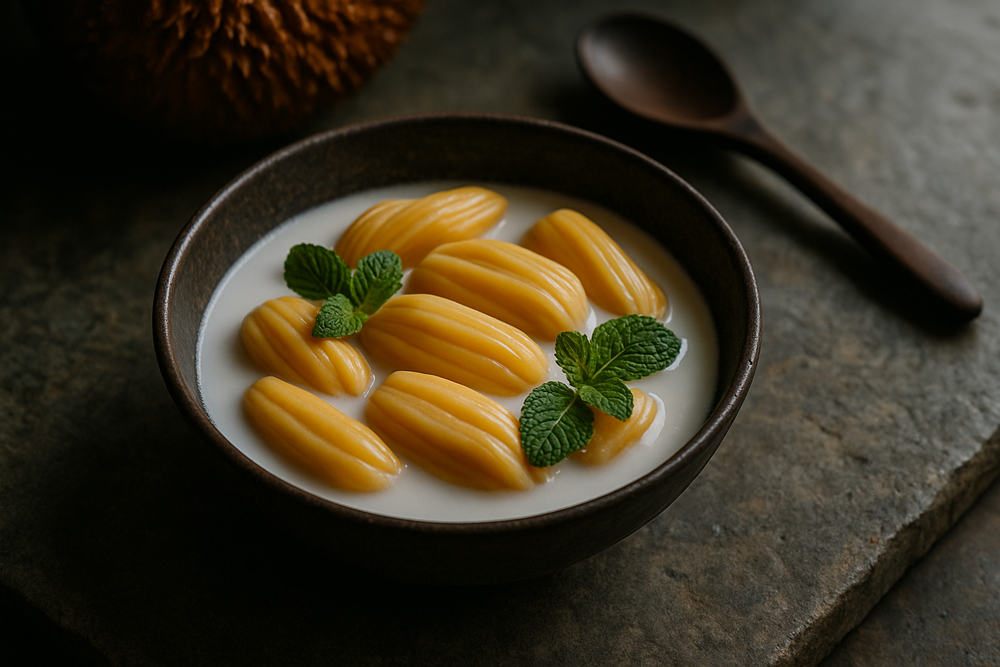
- Marang + coconut milk–based desserts: The fruit's custard-like texture blends naturally into coconut milk puddings or frozen desserts. Coconut milk adds healthy fats that can further slow the absorption of marang's sugars — a useful combination for those mindful of blood sugar spikes. Be aware that coconut milk is calorie-dense, so portions matter.
- Marang + lime juice and fresh mint (smoothie or fruit bowl): A small squeeze of lime juice supplies extra vitamin C and a bright acidity that cuts through sweetness. The vitamin C from both sources can also help your body absorb the non-heme iron (the plant form of iron) in the marang more efficiently — a genuinely useful synergy backed by general nutrition research.
Cooked seeds as a side: Boil seeds until fork-tender, toss with a little salt, pepper, and smoked paprika, and serve as a snack or side dish. They work similarly to boiled chestnuts or edamame.
Bottom line
Marang is a genuinely enjoyable whole fruit with a respectable nutritional profile: meaningful fiber, a solid dose of vitamin C, meaningful potassium, and very little fat. It fits naturally into a whole food, plant-based eating pattern and counts toward daily fruit recommendations. The early research on its phytochemicals — especially in the peel and seeds — is intriguing, but no human trials have confirmed specific health outcomes from eating marang. The honest message is: eat it fresh when you can get it, cook the seeds before eating them, and keep quantities reasonable if you have kidney disease or are on potassium-affecting medications. As part of a varied, fruit-rich diet, marang is a flavorful and nutritious choice.
Looking for more ways to eat toward specific health goals? Browse the Plantopedia goals guide for fruit-focused eating strategies.
How Marang Compares
| Compared with | What's different |
|---|---|
| Marang vs. Jackfruit | Marang is significantly smaller with a softer, hairier skin and a sweeter, creamier scent. |
| Marang vs. Durian | Marang has a stronger, musky aroma and much softer, custard-like flesh than the fibrous durian. |
| Marang vs. Breadfruit | Marang contains individual white arils and offers more potassium per serving. |
Health Benefits
Things to Know
Kidney disease / potassium restriction: Marang can be high in potassium. If you have chronic kidney disease or have been told to limit potassium, discuss appropriate fruit portions with your nephrologist or dietitian before eating marang regularly.
Medications that raise potassium: Potassium-sparing diuretics (e.g., spironolactone), ACE inhibitors, and angiotensin receptor blockers (ARBs) can elevate blood potassium levels. Adding high-potassium fruits like marang may require monitoring.
Antihypertensive medications: A potassium-richer diet can enhance blood pressure–lowering effects; your doctor may want to check in if you significantly increase fruit intake.
Diabetes medications: Marang's natural sugars count toward your carbohydrate intake for the day. It does not interact pharmacologically with diabetes drugs, but carbohydrate counting and glucose monitoring remain important.
Latex-fruit syndrome: People with a latex allergy sometimes react to certain tropical fruits. Introduce marang cautiously and stop if you notice itching, swelling, or other allergic symptoms.
Jackfruit / Moraceae family allergy: If you react to jackfruit, breadfruit, or figs, potential cross-reactivity with marang is plausible. Start with a small amount.
Pregnancy and breastfeeding: Eating fresh marang fruit as a food is not a known concern. Avoid concentrated marang extracts — there is no safety data.
Sensitive digestion / low-fiber diets: The 3–4 g of fiber per 100 g can cause gas or bloating if introduced too quickly. Start with a small portion and increase gradually.
Spoilage risk: Marang deteriorates rapidly after opening. Do not leave cut fruit at room temperature for more than an hour or two; refrigerate promptly and discard anything that smells fermented or off.
Prep Ideas
- — Marang + glutinous rice (sticky rice): A traditional pairing across the Philippines and Borneo. The starchy, slightly savory rice balances the intense sweetness of the arils and adds staying power to the meal, since rice provides longer-digesting carbohydrates alongside marang's natural sugars.
- — Marang + coconut milk–based desserts: The fruit's custard-like texture blends naturally into coconut milk puddings or frozen desserts. Coconut milk adds healthy fats that can further slow the absorption of marang's sugars — a useful combination for those mindful of blood sugar spikes. Be aware that coconut milk is calorie-dense, so portions matter.
- — Marang + lime juice and fresh mint (smoothie or fruit bowl): A small squeeze of lime juice supplies extra vitamin C and a bright acidity that cuts through sweetness. The vitamin C from both sources can also help your body absorb the non-heme iron (the plant form of iron) in the marang more efficiently — a genuinely useful synergy backed by general nutrition research.
Shop This Ingredient
Stock your pantry with quality marang.
Buy on AmazonAs an Amazon Associate, Plantopedia earns from qualifying purchases. This costs you nothing extra and helps us keep the encyclopedia free.
Frequently Asked Questions
The evidence here is honest: marang's benefits come primarily from what we know about its nutrients and from broader research on fruit-rich diets. There are no marang-specific human trials yet. Think of the sections below as "what the evidence suggests" rather than "what marang is proven to do." Heart and circulation Marang is notably high in potassium — a mineral that helps counterbalance sodium's effect on blood pressure by supporting the kidneys in excreting excess sodium. Diets higher in potassium-rich fruits and vegetables are consistently associated with lower blood pressure and reduced cardiovascular risk in large population studies. Marang, as a potassium-rich whole fruit, is expected to follow the same pattern when it replaces sodium-heavy processed foods — but this is an inference from nutritional science, not a marang-specific finding. The peel and non-edible parts of marang are rich in phenolic antioxidants that have shown vascular-protective properties in lab settings, but we cannot yet say those effects carry over when you eat the fruit. Caution: People with kidney disease or those on medications that raise potassium levels (see the cautions section below) should discuss portion sizes with their healthcare team before eating marang regularly. Digestive health and microbiome Each 100 g serving of marang pulp provides roughly 3.6 g of dietary fiber — around 13% of the daily target for most adults. Fiber adds bulk to stool, supports bowel regularity, and feeds the beneficial bacteria that make up your gut microbiome (the community of microorganisms living in your digestive tract). These are well-established functions of dietary fiber across food sources; marang contributes them as part of a varied fruit intake. The seeds add more fiber and resistant starch-like carbohydrates when boiled or roasted, though the amounts eaten at one sitting are usually small. If you are new to high-fiber tropical fruits, introduce marang gradually to give your digestive system time to adjust. Blood sugar and metabolism Fresh marang pulp contains roughly 13–15 g of carbohydrates per 100 g, primarily as natural fructose and glucose. The fiber content can modestly slow absorption, which means blood glucose (the sugar in your bloodstream) rises more gradually than it would from a sugary drink or candy. In general nutrition research, replacing processed sweets with whole fruit is associated with neutral or beneficial effects on blood sugar control and diabetes risk. There are preclinical (animal and cell-based) studies suggesting marang extracts have antidiabetic potential, but those results used concentrated extracts — not whole fruit — and cannot be applied as dietary recommendations. People with diabetes should count marang's carbohydrates, monitor their own glucose response, and work with their care team on portion sizes. Inflammation and recovery Marang's vitamin C (roughly 25 mg per 100 g, about 28% of the daily value) acts as a water-soluble antioxidant, helping neutralize free radicals — unstable molecules that can damage cells when they accumulate. Adequate vitamin C intake is linked to lower markers of chronic inflammation in population studies, supports immune cell function, and is essential for collagen production (the protein that holds skin, joints, and blood vessels together). The flavonoids and phenolic compounds in marang's peel and other tissues show strong antioxidant and anti-inflammatory activity in laboratory assays, but these findings have not been confirmed with clinical inflammatory markers in humans eating the fruit.
Buying guide: how to choose, store, and use marang Fresh arils (the white fleshy segments) — best choice This is the form closest to the whole plant food. When the rind softens and begins to open on its own, the fruit is ripe. Pry it apart and eat the sweet, white arils directly. Refrigerate any leftover arils in a sealed container and eat within one to two days — marang breaks down quickly at room temperature once opened and can develop off-flavors or harbor bacteria if left out. Cooked seeds — worthwhile, not to skip The large seeds inside each aril are starchy and can be boiled in salted water for 20–30 minutes, or roasted until tender. They have a mild, slightly earthy flavor similar to cooked chestnuts or jackfruit seeds. Always cook them; raw marang seeds are not typically consumed and may be harder to digest. Frozen or dried pulp Freezing preserves most of the energy and carbohydrate content but can reduce vitamin C. If you find frozen marang, look for products with no added sugar. Dried versions are more concentrated in natural sugars and calories, so portion size matters more. Jams, ice creams, and sweets Processing adds sugar and fat that substantially change the nutritional profile. These are occasional treat foods, not the same as eating the fresh fruit. Avoid concentrated extracts as supplements Marang peel and seed extracts are used in lab research, often at doses many times higher than what you could achieve by eating the fruit. These have not been tested for safety in humans and should not be taken as supplements. Label tip: If buying packaged frozen or dried marang, the ingredient list should ideally read "marang" or "Artocarpus odoratissimus" and nothing else. Any added sugar, syrup, or preservative shifts this from a whole food into a processed product.
There is no established therapeutic dose for marang — it is a food, not a supplement. The practical guide is national dietary guidelines: most adults benefit from 1.5 to 2 cups of fruit per day across different types, and marang can count toward that total. A reasonable starting approach: One serving: About 100–150 g of fresh arils (roughly ½ to 1 cup), once a day when in season. Start smaller if you are new to high-fiber tropical fruits — say, 50–75 g — and watch for digestive comfort. People with diabetes should count each 100 g as roughly 13–15 g of carbohydrates and factor that into their daily meal plan. People with kidney disease should confirm an appropriate portion with their clinical team given the variable but potentially high potassium content. Because marang is highly seasonal and highly perishable, "how much per day" often answers itself — you eat it when it is ripe and available, and then it is gone. There is no evidence that eating it daily is harmful for healthy people; equally, there is no evidence that larger amounts provide proportionally larger benefits.
Quick Answers
Common questions, answered in a line.
You can eat marang seeds, but they must be cooked first, usually by boiling them until they are fork-tender. Once prepared, they have a texture similar to boiled chestnuts or edamame and can be seasoned with salt and spices for a snack or side dish.
Marang contains several bioactive compounds including flavonoids like pinocembrin, triterpenoids in the roots and bark, and phytosterols. The fruit's peel is also rich in phenolic compounds that show strong antioxidant capacity in laboratory settings.
People with chronic kidney disease or those taking potassium-sparing diuretics, ACE inhibitors, or ARBs should be cautious with marang due to its high potassium content. The fruit may also cause reactions in individuals with latex-fruit syndrome or allergies to jackfruit and figs.
Marang pairs well with glutinous rice to balance its sweetness, or with coconut milk, which provides fats that may slow the absorption of the fruit's natural sugars. Adding lime juice can also enhance the absorption of the fruit's non-heme iron due to the extra vitamin C.
Marang fruit deteriorates very rapidly once it has been opened. You should not leave cut marang at room temperature for more than one or two hours, and any fruit that smells fermented or "off" should be discarded immediately.
Marang is a nutrient-dense whole food providing meaningful amounts of fiber, vitamin C, and potassium with very little fat. It fits well into plant-based diets, though its specific phytochemical benefits are currently based on preclinical lab studies rather than human trials.
For Readers in the USA
Local context — sourcing, seasonality, and regional notes.
You can buy marang in the United States primarily at specialized tropical fruit markets, high-end farmers markets in South Florida or Hawaii, and select Asian grocery chains like H-Mart or 99 Ranch Market. Because it is highly perishable, it is often sold frozen or imported via specialty air-freight services.
In the United States, marang is grown almost exclusively in the tropical climates of Hawaii, South Florida, and Puerto Rico. Most Americans will not find it in local orchards because the tree requires consistent humidity and temperatures that rarely dip below 60°F.
Marang is best when consumed during its peak harvest months of August to October, though frozen imports may be available year-round in US specialty stores. Since the fruit typically ripens and spoils within a few days of harvest, seasonal availability for fresh marang is very limited.
The USDA does not have specific grading standards for marang, but imported fruit must comply with APHIS (Animal and Plant Health Inspection Service) regulations to prevent the introduction of pests. When buying in the US, look for the USDA Organic seal if you want to ensure the fruit was grown without synthetic pesticides.
AI Clinical Review
- Presents marang as a low‑fat, whole fruit that provides fiber, vitamin C, and potassium—consistent with general fruit‑forward dietary guidance.
- Clearly states that there are no marang‑specific human trials and that benefits are inferred from broader fruit research.
- Offers practical, food‑safe advice: eat arils soon after opening due to rapid spoilage; seeds are edible only when cooked.
- Appropriately highlights potassium considerations and flags potential medication interactions.
- Reported potassium content varies widely by study and likely by ripeness and growing conditions; more standardized composition data would help.
- Most “active compound” findings come from peel/seed extracts tested in labs; clinical relevance and bioavailability (how much the body absorbs and uses) from eating the pulp are unknown.
- No controlled human studies directly test effects on blood pressure, glucose control, inflammation, or the microbiome; current health claims are reasonable extrapolations, not proven outcomes.
- A practical serving is about 100–150 g of arils. For diabetes, count ~13–15 g carbohydrate per 100 g and monitor individual glucose response; pairing with protein/fat/fiber can blunt spikes.
- Because marang can be high in potassium, people with chronic kidney disease or those on ACE inhibitors, ARBs, or potassium‑sparing diuretics should confirm portions with a clinician.
- Allergy risks: possible latex–fruit syndrome and Moraceae cross‑reactivity (e.g., jackfruit, breadfruit, figs); introduce cautiously if you’ve reacted to related fruits.
- Food safety: once opened, refrigerate promptly and eat within 1–2 days; discard if off‑smelling. Cook seeds before eating, and avoid concentrated marang extracts in pregnancy or when safety data are lacking.
Highly perishable once opened; seeds can be boiled and eaten.
References
- USDA MyPlate — daily fruit group guidance for adults (myplate.gov)
- USDA FoodData Central — nutritional composition reference database (fdc.nal.usda.gov)
- Compositional characteristics and antioxidant activity of marang fruit parts — phytochemical analysis (jms.mabjournal.com)
- Chemical constituents of Artocarpus odoratissimus from Sarawak — flavonoids and triterpenoids (japsonline.com)
- Phytochemicals, pharmacological and ethnomedicinal studies of Artocarpus species — review including A. odoratissimus (ovid.com)
- Marang fruit waste as a source of natural antioxidants and functional ingredients — peel and by-product analysis (onlinelibrary.wiley.com)
- Phytochemical screening of marang seed extracts and antimicrobial activity against S. aureus and E. coli (papers.ssrn.com)
- Antidiabetic evaluation of Artocarpus odoratissimus extracts — preclinical study (journal.uii.ac.id)
- Phytochemicals of Artocarpus odoratissimus and related fruit parts — antioxidant capacity study (jurcon.ums.edu.my)
- All about marang: origin, nutritional benefits, and culinary uses — food and nutrition overview (epicureanearth.com)
Know Your Numbers
Eating healthy is a start. Now get to know your biomarkers.
Food changes bloodwork — inflammation, lipids, blood sugar and nutrient status all respond to what you eat. 59 markers from $59.
- Results in 7–10 days at 2,000+ Quest sites
- Licensed provider reviews every result
- One flat price, no membership, HSA/FSA eligible
Educational information only, not medical advice. Panels are ordered and reviewed through our licensed partner; Plantopedia may earn a commission.