Cedar Nuts (Siberian Pine Nuts) — health benefits and uses
Siberian pine nuts are used for stamina and immune support.
The Short Answer
Cedar nuts (Siberian pine nuts) are nutrient-dense seeds containing 3.8g of protein and 70mg of magnesium per ounce. They are unique for containing pinolenic acid, a rare fatty acid that may support heart health and appetite regulation.
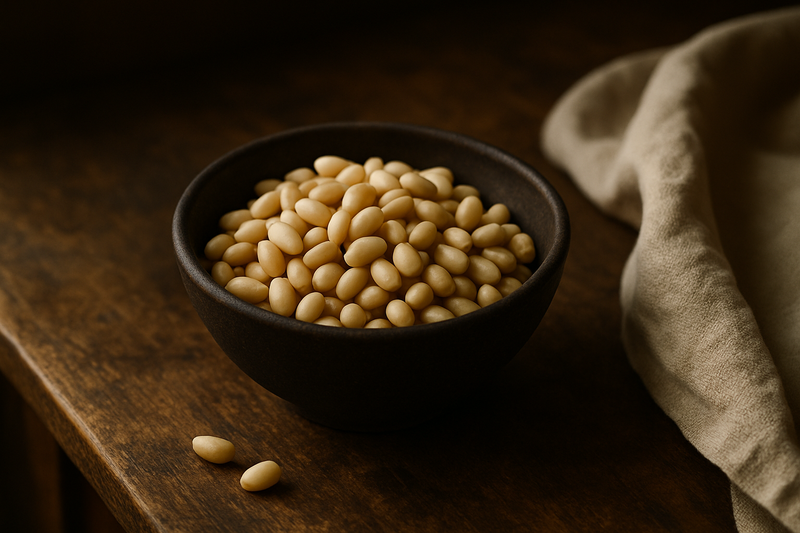
Cedar Nuts (Siberian Pine Nuts) · Photograph
Discover the science-backed health benefits and side effects of cedar nuts (Siberian pine nuts), including their rich vitamin E, zinc, and essential fatty acid content, how to use them in salads and pesto, how many to eat per day, and who should take caution.
Key Nutrients
% Daily Value based on 2,000 cal diet
Key active compounds in cedar nuts
- Pinolenic acid (PNLA) — A rare polyunsaturated fatty acid (a type of fat with multiple double bonds in its carbon chain) unique to pine nuts. Early research suggests it may support healthy cholesterol levels and stimulate satiety hormones.
- Phytosterols — Plant compounds structurally similar to cholesterol that can compete with dietary cholesterol for absorption in the gut, potentially lowering LDL ("bad") cholesterol.
- Tocopherols and tocotrienols (vitamin E complex) — Fat-soluble antioxidants (molecules that neutralize damaging free radicals) that protect cell membranes, especially the polyunsaturated fats stored inside them.
- L-arginine — An amino acid (a protein building block) that the body uses to make nitric oxide, a molecule that helps relax and widen blood vessels.
- Polyphenols — A broad class of plant compounds with antioxidant and anti-inflammatory properties found in modest amounts in cedar nuts.
- Magnesium, zinc, and manganese — Trace minerals that act as cofactors (helpers) in hundreds of enzyme reactions, from energy production to immune defence and bone metabolism.
Prep and pairing ideas
Cedar nuts are some of the most versatile seeds in the kitchen. Here are three pairings that work particularly well:
Cedar nut and basil pesto — Blend 60 g cedar nuts with a large bunch of fresh basil, one garlic clove, the juice of half a lemon, and 3 tablespoons of extra-virgin olive oil. The nuts add a creamy, slightly sweet base that complements the herb's brightness. Toss through whole-grain pasta or spoon over roasted vegetables. The olive oil's monounsaturated fats work synergistically with the nuts' polyunsaturated fats for a heart-supportive dish.
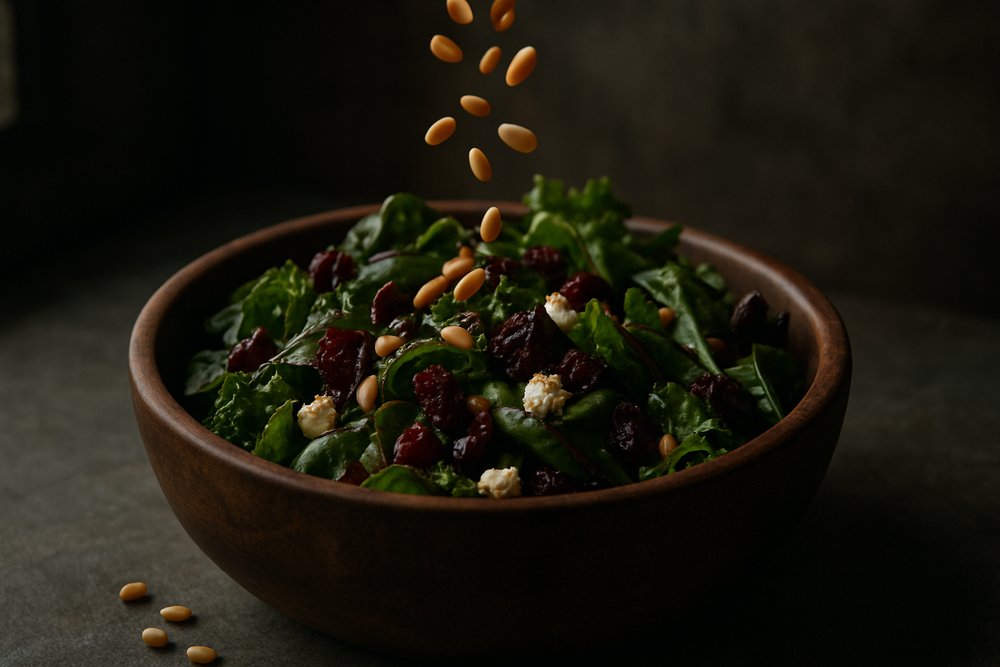
Cedar nuts on a leafy green salad — Scatter a 20 g handful of lightly toasted cedar nuts over a salad of dark leafy greens (spinach, rocket, or kale), roasted beets, and a lemon-tahini dressing. The nuts contribute satisfying fat and protein that transform a side salad into a complete meal, and the vitamin C in lemon juice may enhance absorption of the non-heme iron (plant-based iron) in the nuts and greens.
Cedar nuts and whole grains — Stir a small handful into warm farro, freekeh, or brown rice with roasted red peppers and fresh herbs. The nuts add texture and boost the amino acid profile of the grain dish, since their arginine and glutamic acid content complements the lysine profile of most whole grains.
Bottom line
Cedar nuts (Siberian pine nuts) are a genuinely impressive whole food — dense in unsaturated fats, vitamin E, magnesium, zinc, and the rare fatty acid pinolenic acid. The evidence underpinning their benefits for heart health, blood sugar, and inflammation is largely built on broader nut research and mechanistic data rather than large clinical trials specifically using Siberian cedar nuts. That makes them a credible, nutrient-rich addition to a plant-forward diet, not a medicinal shortcut.
A small daily handful sprinkled on salads or blended into pesto is a practical, evidence-consistent, and genuinely enjoyable way to tap into what these remarkable seeds offer. Respect the calorie density, watch for tree nut allergy, and if you are on warfarin or managing a chronic condition, loop in your healthcare provider before making them a daily staple.
How Cedar Nuts (Siberian Pine Nuts) Compares
| Compared with | What's different |
|---|---|
| Cedar Nuts (Siberian Pine Nuts) vs. Italian Pine Nuts | Siberian nuts are smaller, rounder, and have a higher oil content than the longer Mediterranean variety. |
| Cedar Nuts (Siberian Pine Nuts) vs. Walnuts | Cedar nuts are softer with a buttery texture, whereas walnuts have a crunchier, more fibrous bite. |
Health Benefits
Things to Know
Tree nut allergy: Cedar nuts are a tree nut and can trigger IgE-mediated allergic reactions (immune reactions involving the antibody IgE), ranging from mild tingling in the mouth to severe anaphylaxis. If you have a known tree nut or pine nut allergy, avoid them and consult an allergist before trialling.
Calorie density: At roughly 670 kcal per 100 g, cedar nuts are one of the most calorie-dense whole foods. Unsupervised large quantities can contribute to unwanted weight gain; stick to 20–30 g per day if you are managing calorie intake.
Warfarin (and other vitamin K–sensitive blood thinners): Cedar nuts contain a meaningful amount of vitamin K (53.9 mcg per 100 g). Sudden large changes in vitamin K intake can affect how well warfarin works and alter INR (International Normalised Ratio, a measure of blood clotting time) stability. Maintain consistent intake and discuss with your healthcare provider.
Manganese: Cedar nuts are exceptionally high in manganese — over four times the Daily Value per 100 g. For most healthy adults this poses no problem, but people who need to limit manganese (for example, those with certain liver conditions) should be aware.
Gallbladder disease, fat malabsorption, or pancreatitis: High-fat foods can worsen symptoms in these conditions. Moderate or avoid, and seek medical guidance.
Children under 5: Whole nuts are a choking hazard. Serve ground or finely chopped under adult supervision.
Pregnancy: Cedar nuts are a nutritious whole food in typical serving sizes, but as with any dietary change in pregnancy, discuss with a midwife or obstetrician.
Lipid-lowering or antidiabetic medications: No direct drug–nut interactions are documented, but the phytosterols and unsaturated fats in cedar nuts may complement the effects of lipid-lowering drugs; inform your prescriber of significant dietary changes.
Glossary
Shop This Ingredient
Stock your pantry with quality cedar nuts (siberian pine nuts).
Buy on AmazonAs an Amazon Associate, Plantopedia earns from qualifying purchases. This costs you nothing extra and helps us keep the encyclopedia free.
Frequently Asked Questions
Heart and circulation Cedar nuts bring together several nutrients and compounds that nutrition science links to a healthier cardiovascular system. Their fat is predominantly polyunsaturated and monounsaturated — exactly the types associated with lower LDL (low-density lipoprotein, or "bad") cholesterol in population studies. Pinolenic acid, the fatty acid unique to pine nuts, has been studied in small clinical trials using concentrated pine-nut oil; results suggest modest reductions in LDL cholesterol and changes in satiety hormones, though these were short-term studies using oil from other pine species, so the findings cannot be directly transferred to Siberian cedar nuts eaten whole. Phytosterols in cedar nuts may also compete with dietary cholesterol for absorption in the intestine, providing a secondary mechanism for LDL support. The amino acid L-arginine feeds nitric oxide production, which helps blood vessels relax and may support healthy blood pressure over time. Vitamin E and manganese add antioxidant protection that could, in theory, slow the oxidative damage involved in arterial disease. Evidence is moderate and largely indirect — treat these as supportive signals rather than proven effects. Digestive health and microbiome Direct human trials on cedar nuts and digestion are limited. What we do know from broader nut research is that replacing refined snacks with whole nuts tends to improve dietary fiber intake and promote steadier gastric emptying — the rate at which the stomach empties food into the small intestine. Cedar nuts contain roughly 3.7 g of fiber per 100 g, and their combination of protein and fat slows digestion in ways that can support feelings of fullness. People with gallbladder disease, fat malabsorption, or pancreatitis (inflammation of the pancreas) should be cautious with any high-fat food, including cedar nuts. Blood sugar and metabolism Cedar nuts are low in sugars (around 3–4 g per 100 g) and have a nutrient profile — high fat, moderate protein, modest fiber — that slows carbohydrate absorption. Replacing a high-glycemic (rapidly digested, blood-sugar-spiking) snack with a small handful of cedar nuts may help blunt the rise in blood glucose after eating. Magnesium and zinc, both present in meaningful amounts, play well-documented roles in insulin signaling and glucose metabolism. Controlled human trials using cedar nuts specifically for blood sugar are not yet available, so the evidence remains in the "plausible but not proven" category. Portion control matters here: the high calorie content means large daily amounts could work against weight-management goals. Hormones and cycle health Cedar nuts are a source of zinc, vitamin E, and essential fatty acids — all nutrients with recognized roles in hormone synthesis and reproductive health. Zinc supports testosterone production, immune signalling, and numerous enzymatic reactions. Linoleic and alpha-linolenic acids, both present in cedar nuts, are precursors for eicosanoids (hormone-like signalling molecules derived from fatty acids) that regulate inflammation and other physiological processes. No clinical trials have specifically studied cedar nuts for hormonal or menstrual outcomes, so these connections are mechanistic rather than directly evidenced. Inflammation and recovery The polyunsaturated fats, polyphenols, and tocopherols in cedar nuts all show anti-inflammatory and antioxidant activity in laboratory and experimental models. Manganese is a cofactor for superoxide dismutase, one of the body's primary built-in antioxidant enzymes. From a sports nutrition angle, cedar nuts are sometimes cited as a concentrated source of protein with a favorable amino acid profile (particularly arginine and glutamic acid) that may support muscle recovery when incorporated into a high-energy, whole-food diet. Again, human trials specific to cedar nuts for inflammation or exercise recovery are lacking; the case rests on nutrient composition and extrapolation from mixed-nut and fatty acid research.
Raw, shelled whole nuts are the most nutritionally complete form. Raw cedar nuts preserve heat-sensitive vitamin E and retain their full fatty acid profile. They work perfectly sprinkled over salads, stirred into oatmeal, or eaten straight from the bag as a snack. Lightly toasted nuts develop a richer, buttery flavor that makes them ideal for finishing pasta, roasted vegetables, or warm grain bowls. Light toasting (around 3–5 minutes in a dry pan over medium heat) has minimal impact on most nutrients, though prolonged high-heat roasting can degrade some vitamin E and oxidize delicate polyunsaturated fats. Blended into pesto or spreads is one of the most practical ways to use cedar nuts daily. They are naturally creamy when processed and can replace or complement basil pesto's traditional pine nuts — try a Siberian cedar nut pesto with basil, lemon, garlic, and a drizzle of olive oil. Cold-pressed cedar nut oil concentrates the fat-soluble components — fatty acids, vitamin E, phytosterols — and is the form used in most clinical studies on pinolenic acid. It delivers different nutrient ratios than whole nuts and should be treated as a separate product with its own usage guidelines. Ground meal or flour can be folded into baked goods, sprinkled onto yogurt alternatives, or used as a crust for tofu or tempeh, adding protein and healthy fat to a meal.
Active adults and plant-based athletes Cedar nuts deliver L-arginine, which supports nitric oxide production and blood flow during exercise. Their dense calorie and protein content makes them a convenient, portable energy source for high-output days. The magnesium content supports muscle function and reduces the risk of cramping in those with marginal intake. People focused on heart health through diet Cedar nuts supply phytosterols, L-arginine, and unsaturated fats — three nutritional categories associated with improved lipid profiles in nut research. Vitamin E and polyphenols add antioxidant support relevant to arterial health. A 20–30 g daily portion fits naturally into a Mediterranean or WFPB eating pattern without overwhelming calorie budgets.
A portion of 20–30 g per day (roughly 100–150 individual nuts, or a small cupped-palm quantity) is a sensible target for most healthy adults eating cedar nuts as part of a varied diet. This range provides a useful dose of vitamin E, zinc, magnesium, and healthy fats without contributing an unmanageable calorie load. Start low if you are new to them. Begin with 10–15 g per day for the first week. This allows your digestive system to adjust to the additional fat and fiber, and helps you identify any sensitivity before committing to daily use. Context matters. If you are already eating a diet high in other nuts, seeds, and healthy fats, there is no additive nutritional imperative to eat cedar nuts on top of that. Think of them as one rotation option within your overall nut and seed variety, not as a daily therapeutic dose. There is no established upper limit specifically for cedar nuts from regulatory or clinical bodies. The main practical ceiling is caloric: 100 g of cedar nuts is nearly 700 calories, which would represent a significant portion of most adults' daily energy needs. Explore how nuts and seeds fit into your broader nutrition goals at Plantopedia's goals hub.
Quick Answers
Common questions, answered in a line.
Cedar nuts (Siberian pine nuts) are rich in pinolenic acid, phytosterols, vitamin E, and L-arginine, as well as minerals like magnesium and zinc. These compounds work together to support heart health, provide antioxidant protection for cell membranes, and assist in energy production and immune defense.
Yes, cedar nuts contain a rare polyunsaturated fatty acid called pinolenic acid (PNLA), which early research suggests may stimulate satiety hormones to help you feel full. However, because they are very calorie-dense, you should stick to a serving of 20–30 grams per day to avoid unwanted weight gain.
You should consult a doctor before eating cedar nuts if you take warfarin or other vitamin K-sensitive blood thinners, as the nuts' vitamin K content can affect blood clotting time (INR). They may also complement lipid-lowering or antidiabetic medications, so it is best to inform your healthcare provider of significant dietary changes.
To make a traditional pesto, blend 60 grams of cedar nuts with fresh basil, garlic, lemon juice, and extra-virgin olive oil. The nuts provide a creamy, sweet base that pairs perfectly with whole-grain pasta or roasted vegetables while providing heart-supportive healthy fats.
Cedar nuts are safe for most people, but they should be avoided by anyone with a tree nut allergy and limited by individuals with liver conditions who need to restrict manganese. Additionally, those with gallbladder disease, pancreatitis, or fat malabsorption should be cautious due to the nuts' high fat content.
Cedar nuts are excellent when toasted and scattered over leafy green salads or stirred into whole grains like brown rice, farro, and freekeh. They also pair well with lemon juice, which contains vitamin C that may help your body better absorb the plant-based iron found in the nuts and greens.
For Readers in the USA
Local context — sourcing, seasonality, and regional notes.
In the United States, you can find cedar nuts (Siberian pine nuts) at specialty grocers like Whole Foods Market, through online retailers, or at high-end health food stores. While common Mediterranean pine nuts are in most supermarkets, these specific Siberian imports are usually stocked in the organic or premium nut sections.
True Siberian cedar nuts are primarily imported to the US from Russia or Mongolia, though the American Southwest produces a domestic relative known as pinyon nuts. Because they are not widely grown in the US, look for the USDA Organic seal on packaging to ensure the imported nuts meet American organic production standards.
The FDA has investigated "Pine Nut Syndrome," a temporary bitter metallic taste that can occur after eating certain imported pine nut species, including some labeled as Siberian. To minimize this risk, US consumers should purchase from reputable brands that specify the exact botanical source on the label.
Cedar nuts are available year-round in the US due to their long shelf life when vacuum-sealed, though they are most popular during the winter holiday baking season. Because of their high oil content, American food safety experts recommend storing them in the refrigerator or freezer to prevent rancidity in warmer US climates.
AI Clinical Review
- Clearly explains that cedar nuts (Siberian pine nuts) are nutrient-dense, offering vitamin E, magnesium, zinc, plant protein, and mostly unsaturated fats.
- Accurately frames potential heart and metabolic benefits as largely extrapolated from broader nut research, with cautious mention of pinolenic acid evidence from pine‑nut oil studies.
- Gives practical, reasonable intake guidance (about 20–30 g/day) and useful preparation ideas (raw, lightly toasted, pesto) that fit Mediterranean/WFPB patterns.
- Highlights key safety considerations such as tree‑nut allergy risk, calorie density, and caution for conditions affected by high‑fat foods (e.g., pancreatitis, fat malabsorption, gallbladder disease).
- Direct human trials using whole Siberian cedar nuts for cholesterol, appetite, glycemia, or inflammation are limited; much of the data come from other pine species or oil concentrates.
- Pinolenic acid’s effects on LDL and satiety are promising but based on small, short‑term studies; optimal dose, duration, and whether whole nuts replicate oil findings remain uncertain.
- Claims related to digestive microbiome changes, hormone/cycle health, and exercise recovery are mechanistic or inferred and not yet confirmed in clinical trials.
- The real‑world bioavailability of minerals like magnesium and zinc from cedar nuts versus other nuts/seeds hasn’t been well quantified.
- Portion control matters: 20–30 g (about a small handful) works well for most adults; for weight management, use nuts to replace—not add to—other snacks.
- Allergy and choking: avoid if you have a tree‑nut/pine‑nut allergy; for children under 5, serve finely chopped/ground and supervise.
- Anticoagulation: reported vitamin K content varies by source; if you take warfarin or another vitamin K–sensitive blood thinner, keep intake consistent and discuss with your clinician.
- Form differences: cedar nut oil concentrates fats and vitamin E but lacks fiber/protein; findings from oil studies may not translate to whole‑nut eating, and oils are best used unheated.
May trigger tree nut allergy.
References
- USDA FoodData Central — Pine nuts, dried (nutrition data): (fdc.nal.usda.gov)
- MyPlate — Protein Foods Group (USDA dietary guidance, includes nuts and seeds): (myplate.gov)
- Siberian pine nut nutrition facts overview: (siberianpinenutoil.org)
- Protein, fat, carbohydrates, and calories of Siberian pine kernels: (siberian-pine.com)
- WebMD — Health Benefits of Pine Nuts (general safety and nutrition summary): (webmd.com)
- Sciencedirect review — Pine nut oil and pinolenic acid: potential health benefits (peer-reviewed review): (sciencedirect.com)
- Journal of Agroalimentary Processes — Pine nut composition (peer-reviewed article): (journal-of-agroalimentary.ro)
- Russian walnut / Siberian pine nut — nutritional and bioactive value: (library.ug)
- Pine nuts for cholesterol — mechanisms and LDL data: (kashmiril.com)
- Nuts for Life — Pine nuts nutrient composition: (nutsforlife.com.au)
Know Your Numbers
Eating healthy is a start. Now get to know your biomarkers.
Food changes bloodwork — inflammation, lipids, blood sugar and nutrient status all respond to what you eat. 59 markers from $59.
- Results in 7–10 days at 2,000+ Quest sites
- Licensed provider reviews every result
- One flat price, no membership, HSA/FSA eligible
Educational information only, not medical advice. Panels are ordered and reviewed through our licensed partner; Plantopedia may earn a commission.