Cempedak — health benefits and uses
A Southeast Asian staple eaten fresh and cooked, seeds included when boiled.
The Short Answer
Cempedak is a tropical fruit known for its intense aroma and sweet, fibrous flesh that provides 2.5g of protein and 3.4g of fiber per 100g. It is rich in potassium and vitamin C, supporting heart health and immune function.

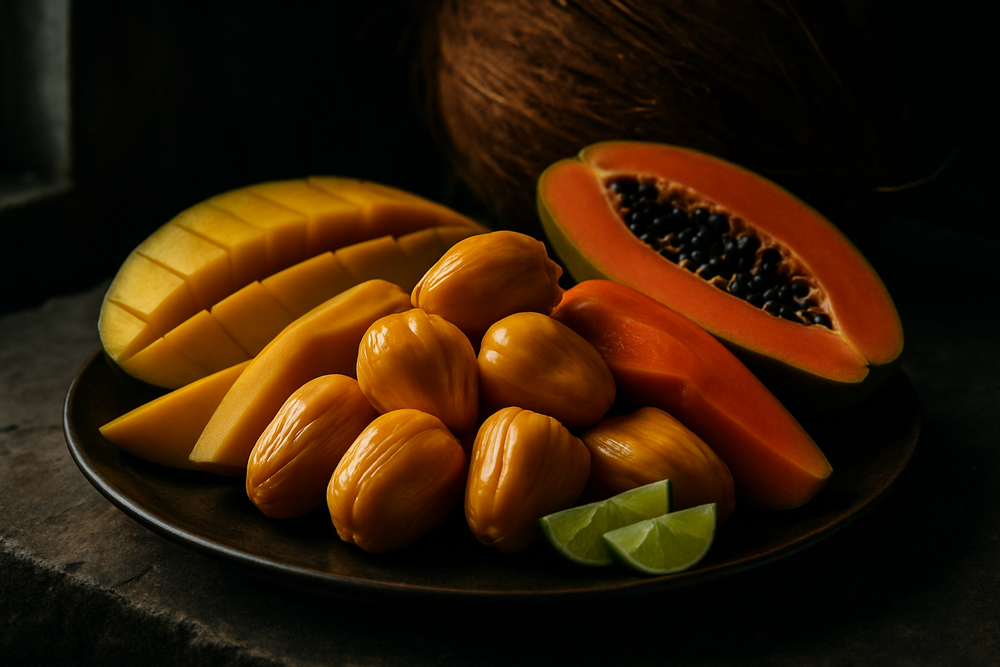
Cempedak · Photograph
Discover cempedak fruit health benefits and side effects in this evidence-aligned guide. Learn about cempedak nutrition facts, how it compares to jackfruit, how to eat it safely, and who should watch their portions.
Key Nutrients
% Daily Value based on 2,000 cal diet
Key active compounds in cempedak
- Dietary fiber — roughly 3.4 g per 100 g; supports digestion, helps slow sugar absorption, and contributes to fullness.
- Potassium — about 244–320 mg per 100 g; an electrolyte (a mineral that carries electrical charge in the body) that helps regulate fluid balance and blood pressure.
- Vitamin C — approximately 15 mg per 100 g; a water-soluble antioxidant that supports immune function and helps the body produce collagen (the structural protein in skin and connective tissue).
- Beta-carotene and carotenoids — pigmented plant compounds responsible for the fruit's yellow-orange color; the body can convert beta-carotene into vitamin A, which supports vision, immunity, and skin health.
- B vitamins (thiamin, riboflavin, niacin) — present in modest amounts; involved in converting food into energy and supporting nervous system function.
- Polyphenols — a broad family of plant compounds with antioxidant and potential anti-inflammatory properties, likely present given cempedak's family membership (Moraceae), though specific profiles in cempedak flesh have not been extensively characterized.
Prep and pairing ideas
Fresh in a tropical fruit bowl. Peel the arils and combine with papaya, mango, and a squeeze of lime. The lime juice brightens the aroma and adds a small extra hit of vitamin C.
Cempedak and coconut milk dessert. Simmer arils briefly in light coconut milk with a pinch of palm sugar — a traditional Southeast Asian preparation that keeps the fruit whole and minimally processed. The fat from coconut milk may slightly slow the sugar absorption.
Boiled seeds as a savory snack. Simmer seeds in salted water for 20–30 minutes until tender. Peel and eat warm with a sprinkle of chili flakes. They taste like a cross between a chestnut and a chickpea, and they add plant-based protein and starch to a snack plate.
Common pairings
- Cempedak + Greek yogurt or coconut yogurt — the protein and fat in yogurt balance the natural sugars in the fruit and make it more satisfying as a breakfast or snack.
- Cempedak + brown rice — in Indonesian cooking, sweetened rice desserts with tropical fruit are common; using brown rice adds more fiber and nutrients than white.
- Cempedak + pandan leaf — wrapping arils in pandan (a fragrant tropical leaf) before steaming is a regional preparation that enhances the floral aroma without adding calories.
Bottom line
Cempedak is a genuinely interesting tropical fruit that earns its place in a whole-food, plant-based diet. Its fiber, potassium, vitamin C, and beta-carotene content are all meaningful, and it can fit into meal patterns aimed at digestive health, heart support, and sustained energy — though the direct clinical evidence for these benefits in humans is still limited.
The practical rules are simple: eat the arils fresh when you can, cook the seeds before eating them, treat fried preparations as an occasional pleasure rather than a daily habit, and keep portions reasonable if you're managing blood sugar or kidney health. As part of a varied diet rich in fruit and vegetables, cempedak is a flavorful, nutritious addition well worth exploring.
Explore ingredient guides organized by health goal at /goals to find other fruits and foods that may complement cempedak in your diet.
Myths vs facts
Myth 1: "Cempedak and jackfruit are the same fruit." Fact: They're closely related — both belong to the Artocarpus genus — but they're distinct species. Cempedak (Artocarpus integer) is generally smaller, has a thinner rind, and its arils are softer and more aromatic than jackfruit (Artocarpus heterophyllus). The flavor profile is noticeably different: cempedak tends to be sweeter and more intensely perfumed.
Myth 2: "Cempedak seeds are poisonous." Fact: Raw cempedak seeds contain antinutrients that can cause digestive issues and are not safe to eat uncooked. However, boiling or roasting them thoroughly makes them safe, digestible, and nutritious. They're a traditional food across Southeast Asia when properly prepared.
Myth 3: "Cempedak fritters are a healthy snack." Fact: Deep-fried cempedak fritters start with a nutritious fruit but add substantial calories, fat, and sometimes refined flour. They're a delicious cultural preparation but are better treated as an occasional indulgence. Fresh arils provide the same fruit nutrients without the added fat.
How Cempedak Compares
| Compared with | What's different |
|---|---|
| Cempedak vs. Jackfruit | Smaller and softer with a stronger, musky aroma and sweeter, more fibrous flesh. |
| Cempedak vs. Durian | Very large and spiky with a creamier, pungent custard-like texture compared to cempedak. |
Health Benefits
Things to Know
Cook the seeds.: Raw cempedak seeds contain antinutrients. Boil or roast them thoroughly before eating.
Potassium awareness.: If you have chronic kidney disease or are on a potassium-restricted diet, talk to your dietitian before eating cempedak regularly — it provides a moderate amount of potassium per serving.
Diabetes and blood sugar.: Cempedak is a moderately sweet tropical fruit with meaningful carbohydrate content. If you use insulin or oral hypoglycemic agents (diabetes medications that lower blood sugar), keep portions around 100 g, eat the whole fruit (not juice), and pair it with protein or healthy fat.
Jackfruit and latex allergy cross-reactivity.: If you're allergic to jackfruit, breadfruit, or other members of the Moraceae plant family, or if you have latex–fruit syndrome (a cross-reactive allergy where people sensitive to latex also react to certain fruits), you may react to cempedak. Introduce it cautiously.
FODMAP sensitivity.: People with irritable bowel syndrome (IBS) or fructose sensitivity may experience gas or discomfort with larger portions of sweet tropical fruits.
Antihypertensive medications.: Dietary potassium can add to the blood-pressure-lowering effect of certain medications; this is generally beneficial but worth mentioning to your doctor if you're on blood pressure medication and increasing fruit intake significantly.
Pregnancy and children.: Fresh cempedak is fine as a fruit. Limit heavily fried preparations that add excess fat and calories, particularly for young children or during pregnancy.
Strong aroma.: The smell of ripe cempedak is intense — similar to but more pungent than jackfruit. This is purely sensory and not a safety concern, but plan accordingly if you're opening one indoors.
Prep Ideas
- — Cempedak + Greek yogurt or coconut yogurt — the protein and fat in yogurt balance the natural sugars in the fruit and make it more satisfying as a breakfast or snack.
- — Cempedak + brown rice — in Indonesian cooking, sweetened rice desserts with tropical fruit are common; using brown rice adds more fiber and nutrients than white.
- — Cempedak + pandan leaf — wrapping arils in pandan (a fragrant tropical leaf) before steaming is a regional preparation that enhances the floral aroma without adding calories.
Glossary
Shop This Ingredient
Stock your pantry with quality cempedak.
Buy on AmazonAs an Amazon Associate, Plantopedia earns from qualifying purchases. This costs you nothing extra and helps us keep the encyclopedia free.
Frequently Asked Questions
Most of cempedak's benefits are supported by its nutrient composition and broad evidence for fruit consumption — not by studies testing cempedak specifically in humans. That distinction matters: the benefits below are plausible and well-reasoned, not guaranteed. Heart and circulation Cempedak offers a combination of potassium, fiber, and very low saturated fat — a profile consistent with fruits associated with cardiovascular support. Potassium helps balance sodium in the body, and higher dietary potassium intake is linked to lower blood pressure in the general population. The fiber in cempedak may also help moderate LDL cholesterol (often called "bad" cholesterol) when part of an overall high-fiber diet. That said, no randomized controlled trials (studies where participants are randomly assigned to eat cempedak or not) have tested this fruit directly on blood pressure, cholesterol, or heart outcomes in humans. The benefits are extrapolated from its nutrient make-up and general fruit research. Digestive health and microbiome With about 3.4 g of dietary fiber and roughly 66–67 g of water per 100 g, cempedak can contribute to stool bulk and bowel regularity. Dietary fiber also acts as a prebiotic — a fuel source for beneficial bacteria in the gut (your microbiome, the community of microorganisms living in your digestive tract). Human evidence that fiber-rich fruits support gut health is strong overall, though no studies have specifically tracked what happens to digestion when people eat cempedak. Larger portions may cause bloating, gas, or loose stools in people who are sensitive to high-fiber or high-fructose foods, so starting with a modest portion (around 100 g) is sensible. Blood sugar and metabolism Cempedak contains around 28.6 g of carbohydrate per 100 g, which is higher than many temperate fruits. However, its fiber content helps slow the speed at which sugars enter the bloodstream compared to juice or refined sweeteners. Eating cempedak as a whole fruit — rather than in juice form — and pairing it with a protein source (like a small handful of nuts) can further moderate the blood sugar response. There is no glycemic index data (a ranking of how quickly a food raises blood sugar) published specifically for cempedak, so people managing blood sugar should treat it like a moderately sweet tropical fruit: fine in reasonable amounts, but worth monitoring. Inflammation and recovery Vitamin C and beta-carotene both act as antioxidants — substances that can neutralize free radicals (unstable molecules that damage cells). Regular fruit intake rich in these compounds is associated with lower markers of oxidative stress and inflammation in population studies. Cempedak's contribution here is real but modest per serving, and no direct anti-inflammatory trials exist for this fruit.
The curious fruit-lover looking to diversify Gets to explore a richly aromatic whole fruit outside the usual apple-banana rotation. Benefits from fiber and vitamin C without needing any special preparation. Can enjoy it fresh or in traditional preparations as part of a plant-forward diet. The active person seeking natural carbohydrate energy Cempedak's 116 kcal and 28.6 g of carbs per 100 g make it a reasonable pre- or post-activity fruit option. Comes with potassium to support fluid and electrolyte balance during physical activity. The edible seeds, once cooked, add extra starch and a small protein boost if you want more substance.
Fresh arils are the nutritional gold standard. They retain the most vitamin C (which degrades with heat) and provide fiber, potassium, and natural sweetness with no added fat or sugar. If you can find cempedak fresh — at Asian grocery stores or specialty tropical fruit markets — this is the form to prioritize. Cempedak fritters (cempedak goreng) are wildly popular and genuinely delicious, but deep-frying in batter adds significant calories and fat. Think of them as an occasional treat rather than a daily habit. If you want a lighter version, a thin batter and an air fryer will get you closer to the flavor with less added fat. Cooked seeds (boiled or roasted) are a traditional, low-waste way to use the whole fruit. They provide extra starch, some protein, and a chestnut-like texture. Seeds should always be cooked before eating — raw cempedak seeds contain antinutrients (compounds that can interfere with digestion and nutrient absorption) and are not safe to eat unheated. Frozen or packaged cempedak pulp is a practical option if fresh fruit isn't available. Check the label for added sugars or syrups, which some commercial products include. Minimally processed frozen pulp will be closest to fresh in nutrient content.
There is no clinical guideline setting a specific daily amount for cempedak. A practical framework is to treat it like other moderately sweet tropical fruits: For most healthy adults: 100–200 g of fresh arils (roughly 5–10 arils or about one moderate portion) per day, within your overall fruit intake, is a reasonable starting point. For people managing blood sugar or weight: Stick closer to 100 g per sitting and pair with protein or fat to moderate the blood sugar response. For people on potassium-restricted diets: Discuss specific portion limits with your dietitian based on your daily potassium allowance. For everyone: Start with a smaller portion (around 50–100 g) if this is your first time eating cempedak, to see how your gut tolerates it. There are no cempedak-specific clinical trial dosing regimens. The guidance above is based on general fruit intake principles and the fruit's nutrient composition.
Quick Answers
Common questions, answered in a line.
Cempedak and jackfruit are distinct species, though they both belong to the Artocarpus genus. Cempedak is typically smaller with a thinner rind, and its flesh is softer, sweeter, and more intensely aromatic than that of a jackfruit.
Raw cempedak seeds are not safe to eat because they contain antinutrients that can cause digestive issues. However, boiling or roasting the seeds thoroughly makes them safe to consume, resulting in a texture similar to a cross between a chestnut and a chickpea.
Cempedak contains approximately 244–320 mg of potassium and 3.4 g of fiber per 100 g. It also provides vitamin C for immune support, beta-carotene for vision and skin health, and various B vitamins that help convert food into energy.
People with diabetes should limit cempedak portions to about 100 g and pair the fruit with protein or healthy fats to help manage blood sugar. Because it is a sweet tropical fruit with meaningful carbohydrate content, it is best to eat the whole fruit rather than juice.
You should avoid cempedak if you have an allergy to jackfruit, breadfruit, or other members of the Moraceae family, or if you have latex-fruit syndrome. Additionally, those with chronic kidney disease should consult a doctor due to the fruit's potassium content.
To prepare cempedak seeds, simmer them in salted water for 20–30 minutes until they are tender. Once cooked, you can peel them and enjoy them as a savory snack, perhaps with a sprinkle of chili flakes for extra flavor.
Cempedak can be eaten fresh in fruit bowls, simmered in coconut milk for a traditional dessert, or wrapped in pandan leaves and steamed. Pairing the fruit with Greek yogurt or coconut milk can help balance its natural sugars with protein and fat.
For Readers in the USA
Local context — sourcing, seasonality, and regional notes.
You can typically find fresh or frozen cempedak at large H Mart locations, 99 Ranch Market, and specialized tropical fruit distributors in states like Florida and California. Because it is highly perishable, it is more commonly available in the frozen section or at independent Asian grocers that cater to Southeast Asian communities.
While cempedak is not widely grown in the continental U.S., small-scale harvests occur in tropical Hawaii and southern Florida during the late summer and fall months. Most cempedak found in U.S. markets is imported from Southeast Asian countries like Thailand or Malaysia, often arriving frozen to maintain freshness.
Cempedak is regulated by the FDA and USDA, which may require imported fresh fruit to undergo specific phytosanitary treatments or be imported in frozen, vacuum-sealed, or processed forms to prevent the spread of invasive pests. When shopping, look for the USDA Organic seal if you prefer fruit grown without synthetic pesticides, though certified organic cempedak remains rare in the U.S. market.
AI Clinical Review
- Accurately frames cempedak as a fiber-, potassium-, vitamin C– and carotenoid-containing fruit, linking these nutrients to digestive regularity, blood pressure support, and antioxidant activity.
- Emphasizes whole-fruit intake over fried preparations and explains why cooking the seeds is required for safety.
- Provides practical, consumer-friendly portion guidance (about 100–200 g fresh arils, with ~100 g for those monitoring blood sugar) and tips to pair with protein/fat to blunt glucose spikes.
- Appropriately flags who may need caution: people with chronic kidney disease (potassium), those with latex–fruit or Moraceae family allergies, and individuals sensitive to high-FODMAP foods.
- Most health claims are extrapolated from nutrient profiles and general fruit research; there are no cempedak-specific randomized human trials for cardiometabolic or anti-inflammatory outcomes.
- Glycemic effects are not well characterized (no published glycemic index), and real-world responses likely vary with ripeness, portion size, and preparation method.
- The detailed polyphenol and carotenoid profile of cempedak flesh and seeds, and the bioavailability of these compounds in humans, remain insufficiently described.
- Data on how different cooking methods change seed antinutrients and nutrient density are limited, so specific “best” preparation guidance for health can’t be stated with confidence.
- Reasonable intake: for most adults, 100–200 g fresh arils fits within typical fruit guidance; start with 50–100 g if you’re new to it or have a sensitive gut.
- Diabetes management: favor whole arils (not juice), pair with a protein/fat source, and monitor post-meal glucose the first few times to individualize portions.
- Kidney or blood pressure medications: because cempedak contains moderate potassium, those with chronic kidney disease or on ACE inhibitors/ARBs/potassium-sparing diuretics should confirm suitable serving sizes with a clinician.
- Allergy safety: if you have latex–fruit syndrome or known reactions to jackfruit/breadfruit/figs, introduce cempedak cautiously; always cook seeds thoroughly—do not eat them raw.
Strong aroma; the seeds must be cooked before eating.
References
- USDA FoodData Central — fruit nutrition reference database (fdc.nal.usda.gov)
- MyPlate fruit group guidance — USDA dietary recommendations (myplate.gov)
- Malaysian Food Composition Database (MyFCD) — cempedak nutrient entry (myfcd.moh.gov.my-;-artocarpus-integer.html.tmp)
- Penang Department of Agriculture — Artocarpus integer food composition table (jpn.penang.gov.my)
- Indonesian TKPI food composition data for fresh cempedak (m.andrafarm.com)
- Blue Circle Foundation — diabetes nutrition facts for cempedak (bluecircle.foundation)
- HealthBenefitsTimes — science-backed overview of cempedak health properties (healthbenefitstimes.com)
- Netmeds health library — cempedak nutrition, benefits, uses, and side effects (netmeds.com)
- Fruitspedia — chempedak fruit overview including vitamin C and energy content (fruitspedia.com)
- Medindia — health benefits of cempedak (medindia.net)
Know Your Numbers
Eating healthy is a start. Now get to know your biomarkers.
Food changes bloodwork — inflammation, lipids, blood sugar and nutrient status all respond to what you eat. 59 markers from $59.
- Results in 7–10 days at 2,000+ Quest sites
- Licensed provider reviews every result
- One flat price, no membership, HSA/FSA eligible
Educational information only, not medical advice. Panels are ordered and reviewed through our licensed partner; Plantopedia may earn a commission.