Chickpea Tempeh — health benefits and uses
A modern soy-free spin on the traditional Indonesian ferment.
The Short Answer
Chickpea tempeh is a soy-free, fermented plant protein providing 20g of protein and 6g of fiber per 100g serving. It offers a firm texture and mild flavor, making it an excellent source of bioactive peptides and prebiotics for gut health.
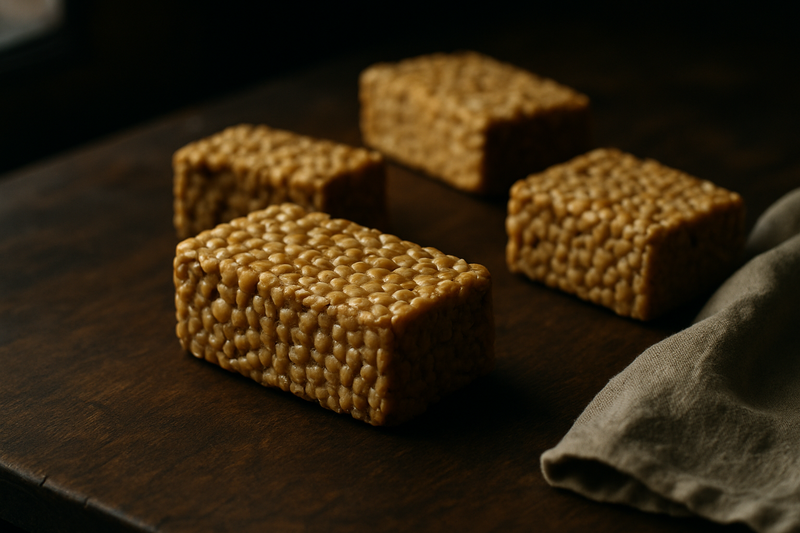
Chickpea Tempeh · Photograph
Discover chickpea tempeh health benefits and how to use it: a soy-free, fermented legume cake packed with plant protein, gut-friendly fiber, and bioactive compounds. Learn how it compares to soy tempeh, how to cook it until crispy, and what the science actually says.
Key Nutrients
% Daily Value based on 2,000 cal diet
Key active compounds in chickpea tempeh
- Phenolic acids and flavonoids — Plant-derived antioxidant molecules whose free (more absorbable) forms increase during Rhizopus fermentation; may support antioxidant defenses and metabolic health.
- Bioactive peptides — Short protein fragments released when fermentation enzymes cleave chickpea proteins; linked in laboratory and animal studies to potential blood-pressure-lowering and lipid-modulating effects.
- GABA (γ-aminobutyric acid) — An inhibitory neurotransmitter also produced in small amounts during legume fermentation; tentatively associated with stress modulation and blood pressure regulation, though human data specific to tempeh are limited.
- Prebiotic fibers — resistant starch and oligosaccharides — Non-digestible carbohydrates that feed beneficial gut bacteria and promote the production of short-chain fatty acids (SCFAs), which nourish the gut lining. Fermentation modifies but does not eliminate these.
- Saponins — Surface-active phytochemicals naturally present in chickpeas; under investigation for cholesterol-interacting and immune-modulating properties, and potentially more bioavailable after fermentation.
- Folate — A B-vitamin crucial for DNA synthesis; tempeh fermentation can actually increase folate content compared with the raw starting legume.
Prep and pairing ideas
Chickpea tempeh's mild flavour and firm texture make it one of the most kitchen-friendly plant proteins available. Here are three practical pairings that pull double duty — great taste and complementary nutrition.
1. Chickpea tempeh + whole grain (brown rice or farro) + leafy greens The combination of complete amino acids from tempeh, additional B-vitamins and slow-release carbohydrates from whole grains, and folate plus vitamin K from leafy greens creates a nutritionally complete meal. Stir-fry the cubed tempeh until golden, toss with grains and wilted greens, and a tahini-lemon dressing ties it together.
2. Chickpea tempeh + fermented vegetables (kimchi or sauerkraut) + avocado Layering chickpea tempeh's prebiotic fiber with the live cultures in fermented vegetables may support a more diverse gut microbiome. Avocado adds oleic acid (a heart-friendly monounsaturated fat) and potassium. Works brilliantly as a grain bowl topping or in a wrap.
3. Chickpea tempeh + tomatoes + herbs (as a crumble in pasta or tacos) Crumbled and crisped chickpea tempeh absorbs tomato-based sauces beautifully. Tomatoes contribute lycopene (an antioxidant carotenoid), vitamin C (which enhances non-haem iron absorption from the tempeh), and acidity that brightens the mild legume flavour. A practical way to add soy-free plant protein to family meals without changing the recipe dramatically.
Basic pan method for crispy chickpea tempeh: Slice into 1 cm cubes or strips. Pat dry. Heat a skillet over medium-high heat with a small amount of oil. Add tempeh in a single layer without crowding. Cook 3–4 minutes per side without moving it — patience is the key to a proper crust. Season after crisping.
Bottom line
Chickpea tempeh is a genuinely interesting food: a whole-legume, soy-free fermented cake that delivers a meaningful hit of plant protein, prebiotic fiber, and a suite of bioactive compounds in a form that crisps in a skillet and fits into almost any cuisine. The evidence that it may support gut health, heart health, blood sugar balance, and inflammation is biologically plausible and supported by strong parallel research on chickpeas and traditional tempeh — but dedicated human trials on chickpea tempeh itself are still in progress. That is an honest summary of where the science is.
What makes it worth adding to your plate right now is simpler than the research: it is minimally processed, built from a whole food, soy-free, and versatile. Whether you are looking for a new protein source, trying to eat more fermented foods, or just want something that crisps better than tofu, chickpea tempeh is worth experimenting with.
Explore more ways to eat for gut health and energy at /goals.
How Chickpea Tempeh Compares
| Compared with | What's different |
|---|---|
| Chickpea Tempeh vs. Soy Tempeh | Higher in protein and has a more intense, nutty flavor than chickpea varieties. |
| Chickpea Tempeh vs. Whole Chickpeas | Easier to digest due to fermentation and provides 20g of protein per 100g serving. |
| Chickpea Tempeh vs. Seitan | Firmer texture that holds its shape when sliced, whereas seitan is chewy and wheat-based. |
Health Benefits
Things to Know
Cook it fully.: Chickpea tempeh should always be cooked before eating to inactivate the Rhizopus culture, reduce any spoilage risk, and improve digestibility. Pan-frying, baking, steaming, and simmering all achieve this.
Store it refrigerated.: Unopened, it typically keeps for 7–10 days in the fridge; once opened, use within 3–5 days. It also freezes well for up to 3 months.
Chickpea or legume allergy.: People with a known allergy to chickpeas, other legumes, or molds should avoid chickpea tempeh or consult an allergist first.
IBS and FODMAP sensitivity.: Chickpeas contain FODMAPs (fermentable oligosaccharides, disaccharides, monosaccharides, and polyols — short-chain carbohydrates that can trigger bloating and gas in sensitive people). Fermentation reduces some but not all of these. If you have irritable bowel syndrome, start with a small portion (30–50 g) and assess your tolerance.
Diabetes or blood-sugar medications.: The registered fermented chickpea trial excluded participants on diabetes or obesity medications, signalling that clinicians involved in that research wanted to avoid confounding effects. If you are on glucose-lowering medication, tell your doctor before substantially increasing your legume intake.
Anticoagulant therapy.: No specific interaction between tempeh and blood-thinning medications has been well-documented, but making large dietary changes is always worth discussing with your prescriber.
Immunocompromise.: Fermented foods carry a small theoretical risk in people with very suppressed immune systems. Full cooking minimises this, but check with your healthcare team if this applies to you.
Pregnancy.: Fully cooked chickpea tempeh is a nutritious protein source in pregnancy. As with all fermented foods, ensure it is cooked through and properly stored.
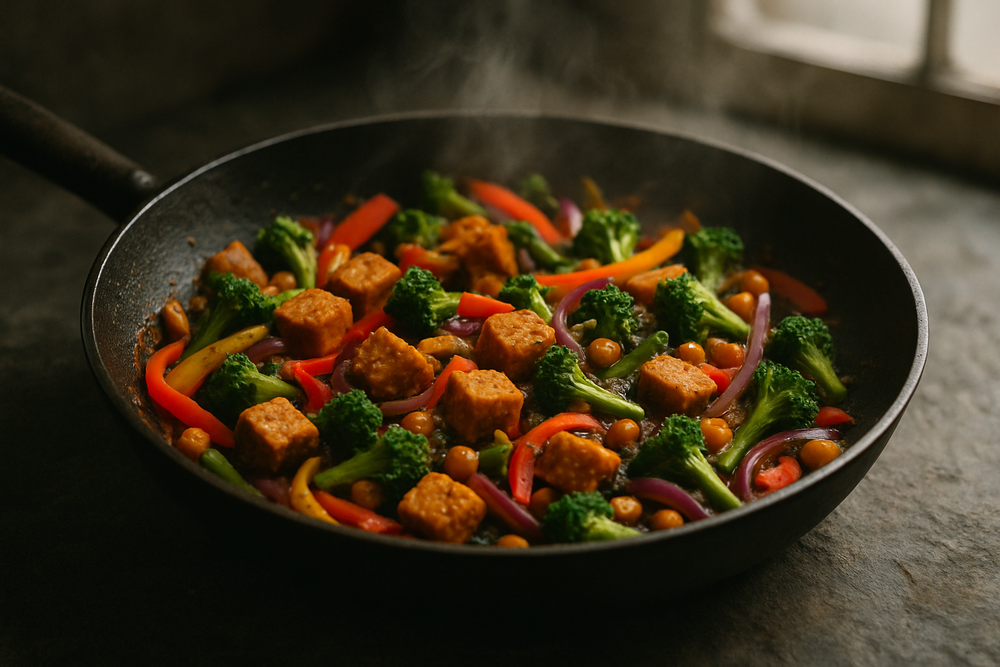
Shop This Ingredient
Stock your pantry with quality chickpea tempeh.
Buy on AmazonAs an Amazon Associate, Plantopedia earns from qualifying purchases. This costs you nothing extra and helps us keep the encyclopedia free.
Frequently Asked Questions
Heart and circulation Chickpeas on their own have solid evidence for improving serum lipid profiles — total cholesterol, LDL (low-density lipoprotein, the "bad" cholesterol), and HDL (high-density lipoprotein, the "good" cholesterol) — in human trials, largely through their soluble fiber, resistant starch, and saponin content. Reviews of traditional soy tempeh report limited but suggestive human data showing improvements in blood lipid levels, particularly in people with dyslipidemia (abnormal levels of fats in the blood). Fermentation may enhance these effects by generating bioactive peptides that can interact with enzymes involved in cholesterol metabolism. Preliminary animal studies using chickpea tempeh specifically showed protection against some of the cardiovascular risk factors associated with a Western-style diet. Dedicated human trials on chickpea tempeh for heart health are not yet published, so this remains an emerging area. Digestive health and microbiome This is where the most interesting early evidence lives. Small human studies on traditional soy tempeh found that consuming around 100 g per day for two weeks increased levels of Akkermansia muciniphila — a bacterium associated with a healthy gut lining — and raised secretory IgA (an immune protein that protects the gut surface). Chickpeas independently are well-established as a prebiotic food: human studies show they increase beneficial bacteria and the production of SCFAs in the colon, improving stool bulk and bowel regularity. Chickpea tempeh combines both effects in one food. Animal studies using chickpea tempeh showed protection against diet-induced adverse shifts in gut microbiota. Whether chickpea tempeh specifically shifts the human microbiome in meaningful ways is what the pending NCT06134076 trial aims to answer. Blood sugar and metabolism Chickpeas are known to blunt the rise in blood glucose (blood sugar) after a meal, an effect attributed to their fiber, resistant starch, and lower glycaemic index compared with refined carbohydrates. Glycaemic index (GI) is a measure of how quickly a food raises blood sugar relative to pure glucose. Fermentation into tempeh may add to this by further reducing digestible starch while increasing protein digestibility — a combination that laboratory digestion studies on other legume tempeh (such as jack bean tempeh) have demonstrated. Small human studies on soy-based tempeh also suggest modest improvements in glycaemic control. As with cardiovascular effects, direct human data on chickpea tempeh and blood sugar are not yet available; evidence is currently emerging and inferred rather than confirmed. Inflammation and recovery A registered crossover trial is actively measuring how fermented chickpea meals affect levels of inflammatory markers including IL-6, TNF-α, and calprotectin (a marker of gut inflammation) compared with unfermented chickpeas, but results have not been published. Separately, small human studies with soy tempeh show increases in gut immune markers. In obese mice fed a high-fat diet, chickpea tempeh reduced markers of liver inflammation and metabolic dysfunction. Fermentation of legumes also generates GABA and bioactive peptides that are mechanistically linked to anti-inflammatory effects in cell and animal studies. Until human data on inflammation outcomes with chickpea tempeh are in, this area should be considered promising but early.
Buying guide Fresh or refrigerated block — The most common commercial form. Look for a firm, white-to-cream coloured block with intact mold coverage. Avoid any block that is pink, black, or has an ammonia smell, which may signal over-fermentation or contamination. Check that the only ingredients are chickpeas and a starter culture (sometimes listed as Rhizopus oligosporus or simply "tempeh starter"). Frozen — Freezing chickpea tempeh is safe and preserves most of its nutritional profile. Let it thaw in the fridge before cooking. Texture after freezing can be slightly more crumbly, which actually works well for "crumbled mince" applications. Pre-marinated or flavoured — Convenient but worth checking the sodium content; some products add significant salt. Aim for products where sodium per 100 g stays below 400 mg if you are watching your intake. Supplement or powder form — Not standard for tempeh. If you see "fermented chickpea powder" on a supplement label, the processing is very different from traditional tempeh and the evidence base does not directly apply. Label tip: The shorter the ingredient list, the closer to whole food you are. Two or three ingredients — chickpeas, water, starter — is the ideal.
There is no official recommended intake for chickpea tempeh specifically. Human tempeh studies have typically used approximately 100 g per day as a research portion, which provides around 20 g of protein and 6 g of fiber. This is a practical and realistic serving for most adults. Practical starting ranges: Newcomers or sensitive digestive systems: Start with 30–50 g (roughly a third of a standard block) and build up over one to two weeks to allow your gut microbiome to adjust to the additional fiber. Most healthy adults: 80–120 g per serving, once or a few times per week, fits comfortably into a varied plant-based diet without overwhelming total fiber intake. Higher-protein needs (athletes, older adults maintaining muscle): Some people incorporate up to 150 g per serving, but this should be part of a varied diet rather than a sole protein source. Chickpea tempeh counts toward your overall legume and pulse intake. General dietary guidelines encourage 3–4 servings of legumes per week; tempeh is one enjoyable, fermented way to hit that target.
Quick Answers
Common questions, answered in a line.
Chickpea tempeh is a soy-free, fermented legume cake made from chickpeas and Rhizopus culture that serves as a versatile plant protein. It is minimally processed, rich in prebiotic fiber, and features a firm texture that crisps well when pan-fried or baked.
You should always cook chickpea tempeh before eating it to inactivate the fermentation culture, improve digestibility, and reduce the risk of spoilage. Common preparation methods include pan-frying, baking, steaming, or simmering until the tempeh is fully heated through.
To get chickpea tempeh crispy, slice it into 1 cm cubes, pat them dry, and cook in a skillet over medium-high heat for 3–4 minutes per side without moving them. Patience is key to developing a proper crust, and you should only add seasonings after the tempeh has finished crisping.
Chickpea tempeh contains bioactive peptides, phenolic acids, flavonoids, and GABA, which are compounds linked to potential heart health and metabolic benefits. It also provides prebiotic fibers like resistant starch that nourish beneficial gut bacteria and support the gut lining.
Chickpea tempeh contains FODMAPs, which are short-chain carbohydrates that can trigger bloating or gas in people with IBS. While fermentation reduces some of these compounds, those with sensitivities should start with a small 30–50 g portion to assess their tolerance.
Unopened chickpea tempeh typically lasts 7–10 days in the refrigerator, while opened packages should be used within 3–5 days. For longer-term storage, the tempeh can be frozen for up to three months.
Chickpea tempeh is an excellent soy-free alternative to traditional tempeh, offering a mild flavor and a texture that absorbs sauces easily. It is particularly useful for those with soy allergies who still want a fermented, whole-legume protein source.
For Readers in the USA
Local context — sourcing, seasonality, and regional notes.
You can find chickpea tempeh at major U.S. natural food chains like Whole Foods Market and Sprouts Farmers Market, or through specialized online retailers. While traditional soy tempeh is in most grocery stores, chickpea versions are typically stocked in the refrigerated meat-alternative section of health-focused grocers.
Look for the USDA Organic seal on chickpea tempeh packaging to ensure the chickpeas were grown without synthetic fertilizers or pesticides. Many U.S. brands, such as Lightlife or smaller artisanal fermented food companies, prioritize organic certification for their legume-based products.
Chickpeas for tempeh are primarily grown in the Palouse region of Washington and Idaho, as well as in Montana and North Dakota. Because chickpeas are harvested in the late summer and tempeh is a processed fermented product, it is available year-round in U.S. markets regardless of the growing season.
In the U.S., chickpea tempeh is a popular soy-free alternative for those following plant-based diets, often used as a protein topper for California-style grain bowls or as a "bacon" substitute in BLTs. It is frequently featured in regional Pacific Northwest and Northeast food co-ops where fermented and probiotic foods are dietary staples.
AI Clinical Review
- Clear on what chickpea tempeh is: a soy-free, fermented legume cake that offers about 20 g protein and ~6 g fiber per 100 g—comparable to soy tempeh.
- Nicely explains fermentation benefits: Rhizopus lowers phytate (a mineral-binding compound), which can improve iron/zinc/phosphorus absorption, and generates bioactive peptides and small amounts of GABA.
- Accurately frames gut effects: cooked tempeh is best viewed as paraprobiotic/prebiotic (not a live probiotic), and chickpeas themselves have prebiotic fibers that support SCFA production.
- Practical guidance is sound: cook fully, store chilled or freeze, and watch sodium in pre-marinated products.
- Human trials specifically on chickpea tempeh are limited; most health claims extrapolate from chickpeas or soy tempeh. A registered trial comparing fermented vs. unfermented chickpeas is pending.
- Cardiometabolic outcomes (lipids, blood sugar, inflammation) are biologically plausible but effect sizes, ideal doses, and frequency for chickpea tempeh remain uncertain in humans.
- Reported nutrient values are reasonable estimates; actual protein, fiber, folate, and mineral content can vary by starter strain, fermentation time, and brand. The extent of improved mineral absorption in humans needs better quantification.
- Microbiome shifts (e.g., increases in Akkermansia) seen with soy tempeh in small studies may not generalize to chickpea tempeh or all individuals.
- Portion guidance is practical: 100 g/day is common in studies; many do well with 80–120 g per serving. If you’re FODMAP‑sensitive, start lower (30–50 g) and build up.
- Safety: always cook before eating; this inactivates the mold and reduces spoilage risk. Cooked tempeh is not a live probiotic—pair with live-culture foods if that’s a goal.
- Who should check in first: anyone with chickpea/legume or mold allergy; people with IBS/FODMAP intolerance; those on glucose‑lowering medications; and individuals who are immunocompromised. Fully cooked tempeh is generally suitable in pregnancy when handled safely.
- Form matters: fresh or frozen blocks align with the evidence base; “fermented chickpea powders” or supplements are processed differently and may not confer the same benefits. Pre-marinated versions can be high in sodium.
Cook fully; store refrigerated.
References
- USDA FoodData Central – Tempeh nutritional entries (fdc.nal.usda.gov)
- USDA ARS – Chickpea and Pea Tempeh project: protection against Western diet-induced health risks (ars.usda.gov)
- **Development of chickpea tempeh using **Rhizopus oryzae — peer-reviewed study (sciencedirect.com)
- UMass: Chickpea and pea tempeh under development as new plant-based protein foods — research news (umass.edu)
- Chickpeas and gut microbiome — functional food implications — PMC review (pmc.ncbi.nlm.nih.gov)
- Comparing effects of fermented and unfermented pulses on gut microbiota and inflammation (NCT06134076) — registered human trial (clinicaltrials.gov)
- Tempeh fermentation improves nutritional and functional properties of jack beans — RSC Food & Function (pubs.rsc.org)
- Soy-based tempeh as a functional food — PubMed review (pubmed.ncbi.nlm.nih.gov)
- Unraveling tempeh through omics: fermentation pathways and functional health benefits — PMC scoping review (pmc.ncbi.nlm.nih.gov)
- Comparison of mixed tempeh with soy tempeh on cognitive function in older adults — PMC human trial (pmc.ncbi.nlm.nih.gov)
- Tempeh consumption enhanced beneficial bacteria in the human gut — AGRIS/FAO indexed study (agris.fao.org)
- USDA FNS guidance on crediting tempeh in child nutrition programs — official guidance (usda.gov)
Know Your Numbers
Eating healthy is a start. Now get to know your biomarkers.
Food changes bloodwork — inflammation, lipids, blood sugar and nutrient status all respond to what you eat. 59 markers from $59.
- Results in 7–10 days at 2,000+ Quest sites
- Licensed provider reviews every result
- One flat price, no membership, HSA/FSA eligible
Educational information only, not medical advice. Panels are ordered and reviewed through our licensed partner; Plantopedia may earn a commission.