Delicata Squash — health benefits and uses
A tender heirloom squash prized for its sweet, chestnut-like flesh.
The Short Answer
Delicata squash is a nutrient-dense winter squash known for its edible skin and high vitamin A content, providing 22,869 IU per serving. It is best prepared by roasting unpeeled rings at 425°F until caramelized.
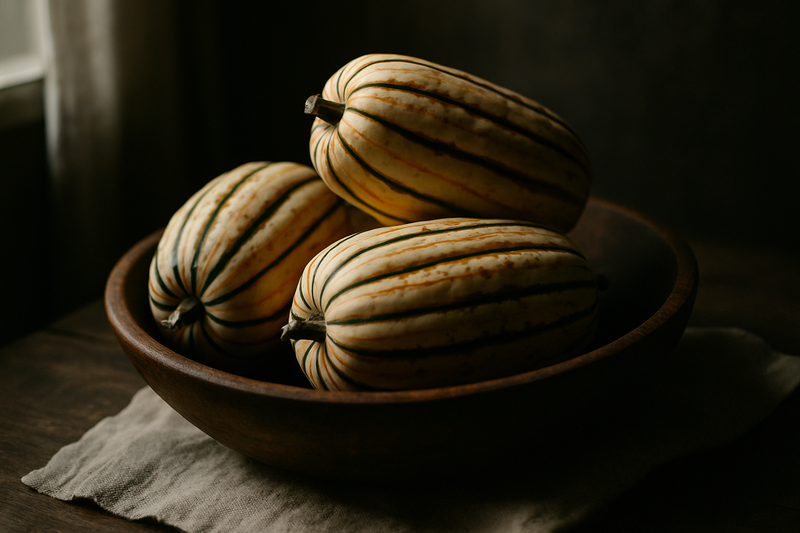
Delicata Squash · Photograph
Discover delicata squash nutrition and health benefits in one easy reference guide. Learn about its edible skin, antioxidant content, fiber, vitamins, and how to roast it into caramelized rings — plus who should watch their portions and why.
Key Nutrients
% Daily Value based on 2,000 cal diet
Key active compounds in delicata squash
- Beta-carotene and provitamin A carotenoids — Fat-soluble plant pigments (pigments are color-producing compounds) that the body can convert into vitamin A. They act as antioxidants (molecules that neutralize cell-damaging free radicals) and support vision, immune defense, and skin integrity.
- Lutein and zeaxanthin — Non-provitamin A carotenoids that accumulate in the retina (the light-sensing layer at the back of the eye) and may help protect against oxidative damage in eye tissue.
- Vitamin C — A water-soluble antioxidant that supports collagen production, immune cell function, and helps your body absorb iron from plant foods.
- Phenolic compounds — A broad family of plant secondary metabolites found in many vegetables; they contribute antioxidant and potentially anti-inflammatory activity, though they have not been specifically quantified in delicata squash.
- Dietary fiber — A mix of soluble and insoluble fiber (types of carbohydrate the body cannot fully digest) that feeds beneficial gut bacteria, softens stool, and may slow the absorption of sugars and cholesterol.
Prep and pairing ideas
The classic roasted ring — Wash the squash (no peeling), slice into ½-inch rounds, scoop out seeds with a spoon, toss with a little olive oil, salt, and black pepper, and roast at 425°F (220°C) for 20–25 minutes, flipping once, until the edges are golden.
Three practical pairings:
- Delicata rings + white beans + arugula — The creaminess of white beans balances the squash's sweetness; arugula's bitterness cuts through both. A protein- and fiber-rich combination that also pairs vitamin C (squash) with plant-based iron (beans) to boost iron absorption.
- Delicata cubes + farro or brown rice + tahini drizzle — Whole grains add staying power; tahini (sesame paste) contributes healthy fat that helps your body absorb the fat-soluble carotenoids in the squash.
- Stuffed delicata halves + lentils + warming spices (cumin, coriander, smoked paprika) — Makes a complete plant-based meal in one dish. Lentils supply protein and additional fiber; spices add flavor without sodium.
Storage tip: Whole delicata squash keeps for 2–3 months in a cool, dry place. Once cut, refrigerate and use within 4–5 days. Cooked squash freezes well for up to 3 months.
Bottom line
Delicata squash earns its place as a weekly vegetable for most people. It is genuinely easy to prepare (no peeling, roasts fast), low in calories, a solid source of fiber, vitamin A, vitamin C, potassium, and magnesium, and rich in antioxidant carotenoids. No single food is a cure for anything, and delicata squash is best understood as one nutrient-dense piece of a varied, plant-forward diet. For the majority of healthy adults, eating it several times a week is both safe and a smart way to add color, variety, and functional nutrition to everyday meals.
If you have kidney disease, are managing diabetes medications, or have GI sensitivities, adjust portions and discuss with your healthcare provider.
Looking for more ways to build a plant-forward plate? Browse the Plantopedia goals hub for eating patterns and ingredient guides organized by what you want to achieve.
How Delicata Squash Compares
| Compared with | What's different |
|---|---|
| Delicata Squash vs. Butternut Squash | Delicata has thin, edible skin and roasts in 20 minutes, whereas Butternut requires peeling. |
| Delicata Squash vs. Acorn Squash | Delicata is sweeter and creamier, while Acorn squash has a more fibrous texture and milder taste. |
| Delicata Squash vs. Zucchini | Delicata is a starchy winter squash, whereas Zucchini is a summer squash with much higher water content. |
Health Benefits
Things to Know
Kidney disease / potassium restriction: Delicata squash provides ~582 mg of potassium per cup. People on medically restricted potassium diets — typically those with chronic kidney disease (CKD) — should discuss portion size with their care team.
Potassium-affecting medications: ACE inhibitors, ARBs, and potassium-sparing diuretics (a type of water pill that causes the kidneys to retain potassium) can raise blood potassium levels. If you take any of these, factor in your total dietary potassium, including squash.
Diabetes medications: Delicata squash is not contraindicated, but its carbohydrate content should be included in carbohydrate counting if you use insulin or oral medications that depend on carb load.
IBS or GI sensitivity: Start with a half-cup portion and cook thoroughly. Well-cooked squash is generally easier to digest than raw.
Cucurbitaceae allergy: True allergy to the squash/cucumber/gourd family is uncommon but exists. If you experience itching or hives after eating squash, consult an allergist.
Pregnancy: Delicata squash is a safe, nutrient-rich vegetable during pregnancy. Its vitamin A comes from carotenoids (not preformed retinol), so there is no upper-limit concern around overconsumption that applies to vitamin A supplements.
No warfarin (blood thinner) interaction: Delicata squash is not high in vitamin K, so standard vegetable guidance applies and it is unlikely to affect anticoagulant dosing.
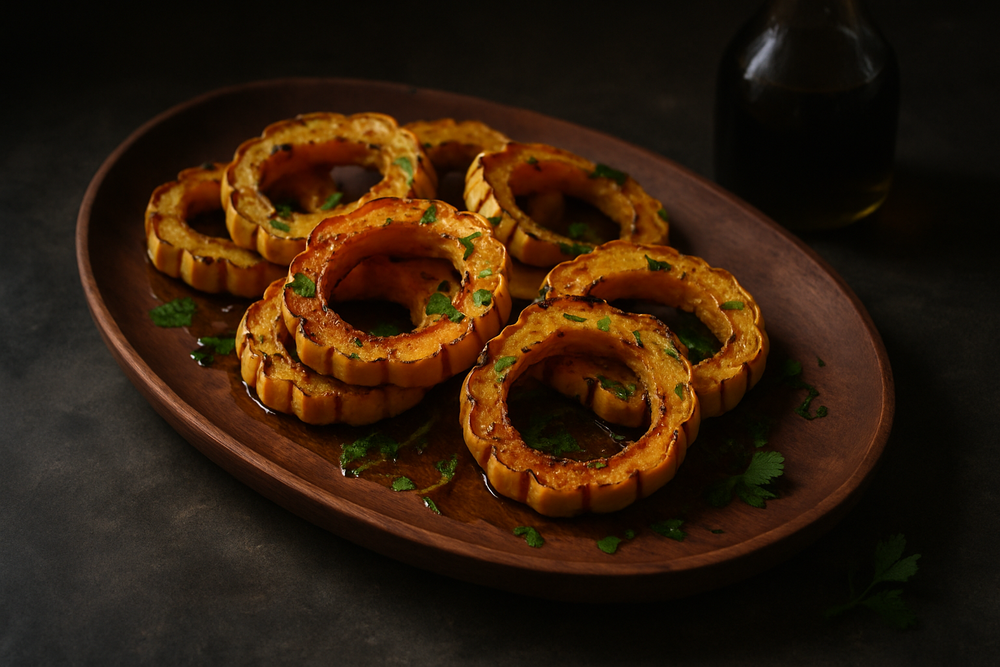
Prep Ideas
- — Delicata rings + white beans + arugula — The creaminess of white beans balances the squash's sweetness; arugula's bitterness cuts through both. A protein- and fiber-rich combination that also pairs vitamin C (squash) with plant-based iron (beans) to boost iron absorption.
- — Delicata cubes + farro or brown rice + tahini drizzle — Whole grains add staying power; tahini (sesame paste) contributes healthy fat that helps your body absorb the fat-soluble carotenoids in the squash.
- — Stuffed delicata halves + lentils + warming spices (cumin, coriander, smoked paprika) — Makes a complete plant-based meal in one dish. Lentils supply protein and additional fiber; spices add flavor without sodium.
Shop This Ingredient
Stock your pantry with quality delicata squash.
Buy on AmazonAs an Amazon Associate, Plantopedia earns from qualifying purchases. This costs you nothing extra and helps us keep the encyclopedia free.
Frequently Asked Questions
No human clinical trials have tested delicata squash in isolation, so the benefits below are based on its nutrient profile and research on comparable vegetables and dietary patterns. Think of delicata squash as one strong contributor to an overall plant-rich diet rather than a stand-alone treatment for any condition. Heart and circulation Delicata squash fits naturally into heart-healthy eating patterns. Its potassium content (around 582 mg per cup) contributes to blood pressure management: potassium helps the kidneys excrete excess sodium and relaxes blood vessel walls. The DASH diet — one of the most well-studied dietary patterns for cardiovascular health — specifically emphasizes potassium-rich, low-sodium plant foods, and delicata squash checks both boxes. Its soluble fiber may modestly lower LDL cholesterol (often called "bad" cholesterol) by binding to bile acids in the gut and reducing their reabsorption. Beta-carotene and other carotenoids may reduce oxidative stress in blood vessel walls. Human observational data consistently link higher vegetable intake — especially carotenoid-rich options — with lower cardiovascular risk, though delicata squash has not been isolated in these studies. Digestive health and microbiome Fiber is delicata squash's most direct contribution to digestive health. At roughly 3.5 g per cup, one serving provides about 13% of the daily fiber target most adults fall short of. Insoluble fiber adds bulk to stool and speeds transit time, reducing constipation risk. Soluble fiber acts as a prebiotic — meaning it feeds beneficial bacteria in the large intestine (the lower part of your digestive tract), supporting a healthy microbiome. Because delicata squash is cooked thoroughly before eating and its fermentable carbohydrate content is moderate, most people tolerate it well. Those with irritable bowel syndrome (IBS) or other sensitive digestive conditions may want to start with a smaller portion and gauge their response. Blood sugar and metabolism Delicata squash provides roughly 18 g of carbohydrate per cup — classifying it as a starchy vegetable alongside sweet potato and corn. Its fiber content and intact plant cell structure slow the rate at which these carbohydrates enter the bloodstream compared with refined grains or juice, which may produce a more gradual blood sugar rise. That said, the glycemic index (a scale measuring how quickly a food raises blood sugar) of delicata squash has not been measured in clinical studies. Roasting can intensify perceived sweetness by concentrating sugars, but it does not significantly change total carbohydrate content. People with diabetes or insulin resistance can include delicata squash by counting its carbohydrates as part of a balanced meal, ideally paired with protein and healthy fat to further blunt any glycemic response. Inflammation and immune support Vitamin C and beta-carotene are both well-established antioxidants. One cup of delicata squash provides around 34% of the daily value for vitamin C and a substantial dose of provitamin A carotenoids. Human observational studies consistently link higher intakes of carotenoid-rich and vitamin C-rich vegetables with lower blood markers of oxidative stress and systemic inflammation (low-grade, body-wide inflammation linked to chronic disease). Vitamin A also plays a direct role in immune defense, supporting the integrity of mucosal barriers (the moist lining of the gut and respiratory tract that acts as a first line of defense against pathogens) and the function of immune cells. Again, these effects reflect the broader research on similar nutrients and vegetables; delicata squash has not been tested in immune intervention trials.
Busy home cooks looking for a nutrient-dense weeknight vegetable No peeling needed — the skin is edible after roasting, saving prep time. Slices into uniform rings in minutes and roasts in about 25 minutes. Mild, slightly sweet flavor makes it easy to serve alongside almost any protein or grain. People trying to eat more vegetables without spiking blood sugar Lower in carbohydrates than sweet potato and provides more fiber than many starchy vegetables. Whole-food, minimally processed, and filling enough to replace higher-calorie sides. Easy to portion control by the number of rings served.
Roasted rings with skin on — The gold standard for both flavor and convenience. Roasting develops natural caramelization (browning caused by heat concentrating sugars) and makes the skin fully tender and edible. Leaving the skin on adds a small fiber bonus and means zero prep waste. Roasted halves or stuffed boats — Great for larger portions or filling with grains and legumes to make a complete meal. Retains all the same nutrients as rings. Cubed and sautéed — Works well in grain bowls and salads. Slightly less caramelization than oven roasting, but still delicious. Pureed soups — Blending delicata with stock and aromatics retains micronutrients well. Including the cooked skin keeps fiber content high. Frozen or pre-cut — A convenient option when fresh is unavailable. Macronutrient content is comparable; some water-soluble vitamins (especially vitamin C) may decline slightly over storage time, but frozen squash remains a nutritious whole-food choice. For maximum nutrient retention, avoid boiling in large amounts of water (water-soluble vitamins leach into the cooking liquid). Roasting or steaming preserves more vitamin C and carotenoids.
No clinical dose has been established for delicata squash as a therapeutic food, because it has not been studied in that context. For general health, the guidelines below are practical starting points: MyPlate recommends most adults aim for 2½–3 cups of vegetables per day across all vegetable subgroups. Winter squash counts toward the starchy vegetable subgroup. A typical serving is ½ to 1 cup cooked (roughly 90–180 g), providing 40–80 calories and 1.5–3.5 g of fiber. For blood sugar management, keep portions at about ½ cup per meal and pair with protein and fat. As a whole food plant-based diet staple, 1 cup per day is a reasonable contribution to your vegetable diversity without crowding out other vegetable subgroups. Start low if you are increasing fiber intake: adding too much fiber too quickly can cause bloating or gas. Increase gradually over 1–2 weeks and drink adequate water. There is no established upper limit for delicata squash consumption in otherwise healthy adults. Its high beta-carotene content means very large, frequent intake could theoretically cause carotenodermia (a harmless yellowing of the skin from carotenoid deposits) — but this would require very consistent, very large amounts and is not a safety concern.
Quick Answers
Common questions, answered in a line.
You do not need to peel delicata squash because its skin is thin and becomes tender when cooked. Simply wash the exterior, slice the squash into rings or halves, and roast it with the skin intact for added fiber.
Delicata squash is a nutrient-dense source of dietary fiber, vitamin A (as carotenoids), vitamin C, potassium, and magnesium. It also contains lutein and zeaxanthin, which are specific antioxidants that support eye health and protect the retina.
People with chronic kidney disease (CKD) or those on potassium-sparing medications should monitor their delicata squash intake. A single cup contains approximately 582 mg of potassium, which may need to be factored into medically restricted diets.
Roast delicata squash by slicing it into half-inch rings, tossing them with olive oil, salt, and pepper, and baking at 425°F (220°C). Cook for 20 to 25 minutes, flipping once, until the edges are golden and caramelized.
Whole delicata squash can be stored in a cool, dry place for two to three months. Once the squash has been cut, it should be refrigerated and consumed within four to five days, or frozen for up to three months.
Eating delicata squash with healthy fats, such as tahini or olive oil, helps your body absorb its fat-soluble provitamin A carotenoids. These pigments support immune defense, skin integrity, and vision.
Delicata squash is safe and beneficial during pregnancy as it provides essential vitamins like A and C. Its vitamin A comes from carotenoids rather than preformed retinol, meaning there is no concern regarding the upper-limit issues associated with supplements.
For Readers in the USA
Local context — sourcing, seasonality, and regional notes.
In the United States, delicata squash is a seasonal fall and winter vegetable typically available from late August through early January. Because it has a thinner skin than butternut or acorn squash, it does not store as long and is hardest to find in grocery stores during the spring and summer months.
You can find delicata squash at major US retailers like Whole Foods Market, Trader Joe's, and Safeway, as well as at local farmers markets during the autumn months. While it was once considered a specialty heirloom variety, its popularity has grown significantly, making it a seasonal staple in most organic produce sections across the country.
Look for the USDA Organic seal if you want to ensure the squash was grown without synthetic pesticides, which is a common choice for delicata since the skin is typically consumed. Regardless of the label, the FDA recommends thoroughly washing the exterior under running water and scrubbing with a clean produce brush before slicing to remove any lingering soil or bacteria.
Delicata squash is primarily grown in the Northeast and Pacific Northwest of the US, as it thrives in the shorter growing seasons of cooler climates. It is often referred to by regional nicknames like "peanut squash," "bohemian squash," or "sweet potato squash" due to its distinct pinstriped appearance and creamy flavor profile.
AI Clinical Review
- Presents delicata squash as a nutrient-dense, easy-to-prepare winter squash with edible skin—consistent with culinary and nutrition references.
- Accurately highlights key nutrients (fiber, potassium, vitamin C, and provitamin A carotenoids) and their general roles in cardiovascular, immune, and eye health.
- Places health claims in context of overall vegetable-rich patterns (e.g., DASH-style eating) rather than positioning delicata as a stand‑alone “treatment.”
- Gives practical guidance for people managing blood sugar by treating delicata as a starchy vegetable and pairing it with protein and fat.
- There are no clinical trials on delicata squash specifically; benefits are inferred from research on winter squashes, carotenoids, fiber, and potassium more broadly.
- Vitamin A figures from carotenoids can be confusing: labels often use IU, but clinical relevance depends on conversion to retinol activity equivalents (RAE), which varies by person and meal composition.
- Claims around immune support, inflammation, and microbiome effects are supported mainly by observational data and mechanistic studies; real‑world effect sizes from typical portions are uncertain.
- The glycemic index for delicata hasn’t been established; individual glucose responses may vary with portion size and cooking method (e.g., roasting vs. steaming).
- Portion guidance: 1/2–1 cup cooked is a reasonable serving; if you count carbohydrates, start with ~1/2 cup per meal and adjust based on your targets and glucose readings.
- Potassium awareness: ~580 mg per cup is helpful for many but may be excessive for people with chronic kidney disease or those on ACE inhibitors, ARBs, or potassium‑sparing diuretics—check with your clinician.
- Digestive tolerance: generally well tolerated when cooked; those with IBS or on a low‑FODMAP plan often do better with smaller portions at first.
- Rare safety note: if any squash tastes unusually and intensely bitter, avoid eating it—this can signal high cucurbitacin levels that may cause acute GI upset. Wash the edible skin well, and include a small amount of dietary fat to aid carotenoid absorption.
Very safe; skin is thin and edible after roasting.
References
- USDA FoodData Central — winter squash, cooked (nutrition data) (fdc.nal.usda.gov)
- MyPlate — Vegetables (dietary guidelines for vegetable intake) (myplate.gov)
- Nutrition-and-you — Delicata squash nutrition facts (nutrition-and-you.com)
- Livestrong — Nutritional values of delicata squash compared with other squashes (livestrong.com)
- Healthier Steps — Delicata squash nutrition and health benefits overview (healthiersteps.com)
- Kitchen Journal — Health benefits of delicata squash (nutrient analysis) (kitchenjournal.net)
- Home Health Up — Delicata squash nutrition facts, health benefits, and side effects (homehealthup.com)
- The Natural Nurturer — Easy roasted delicata squash (skin edibility and prep) (thenaturalnurturer.com)
- Fed by the Farm — How to cook delicata squash (preparation methods) (fedbythefarm.com)
- NIH Office of Dietary Supplements — Vitamin A fact sheet for consumers (carotenoid safety) (ods.od.nih.gov)
Know Your Numbers
Eating healthy is a start. Now get to know your biomarkers.
Food changes bloodwork — inflammation, lipids, blood sugar and nutrient status all respond to what you eat. 59 markers from $59.
- Results in 7–10 days at 2,000+ Quest sites
- Licensed provider reviews every result
- One flat price, no membership, HSA/FSA eligible
Educational information only, not medical advice. Panels are ordered and reviewed through our licensed partner; Plantopedia may earn a commission.