Dulse — health benefits and uses
A traditional Atlantic coastal food valued as a mineral and iodine source.
The Short Answer
Dulse is a nutrient-dense red seaweed that provides 835 mcg of iodine and 391 mg of potassium per serving. It is primarily used as a salt substitute or a source of minerals to support thyroid health and digestion.

Dulse · Photograph
Discover dulse seaweed benefits and side effects, including its impressive iodine and potassium content, how it may support digestion and energy, and why thyroid conditions and medication interactions make portion control essential. Evidence-aligned, layperson-friendly guide.
Key Nutrients
% Daily Value based on 2,000 cal diet
Key active compounds in dulse
Dulse's nutritional and functional character comes from a combination of minerals, vitamins, and plant compounds specific to red seaweeds.
- Bioactive peptides — Short protein fragments released when dulse protein is digested or processed. Lab studies show antioxidant, ACE-inhibitory (blood-pressure-relevant), and enzyme-modulating effects, though human trial data are lacking.
- Phenolic compounds — A family of plant-derived molecules with antioxidant activity. Dulse phenolics show free-radical scavenging ability in laboratory settings.
- Carotenoids — Pigmented compounds such as beta-carotene and xanthophylls that give dulse its reddish color. They act as antioxidants and some can convert to vitamin A in the body, supporting vision and immune function.
- Sulfated polysaccharides — Complex, sulfur-containing carbohydrate chains unique to seaweeds. They act as soluble dietary fiber, can be fermented by gut bacteria, and show immunomodulatory and antiviral activity in experimental models.
- Iodine — Not a phytochemical but dulse's most pharmacologically active micronutrient. Iodine is essential for thyroid hormone synthesis and metabolic regulation, and dulse is among the richest natural food sources on earth.
What are the health benefits of dulse seaweed? A look at the evidence
It is tempting to see a mineral-dense sea vegetable and conclude the benefits must be sweeping. The honest picture is more nuanced. Where human trials exist, they are few, and one key study actually raised caution flags. Here is what the current evidence suggests, area by area.
Heart and circulation
Dulse contains potassium and is very low in fat — two features associated with healthy blood pressure when considered across the whole diet. It also yields bioactive peptides in lab studies that inhibit ACE (angiotensin-converting enzyme), a key driver of blood vessel tension. However, these are mechanistic findings, not proven outcomes. The one published human intervention study — which gave participants 5 g of dulse baked into bread every day for four weeks — actually found increases in serum triglycerides (a type of fat in the blood linked to cardiovascular risk) and markers of inflammation. There are currently no robust human trials showing that eating dulse improves blood pressure, cholesterol, or cardiovascular outcomes. The cardiovascular angle remains plausible but unproven, and the available data include a cautionary signal.
Digestive health and gut microbiome
A tablespoon of dulse contributes roughly 1 g of dietary fiber in a very small serving, and larger portions (a quarter-cup of loose flakes) can contribute around 4 g. Dulse's fiber includes both soluble and insoluble fractions, and its sulfated polysaccharides are fermentable by gut bacteria — meaning they function as prebiotics (food for beneficial microbes) in principle. General dietary fiber science supports benefits for stool regularity and gut microbial diversity. Dulse-specific human microbiome trials have not yet been published, so the digestive benefits are inferred from its fiber composition rather than confirmed in clinical studies.
Blood sugar and metabolism
No published human clinical trials have evaluated dulse's effect on blood glucose, insulin, or HbA1c (a longer-term marker of blood sugar control). In vitro (test-tube) studies of red seaweed compounds show inhibition of carbohydrate-digesting enzymes, suggesting a potential mechanism for slowing sugar absorption, but this remains at the experimental stage. Dulse should not currently be used as a blood sugar management strategy based on available evidence.
Hormones and thyroid health
This is where dulse's nutritional power becomes a double-edged sword. Iodine is essential for the thyroid to produce T3 and T4 — the hormones that regulate metabolism, energy, and many other body systems. People who are iodine deficient can genuinely benefit from more iodine-rich foods, and dulse is one of the most concentrated sources available. But the same concentration that helps someone deficient can push someone with adequate intake well above safe upper limits. A four-week human study confirmed that 5 g of dulse per day measurably altered thyroid function markers. People with any thyroid condition — including Hashimoto's thyroiditis (an autoimmune thyroid disease), hypothyroidism (underactive thyroid), or hyperthyroidism (overactive thyroid) — face real risk from regular dulse intake and should not consume it without medical supervision.
Inflammation and antioxidant activity
Dulse's phenolic compounds and carotenoids show impressive antioxidant activity in laboratory assays. In the diet-and-health context, antioxidants help neutralize free radicals (unstable molecules that can damage cells). However, the previously mentioned human trial found that 5 g of dulse per day was associated with increased rather than decreased inflammatory markers. Lab-based antioxidant findings and whole-food human outcomes do not always align, and this is a clear example. The anti-inflammatory evidence for dulse in living humans is currently insufficient — and one trial points in the opposite direction.
Energy, bone health, and immune support
Dulse provides iron, magnesium, and vitamin B6, all of which play roles in energy metabolism and immune function. Iron is essential for hemoglobin, which carries oxygen in the blood. Magnesium supports hundreds of enzymatic reactions and contributes to bone structure. These are real nutritional contributions. There are no clinical trials directly linking dulse consumption to reduced fatigue, improved bone density, or measured immune benefits in people, but the micronutrient content is genuinely useful as part of a varied diet.
Prep and pairing ideas
Dulse does not need much preparation and brings its own flavor, so a light touch goes a long way.
- Toasted dulse flakes over grain bowls. A pinch toasted dry in a pan for 30 seconds, then scattered over brown rice, quinoa, or farro, adds a savory, slightly smoky note. Pair with sesame seeds and a drizzle of rice vinegar for a complete umami base.
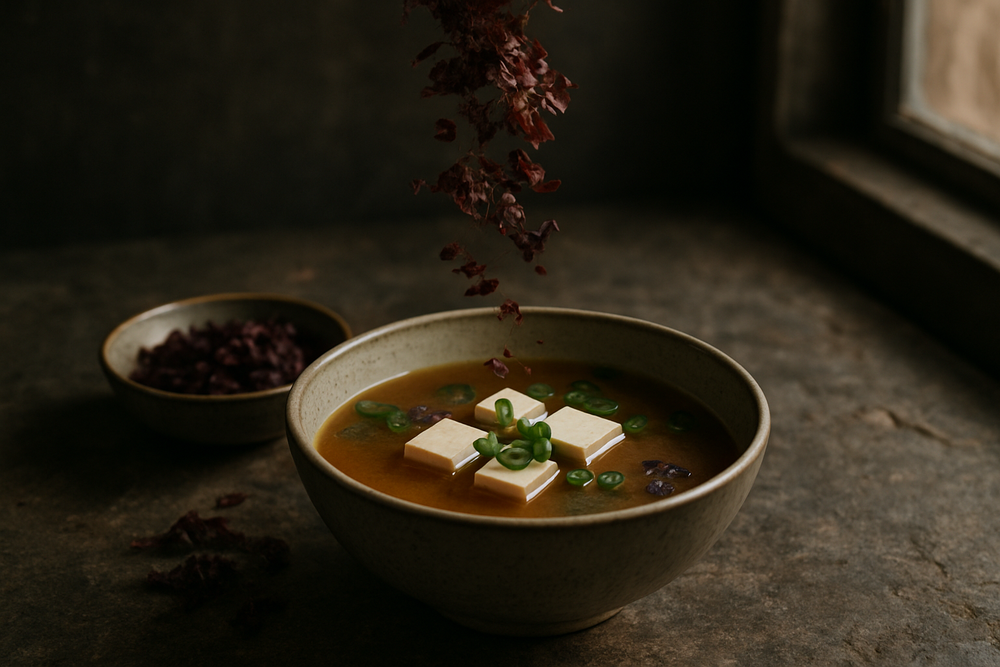
- Dulse in miso soup. Add a small strip of dried dulse directly to the bowl when you pour the hot broth. It softens within a minute and contributes both mineral flavor and a little chewiness. This is one of the most traditional and naturally portion-controlled ways to enjoy it.
- Dulse flakes as a salt alternative. Because dulse tastes savory and slightly briny, a light shake over avocado toast, scrambled tofu, or roasted potatoes can reduce the need for added salt while adding trace minerals. Use sparingly — the goal is a background note, not a main flavor.
Buying guide: how to choose and store dulse
Fresh vs. dried: Fresh dulse is occasionally available in coastal markets but deteriorates quickly. Dried whole leaf or flake dulse is the practical standard for most buyers and retains its nutritional profile well.
Label tips to look for:
- Country and water of origin. Atlantic dulse (Maine, Nova Scotia, Iceland, Ireland) has a long culinary track record and tends to come from well-regulated waters.
- Third-party testing for heavy metals. Look for brands that explicitly state they test for arsenic, lead, mercury, and cadmium. Seaweeds absorb what is in their water.
- No fillers or anti-caking agents. Dulse flakes ideally list one ingredient: dulse.
- Certified organic. Not a guarantee of safety but an indicator of higher sourcing standards in some cases.
Storage: Keep dried dulse in an airtight container away from light, heat, and moisture. Properly stored, it will remain flavorful and nutritionally sound for 12 to 24 months. Once opened, use within six months for best flavor.
Bottom line
Dulse is a genuinely interesting sea vegetable — nutritionally distinctive, culinarily versatile, and with a flavor profile unlike anything from a land plant. Its iodine, potassium, and vitamin B6 content are real and meaningful, especially for people eating whole-food plant-based diets where some of these nutrients can be harder to source.
That said, the honest evidence picture is more cautious than enthusiast sources suggest. The human trial data that exist show potential downsides at modest daily doses — elevated triglycerides, increased inflammation markers, and measurable thyroid changes — rather than confirmed benefits. The exciting findings from lab and animal studies have not yet translated into proven health outcomes in people.
Used occasionally as a flavorful condiment by most healthy adults, dulse is a worthwhile addition to a varied diet. Used daily in larger amounts, particularly by anyone with thyroid conditions, kidney disease, or relevant medication use, it carries real risks that should not be overlooked.
Explore how sea vegetables and other mineral-rich whole foods fit your health goals at /goals.
How Dulse Compares
| Compared with | What's different |
|---|---|
| Dulse vs. Nori | Dulse is a red seaweed with a salty, smoky flavor; Nori is a green seaweed that is milder and crispier. |
| Dulse vs. Kelp | Kelp is much higher in iodine and tougher in texture, whereas dulse is softer and can be eaten raw. |
Health Benefits
Things to Know
Iodine overload is a real risk.: Even one tablespoon of dulse can deliver more than five times the recommended daily iodine intake. Eating dulse daily or in large amounts can push total iodine intake far above safe upper limits, especially if you also eat other iodine-rich foods or take supplements.
Thyroid conditions require extra caution.: People with hypothyroidism, hyperthyroidism, Hashimoto's thyroiditis, thyroid nodules, or thyroid cancer history should treat dulse as a high-risk ingredient and speak with their doctor before including it.
Medication interactions exist.: Dulse may interfere with levothyroxine (thyroid hormone replacement), antithyroid medications (methimazole, propylthiouracil), amiodarone (a heart medication containing iodine), lithium (which also affects thyroid function), and potassium-sparing diuretics or ACE inhibitors (where extra potassium from dulse may cause hyperkalemia — abnormally high blood potassium levels).
Kidney disease and potassium restriction.: Dried dulse is relatively high in potassium. People with chronic kidney disease (CKD) or those on potassium-restricted diets should account for this.
Sodium content.: Dried dulse contains sodium. If you are managing blood pressure or following a sodium-restricted diet, factor dulse into your daily sodium budget.
Pregnancy and breastfeeding.: Iodine needs are higher during pregnancy and lactation, but concentrated seaweed sources like dulse make total intake difficult to control. Stick to guidance from your midwife or obstetrician.
Children.: Smaller body size means smaller margin for iodine excess. Dried seaweed snacks, including dulse, should be used cautiously and in very small amounts for children.
Heavy metal contamination.: As with all seaweeds, dulse can absorb metals from its growing environment. Purchase from reputable suppliers that conduct third-party testing for contaminants.
Start small.: If you are new to sea vegetables, begin with a half-teaspoon to gauge digestive tolerance before increasing.
Prep Ideas
- — Toasted dulse flakes over grain bowls. A pinch toasted dry in a pan for 30 seconds, then scattered over brown rice, quinoa, or farro, adds a savory, slightly smoky note. Pair with sesame seeds and a drizzle of rice vinegar for a complete umami base.
- — Dulse in miso soup. Add a small strip of dried dulse directly to the bowl when you pour the hot broth. It softens within a minute and contributes both mineral flavor and a little chewiness. This is one of the most traditional and naturally portion-controlled ways to enjoy it.
- — Dulse flakes as a salt alternative. Because dulse tastes savory and slightly briny, a light shake over avocado toast, scrambled tofu, or roasted potatoes can reduce the need for added salt while adding trace minerals. Use sparingly — the goal is a background note, not a main flavor.
Glossary
Shop This Ingredient
Stock your pantry with quality dulse.
Buy on AmazonAs an Amazon Associate, Plantopedia earns from qualifying purchases. This costs you nothing extra and helps us keep the encyclopedia free.
Frequently Asked Questions
Most people will encounter dulse in three practical forms, each with its own tradeoffs. Dried whole leaves or pieces are the most traditional format — chewy, intensely savory, and satisfying to eat as a snack straight from the bag. They hydrate and soften quickly in soups or stews. Portion size is easy to judge visually. Dulse flakes are the most common format in health food stores and online retailers. They are convenient for seasoning — a light sprinkle over salads, roasted vegetables, popcorn, or eggs adds umami without overpowering. Because flakes are small and easy to over-pour, using measuring spoons helps keep iodine intake in check. Dulse powder is the most concentrated form. It is useful in smoothies or baked goods but makes portion control more critical. A small amount of powder can deliver as much iodine as several times the volume of flakes. If you are new to dulse, powder is the form where it is easiest to accidentally consume too much. Supplements (extracts and peptide hydrolysates) exist in research settings but are not standardized for consumer use. If you are looking for culinary benefits, food-form dulse is the appropriate choice. If a supplement is suggested for a specific purpose, consult a healthcare provider first.
Most nutrition guidance and iodine risk assessments suggest limiting regular dried dulse intake to approximately 2 to 4 grams per day — roughly half a teaspoon to just under a teaspoon of flakes — to keep iodine exposure near but not dramatically above the recommended daily amount of 150 mcg for most adults. The one available human intervention study used 5 g per day incorporated into bread for four weeks. At that level, researchers observed altered thyroid function, elevated triglycerides, and increased inflammatory markers, suggesting that 5 g daily may be too much for routine consumption in some individuals. Practical guidance: A light seasoning sprinkle (roughly ½ to 1 teaspoon of flakes) a few times per week is a reasonable starting point for healthy adults. Daily consumption warrants more attention to total iodine from all sources (table salt, dairy, eggs, seafood, supplements). If you eat other iodine-rich foods regularly, consider dulse an occasional addition rather than a daily staple. People with any thyroid history should set limits — or avoid dulse — only with a healthcare provider's input. There is no established therapeutic dose for dulse as a supplement; it is best understood as a flavorful, mineral-rich food ingredient.
Quick Answers
Common questions, answered in a line.
Dulse is a nutrient-dense red seaweed that provides iodine, potassium, iron, magnesium, and vitamin B6, along with bioactive peptides and antioxidants. These components support essential functions such as thyroid hormone synthesis, energy metabolism, and bone health.
Dulse is among the richest natural sources of iodine, which is essential for thyroid hormone production and metabolic regulation. However, its high concentration means even small amounts can significantly impact thyroid markers, requiring caution for those with existing conditions.
Dulse may support digestion because it contains roughly 1 to 4 grams of dietary fiber per serving and sulfated polysaccharides that act as prebiotics. This fiber content helps promote stool regularity and provides food for beneficial gut microbes.
Dulse provides iron, magnesium, and vitamin B6, all of which are critical for energy metabolism and immune function. Iron is specifically necessary for hemoglobin to transport oxygen in the blood, while magnesium supports hundreds of enzymatic reactions.
People with thyroid conditions like Hashimoto's, kidney disease, or those taking medications like levothyroxine, lithium, or ACE inhibitors should avoid dulse without medical advice. Its high iodine and potassium levels can interfere with these conditions and treatments.
You can use dulse as a savory seasoning by toasting flakes over grain bowls, adding strips to miso soup, or using it as a mineral-rich salt alternative on avocado toast. It adds a smoky, umami flavor and softens quickly when added to hot liquids.
When buying dulse, look for Atlantic-sourced products that have undergone third-party testing for heavy metals like arsenic, lead, and mercury. Ensure the label lists only dulse as the ingredient, with no added fillers or anti-caking agents.
For Readers in the USA
Local context — sourcing, seasonality, and regional notes.
In the United States, dulse is primarily harvested along the rocky intertidal shores of Maine and the Pacific Northwest, with the peak season running from early summer through fall. Maine-grown dulse is particularly prized and is often hand-harvested during low tides to be sun-dried or processed into flakes.
You can find dulse at major national natural food chains like Whole Foods Market and Sprouts, as well as at local health food stores and specialized seafood markets. It is commonly sold in the "macrobiotic" or "Asian foods" aisle as dried whole leaves, flakes, or powdered seasonings.
When buying dulse in the U.S., look for the USDA Organic seal to ensure it was harvested from waters monitored for pollutants and processed without synthetic chemicals. Because seaweeds can absorb heavy metals from the ocean, many domestic brands also provide third-party testing results for lead and arsenic on their websites.
Dulse has gained a cult following in U.S. culinary circles as a "vegan bacon" alternative because its flavor becomes smoky and savory when pan-fried in oil. Beyond the health food scene, it is a traditional staple in coastal New England and is increasingly used by American chefs as a domestic, iodine-rich alternative to imported kombu or nori.
AI Clinical Review
- Clearly explains that dulse is exceptionally rich in iodine and that even small portions can exceed the daily requirement; it also notes real variability by source.
- Accurately frames the current evidence: most proposed benefits (antioxidant, ACE-inhibitory, prebiotic effects) come from lab or animal work, with limited human data.
- Appropriately highlights the one human study using 5 g/day for 4 weeks that showed changes in thyroid markers and increases in triglycerides and inflammatory markers—an important cautionary signal.
- Provides practical guidance on forms (whole leaf, flakes, powder) and flags key groups who should be cautious: people with thyroid disease, chronic kidney disease, those pregnant or breastfeeding, children, and those on interacting medications.
- Cardiometabolic effects remain uncertain. Lab findings (e.g., ACE inhibition) have not been confirmed in well-controlled human trials, and existing human data are mixed.
- Gut microbiome benefits are plausible based on dulse fibers and sulfated polysaccharides, but human clinical trials are lacking.
- “Antioxidant” and “immune” claims largely reflect in vitro activity; translation to meaningful outcomes in people has not been demonstrated.
- Iodine content varies widely by species, harvest location, and processing, so real-world dosing precision is challenging and may differ from database estimates.
- Dose matters. For most healthy adults, an occasional ½–1 tsp of flakes (about 1–2 g) a few times per week is a conservative way to enjoy flavor without routinely exceeding iodine limits; if used daily, account for all other iodine sources (iodized salt, dairy, eggs, seafood, supplements).
- Form matters. Powders are easiest to overdo; measuring spoons help. Whole leaves make portion size more visible.
- Safety first for certain populations: anyone with current or past thyroid conditions, those on thyroid medications (levothyroxine or antithyroid drugs), amiodarone or lithium, and those at risk for high potassium (CKD, potassium-sparing diuretics, ACE inhibitors) should check with a clinician before regular use.
- Choose reputable products. Seaweeds can accumulate heavy metals—look for brands that disclose origin and third-party contaminant testing, and store dried dulse in a cool, dry, dark place to preserve quality.
High in iodine; those with thyroid conditions should moderate intake.
References
- USDA FoodData Central — dulse nutritional data (fdc.nal.usda.gov)
- MyPlate Vegetables Food Group — guidance including sea vegetables (myplate.gov)
- Pubmed: Risk assessment of iodine intake from red seaweed consumption — peer-reviewed review (pubmed.ncbi.nlm.nih.gov)
- Springer: Concise review of dulse, Palmaria palmata — comprehensive scientific review (link.springer.com)
- Oxford IJFST: Biofunctionalities of seaweed hydrolysates and peptides from Pacific dulse — research review (academic.oup.com)
- WebMD/Vitamins: Dulse — uses, side effects, clinical monograph (webmd.com)
- NutritionFacts.org: Dulse topic overview (nutritionfacts.org)
- Livestrong: Dulse seaweed — nutrition, benefits and risks (livestrong.com)
- Nutriv.io: Dulse for metabolic health — complete nutrition guide (nutriv.io)
- Diet-health.info: Dried dulse (Palmaria palmata) — nutrient profile (diet-health.info)
Know Your Numbers
Eating healthy is a start. Now get to know your biomarkers.
Food changes bloodwork — inflammation, lipids, blood sugar and nutrient status all respond to what you eat. 59 markers from $59.
- Results in 7–10 days at 2,000+ Quest sites
- Licensed provider reviews every result
- One flat price, no membership, HSA/FSA eligible
Educational information only, not medical advice. Panels are ordered and reviewed through our licensed partner; Plantopedia may earn a commission.