Komatsuna — health benefits and uses
A hardy East Asian brassica green eaten through the cold season.
The Short Answer
Komatsuna, or Japanese mustard spinach, is a nutrient-dense leafy green containing 170mg of calcium and 210mcg of vitamin K per 100g serving. It has a mild, sweet flavor and is typically sautéed, blanched, or added to miso soups.
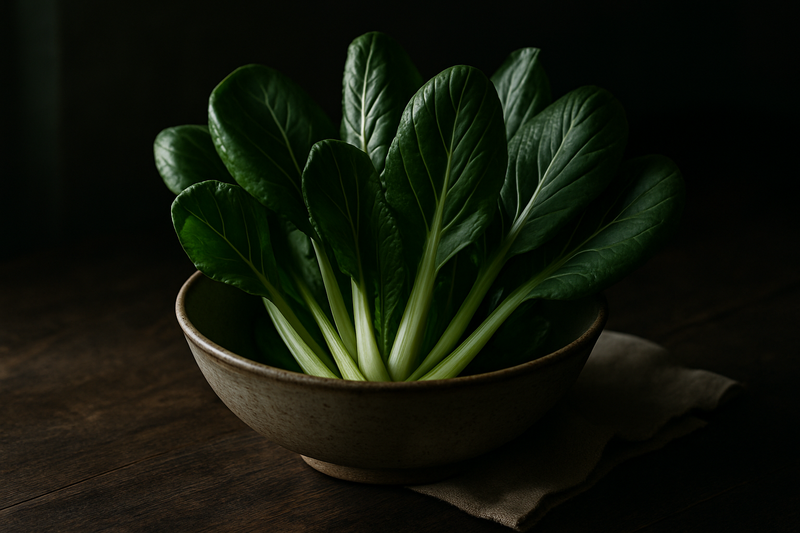
Komatsuna · Photograph
Discover komatsuna (Japanese mustard spinach) health benefits, nutrition facts, and easy ways to cook it. Learn why this mild, calcium-rich leafy green belongs in your plant-based diet.
Key Nutrients
% Daily Value based on 2,000 cal diet
Key active compounds in komatsuna
- Glucosinolates — Sulfur-containing compounds characteristic of Brassica vegetables. When you chew or chop komatsuna, an enzyme called myrosinase converts glucosinolates into active metabolites (including isothiocyanates) that have been studied for potential anti-inflammatory and detoxification effects in broader Brassica research.
- Carotenoids (including beta-carotene) — Pigmented antioxidants that give leafy greens their deep color. Beta-carotene is a provitamin A carotenoid, meaning your body converts it into vitamin A as needed. Komatsuna provides approximately 3,100 mcg of beta-carotene per 100 g.
- Flavonoids — Polyphenolic plant compounds with antioxidant and cell-signaling properties. Komatsuna contains a range of flavonoids that contribute to its overall antioxidant capacity, though most of the human evidence for flavonoids comes from studies of dietary patterns rather than komatsuna specifically.
- Vitamin C (as ascorbic acid) — A well-studied water-soluble antioxidant that also enhances iron absorption from plant foods (a process called "non-heme iron absorption enhancement").
- Vitamin K (phylloquinone) — A fat-soluble vitamin essential for blood clotting and for activating proteins that regulate calcium in bones and blood vessels.
Prep and pairing ideas
Komatsuna is one of the most kitchen-friendly greens available. It needs minimal prep (rinse, trim the stems if very thick, and it is ready) and cooks in under two minutes.
Three practical pairings:
- Komatsuna + sesame oil + tofu (miso soup base): A classic Japanese combination. The healthy fats in sesame oil improve absorption of fat-soluble beta-carotene and vitamin K, while tofu adds protein and additional plant calcium — a genuine bone-health pairing.
- Komatsuna + garlic + lemon (quick sauté): Sauté komatsuna with minced garlic in olive oil, then finish with a squeeze of lemon juice. The vitamin C in both the komatsuna and lemon enhances absorption of the iron in the leaves — a smart combination for plant-based iron intake.
- Komatsuna + brown rice + soft-boiled egg (grain bowl): Blanched komatsuna adds color, fiber, and micronutrients to a simple grain bowl. The egg provides additional vitamin D and B12, nutrients that round out what leafy greens lack.
Simple storage tip: Store unwashed komatsuna loosely wrapped in a slightly damp paper towel inside a bag in the crisper drawer. It keeps for 3–5 days. Wash just before using to prevent early wilting.
Bottom line
Komatsuna is a genuinely exceptional leafy green that does not yet get the recognition it deserves outside Japan. Its combination of high calcium, sky-high vitamin K, meaningful vitamin C and iron, antioxidant phytochemicals, and almost no calories makes it one of the most nutrient-dense vegetables you can add to a plant-based or any whole-food diet. It is milder than most people expect, cooks in minutes, and works in everything from miso soup to smoothies to grain bowls.
The evidence base is largely indirect — no clinical trials have tested komatsuna in isolation — but the nutrients it contains have well-established roles in bone health, cardiovascular support, immune function, and inflammation management. For the vast majority of healthy adults, eating komatsuna regularly is straightforward and safe. The main caution applies to people on vitamin K–antagonist blood thinners like warfarin, who should keep their intake consistent and talk to their clinician.
If you are looking to diversify beyond spinach and kale, komatsuna is an easy, evidence-aligned upgrade.
Looking to connect komatsuna with your broader health goals? Explore Plantopedia's goals section to find ingredient combinations matched to what you are working toward.
How Komatsuna Compares
| Compared with | What's different |
|---|---|
| Komatsuna vs. Bok Choy | Milder, sweeter flavor with no bitterness and a crunchier, more succulent stem texture. |
| Komatsuna vs. Mustard Greens | Higher calcium content (170mg vs 99mg per 100g) and lacks the sharp, peppery bite of raw mustard. |
| Komatsuna vs. Spinach | Higher in calcium and iron, with a sturdier texture that holds up better in soups and stir-fries. |
Health Benefits
Things to Know
Vitamin K and blood thinners: Komatsuna is extremely high in vitamin K (175% of the daily value per 100 g). Vitamin K plays a direct role in blood clotting, and vitamin K–antagonist medications like warfarin work by limiting vitamin K's effect. If you take warfarin or a similar anticoagulant, you do not need to avoid komatsuna — but you should keep your intake consistent from week to week rather than eating large amounts sporadically. Sudden big changes in vitamin K intake can affect your medication's effectiveness. Always discuss dietary changes with your prescribing clinician.
Other blood-thinning medications: Patients on any anticoagulant or antiplatelet therapy are generally advised to inform their clinician before making major changes in leafy green consumption.
Kidney disease: People with advanced chronic kidney disease (CKD) who need to limit potassium should be aware that komatsuna provides approximately 500 mg per 100 g serving. Check with your dietitian about appropriate portion sizes.
Brassica or mustard allergies: Komatsuna belongs to the mustard family. People with known allergies to mustard, other Brassica vegetables, or related plants should introduce it cautiously.
Thyroid conditions: At normal culinary portions, the goitrogenic compounds in cooked Brassica vegetables are not a meaningful concern for most people with thyroid conditions. Very high raw intake (many cups per day, every day) is the scenario most discussed in the literature, and even there the evidence is limited. If you have hypothyroidism, light cooking reduces goitrogens further and is a sensible precaution.
Infants: General caution applies with high-nitrate leafy greens for infants under 12 months; komatsuna is not specifically implicated, but consult a pediatric dietitian before introducing any dark leafy green to very young children.
Pregnancy: Komatsuna's folate content makes it a useful food during preconception and early pregnancy. However, pregnant individuals should follow guidance from their healthcare provider on overall diet and supplementation.

Prep Ideas
- — Komatsuna + sesame oil + tofu (miso soup base): A classic Japanese combination. The healthy fats in sesame oil improve absorption of fat-soluble beta-carotene and vitamin K, while tofu adds protein and additional plant calcium — a genuine bone-health pairing.
- — Komatsuna + garlic + lemon (quick sauté): Sauté komatsuna with minced garlic in olive oil, then finish with a squeeze of lemon juice. The vitamin C in both the komatsuna and lemon enhances absorption of the iron in the leaves — a smart combination for plant-based iron intake.
- — Komatsuna + brown rice + soft-boiled egg (grain bowl): Blanched komatsuna adds color, fiber, and micronutrients to a simple grain bowl. The egg provides additional vitamin D and B12, nutrients that round out what leafy greens lack.
Glossary
Shop This Ingredient
Stock your pantry with quality komatsuna.
Buy on AmazonAs an Amazon Associate, Plantopedia earns from qualifying purchases. This costs you nothing extra and helps us keep the encyclopedia free.
Frequently Asked Questions
It is important to be upfront: dedicated clinical trials testing komatsuna on human participants are limited. What the research does offer is a well-documented nutrient profile, strong human evidence for the individual nutrients komatsuna contains, and a growing body of research on Brassica vegetables as a group. Benefits attributed to komatsuna are therefore a combination of direct nutrient science and reasonable inference from the broader leafy green literature. Heart and circulation Komatsuna's cardiovascular credentials come primarily from its nutritional lineup: meaningful potassium (which helps counteract the blood-pressure-raising effect of sodium), fiber (which can support healthy cholesterol levels), vitamin C and carotenoids (antioxidants that may reduce oxidative stress on blood vessel walls), and an extremely low calorie-to-nutrient ratio. Observational and interventional human studies on leafy greens and vegetable-rich diets consistently associate higher intake with lower cardiovascular risk, and komatsuna's profile aligns well with that pattern. No direct clinical trial has tested komatsuna specifically for heart outcomes. Digestive health and microbiome Each 100 g of komatsuna provides roughly 1.9 g of dietary fiber — modest per serving, but meaningful when it contributes to a fiber-rich overall diet. Human studies on dietary fiber consistently link adequate intake to improved stool regularity, better bowel health, and a more diverse gut microbiome. Komatsuna is commonly eaten lightly cooked (which can improve digestibility for sensitive stomachs) while retaining most of its fiber content. No komatsuna-specific gut or microbiome trials have been conducted. Blood sugar and metabolism With around 13 calories and 2.4 g of carbohydrates per 100 g, komatsuna is about as low-glycemic as vegetables get. Adding leafy greens to a meal — especially in place of higher-starch ingredients — has been shown in human studies to blunt post-meal glucose (blood sugar) rises. Komatsuna's fiber and micronutrients may also support longer-term insulin sensitivity as part of a whole-food, plant-based pattern, though again this evidence is extrapolated from broader vegetable research rather than komatsuna-specific trials. Inflammation and recovery Komatsuna brings several nutrients and compounds with established anti-inflammatory associations: vitamin C, beta-carotene, flavonoids, and glucosinolates. Human studies on Brassica vegetable consumption and on individual carotenoids and polyphenols suggest benefits for reducing markers of chronic low-grade inflammation (the kind associated with conditions like type 2 diabetes and cardiovascular disease). The evidence for komatsuna specifically remains indirect and mechanistic — meaning it is biologically plausible but not yet proven in human trials targeting this green alone.
Plant-based eaters building calcium intake without dairy Komatsuna's calcium content (170 mg per 100 g) is roughly three times that of spinach, and its low oxalate level means more of that calcium is actually absorbed. Paired with other calcium sources like tofu, fortified plant milks, and white beans, it can meaningfully contribute to daily calcium targets. Its vitamin K content supports the activation of bone proteins that rely on calcium — a useful one-two combination in a single food. Anyone who finds kale or spinach too bitter or chewy Komatsuna has a noticeably milder, slightly sweet flavor that most people find less polarizing than mature kale. It wilts quickly (1–2 minutes in a hot pan), making weeknight cooking genuinely fast. The tender texture works well raw in smoothies or salads for those who want maximum nutrient retention without any cooking.
Both forms have real merit, and the best choice depends on what nutrients you are prioritizing and how your digestive system responds to raw leafy greens. Raw komatsuna preserves heat-sensitive nutrients like vitamin C and folate at their highest levels. Because it is low in oxalic acid, there is no meaningful downside to eating it raw the way there can be with very large quantities of raw spinach (which some people find affects mineral absorption over time). Use raw leaves in green smoothies, simple salads, or as a wrap. Lightly cooked komatsuna (sautéed, blanched, or added to soup at the end) remains nutritionally excellent. Fat-soluble nutrients like beta-carotene and vitamin K are actually better absorbed when eaten with a small amount of fat (like sesame oil or olive oil), so a quick sauté may increase the bioavailability of those specific compounds. Light cooking also reduces goitrogenic compounds — substances in raw Brassica vegetables that, in very large amounts, can theoretically interfere with thyroid function, though this is not a concern at normal food portions. For miso soup: Add komatsuna in the last 60–90 seconds of heating to preserve its bright green color and most of its nutrients. Boiling it for extended periods will leach water-soluble vitamins into the broth.
There is no established clinical dose for komatsuna because it has not been studied as a supplement — it is food. In traditional Japanese cuisine, a typical serving is roughly 50–150 g (about 1–3 cups of chopped raw leaves) eaten as part of a meal. For reference, a 100 g serving provides 170 mg of calcium and 210 mcg of vitamin K — meaningful contributions toward the adult daily targets of approximately 1,000–1,300 mg calcium and 90–120 mcg vitamin K. A reasonable starting point for most adults is one serving (around 100 g or 1 heaped cup) three to five times per week as part of a varied vegetable intake. People specifically looking to support bone health on a plant-based diet may find daily inclusion helpful, particularly if dairy and other calcium-fortified foods are limited. Start low if your gut is not used to leafy greens. Dramatically increasing fiber-rich vegetables quickly can cause temporary gas or bloating. Build up gradually over one to two weeks. If you are on warfarin, "consistent" is more important than "high" — choose an amount you can realistically eat most days rather than large sporadic servings.
Quick Answers
Common questions, answered in a line.
Komatsuna is a Japanese mustard spinach that is mild, nutrient-dense, and rich in calcium, vitamin K, and vitamin C. This leafy green belongs to the Brassica family and is prized for its ease of preparation and potential anti-inflammatory properties.
To maximize nutrient absorption, pair komatsuna with healthy fats like sesame oil or vitamin C-rich foods like lemon juice. For example, sesame oil helps the body absorb fat-soluble beta-carotene and vitamin K, while lemon juice enhances the absorption of the iron found in the leaves.
People taking vitamin K-antagonist blood thinners, such as warfarin, should keep their komatsuna intake consistent and consult their doctor. Because komatsuna is extremely high in vitamin K (175% of the daily value per 100g), sudden changes in consumption can interfere with how these medications work.
Store unwashed komatsuna loosely wrapped in a damp paper towel inside a bag in the refrigerator's vegetable drawer. This method keeps the greens fresh for 3 to 5 days, though you should wait to wash them until right before cooking to prevent wilting.
Komatsuna contains glucosinolates, carotenoids like beta-carotene, flavonoids, vitamin C, and vitamin K. These compounds are studied for their roles in detoxification, antioxidant activity, and bone health, making the vegetable a nutrient-dense addition to a whole-food diet.
Individuals with advanced chronic kidney disease (CKD) who need to limit potassium should monitor their intake of komatsuna. A 100-gram serving contains approximately 500 mg of potassium, so patients should consult a dietitian regarding appropriate portion sizes.
For Readers in the USA
Local context — sourcing, seasonality, and regional notes.
You can find komatsuna at major H Mart locations, Mitsuwa Marketplace, and independent Asian grocers like 99 Ranch Market. While less common in standard supermarkets like Kroger or Safeway, it is increasingly appearing at specialty farmers markets on the West Coast and in the Northeast.
In the U.S., komatsuna is primarily a cool-season crop available during the spring and fall months. While it is grown year-round in temperature-controlled environments in states like California, you will find the freshest bunches at local markets from April to June and September to November.
Komatsuna thrives in USDA Hardiness Zones 4 through 10, making it an adaptable choice for most American home gardens. It is particularly popular among gardeners in the Pacific Northwest and Atlantic Northeast because it is more heat-tolerant than traditional spinach and resists bolting during sudden temperature shifts.
Look for the USDA Organic seal to ensure your komatsuna was grown without synthetic fertilizers or prohibited pesticides. If buying from a local farmers market, you can ask the grower if they follow organic practices, even if they aren't officially certified by the USDA.
AI Clinical Review
- Accurately places komatsuna in the Brassica family and highlights glucosinolates, vitamin K, vitamin C, and beta‑carotene—nutrients with well‑described roles in bone health, immunity, and antioxidant defenses.
- Correctly notes komatsuna’s lower oxalate compared with spinach, which likely makes its calcium more bioavailable (easier for the body to use).
- Nutrient snapshot is directionally consistent with food composition data: high vitamin K, meaningful calcium and potassium, and very low calories/carbohydrates per serving.
- Practical prep advice aligns with nutrition science: brief cooking helps retain nutrients; a little fat improves absorption of fat‑soluble compounds (vitamin K, carotenoids); adding at the end of soup limits vitamin C losses.
- There are few, if any, human clinical trials on komatsuna specifically; most health claims are inferred from its nutrient profile and broader Brassica/leafy‑green studies.
- Reported calcium, potassium, and phytochemical levels can vary by cultivar, season, and cooking method; exact “three times spinach” comparisons won’t hold in every dataset or preparation.
- Antioxidant and anti‑inflammatory benefits are largely based on biomarker studies and dietary patterns, not disease‑endpoint trials of komatsuna itself.
- Glucosinolate/isothiocyanate content and activity depend on chopping, myrosinase activity, and heat—so real‑world effects may differ from lab estimates.
- Very high in vitamin K: people on warfarin (or other vitamin K–antagonist anticoagulants) should keep intake consistent and coordinate any changes with their clinician.
- Potassium is moderate‑to‑high per serving; those with advanced chronic kidney disease or on potassium‑restricted diets should discuss portions with a dietitian.
- Brassica “goitrogens” (thyroid‑active compounds) are generally not a concern at typical food amounts; light cooking further reduces them—prudent for individuals with hypothyroidism.
- Sensible intake: about 50–150 g (1–3 cups raw) per serving, several times per week; increase gradually if your diet is low in fiber to minimize GI discomfort.
Very safe.
References
- USDA FoodData Central — nutrition reference database for foods including leafy Brassica vegetables (fdc.nal.usda.gov)
- MyPlate vegetable guidance from the USDA — public health recommendation to increase variety in the vegetable group, emphasizing dark leafy greens (myplate.gov)
- Nutrition-and-you.com — detailed komatsuna nutrition facts and comparison with other leafy greens (nutrition-and-you.com)
- JapanCrops.com — nutrients in komatsuna per 100 g based on Japanese food composition data (japancrops.com)
- NaturalPedia — komatsuna sources, health benefits, nutrients, uses, and constituents including phytochemical profile (naturalpedia.com)
- RyuKoch — cultural and culinary context for komatsuna as a traditional Japanese vegetable (ryukoch.com)
- Kikkoman glossary — culinary overview of komatsuna and how it is used in Japanese cuisine (kikkoman.com)
- Reddibird — overview of komatsuna's iron and blood-health nutrient contributions (reddibird.com)
- WisdomLib — komatsuna nutritional information and recipe context (wisdomlib.org)
- Mala-tabetai — komatsuna nutrition and guidance on how to choose and use it (mala-tabetai.com)
Know Your Numbers
Eating healthy is a start. Now get to know your biomarkers.
Food changes bloodwork — inflammation, lipids, blood sugar and nutrient status all respond to what you eat. 59 markers from $59.
- Results in 7–10 days at 2,000+ Quest sites
- Licensed provider reviews every result
- One flat price, no membership, HSA/FSA eligible
Educational information only, not medical advice. Panels are ordered and reviewed through our licensed partner; Plantopedia may earn a commission.