Pumpkin Leaves — health benefits and uses
A traditional African leaf green valued as a blood-building food.
The Short Answer
Pumpkin leaves, or ugu, are nutrient-dense greens providing 15.6 mg of iron and 800 mg of potassium per cup. They are best prepared by blanching or simmering in soups to soften their fibrous texture and ensure safety.

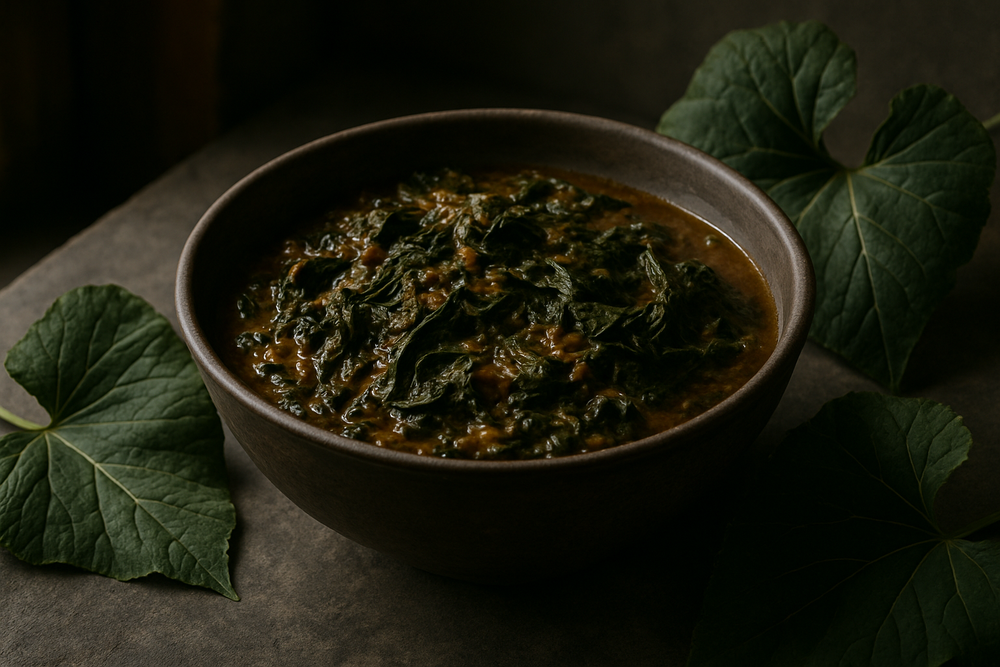
Pumpkin Leaves · Photograph
Discover the health benefits of pumpkin leaves (ugu/efo ugwu), including pumpkin leaves nutrition facts, their role in bone health, immune support, and anti-inflammatory properties, plus how to cook them safely for West African soups.
Key Nutrients
% Daily Value based on 2,000 cal diet
Key active compounds in fluted pumpkin leaves
- Carotenoids (including beta-carotene): Pigmented antioxidant compounds found in green and orange plants. The body can convert beta-carotene into vitamin A, which supports vision, immune function, and skin integrity. Pumpkin leaves are considered a rich carotenoid source compared with many leafy greens.
- Polyphenols and flavonoids: Plant secondary metabolites with antioxidant and possible anti-inflammatory properties. Studies on pumpkin leaf extracts report strong free-radical-scavenging (antioxidant) activity, largely attributed to these compounds.
- Saponins: Glycosides (sugar-linked compounds) that produce a soap-like foam in water. Found in many leafy vegetables and legumes, they may influence cholesterol metabolism.
- Tannins: Polyphenolic compounds that can bind proteins and reduce mineral absorption. Measured levels in young pumpkin leaves are below typical toxicity thresholds and are reduced further by cooking.
- Cyanogenic glycosides: Compounds that can release trace hydrogen cyanide when broken down. Young pumpkin leaves contain these below toxic thresholds, and thorough cooking reduces them further — another reason the "cook thoroughly" guideline matters.
- Vitamin C: A water-soluble antioxidant important for immune defenses, collagen production, and iron absorption enhancement.
Is fresh, frozen, or dried pumpkin leaf best? A buying guide
Fresh young leaves and vine tips: The gold standard for flavor and vitamin C content. Look for bright green, unblemished leaves with no yellowing. The younger the leaf, the less fibrous and bitter. Use within 2–3 days of purchase, or blanch and refrigerate.
Frozen pumpkin leaves (ugu): Widely available in African and Caribbean grocery stores in the diaspora. Freezing locks in minerals and many antioxidants. Vitamin C will be somewhat lower than fresh. Frozen is a practical, nutritionally solid choice — thaw in a strainer and squeeze out excess water before adding to soup.
Dried leaf flakes or powder: A shelf-stable option good for dry-season cooking or pantry stocking. Drying concentrates minerals and some phytochemicals but reduces vitamin C significantly. Check labels for added salt or preservatives, especially if you're watching sodium intake.
Supplement extracts: Capsule or liquid extracts of Telfairia occidentalis are available online. These are not the same as food — they use concentrated extracts studied in labs at doses not validated in humans. There are no established safe or effective supplemental doses from human trials. Stick to the food form unless your healthcare provider advises otherwise.
Label tip: When buying packaged frozen or dried ugu, look for a single ingredient — "pumpkin leaves" or "Telfairia occidentalis." Avoid products with long additive lists unless you know what each ingredient is.
What form of pumpkin leaves gives you the most nutrition? How to cook ugu and efo ugwu
The best cooking method balances anti-nutrient reduction with nutrient preservation:
- De-string the stems first. The fibrous strings running along mature stems can be tough and slightly bitter. Pinch the stem end and pull downward to remove them before chopping. Young vine tips rarely need de-stringing.
- Wash thoroughly. Rinse leaves under cold running water two or three times to remove soil and any surface residue.
- Add late in the cooking process. In ugu soup or efo riro, most cooks add the chopped leaves in the final 5–10 minutes of simmering. This is actually ideal for nutrition — it reduces anti-nutrients while keeping the leaves from becoming mushy and over-cooked, which would degrade more heat-sensitive vitamins.
- Blanching: If serving as a side vegetable rather than in soup, blanch briefly (2–3 minutes in boiling water, then drain) to soften, reduce bitterness, and lower anti-nutrient levels while preserving more vitamin C than long simmering would.
- Discard the blanching water if you are concerned about anti-nutrients like tannins; for soup, the reduced levels in thoroughly simmered leaves are considered safe within typical serving sizes.
- Dried flakes: Rehydrate in the soup base or reconstitute in warm water before adding to dishes.
Prep and pairing ideas
Classic ugu soup (Nigerian ofe ugwu): Simmer locust beans, crayfish, palm oil, and onions, then add stockfish, fresh fish, or chicken. Stir in de-strung, chopped pumpkin leaves in the last 5–8 minutes. Serve with pounded yam, eba, or rice. The combination of pumpkin leaves and tomatoes (often added to the base) provides both iron and vitamin C — the vitamin C helps your body absorb the non-haem iron from the leaves.
Efo riro (Yoruba spinach stew): A tomato-and-pepper base with assorted meats and iru (fermented locust beans). Pumpkin leaves can substitute for or complement traditional soko or water leaf. The protein from meat or beans and the mineral richness of the greens create a naturally balanced dish.
Simple blanched side: Blanch young leaves for 2–3 minutes, drain, dress with olive oil, garlic, and lemon juice. The lemon (vitamin C) paired with the iron in the leaves is a nutritional win and makes a fast, clean side dish.
Bottom line
Pumpkin leaves — ugu, efo ugwu, fluted pumpkin leaves — are a genuinely nutrient-dense dark green leafy vegetable with a strong mineral and antioxidant profile. The evidence is clearest for their nutritional composition: meaningful iron, potassium, magnesium, vitamin C, and carotenoids in a low-calorie, affordable package. The research on specific health outcomes — blood health, blood sugar, anti-inflammatory effects — is promising but still mostly in the laboratory and animal stage. That does not make them less valuable as food; it means the wisest framing is that they are a great addition to a varied, plant-forward diet rather than a targeted remedy for any single condition.
Cook them thoroughly, vary your leafy greens, and enjoy them the way they have been enjoyed for centuries — in a rich, warming soup that feeds whole families.
Explore dark green vegetables and how they fit into a balanced eating plan at Plantopedia's goals hub.
How Pumpkin Leaves Compares
| Compared with | What's different |
|---|---|
| Pumpkin Leaves vs. Spinach | Pumpkin leaves contain nearly five times more iron per serving than spinach. |
| Pumpkin Leaves vs. Kale | Pumpkin leaves have a rougher, fuzzy texture and require longer cooking than kale. |
Health Benefits
Things to Know
Potassium load: Pumpkin leaves are relatively high in potassium. People with chronic kidney disease (CKD) or on potassium-restricted diets should moderate intake and consult a dietitian, as excess potassium can be harmful when kidneys cannot filter it efficiently.
Warfarin and anticoagulants: Dark green leafy vegetables are generally rich in vitamin K, which counteracts vitamin K-antagonist anticoagulants like warfarin. Sudden large increases in leafy green intake can raise your INR (a measure of blood clotting time). If you take warfarin, maintain a consistent intake pattern rather than eating large amounts infrequently — and let your prescriber know about your dietary habits.
Potassium-sparing diuretics: Medications like spironolactone already increase potassium retention; adding a high-potassium food in large portions could push levels higher. Discuss with your doctor.
Kidney stones (oxalate type): Like many leafy greens, pumpkin leaves may contain oxalates. People prone to calcium-oxalate kidney stones are generally advised to moderate high-oxalate greens and stay well hydrated; specific oxalate data for pumpkin leaves are limited, but variety and moderation are sensible.
Pregnancy: The iron and folate in dark leafy greens are particularly valuable during pregnancy, and pumpkin leaves cooked thoroughly in soups are a traditional maternal food in West Africa. However, always follow your midwife or obstetrician's dietary guidance during pregnancy.
Young children: Introduce well-cooked, finely chopped pumpkin leaves gradually. Very high-fiber intakes from multiple sources at once can cause digestive discomfort in small children.
Cucurbit allergy: People with known allergies to related plants (certain squashes or melons) should introduce pumpkin leaves cautiously and watch for any reaction, though documented leaf-specific allergies are rare.
Anti-nutrients: Raw or undercooked pumpkin leaves contain higher levels of tannins and cyanogenic glycosides. Always cook thoroughly — this is not optional for regular consumption.
Glossary
Shop This Ingredient
Stock your pantry with quality pumpkin leaves.
Buy on AmazonAs an Amazon Associate, Plantopedia earns from qualifying purchases. This costs you nothing extra and helps us keep the encyclopedia free.
Frequently Asked Questions
A quick note before diving in: the vast majority of research on Telfairia occidentalis uses laboratory extracts and animal models, not human clinical trials. Where human evidence exists, it is mostly observational or from traditional-use documentation. That means the benefits described below are plausible and supported by composition data and early science, but they have not been confirmed in large human studies. "May support" and "research suggests" are the honest language here. Heart and circulation Pumpkin leaves are naturally low in fat and provide potassium (800 mg per cooked cup), magnesium, fiber, and antioxidants — a nutrient combination associated with healthier blood pressure and cardiovascular profiles in the broader research on plant-rich diets. No human trial has directly linked eating pumpkin leaves to reduced heart attack risk or lower blood pressure readings, but as a dark green leafy vegetable, they slot easily into the kind of dietary pattern (like DASH or Mediterranean) that research consistently links to better heart health. Digestive health and microbiome Pumpkin leaves provide dietary fiber, which contributes to stool bulk and supports regular bowel movements. They have not been tested in clinical trials for constipation or gut microbiome outcomes specifically, but their fiber content — combined with a range of polyphenols that some gut bacteria feed on — positions them as a reasonable addition to a gut-friendly diet. Cooking the leaves in soups means most people consume them with liquid, which also aids digestion. Blood sugar and metabolism Several animal studies report that pumpkin leaf extracts may improve glycemic control (blood sugar regulation) and protect pancreatic beta-cells (the cells that produce insulin). These are early, promising findings, but the extracts used are concentrated far beyond what you would get from a normal serving of soup. There are currently no well-controlled human trials on pumpkin leaves and blood sugar. The leaves' fiber content and low caloric density do, however, make them a sensible part of a blood-sugar-friendly meal. Inflammation and antioxidant defense In laboratory and animal research, pumpkin leaf extracts consistently show strong antioxidant (free-radical-neutralizing) activity and reduced markers of oxidative stress. Oxidative stress is the cellular damage linked to chronic inflammation, aging, and many diseases. The carotenoids, polyphenols, vitamin C, and vitamin E present in the leaves all contribute to this antioxidant profile. Whether eating pumpkin leaves regularly leads to measurable reductions in inflammation markers in healthy humans is not yet known — but the nutrient combination is the same one that earns dark leafy greens their anti-inflammatory reputation across dietary research. Bone health and blood support Pumpkin leaves contribute minerals relevant to bone metabolism: magnesium (a cofactor in bone matrix formation), manganese (involved in antioxidant enzymes and bone development), zinc, and likely calcium. They also supply iron (15.6 mg per cooked cup in some analyses), which underpins their traditional reputation as a "blood tonic" — a food used to support recovery after illness or blood loss. Animal studies do support hematinic effects (hemoglobin and red blood cell support) from leaf extracts. Human clinical trial data are lacking, but the mineral profile is genuinely strong for a leafy green. Immune support The combination of vitamin C, carotenoids (precursors to vitamin A), iron, and zinc in pumpkin leaves covers several key micronutrients that the immune system depends on. Vitamin C supports the production and function of white blood cells. Vitamin A maintains the integrity of mucous membranes — the body's first barrier against pathogens. Iron and zinc are required for immune cell development. Pumpkin leaves have not been tested as an immune therapy in clinical trials, but as a regular part of a varied diet they contribute meaningfully to these immune-relevant nutrient intakes.
People looking to diversify their leafy green intake If your vegetable rotation relies heavily on spinach or kale, ugu and efo ugwu offer a different flavour profile and nutrient fingerprint. Their high iron and potassium content is particularly relevant for those eating mostly plant-based diets, where these nutrients can be harder to obtain in quantity. The traditional soup format means you also consume the cooking liquid, capturing water-soluble nutrients. Families cooking West African and diaspora cuisines Ugu soup and efo riro are already familiar, nutrient-rich staple dishes — understanding the nutritional case for them can reinforce their place in a healthy weekly meal plan. Young children can be introduced to well-cooked, finely chopped pumpkin leaves gradually; the fiber and iron content supports healthy growth when variety is maintained. Pregnant women should consult their midwife or doctor — the iron and folate in dark leafy greens can be valuable during pregnancy, but portion sizes and food safety (thorough cooking) matter.
There is no established clinical dose for pumpkin leaves from human trials — they are food, not a medicine, and there is no single "correct" amount. As a practical guide based on their traditional use and nutritional profile: ½ to 1½ cups cooked pumpkin leaves per serving (roughly 50–150 g of fresh young leaves before cooking) is the typical range in West African soups and stews. Eating a serving several times per week — as part of a varied vegetable intake — is consistent with healthy dietary patterns and general guidance to eat a variety of dark green vegetables regularly. Start lower if you are new to them (or new to high-fiber leafy greens in general) and build up gradually to avoid digestive discomfort. If you are in a caution group (see above), work with your healthcare provider to determine what's right for your situation — particularly regarding potassium intake or anticoagulant management. Large daily quantities (multiple cups daily as a primary health intervention) are not validated by evidence and could increase potassium or oxalate intake to levels that are problematic for some people.
Quick Answers
Common questions, answered in a line.
Fresh young pumpkin leaves and vine tips are considered the gold standard for flavor and vitamin C content. While frozen leaves are a practical choice that locks in minerals, fresh leaves should be used within 2–3 days of purchase to ensure the highest nutritional quality.
You should cook pumpkin leaves thoroughly to reduce anti-nutrients like tannins and cyanogenic glycosides to safe levels. Adding chopped leaves in the final 5–10 minutes of simmering a soup is ideal for reducing these compounds while preserving heat-sensitive vitamins.
To prepare pumpkin leaves, you should first de-string the stems by pulling the fibrous strings downward, then wash the leaves thoroughly under cold water. If you are not making soup, blanch the leaves for 2–3 minutes in boiling water and discard the water to further reduce bitterness.
Pumpkin leaves are a rich source of carotenoids, polyphenols, vitamin C, iron, potassium, and magnesium. They also contain flavonoids and saponins, which contribute to their antioxidant and anti-inflammatory properties.
People with chronic kidney disease (CKD) or those on potassium-restricted diets should moderate their intake because pumpkin leaves are relatively high in potassium. Additionally, because they are rich in vitamin K, individuals taking anticoagulants like warfarin should maintain a consistent intake to avoid affecting blood clotting time.
Pairing pumpkin leaves with vitamin C-rich foods, such as tomatoes or lemon juice, helps the body better absorb the non-haem iron found in the leaves. In traditional dishes like Nigerian ofe ugwu, the combination of tomatoes and greens creates a nutritional synergy for iron absorption.
For Readers in the USA
Local context — sourcing, seasonality, and regional notes.
In the United States, you can find fresh or frozen pumpkin leaves (ugu) at West African, Caribbean, and international grocery stores, particularly in cities like Houston, Atlanta, and New York. While rarely found in major chains like Kroger or Safeway, they are increasingly available through specialized online produce delivery services that cater to immigrant communities.
The growing season for pumpkin leaves in the US typically spans from late spring through early autumn, as the vines require warm soil and a frost-free environment. Farmers in USDA zones 7 through 10, including states like Georgia, Florida, and California, often harvest these greens through the peak of summer when heat-loving varieties thrive.
In the US, "pumpkin leaves" usually refers to the foliage of the common field pumpkin (Cucurbita pepo), whereas "ugu" refers specifically to the fluted pumpkin (Telfairia occidentalis) common in Nigerian cuisine. While both are edible, the fluted pumpkin leaf is more prized for its texture and nutritional density in West African recipes.
When buying packaged pumpkin leaves in the US, look for the USDA Organic seal to ensure they were grown without synthetic pesticides or fertilizers. The FDA regulates these leaves as a "specialty green," meaning they must meet standard food safety guidelines regarding cleanliness and labeling, especially when sold in frozen or dried forms.
AI Clinical Review
- Clearly explains what pumpkin leaves are and how they’re traditionally prepared, with practical cooking tips that align with nutrient preservation (add late, brief blanching) and safety (cook thoroughly).
- Accurately frames them as nutrient-dense greens rich in potassium, magnesium, vitamin C, carotenoids, and plant (non‑heme) iron, without claiming they’re a cure-all.
- Correctly notes that vitamin C–rich ingredients (e.g., tomatoes, citrus) enhance absorption of non‑heme iron.
- Places pumpkin leaves within healthy dietary patterns (e.g., plant-forward, DASH/Mediterranean), which is evidence-consistent for cardiometabolic health.
- Most health claims (blood building/hematinic, glycemic control, anti-inflammatory effects) come from concentrated extracts and animal studies; human food-based trials are scarce.
- Reported iron values vary widely by leaf maturity, growing conditions, and cooking; bioavailability is modest and the clinical impact on anemia is unproven.
- No randomized trials directly link pumpkin leaf intake to lower blood pressure, improved lipids, or reduced inflammatory markers; benefits are inferred from overall nutrient patterns.
- Limited data on real-world oxalate levels and cyanogenic glycosides after home cooking; more food-form analyses would strengthen guidance.
- Practical intake: about 1/2–1 1/2 cups cooked per serving, several times per week, fits well within varied vegetable goals; increase gradually if you’re new to high-fiber greens.
- Who should check with a clinician: people with chronic kidney disease or on potassium restriction/potassium‑sparing diuretics; those taking warfarin (keep vitamin K intake consistent); individuals with calcium‑oxalate kidney stones; pregnant people (safe when thoroughly cooked, but follow individualized advice).
- Form matters: fresh retains the most vitamin C; frozen preserves minerals and many antioxidants; dried loses most vitamin C. Avoid concentrated supplements/extracts—no established safe or effective human dose.
- Safety tips: always cook (reduces anti‑nutrients), de‑string mature stems, and be mindful of portion size if sensitive to potassium or with cucurbit (squash/melon) allergies.
De-string tough stems; cook thoroughly.
References
- USDA MyPlate — Vegetable Group guidance (myplate.gov)
- Compositional and nutritional analysis of Telfairia occidentalis leaves (scispace.com)
- Nutrient and anti-nutrient composition of ugwu leaves (jsaer.com)
- PROTA4U monograph on Telfairia occidentalis (prota.prota4u.org)
- Effect of cooking methods on nutritional composition of T. occidentalis leaves (wjarr.com)
- Biochemical, nutritional, and haematological implications of T. occidentalis — animal study (academicjournals.org)
- Food applications of T. occidentalis as a functional ingredient — review (foodsciencejournal.com)
- Pharmacological and biological activities of T. occidentalis — review (worldnewsnaturalsciences.com)
- Ethnomedicinal validation of T. occidentalis leaf — recent review (pmc.ncbi.nlm.nih.gov)
- Antioxidant properties of T. occidentalis leaves — phytochemical analysis (article.sapub.org)
Know Your Numbers
Eating healthy is a start. Now get to know your biomarkers.
Food changes bloodwork — inflammation, lipids, blood sugar and nutrient status all respond to what you eat. 59 markers from $59.
- Results in 7–10 days at 2,000+ Quest sites
- Licensed provider reviews every result
- One flat price, no membership, HSA/FSA eligible
Educational information only, not medical advice. Panels are ordered and reviewed through our licensed partner; Plantopedia may earn a commission.