Malabar Spinach — health benefits and uses
Used in Ayurvedic and Southeast Asian cooking as a cooling summer green.
The Short Answer
Malabar spinach is a tropical climbing vine known for its succulent leaves and natural thickening properties. It provides 50 mcg of folate and 19 calories per 100g serving, making it a nutrient-dense choice for curries and soups.

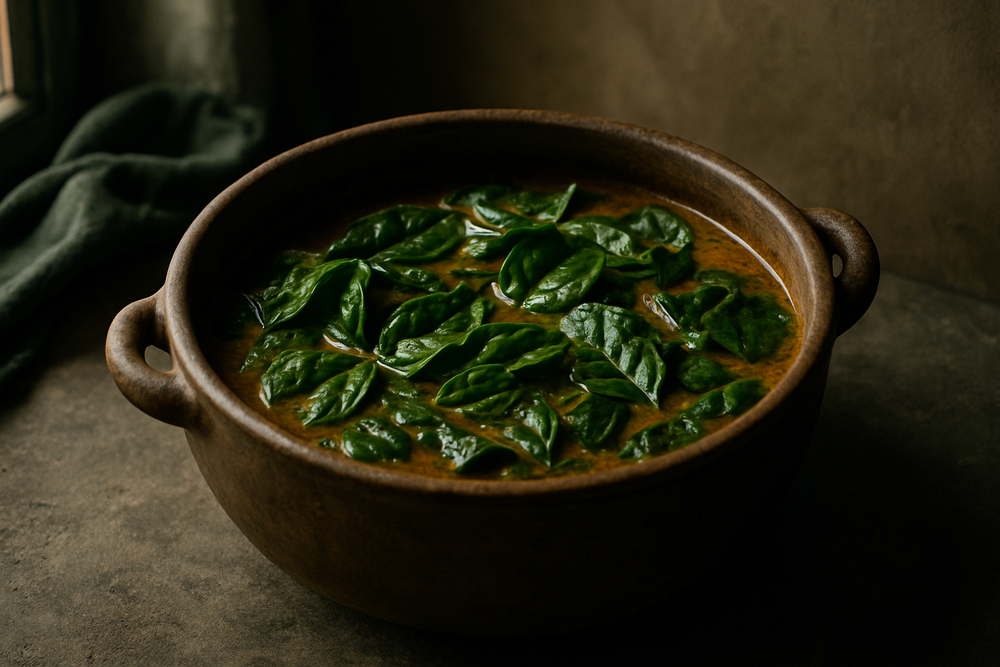
Malabar Spinach · Photograph
Discover the Malabar spinach health benefits and side effects in one clear, evidence-aligned guide. Learn about its nutrition facts, oxalate content, bone health support, digestive properties, and how to cook it safely in South Asian curries and everyday meals.
Key Nutrients
% Daily Value based on 2,000 cal diet
Key active compounds in Malabar spinach
- Provitamin A carotenoids (including beta-carotene): Plant pigments the body can convert into vitamin A; they also act as antioxidants, helping to neutralize harmful free radicals (unstable molecules that can damage cells).
- Vitamin C (ascorbic acid): A water-soluble antioxidant that supports immune cell function, collagen (the structural protein in skin and connective tissue) synthesis, and the absorption of plant-based iron.
- Folate (vitamin B9): Essential for DNA synthesis, red blood cell formation, and one-carbon metabolism (a set of biochemical reactions involved in cell repair and growth).
- Mucilage (soluble polysaccharides): Viscous, gel-forming soluble fibers that give the leaves their characteristic slippery texture and may have a soothing effect in the gut.
- Phenolic compounds / polyphenols: A broad class of plant antioxidants with potential vascular and metabolic roles; the specific phenolics in Malabar spinach are not yet fully characterized in published research.
- Chlorophyll: The green pigment responsible for photosynthesis; chlorophyll-rich greens supply magnesium and may have minor antioxidant properties.
- Dietary fiber: A modest but meaningful contribution to daily fiber intake, supporting stool bulk and microbiome (the community of microorganisms living in the gut) diversity.
Prep and pairing ideas
Malabar spinach is refreshingly versatile once you understand how its texture works. The key insight: the mucilage is not a flaw — it is a feature. Think of it like okra; it thickens liquids and adds body to dishes.
Classic South Indian–style curry: Sauté mustard seeds, curry leaves, onion, garlic, and green chilli in a little oil. Add chopped Malabar spinach leaves and stems, stir well, add a splash of water, cover, and cook for 5–7 minutes. Finish with a squeeze of lemon (the vitamin C also helps your body absorb the plant iron). Serve over brown rice or with roti.
Quick garlic stir-fry: Heat a wok on high. Add garlic, ginger, and a pinch of red pepper flakes. Toss in whole young leaves for 2–3 minutes. Season with soy sauce or tamari and sesame oil. The leaves stay bright and hold their shape.
Thickening agent in dal (lentil stew): Stir a handful of chopped Malabar spinach into a simmering masoor or toor dal in the last 10 minutes of cooking. The mucilage naturally enriches the texture of the stew without any added starch or cream.
Common pairings and why they work
- Lentils (dal): Lentils supply plant protein and non-heme iron; the vitamin C in Malabar spinach (especially if lemon is added) enhances iron absorption from both foods — a classic nutritional pairing in South Asian cooking that has real biochemical logic behind it.
- Coconut milk: The fat in coconut milk helps absorb fat-soluble carotenoids (including provitamin A) from the Malabar spinach leaves — fat improves the bioavailability of these compounds, meaning your body absorbs more of them.
- Garlic and ginger: Beyond flavour, garlic and ginger both have well-researched anti-inflammatory compound profiles; combining them with an antioxidant-rich leafy green creates a meal that punches above its weight nutritionally.
Buying guide: finding and storing Malabar spinach
Where to find it:
- South Asian, Southeast Asian, and Caribbean grocery stores often carry fresh Malabar spinach, especially in summer months. Look for it under the names Ceylon spinach, vine spinach, or Malabar greens.
- Farmers' markets in warm regions may stock it in late spring through early autumn.
- Many home gardeners grow it — if you have a sunny outdoor space or balcony, it is one of the easiest tropical greens to grow from seed or cutting.
- Dried or freeze-dried Malabar spinach products exist but are niche; the fresh or home-grown whole-leaf form is the most evidence-aligned choice.
What to look for:
- Choose deep green, glossy, firm leaves without yellowing, wilting, or slimy patches.
- Stems should be firm and not dried out. Younger leaves (smaller, from the growing tips) are more tender for raw use; larger, more mature leaves are better cooked.
- Avoid pre-washed bags if they look wet or condensed — excess moisture accelerates decay.
Storage:
- Wrap loosely in a slightly damp paper towel and store in a produce bag or container in the refrigerator crisper. Use within 3–5 days for best quality.
- Do not wash until ready to use.
- Blanched and frozen Malabar spinach retains nutrients reasonably well for use in cooked dishes; it will be very soft on thawing but works well in soups and curries.
Bottom line
Malabar spinach is a genuinely useful addition to a varied, plant-based diet — particularly for people who live in hot climates, want more leafy greens in summer, or are looking for plant-based sources of calcium, folate, and manganese to support bone health. Its mucilage and fiber make it a digestively interesting green, its low calorie content fits any dietary pattern, and its culinary versatility in South Asian cooking is well established.
The honest caveat: most of its specific health benefit claims are extrapolated from its nutrient content and general leafy-green research rather than Malabar-spinach-specific clinical trials. It is not a medicine, and no single food works in isolation. If you have kidney stones, CKD, or take warfarin, discuss your leafy-green intake with your healthcare provider before adding large amounts of any high-oxalate green.
Used regularly, as one part of a varied, vegetable-rich diet, it is a low-risk, high-upside whole food that earns its place on the plate.
How Malabar Spinach Compares
| Compared with | What's different |
|---|---|
| Malabar Spinach vs. Spinach | Succulent, thicker leaves that release a mucilaginous thickening agent when cooked. |
| Malabar Spinach vs. Arugula | Climbing vine texture with a mild, earthy flavor versus the peppery, mustard-like heat of arugula. |
| Malabar Spinach vs. Swiss Chard | Higher in mucilage (natural thickening fiber) and holds its shape better in high-heat stir-fries. |
Health Benefits
Things to Know
Oxalates and kidney stones: Malabar spinach is moderately high in oxalates. People with a history of calcium-oxalate kidney stones (the most common type) should limit large raw servings and prefer cooked preparations, which reduce soluble oxalate content. Speak to a dietitian if you have recurrent stones.
Chronic kidney disease (CKD): People on a kidney-restricted diet, especially those managing oxalate and potassium intake, should discuss regular consumption of high-oxalate greens with their healthcare provider.
Warfarin and anticoagulants: Like most leafy greens, Malabar spinach likely contains vitamin K. People on warfarin (a blood-thinning medication whose dose is calibrated against vitamin K intake) should keep their leafy-green intake consistent from week to week rather than suddenly increasing or eliminating it. Inform your prescriber if you plan to add it regularly.
Mineral absorption: High oxalate intake can reduce the absorption of calcium and non-heme iron from the same meal. If you are taking calcium or iron supplements, consider spacing them away from large servings of Malabar spinach.
Oral medications: As with other fibrous vegetables, large servings may modestly slow absorption of some oral medications. Space medications from very high-fiber meals if your prescriber has advised this.
Pregnancy: Folate is especially important in early pregnancy; Malabar spinach is a useful folate source. However, it is a food rather than a supplement, so prenatal folate supplementation remains important as recommended by your healthcare provider.
New to high-fiber foods: Introduce gradually if you are not used to mucilaginous or high-fiber greens. Sudden increases can cause temporary gas or loose stools.
Prep Ideas
- — Lentils (dal): Lentils supply plant protein and non-heme iron; the vitamin C in Malabar spinach (especially if lemon is added) enhances iron absorption from both foods — a classic nutritional pairing in South Asian cooking that has real biochemical logic behind it.
- — Coconut milk: The fat in coconut milk helps absorb fat-soluble carotenoids (including provitamin A) from the Malabar spinach leaves — fat improves the bioavailability of these compounds, meaning your body absorbs more of them.
- — Garlic and ginger: Beyond flavour, garlic and ginger both have well-researched anti-inflammatory compound profiles; combining them with an antioxidant-rich leafy green creates a meal that punches above its weight nutritionally.
Shop This Ingredient
Stock your pantry with quality malabar spinach.
Buy on AmazonAs an Amazon Associate, Plantopedia earns from qualifying purchases. This costs you nothing extra and helps us keep the encyclopedia free.
Frequently Asked Questions
Most of the evidence linking Malabar spinach to specific health outcomes is inferred from its nutrient composition and from studies on leafy green vegetables as a category. No large-scale randomized controlled trials (the gold standard for proving cause and effect) have been conducted on Malabar spinach itself. With that context in mind, here is what the research landscape actually looks like. Heart and circulation Malabar spinach contributes potassium, folate, magnesium, and antioxidant vitamins — a nutrient cluster that broader vegetable research consistently links to healthier blood pressure and reduced cardiovascular risk. Potassium, for example, helps counteract the blood-pressure-raising effects of sodium. Folate supports the metabolism of homocysteine (an amino acid that, at elevated levels, is associated with cardiovascular risk). The vegetable is also extremely low in sodium and saturated fat, both of which matter for heart health. That said, the benefit is about the dietary pattern, not Malabar spinach in isolation — no trials have measured its direct effect on blood pressure, cholesterol, or clinical heart outcomes. Digestive health and microbiome The two digestive assets here are fiber and mucilage. Dietary fiber adds bulk to stool, feeds beneficial gut bacteria, and is well-established in human research to support bowel regularity. Mucilage — the same compound that makes okra and aloe vera feel slippery — may coat and soothe the lining of the digestive tract, an effect described in traditional medicine and consistent with how other mucilaginous foods behave, though Malabar-spinach-specific gut trials have not been published. For people prone to constipation, adding a high-water-content, mucilaginous green to soups and curries is a sensible, food-first strategy. Start with smaller servings if you have a sensitive gut, since a sudden increase in fiber or mucilage can cause temporary bloating or loose stools. Blood sugar and metabolism Malabar spinach is a non-starchy vegetable with a very low carbohydrate content (about 1.2 g per cooked cup) and a negligible glycaemic load (the measure of how much a food raises blood glucose, accounting for serving size). Replacing starchy side dishes with Malabar spinach reduces the carbohydrate density of a meal without sacrificing volume, which is a practical strategy for blood sugar management. People taking glucose-lowering medications do not typically need to avoid it, and it counts as a free non-starchy vegetable in most meal-planning frameworks. No Malabar-spinach-specific trials exist on glucose or insulin outcomes. Inflammation and recovery Vitamin A (via carotenoids), vitamin C, folate, and manganese all participate in antioxidant pathways that help the body manage oxidative stress — an imbalance between free radicals and the antioxidants that neutralize them, which is linked to chronic inflammation. Higher overall fruit and vegetable intake is consistently associated with lower markers of inflammation in observational studies. Malabar spinach, as a carotenoid- and vitamin-C-containing leafy green, fits logically into that evidence base. Ingredient-specific anti-inflammatory studies in humans have not been done. Malabar spinach benefits for bone health This is arguably one of Malabar spinach's more distinctive nutritional stories. Per 100 g of cooked leaves, it provides roughly 124 mg calcium, 48 mg magnesium, 0.255 mg manganese, and 114 µg folate — all nutrients with established roles in bone metabolism. Calcium is the structural mineral in bone; magnesium is required for calcium regulation and bone crystal formation; manganese supports the enzymes involved in building bone matrix; and folate participates in the methylation reactions that protect DNA in bone-forming cells. No fracture or bone-density trials exist specifically for Malabar spinach, but its micronutrient profile is genuinely well-matched to bone health compared to many other leafy greens. Important caveat: Malabar spinach also contains oxalates, which can bind calcium in the gut and reduce how much is absorbed. Cooking reduces oxalate content, so cooked Malabar spinach is preferable when bone health is a priority, and pairing it with a varied diet that includes other calcium sources remains important.
Both forms have merit, and the best answer depends on what you are trying to achieve. Raw young leaves preserve more vitamin C and heat-sensitive phytonutrients. They work well in salads, wraps, and as a garnish. However, raw leaves retain higher soluble oxalate levels — estimated at roughly 600–900 mg per 100 g raw in some references — which is a real consideration for kidney stone–prone individuals (see safety section below). Cooked leaves (stir-fried, steamed, sautéed, or braised) have lower vitamin C content because ascorbic acid breaks down with heat, but their soluble oxalate content drops meaningfully with cooking, particularly boiling or steaming. Cooked leaves are also more tender, easier to eat in quantity, and integrate naturally into South Asian curries and soups where the mucilage becomes a sauce-thickening feature rather than a texture surprise. Cooking also concentrates the folate, calcium, and carotenoid content per unit weight as water is lost. Practical guidance: For everyday use, cooked is the safest all-round choice. Young raw leaves in small amounts are fine for most people. If you have a history of kidney stones or are monitoring oxalate intake, stick to cooked servings and avoid large raw portions.
People who struggle to eat enough greens in summer Cool-season leafy greens (spinach, kale, chard) bolt in heat; Malabar spinach thrives. Its mild flavour and mucilaginous texture suit curries, soups, and stir-fries that make vegetables easy to eat in volume. Growing it at home requires minimal space — a trellis, warm sun, and moderate water is enough. People focused on bone health through food Its calcium, magnesium, manganese, and folate profile is unusually well-suited to bone-supporting diets. A good option for people avoiding dairy who want plant-based calcium sources in their rotation. Pairing with vitamin D–rich foods or adequate sun exposure helps the calcium work more effectively.
There is no established therapeutic dose because Malabar spinach is a food, not a supplement. The practical guide is the same as for any leafy green: aim for variety and sensible portions rather than maximizing one vegetable. General population: One to two cups of raw leaves (roughly 30–60 g) or one cup of cooked leaves (44–100 g) per sitting is a typical culinary serving and aligns with USDA MyPlate recommendations to include a variety of vegetables totalling at least 2–3 cups per day across all vegetable types. People monitoring oxalates: A small-to-moderate cooked serving (half a cup to one cup cooked, a few times per week) is a reasonable approach. Boiling and discarding the water reduces soluble oxalate content more effectively than stir-frying. Start low principle: If Malabar spinach is new to your diet, begin with a quarter-to-half cup cooked and increase gradually over one to two weeks to let your gut adapt to the fiber and mucilage. No upper safe limit has been set for this vegetable in healthy individuals eating a varied diet, but extremely large daily quantities of any high-oxalate green are not advisable for anyone with kidney stone history. Looking for guidance on building a balanced plant-based plate around leafy greens like this? Browse the [/goals] section for practical dietary approaches.
Both are leafy greens with overlapping nutritional profiles, but there are meaningful differences worth knowing. | Feature | Malabar spinach | Regular spinach | | --- | --- | --- | | Plant family | Basellaceae (not a true spinach) | Amaranthaceae | | Growing conditions | Tropical vine; loves heat | Cool-season; bolts in summer | | Texture when cooked | Thick, holds shape, slightly mucilaginous | Wilts significantly, soft | | Oxalate level | Moderate-to-high (600–900 mg/100 g raw) | High (750–800 mg/100 g raw) | | Vitamin C (raw) | High | High | | Folate | High per calorie | High per calorie | | Calcium per 100 g | 124 mg (cooked) | 99 mg (raw) | | Best culinary use | Curries, stews, stir-fries | Salads, pasta, quick sautés | Neither is definitively "better" — they are complementary. Using Malabar spinach in summer and regular spinach in cooler months is a practical rotation that keeps your vegetable diet varied.
Quick Answers
Common questions, answered in a line.
Malabar spinach contains mucilage, a viscous, gel-forming soluble fiber that can have a soothing effect on the gut. This unique fiber, along with its dietary fiber content, supports stool bulk and promotes microbiome diversity in the digestive system.
To improve iron absorption from Malabar spinach, pair it with vitamin C-rich foods like lemon juice. This combination is particularly effective because vitamin C helps the body absorb plant-based (non-heme) iron more efficiently.
You can buy Malabar spinach at South Asian, Southeast Asian, and Caribbean grocery stores, or at farmers' markets in warm regions during summer months. It is often sold under names like Ceylon spinach, vine spinach, or Malabar greens.
Malabar spinach helps support bone health because it is a plant-based source of calcium, folate, and manganese. These nutrients are essential components of a diet designed to maintain strong bones.
People with a history of calcium-oxalate kidney stones should limit raw Malabar spinach and prefer cooked versions, as the plant is moderately high in oxalates. Cooking can help reduce the soluble oxalate content that contributes to stone formation.
Store unwashed Malabar spinach loosely wrapped in a slightly damp paper towel inside a produce bag in the refrigerator crisper. When stored this way, it typically maintains its quality for 3 to 5 days.
Yes, you can freeze Malabar spinach by blanching it first to help retain its nutrients. While the leaves will become very soft upon thawing, they remain excellent for use in cooked dishes like soups, stews, and curries.
For Readers in the USA
Local context — sourcing, seasonality, and regional notes.
Malabar spinach thrives during the hot summer months in the United States, typically available from July through September in northern states and longer in the South. Because it is heat-tolerant, it serves as a popular seasonal replacement for common spinach, which often bolts in US summer temperatures.
In the U.S., you can find Malabar spinach at H Mart, 99 Ranch Market, and Patel Brothers, as well as local farmers markets in USDA zones 7 and higher. While rarely stocked at mainstream chains like Kroger or Safeway, it is a staple at specialty Caribbean and Southeast Asian grocers.
Malabar spinach grows as a perennial in USDA Plant Hardiness Zones 10-11 (such as Southern Florida and Hawaii) and as a fast-growing heat-loving annual in most other US regions. It is highly valued by American gardeners in the Deep South because it survives intense humidity that kills traditional greens.
While the FDA does not have specific guidelines for Malabar spinach, consumers should look for the USDA Organic seal to ensure it was grown without synthetic pesticides. Like all leafy greens sold in the US, it should be thoroughly rinsed to mitigate the risk of foodborne illness, as it is often grown in high-moisture environments.
AI Clinical Review
- Clearly distinguishes Malabar spinach from common spinach and explains why it excels in hot weather—useful for gardeners and summer meal planning.
- Accurately frames it as a low‑calorie leafy green rich in folate, calcium, magnesium, manganese, and provitamin A, using USDA data as the anchor.
- Provides balanced guidance on oxalates, including why cooking lowers soluble oxalate and why this matters for people with kidney‑stone history.
- Appropriately notes that most health claims are inferred from nutrient profiles and broader leafy‑green research rather than Malabar‑specific trials.
- Offers practical pairing tips that improve nutrient use (vitamin C boosting iron absorption; dietary fat enhancing carotenoid absorption).
- Digestive “soothing” effects attributed to mucilage are biologically plausible but have limited Malabar‑spinach–specific human data.
- No randomized trials directly test effects on blood pressure, glucose control, inflammation, or bone density/fracture outcomes for this vegetable; benefits are extrapolated from overall vegetable intake.
- Reported oxalate levels and mineral bioavailability can vary by cultivar, maturity, and preparation method, so numerical estimates should be taken as ranges rather than absolutes.
- Vitamin K content is likely meaningful (as with most leafy greens) but not quantified here; implications for anticoagulant dosing rely on general rather than ingredient‑specific data.
- If you’ve had calcium‑oxalate kidney stones or have chronic kidney disease, choose cooked preparations, keep portions moderate, and review your plan with a clinician or dietitian.
- If you take warfarin, keep total leafy‑green (vitamin K) intake consistent week to week and alert your prescriber before making substantial changes.
- Reasonable culinary amounts are about 1 cup cooked per serving; increase gradually if you’re new to mucilaginous or higher‑fiber greens to minimize temporary GI symptoms.
- To avoid reduced mineral absorption, separate large servings from calcium or iron supplements; raw leaves contain more oxalate than cooked leaves.
Contains oxalates; moderate if prone to kidney stones.
References
- USDA FoodData Central — Malabar spinach, cooked (FDCID 169400): Primary nutrient reference for serving-level data (fdc.nal.usda.gov)
- University of Rochester Medical Center — Malabar spinach nutrition facts: Secondary nutrient reference with per-serving breakdowns (urmc.rochester.edu)
- USDA MyPlate — Vegetables group: Federal dietary guidance on vegetable intake and leafy green recommendations (myplate.gov)
- Nutrition-and-you — Basella (Malabar spinach) nutrition and health benefits: Comprehensive nutrient summary with traditional use context (nutrition-and-you.com)
- EatHealthy365 — Health benefits of Malabar spinach: Overview of nutrient-based health claims with oxalate safety discussion (eathealthy365.com)
- Wikipedia — Malabar spinach: Botanical background, cultivation, and nutritional composition summary (en.wikipedia.org)
- MyFoodData — Malabar spinach cooked, nutrition facts: Per-serving macros and micronutrients cross-referenced to USDA data (tools.myfooddata.com)
- Seedmart Australia — How is Ceylon (Malabar) spinach used in cooking?: Culinary uses, South Asian recipe context, and preparation methods (seedmart.com.au)
- The Living Look — Malabar spinach guide: Practical whole-food use, storage, and digestive notes (thelivinglook.com)
- AndraFarm — Malabar spinach cooked, USDA-based nutrient data: Additional per-100 g mineral and vitamin values (m.andrafarm.com)
Know Your Numbers
Eating healthy is a start. Now get to know your biomarkers.
Food changes bloodwork — inflammation, lipids, blood sugar and nutrient status all respond to what you eat. 59 markers from $59.
- Results in 7–10 days at 2,000+ Quest sites
- Licensed provider reviews every result
- One flat price, no membership, HSA/FSA eligible
Educational information only, not medical advice. Panels are ordered and reviewed through our licensed partner; Plantopedia may earn a commission.