Snow Peas — health benefits and uses
Long used in Chinese cooking as a crisp, cooling spring vegetable.
The Short Answer
Snow peas are flat, edible-pod legumes that provide 60 mg of vitamin C and 2.6 grams of fiber per cup. They are best enjoyed raw or flash-cooked for 60–90 seconds to maintain their crisp texture and nutrient profile.
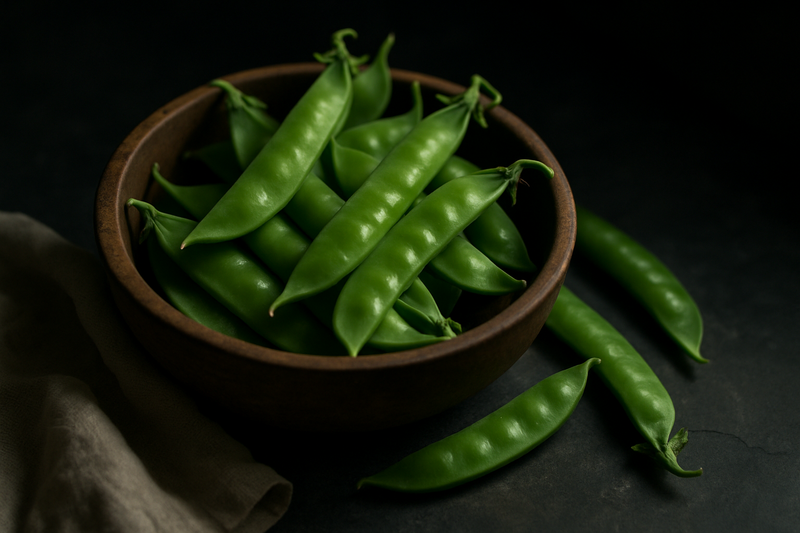
Snow Peas · Photograph
Discover the snow peas health benefits backed by nutrition science — from vitamin C and immune support to fiber, bone health, and blood sugar balance. Includes nutrition facts, prep tips, and safety notes.
Key Nutrients
% Daily Value based on 2,000 cal diet
Key active compounds
Snow peas earn their nutritional reputation from a small collection of well-studied compounds:
- Vitamin C (ascorbic acid): A water-soluble antioxidant (meaning it dissolves in water and protects cells from oxidative damage) that supports the immune system, collagen synthesis in skin and joints, and absorption of non-heme iron from plant foods.
- Vitamin K (phylloquinone): A fat-soluble vitamin required for activating proteins involved in blood clotting and bone mineralization.
- Provitamin A carotenoids (mainly beta-carotene): Pigmented plant compounds that the body can convert into vitamin A, supporting vision, immune barriers, and skin integrity.
- Folate: A B-vitamin critical for DNA synthesis and repair, red blood cell production, and fetal neural tube development in early pregnancy.
- Dietary fiber (soluble and insoluble fractions): Soluble fiber dissolves in water and forms a gel that slows glucose absorption; insoluble fiber adds bulk to stools and supports bowel regularity.
- Polyphenols (flavonoids and phenolic acids): Plant secondary compounds with antioxidant activity that may help reduce oxidative stress — the cellular imbalance linked to chronic inflammation. Human data specific to snow peas are limited.
- Saponins: Bioactive glycosides found in legumes, studied in animal and cell models for potential cholesterol-lowering effects; human evidence specific to snow peas is preliminary.
Prep and pairing ideas
Snow peas are one of the most versatile quick-cooking vegetables in the kitchen. Here are three practical pairings that also make nutritional sense:
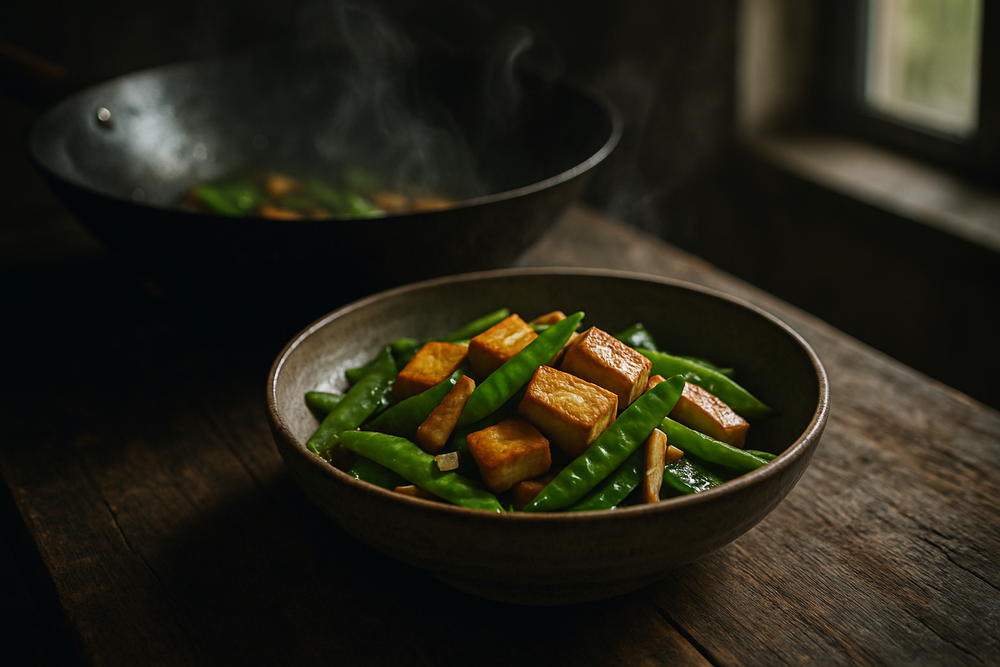
Snow peas + tofu or chicken + ginger-garlic stir-fry The classic combination. Protein from tofu or chicken balances the carbohydrates in the pod, while ginger and garlic add anti-inflammatory polyphenols. Keep the heat high and cook the peas last — 60–90 seconds is all they need. This is the definitive answer to how to cook snow peas in stir fry.
Snow peas + sesame seeds + rice vinegar slaw Raw snow peas sliced thinly, tossed with a splash of rice vinegar, toasted sesame seeds, and a few drops of sesame oil make a crisp side salad. The sesame seeds add healthy fats and calcium; the vinegar may modestly blunt the glycemic response of any carbohydrates eaten alongside.
Snow peas + citrus + salmon Vitamin C from the snow peas (and a squeeze of lemon or lime) enhances iron absorption from the meal and pairs well with omega-3-rich salmon. The fat in salmon also helps absorb the fat-soluble carotenoids in the pods — a pairing that works nutritionally, not just on the plate.
Storage tip: Refrigerate unwashed pods in a loosely sealed bag. Most snow peas stay crisp for 4–5 days. Avoid washing until just before use to prevent premature softening.
Bottom line
Snow peas are a genuinely useful everyday vegetable. They're not a superfood in the marketing sense — no single food is — but they deliver a practical cluster of nutrients (vitamin C, vitamin K, folate, fiber, iron) in a format that's quick to prepare, easy to enjoy raw or cooked, and very safe for most people. The health benefits of snow peas for digestion, immune function, bone health, and blood sugar management are well-supported at the nutrient level, even if snow pea–specific clinical trials are limited.
The most honest summary: if you're trying to eat more vegetables, snow peas are one of the lowest-friction ways to do it. Add them to stir-fries, salads, or snack plates. Keep them in the freezer. Eat them often.
Explore more plant-forward eating ideas at /goals.
How Snow Peas Compares
| Compared with | What's different |
|---|---|
| Snow Peas vs. Sugar Snap Peas | Sugar snaps have thick, rounded pods with sweet peas inside, whereas snow peas are flat with tiny seeds. |
| Snow Peas vs. Garden Peas (English Peas) | Garden peas have tough, fibrous pods that are inedible; snow pea pods are thin and eaten whole. |
Health Benefits
Things to Know
Warfarin or other vitamin K–antagonist anticoagulants: Snow peas contain about 25 µg of vitamin K per 100 g. This isn't a reason to avoid them, but intake should stay reasonably consistent from week to week, since fluctuations can affect how well these medications work. Discuss your green vegetable intake with the clinician managing your anticoagulation.
Legume allergies: Snow peas belong to the same botanical family as peas, lentils, chickpeas, soy, and peanuts. If you have a diagnosed allergy to any of these, cross-reactivity is possible. Speak with an allergist before adding snow peas to your diet.
IBS or fermentable carbohydrate sensitivity: Peas contain fermentable carbohydrates (FODMAPs) that can trigger gas, bloating, or cramping in sensitive individuals. Cooked snow peas in small portions (50–80 g) are often better tolerated than raw or very large servings.
Kidney disease requiring potassium restriction: Snow peas provide 200 mg of potassium per 100 g. This is moderate, but people on potassium-restricted diets prescribed for advanced chronic kidney disease should account for it.
Pregnancy: The folate content is a genuine positive during the periconceptional period and first trimester. Snow peas are safe to eat during pregnancy when washed thoroughly to remove surface bacteria.
Medication absorption: High-fiber meals can modestly slow oral medication absorption in general. If you take time-sensitive medications, spacing them away from very high-fiber meals is prudent — though normal culinary servings of snow peas are unlikely to be a practical concern.
Shop This Ingredient
Stock your pantry with quality snow peas.
Buy on AmazonAs an Amazon Associate, Plantopedia earns from qualifying purchases. This costs you nothing extra and helps us keep the encyclopedia free.
Frequently Asked Questions
The benefits below are grounded in their nutrient profile and in research on vegetables and legumes broadly. Snow pea–specific clinical trials are sparse, so language like "may support" and "research suggests" is used intentionally throughout. Heart and circulation Snow peas are virtually fat-free and provide fiber, potassium, and plant protein — three nutrients associated with healthier blood pressure and lipid profiles in large observational studies of vegetable and legume intake. Dietary fiber, especially the soluble type, can help reduce LDL cholesterol (low-density lipoprotein, often called "bad" cholesterol) by binding bile acids in the gut. At roughly 2.6 g per 100 g, snow peas aren't a fiber powerhouse on their own, but they contribute meaningfully when you're eating a varied plant-rich diet. Think of them as one useful tile in a larger mosaic rather than a single solution. Digestive health and gut support With both soluble and insoluble fiber fractions, snow peas support bowel regularity and stool bulk. A cup of cooked snow peas (160 g) contributes around 4–5 g of fiber toward the 25–38 g adults are advised to aim for daily. Mechanistic research on dietary fiber also suggests that plant fibers can feed beneficial gut bacteria, which produce short-chain fatty acids — compounds that help maintain a healthy gut lining — though this hasn't been tested with snow peas specifically. If you have a sensitive digestive system or irritable bowel syndrome (IBS), start with small cooked portions; raw or large servings can cause gas or bloating in some people. Blood sugar and metabolism Snow peas are a non-starchy vegetable, meaning their carbohydrate load (7.6 g per 100 g) is modest and their glycemic impact (the speed at which a food raises blood sugar) is low compared with bread, rice, or dried legumes. The fiber content slows glucose absorption further. Research on legume- and vegetable-rich diets consistently shows improvements in postprandial (after-meal) blood glucose and insulin responses. Snow peas are often eaten alongside protein and other vegetables in stir-fries, a meal structure that naturally slows digestion. For people managing type 2 diabetes, this profile makes snow peas a practical and are snow peas low carb and diabetes friendly — yes, reasonably so — though they shouldn't replace individualized dietary guidance. Inflammation and recovery Snow peas supply three nutrients with roles in antioxidant defense: vitamin C, provitamin A carotenoids, and the polyphenols mentioned above. Diets rich in colorful vegetables are consistently linked to lower circulating levels of C-reactive protein (CRP) — a blood marker of systemic inflammation — in observational research. Direct evidence from snow pea intervention trials is currently lacking, but including them in a varied vegetable intake is a reasonable strategy for supporting overall antioxidant status. Immune support and bone health The snow peas vitamin C and immune support connection is straightforward: vitamin C is required for the function of multiple immune cell types and is used up quickly during infection. At 60 mg per 100 g — about two-thirds of the adult daily target in a single serving — snow peas are one of the more efficient vegetable sources. For snow peas vitamin K and bone health, the story is also well-established at the nutrient level: vitamin K activates osteocalcin, a protein embedded in bone matrix. Getting consistent dietary vitamin K from green vegetables like snow peas is associated with better bone mineral density in observational studies, though supplementation trials show mixed results for fracture prevention.
There's no single best form; each suits a different situation. Raw snow peas preserve the most vitamin C, since this water-soluble vitamin degrades with heat. They're crunchy, slightly sweet, and perfectly safe for most people — yes, are snow peas safe to eat raw is a common question, and the answer is yes for the vast majority of healthy adults. Wash them well and snap off the fibrous string. Lightly cooked (stir-fried or steamed) is the most common approach, and a good one. A 60–90-second toss in a hot pan or a 2-minute steam retains most of the nutrients while making the pods slightly easier to digest. Overcooking turns them grey and mushy and does reduce heat-sensitive vitamins more substantially — keep the heat high and the time short. Frozen snow peas are blanched before freezing, which locks in nutrients. Studies on frozen vegetables generally show nutrient profiles close to fresh, with minor losses in vitamin C. They're a practical pantry staple for weeknight cooking. Mixed frozen stir-fry blends containing snow peas are convenient and nutritionally decent. Just check labels for added sodium or sauces, which can offset the vegetable's inherently low-sodium profile.
There's no established therapeutic dose for snow peas — they're a food, not a supplement. Practical guidance aligns with general vegetable intake targets: General adult target: 2½–3 cups of vegetables per day (USDA Dietary Guidelines). Snow peas can reasonably contribute ½–1½ cups (roughly 80–150 g) of that total. Culinary range: Most recipes call for 100–160 g per person per serving, which is a sensible starting point. If you're new to high-fiber vegetables or have a sensitive gut: Start with 50 g (about ¾ cup of whole pods) cooked, and increase gradually over a couple of weeks to allow your gut microbiome to adjust. No upper limit has been established for healthy adults eating snow peas as food. Eating them daily as part of a varied diet is entirely reasonable. Variety matters more than quantity with any single vegetable. Eating a range of colorful vegetables across the week is more strongly linked to health outcomes than maximizing any one food.
The time-pressed home cook Needs fast, nutritious weeknight options. Snow peas require no peeling, minimal chopping, and cook in under 2 minutes. Frozen bags mean you always have a vegetable ready, no planning required. Someone focused on weight management Looking for high-volume, low-calorie foods to build satisfying meals. At 42 kcal per 100 g and 89% water, snow peas add bulk without adding meaningfully to calorie totals. Their fiber and protein content supports satiety better than refined carbohydrates of similar caloric value.
Quick Answers
Common questions, answered in a line.
Snow peas are rich in Vitamin C, Vitamin K, Provitamin A carotenoids, folate, and dietary fiber. They also contain bioactive compounds like polyphenols and saponins, which are studied for their antioxidant and cholesterol-lowering potential.
Snow peas support bone health primarily through their Vitamin K content, which is essential for activating proteins involved in bone mineralization. Maintaining a consistent intake of this fat-soluble vitamin helps the body regulate calcium and maintain skeletal integrity.
Snow peas are generally safe during pregnancy and provide folate, a B-vitamin critical for DNA synthesis and fetal neural tube development. To ensure safety, always wash the pods thoroughly to remove any surface bacteria before eating.
The best way to cook snow peas in a stir-fry is to add them last and cook them for only 60 to 90 seconds over high heat. This quick-cooking method preserves their crisp texture and protects heat-sensitive nutrients like Vitamin C.
Snow peas help manage blood sugar because they contain soluble fiber, which forms a gel that slows the absorption of glucose. Additionally, pairing them with rice vinegar in a slaw may modestly blunt the glycemic response of the meal.
To keep snow peas crisp, store unwashed pods in a loosely sealed bag in the refrigerator for 4 to 5 days. Avoid washing the peas until you are ready to use them, as excess moisture can cause them to soften prematurely.
People taking Warfarin or other vitamin K-antagonist anticoagulants should maintain a consistent weekly intake of snow peas because their vitamin K content can affect how these medications work. Consult with a clinician to manage your intake of green vegetables.
For Readers in the USA
Local context — sourcing, seasonality, and regional notes.
Snow peas are a cool-season crop primarily grown in California, which produces the majority of the U.S. supply year-round, and in home gardens across USDA zones 3–9 during spring and fall. While California provides a steady commercial supply, they are most abundant in local farmers markets from April through June.
You can find snow peas year-round at major U.S. grocery chains like Kroger, Safeway, and Whole Foods, typically sold in the refrigerated produce section in pre-packaged bags or bulk bins. Many retailers also carry USDA-certified organic options, and they are a staple in Asian-American supermarkets like H Mart or 99 Ranch Market.
While snow peas and snap peas are both edible-pod peas, snow peas have flat, thin pods with tiny seeds, whereas sugar snap peas are a cross between snow and garden peas with plump, rounded pods. In U.S. cooking, snow peas are preferred for high-heat stir-frying, while snap peas are often marketed as a crunchy, stand-alone snack.
AI Clinical Review
- Clearly explains that snow peas are a low‑calorie, non‑starchy vegetable with meaningful vitamin C, vitamin K, folate, iron, and fiber—accurately reflecting USDA-based data.
- Frames benefits appropriately as nutrient‑driven (immune support from vitamin C, bone metabolism from vitamin K, digestive support from fiber) and as part of an overall healthy pattern, not a standalone cure.
- Offers practical cooking guidance (brief stir‑fry/steam to preserve nutrients; frozen is a solid option) and notes that raw is safe for most people.
- Provides realistic portions aligned with general vegetable targets and emphasizes convenience, which matters for adherence.
- Direct human trials on snow peas themselves are limited; many claimed benefits are inferred from broader vegetable/legume research rather than snow pea–specific studies.
- The roles of polyphenols and saponins in typical snow pea servings (amounts, absorption, and clinical impact) are not well quantified in humans.
- Vitamin K and bone outcomes: observational links exist, but intervention trials show mixed effects on fractures; snow peas likely make a modest contribution compared with darker leafy greens.
- Gut microbiome and inflammation benefits are plausible via fiber, but snow pea–specific data on short‑chain fatty acids or inflammatory markers are sparse.
- If you take warfarin or another vitamin K–antagonist, keep intake of vitamin K–rich foods like snow peas consistent and coordinate with your clinician.
- People with legume allergies (peas, peanuts, soy, lentils, chickpeas) should consider possible cross‑reactivity and consult an allergist before adding snow peas.
- For IBS or FODMAP sensitivity (fermentable carbs that can cause gas/bloating), start with small cooked servings and increase gradually as tolerated.
- Those on potassium‑restricted diets for chronic kidney disease should account for the moderate potassium content; individuals using glucose‑lowering medications should monitor sugars when making broader dietary changes.
Very safe.
References
- USDA FoodData Central — Peas, edible-podded, raw (nutrition data source for this page) (fdc.nal.usda.gov)
- USDA MyPlate — Vegetables Group (public health vegetable intake guidance) (myplate.gov)
- Medical News Today — Peas: Nutrition, benefits, types, and more (overview of pea nutrition and broader health evidence) (medicalnewstoday.com)
- Healthline — Snow Peas vs Sugar Snap Peas: What's the Difference? (practical comparison of pod pea types) (healthline.com)
- Aprifel — Snow pea nutritional sheet (European produce nutrition database) (aprifel.com)
- Nutrition-and-you.com — Snow peas: Nutrition facts and health benefits (micronutrient breakdown aligned with USDA) (nutrition-and-you.com)
- Netmeds Health Library — Snow Peas: Nutrition, Health Benefits, Uses, Recipe and Side Effects (safety and use overview) (netmeds.com)
- MyFoodData — Nutrition Facts for Raw Snow Peas (USDA-based) (per-serving nutrient calculator) (tools.myfooddata.com)
- Upland USD — Fresh Snow Peas Fact Sheet (PDF) (school nutrition / public education resource) (district.schoolnutritionandfitness.com)
- Taylor Farms — Snow Peas Product Nutrition Facts (commercial label reference for frozen/packaged form) (taylorfarms.com)
Know Your Numbers
Eating healthy is a start. Now get to know your biomarkers.
Food changes bloodwork — inflammation, lipids, blood sugar and nutrient status all respond to what you eat. 59 markers from $59.
- Results in 7–10 days at 2,000+ Quest sites
- Licensed provider reviews every result
- One flat price, no membership, HSA/FSA eligible
Educational information only, not medical advice. Panels are ordered and reviewed through our licensed partner; Plantopedia may earn a commission.