Escarole — health benefits and uses
A traditional bitter green for the liver in Mediterranean folk cooking.
The Short Answer
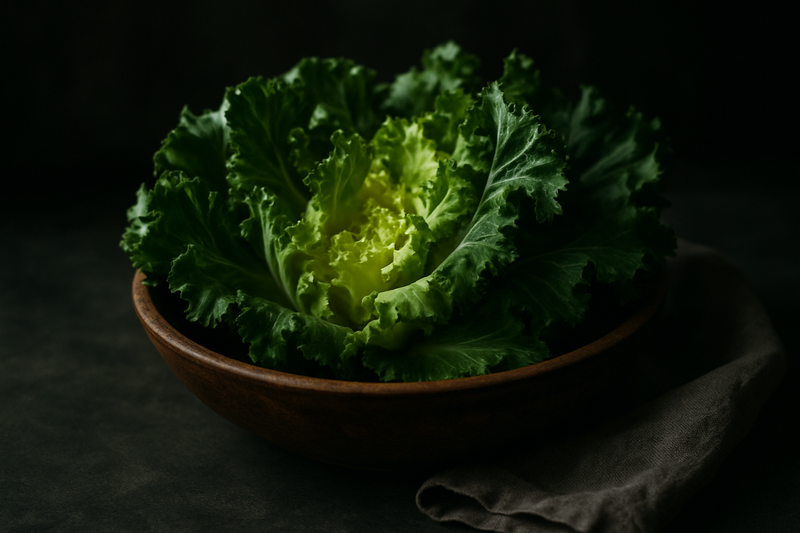
Escarole is a hardy, broad-leafed chicory known for its mild bitterness and exceptional vitamin K content, providing over 250% of the daily value per 2-cup serving. It is a staple in Italian cuisine, particularly in white bean soups and garlic sautés.
Escarole · Photograph
Discover escarole health benefits and nutrition facts, from its impressive vitamin K and folate content to its role in heart health, digestion, and more. Learn how to use this broad-leaf chicory every day, who should be cautious, and what the science actually supports.
Key Nutrients
% Daily Value based on 2,000 cal diet
Key active compounds in escarole
Escarole's health-supporting properties come from a combination of vitamins, minerals, and plant compounds working together. Here is what the research highlights:
- Carotenoids (beta-carotene, lutein, and related pigments): Fat-soluble antioxidant pigments that give escarole's outer leaves their deep green color. Beta-carotene converts to vitamin A in the body; lutein is associated with eye and retinal health.
- Polyphenols and flavonoids: Broad classes of plant compounds with antioxidant and anti-inflammatory properties, studied extensively in leafy greens and chicory-family plants. They may help protect cells from oxidative damage and support cardiovascular health.
- Bitter sesquiterpene lactones: The compounds responsible for escarole's characteristic mild bitterness. Traditional herbalism links these chicory-family molecules to digestive stimulation and liver support, though rigorous human trials specifically on escarole are lacking.
- Folate (vitamin B9): A water-soluble B vitamin critical for DNA synthesis, cell division, and healthy fetal development; also plays a role in keeping homocysteine (an amino acid linked to cardiovascular risk at high levels) in check.
- Vitamin K1 (phylloquinone): The primary dietary form of vitamin K, essential for normal blood clotting and bone metabolism. Escarole's vitamin K content is exceptionally high even among leafy greens.
Prep and pairing ideas
Escarole needs minimal preparation. Pull the leaves apart, wash them well (the inner folds can trap soil), and spin or pat dry. The outer dark green leaves are more bitter and hold up better in cooked dishes; the pale inner leaves are milder and work well raw.
Classic Italian beans and escarole soup: Sauté garlic in olive oil, add cannellini beans and broth, bring to a simmer, then stir in roughly chopped escarole leaves for the final 8 minutes. Finish with a squeeze of lemon and a pinch of red pepper flakes. One of the most nutritionally complete, low-effort meals you can make.
Quick garlic sauté: Wilt escarole in a pan with olive oil and two crushed garlic cloves over medium-high heat for 3–4 minutes. A splash of white wine or lemon juice at the end brightens the flavor. Excellent alongside fish, eggs, or whole grains.
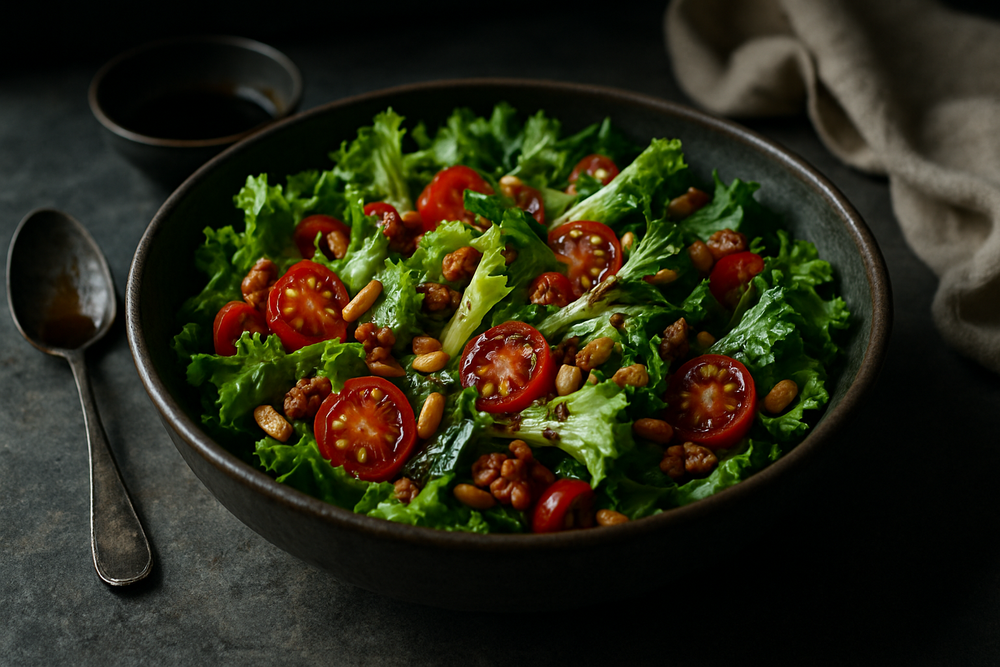
Raw salad with bitter elements: Combine pale inner escarole leaves with sliced pears, toasted walnuts, and a balsamic vinaigrette. The sweetness of the pear counterbalances the bitterness perfectly.
Common pairings and why they work:
- White beans: A nutritional power couple. Beans provide plant protein and complementary fiber while softening the bitterness of escarole in soups and braises. Together they create a complete, sustaining meal with minimal effort.
- Lemon juice: Acid cuts bitterness and brightens flavor in both raw and cooked preparations. It also helps with absorption of the non-heme iron in escarole.
- Garlic and olive oil: The traditional Italian base for cooking escarole. Garlic adds flavor; olive oil provides healthy fat that enhances absorption of fat-soluble nutrients like vitamins A and K and the carotenoids.
Bottom line
Escarole is one of the most underused leafy greens in the English-speaking world, despite centuries of use in Italian cuisine and a nutrient profile that holds its own against kale and spinach. Its standout features are exceptional vitamin K and folate content, a solid fiber hit, and a genuinely versatile flavor that softens beautifully in soups and braises.
The strongest evidence supports its role as part of a leafy green-rich diet linked to lower heart disease and stroke risk. Its fiber supports digestion and gut health. Its antioxidant compounds may reduce oxidative stress over time. Most of this evidence comes from research on leafy green vegetables as a category rather than escarole-specific clinical trials — which is true for the vast majority of individual vegetables.
It is very safe for most people. The one genuine caution is for people on warfarin or similar anticoagulants, who should keep their intake consistent rather than sporadic.
The simplest advice: add escarole to your rotation. Use the inner leaves raw in a salad, throw a handful of the outer leaves into a soup or stew, or try the Italian beans-and-greens classic. Your vitamin K, folate, and fiber numbers will thank you.
How Escarole Compares
| Compared with | What's different |
|---|---|
| Escarole vs. Curly Endive | Narrower, frilly leaves with a significantly more intense, sharp bitterness. |
| Escarole vs. Radicchio | A purple, round head with a spicy crunch, whereas escarole is leafy and buttery when cooked. |
| Escarole vs. Spinach | Milder flavor and softer texture that wilts much faster in soups and stews. |
Health Benefits
Things to Know
Vitamin K and warfarin: This is the most important safety note for escarole. It is exceptionally high in vitamin K — 265% of the daily value per cooked cup. Vitamin K plays a direct role in blood clotting, and warfarin (a common blood thinner) works by blocking vitamin K's action. If you eat escarole irregularly — a big bowl one week, none the next — your INR (a measure of how quickly your blood clots) can fluctuate, making warfarin harder to manage. The solution is not to avoid escarole, but to eat it consistently. Talk with your healthcare provider or anticoagulation clinic about a stable intake that works for your medication dose.
Kidney disease: Escarole contains moderate potassium (368 mg per cooked cup). People with advanced chronic kidney disease who are managing potassium intake should account for this. Check with your dietitian.
Sensitive digestion: Suddenly adding large amounts of any high-fiber vegetable can cause gas, bloating, or loose stools. Start with smaller amounts and increase gradually over a week or two.
Chicory-family allergies: Rare, but people with known allergies to endive, radicchio, or chicory should be aware that escarole is in the same plant family.
Pregnancy: Escarole's folate content is a positive — folate is critical in the first trimester of pregnancy to support fetal neural development. However, pregnant people should follow their healthcare provider's guidance on overall diet and supplementation.
Diabetes medications: Increasing fiber-rich vegetables like escarole as part of an overall diet change may improve blood sugar control, which could in theory affect the required dose of blood sugar medications. Monitor closely with your provider if making significant dietary shifts.
Prep Ideas
- — **White beans:** A nutritional power couple. Beans provide plant protein and complementary fiber while softening the bitterness of escarole in soups and braises. Together they create a complete, sustaining meal with minimal effort.
- — **Lemon juice:** Acid cuts bitterness and brightens flavor in both raw and cooked preparations. It also helps with absorption of the non-heme iron in escarole.
- — **Garlic and olive oil:** The traditional Italian base for cooking escarole. Garlic adds flavor; olive oil provides healthy fat that enhances absorption of fat-soluble nutrients like vitamins A and K and the carotenoids.
Glossary
Shop This Ingredient
Stock your pantry with quality escarole.
Buy on AmazonAs an Amazon Associate, Plantopedia earns from qualifying purchases. This costs you nothing extra and helps us keep the encyclopedia free.
Frequently Asked Questions
A quick note on evidence levels: the research below ranges from strong (large meta-analyses and cohort studies on leafy greens) to emerging (mechanistic studies or observations extrapolated to escarole specifically). Where escarole-specific human trials exist, they are noted; where evidence is inferred from its nutrient category, that is clearly stated. Heart and circulation This is where the evidence for leafy greens — and by extension escarole — is strongest. A 2018 review published in the journal Nutrients found that higher intakes of green leafy vegetables were associated with approximately 25% lower risk of coronary heart disease and stroke mortality. A Harvard Health summary of cohort data echoes this, noting that eating about one cup of leafy greens daily is linked to lower heart disease risk. Escarole supports this pattern through several mechanisms. Its potassium content (368 mg per cooked cup) can help maintain healthy blood pressure. Folate helps regulate homocysteine, an amino acid that, when elevated, is associated with increased cardiovascular risk. Fiber helps support healthy LDL (low-density lipoprotein — the "bad" cholesterol) levels. And its very low sodium content makes it a natural fit for heart-friendly eating patterns. No major clinical trials have isolated escarole alone for cardiovascular outcomes, so these benefits are inferred from its nutrient profile and its membership in the leafy green category — a category with robust evidence behind it. Digestive health and microbiome Escarole is a genuinely useful food for gut health, primarily because of its fiber content. One cooked cup provides about 4 g of dietary fiber — a mix of soluble and insoluble forms. Soluble fiber forms a gel-like substance in the gut that slows digestion and feeds beneficial gut bacteria (the microbiome). Insoluble fiber adds bulk to stool and helps keep bowel movements regular. Research on dietary fiber broadly is well-established: adequate intake is associated with lower rates of constipation, diverticular disease, and colorectal cancer, and supports a diverse gut microbiome. Escarole's contribution is meaningful within an overall high-fiber diet. The bitter sesquiterpene lactones in escarole may also mildly stimulate digestive secretions and bile flow — a traditional claim about chicory-family plants — though controlled human trials specifically on escarole for these endpoints have not been published. Blood sugar and metabolism Escarole has an extremely low glycemic load — the measure of how much a food raises blood sugar — which means it has minimal impact on blood glucose when eaten in normal amounts. Its fiber slows gastric emptying (the rate at which your stomach empties into the small intestine), which in turn smooths out the glucose absorption curve after meals. Observational studies consistently link higher leafy green intake with lower risk of type 2 diabetes, but escarole has not been tested in controlled trials for blood sugar outcomes specifically. These benefits are inferred from the broader evidence base for high-fiber, low-glycemic vegetables. Inflammation and recovery Chronic low-grade inflammation underlies many common diseases, including heart disease, type 2 diabetes, and certain cancers. Diets rich in vegetables and antioxidant-containing plant foods are consistently associated with lower inflammatory markers in population studies. Escarole contributes several antioxidant compounds — carotenoids, vitamin C, and polyphenols — that may help neutralize free radicals (unstable molecules that can damage cells) and indirectly support lower inflammation over time. However, no clinical trials have tested escarole specifically for inflammatory endpoints. Any anti-inflammatory benefit is inferred from its phytochemical profile and the broader evidence for plant-rich diets. Immune support and eye health Vitamins A and C are both well-established supporters of immune function. Vitamin A is particularly important for maintaining the mucosal linings of the respiratory and digestive tracts — the body's first line of defense against pathogens. Escarole delivers 13% of the daily value for vitamin A per cooked cup, primarily from beta-carotene (which the body converts to vitamin A as needed). Lutein and zeaxanthin, carotenoids present in escarole's dark outer leaves, are concentrated in the macula of the eye and are associated in observational research with a lower risk of age-related macular degeneration (a leading cause of vision loss in older adults). Again, these are category-level findings applied to escarole based on its nutrient content.
The beans-and-greens home cook (plant-forward eating) Gets two major food groups — legumes and dark leafy greens — in one pot Benefits from the complementary fiber, protein, and micronutrient profile of the combination Naturally boosts daily folate and vitamin K intake without supplements The person working on cardiovascular health Escarole's potassium, fiber, and folate fit directly into heart-healthy dietary patterns like DASH and Mediterranean Low sodium and very low calorie density support blood pressure and weight goals simultaneously Regular consumption contributes to the leafy green totals associated with reduced heart disease risk in large cohort studies
Escarole is one of the more versatile leafy greens because it genuinely works well in both raw and cooked applications. Here is how the two compare: Raw escarole (salads, slaws): The inner pale-yellow leaves are tenderer and milder — a good starting point for people unfamiliar with the bitter notes of chicory. Raw preparation preserves the most heat-sensitive nutrients, particularly vitamin C and folate. Toss with a simple lemon-olive oil dressing to balance the mild bitterness. Cooked escarole (soups, braises, sautés): This is where escarole shines most. Heat softens the leaves and mellows the bitterness significantly. Fiber and most minerals are well-retained through cooking. Some vitamin C is lost to heat, but the overall nutrient density remains impressive. The classic Italian preparation — braised with garlic, olive oil, and white beans — is one of the most efficient ways to eat a full serving of leafy greens without noticing it. In soups and stews: Escarole holds its shape for a short time before becoming silky and tender, making it ideal for adding to soups in the last 5–10 minutes of cooking. It absorbs flavors from broth beautifully. As a juice: Technically possible, but juicing removes most of the fiber — the component with the strongest evidence for digestive and metabolic benefits. Whole-leaf consumption is preferable based on current evidence.
There is no established recommended amount specifically for escarole. However, the evidence gives us a practical framework: The research benchmark: Most human studies on leafy green vegetables use roughly 100–120 g per day as the target range associated with lower cardiovascular risk. One cup of cooked escarole (150 g drained weight) or two to three cups of raw escarole comfortably meets this threshold on its own. A practical starting point for most adults: One to two cups raw (in a salad) or one cup cooked (in a soup or sauté) per day is a reasonable and evidence-aligned target. Start lower if you are new to bitter greens or high-fiber vegetables: A half-cup of cooked escarole a few times per week, building up gradually, gives your gut time to adjust. There is no known upper limit for healthy adults. Escarole has no toxicity threshold as a food. The only reason to moderate intake is if you are managing warfarin therapy (see above), or if you are limiting potassium for kidney health. Consistency matters more than precision: Eating escarole or other leafy greens regularly — most days of the week — is more important than hitting an exact gram count. If you are interested in using food to support specific health goals, explore Plantopedia's goals library for more ingredient combinations and evidence-based eating patterns.
Quick Answers
Common questions, answered in a line.
Escarole is an exceptional source of vitamin K1 and folate (vitamin B9), while also providing fiber, carotenoids, and polyphenols. These nutrients support essential functions including blood clotting, bone metabolism, DNA synthesis, and cardiovascular health.
Escarole supports heart health through its high levels of folate, which helps regulate homocysteine, and its antioxidant polyphenols that protect cells from oxidative damage. As a leafy green, it is part of a food group linked to lower risks of heart disease and stroke.
Escarole can be eaten raw, especially the milder inner leaves, or cooked in soups and sautés. The dark outer leaves are more bitter and are traditionally braised or added to white bean soups to soften their texture and flavor.
People taking warfarin or similar blood thinners should be cautious with escarole because its high vitamin K content can interfere with medication effectiveness. It is important to maintain a consistent intake rather than eating it sporadically to keep blood clotting levels stable.
Escarole contains bitter compounds called sesquiterpene lactones, which are traditionally linked to digestive stimulation and liver support. Additionally, its fiber content promotes general gut health and regular digestion.
Escarole pairs exceptionally well with white beans, garlic, olive oil, and lemon juice. The healthy fats in olive oil help the body absorb the plant's fat-soluble vitamins (A and K), while the acidity of lemon juice helps with the absorption of non-heme iron.
For Readers in the USA
Local context — sourcing, seasonality, and regional notes.
Escarole is available year-round in most U.S. supermarkets, though its peak season runs from late fall through early spring when it is harvested in warmer regions like California, Florida, and Arizona. During these cooler months, you will often find the largest, most tender heads at local farmers markets.
In the U.S., you can find escarole at major grocery chains like Whole Foods, Kroger, and Publix, as well as at Italian specialty markets where it is a culinary staple. Because it is highly perishable, look for it in the refrigerated misting section near other chicories like radicchio and endive.
While frequently labeled as escarole in American produce aisles, you may also see it sold as "Broad-leaved Endive" or occasionally "Batavian Endive." In Southern Italian-American communities, it is sometimes colloquially referred to by the dialect-derived name "scarola."
Look for the USDA Organic seal if you want to ensure the greens were grown without synthetic pesticides, as leafy greens are often scrutinized for residual chemicals. The FDA recommends washing all leafy greens thoroughly under running water just before eating, even if they are labeled "triple-washed," to reduce the risk of foodborne illness.
AI Clinical Review
- Clearly explains that escarole is a nutrient‑dense leafy green, highlighting its standout vitamin K, folate, and fiber with very few calories.
- Accurately frames most health benefits as category‑level evidence for leafy greens (e.g., heart and stroke risk) rather than escarole‑specific trials.
- Offers practical preparation guidance: raw vs. cooked trade‑offs and using a little fat (like olive oil) to help absorb fat‑soluble carotenoids.
- Provides an important, nuanced safety note for people on warfarin: keep vitamin K intake consistent rather than avoiding escarole entirely.
- Few human studies isolate escarole itself; most benefits are inferred from broader leafy‑green research, so exact effect sizes for escarole are uncertain.
- Observational studies link leafy‑green intake with better outcomes but cannot prove cause and effect; overall diet and lifestyle may contribute.
- Traditional claims about chicory-family bitter compounds (sesquiterpene lactones) aiding digestion or liver function lack robust human trial data.
- Microbiome, inflammation, and eye‑health insights largely derive from fiber and carotenoid research in general; escarole-specific endpoints are limited.
- Practical intake: about 1 cup cooked (~150 g) or 2–3 cups raw per day aligns with research ranges used for leafy greens (≈100–120 g/day).
- Anticoagulation: escarole is very high in vitamin K; if you take warfarin or another vitamin K–antagonist, keep intake steady and coordinate with your clinician.
- Kidney disease: one cooked cup has moderate potassium (~368 mg); those on potassium‑restricted plans should account for this.
- Tolerance and safety: increase portions gradually to minimize gas/bloating; wash leaves well, especially if eating them raw; rare chicory‑family allergies are possible. People making bigger diet changes or taking diabetes medications should check in with their care team.
Very safe.
References
- USDA FoodData Central — escarole nutrition data (fdc.nal.usda.gov)
- USDA MyPlate — vegetables group guidance (myplate.gov)
- Green Leafy Vegetables as Nutritional and Preventive Agents — peer-reviewed review, PMC (pmc.ncbi.nlm.nih.gov)
- Cardiovascular health benefits of specific vegetable types — peer-reviewed review, PMC (pmc.ncbi.nlm.nih.gov)
- Harvard Health Publishing — keep heart disease at bay with a salad a day (health.harvard.edu)
- Healthline — What is escarole? Nutrition, benefits, and uses (healthline.com)
- BetterMe — escarole calories, benefits, and side effects (betterme.world)
- MyFoodData — escarole cooked nutrition facts (USDA-based) (tools.myfooddata.com)
- LettuceInfo — escarole product information and nutrition (lettuceinfo.org)
- Dr. Axe — what is escarole lettuce? Benefits, nutrition, and recipes (draxe.com)
Know Your Numbers
Eating healthy is a start. Now get to know your biomarkers.
Food changes bloodwork — inflammation, lipids, blood sugar and nutrient status all respond to what you eat. 59 markers from $59.
- Results in 7–10 days at 2,000+ Quest sites
- Licensed provider reviews every result
- One flat price, no membership, HSA/FSA eligible
Educational information only, not medical advice. Panels are ordered and reviewed through our licensed partner; Plantopedia may earn a commission.