Flageolet Beans — health benefits and uses
Protein + fiber leverage; batch-cook, meal-prep, and satiety angle
The Short Answer
Flageolet beans are small, pale-green French legumes prized for their creamy texture and ability to hold their shape during long cooking. They are excellent sources of plant protein and fiber, traditionally used in stews, grain bowls, and purées.

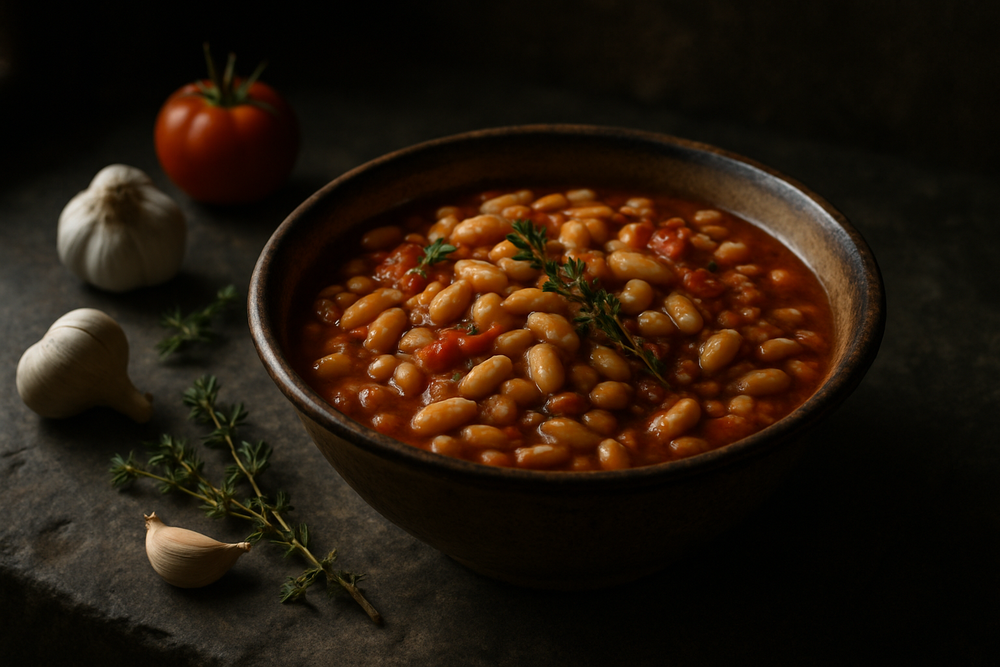
Flageolet Beans · Photograph
Flageolet beans (Phaseolus vulgaris) are a small, pale-green variety of the common bean that originated in France and have been a staple of French country cooking for centuries. Prized for their creamy texture, mild flavour, and ability to hold their shape through long cooking, they are now gaining traction well beyond French kitchens as a versatile, nutrient-dense plant-protein source.
Key Nutrients
% Daily Value based on 2,000 cal diet
Key active compounds
- Dietary fibre (soluble and insoluble) — the seed coat and cell walls are rich in both types. Soluble fibre forms a gel in the gut that slows glucose absorption and binds cholesterol; insoluble fibre adds bulk to stool and supports bowel regularity.
- Resistant starch — a fraction of the starch that resists digestion in the small intestine, reaching the colon intact where gut bacteria ferment it into short-chain fatty acids linked to colon health and improved insulin sensitivity.
- Lectins (phytohemagglutinin) — carbohydrate-binding proteins naturally present in raw beans. In raw or undercooked beans, lectins can cause serious gastrointestinal symptoms. Thorough boiling or pressure cooking destroys them completely, making cooked flageolets safe.
- Polyphenols (flavonoids and phenolic acids) — plant compounds with antioxidant properties, inferred from the broader common bean family; may help modulate inflammation and support vascular health.
- Oligosaccharides (FODMAPs) — fermentable short-chain carbohydrates that feed beneficial gut bacteria but can also produce gas, especially when beans are introduced quickly or not fully cooked.
Prep and pairing ideas
Flageolets are one of the more forgiving beans to cook — their creamy texture holds up in long-simmered dishes and they absorb aromatics beautifully.
Classic French cassoulet-style: Simmer soaked, cooked flageolets with garlic, tomatoes, thyme, and rosemary for a hearty stew. The beans soak up the broth and become silky rather than mushy.
Quick grain bowl: Toss rinsed canned flageolets with cooked farro or barley, roasted root vegetables, a handful of rocket, and a lemon-tahini dressing. This pairing also complements the amino acid profile — the grain provides methionine, which beans are low in.
Herby purée: Blend well-cooked flageolets with roasted garlic, fresh thyme, a drizzle of olive oil, and lemon juice. Spread on toast or serve alongside grilled fish or roasted vegetables as a protein-rich side.
Soup base: Their mild flavour makes flageolets ideal in white bean-style soups. Swap them directly for cannellini or navy beans in any recipe.
How Flageolet Beans Compares
| Compared with | What's different |
|---|---|
| Flageolet Beans vs. Cannellini Beans | Larger, creamier, and more prone to breaking down compared to the firm flageolet. |
| Flageolet Beans vs. Navy Beans | Smaller, white, and starchier; they lack the distinct pale-green color and delicate skin. |
Health Benefits
Things to Know
Never eat raw or only soaked beans.: Raw flageolet beans contain phytohemagglutinin lectins that can cause nausea, vomiting, and diarrhoea. Full boiling or pressure cooking destroys them completely.
Start small if you are not used to beans.: Begin with 2–4 tablespoons of cooked beans and increase over 2–4 weeks to let your gut bacteria adapt and reduce gas.
Soaking and blanching reduce gas.: Soak dried beans for at least 3–5 hours, discard the soaking water, rinse, then cook in fresh water. For extra gas reduction, do a quick 5-minute pre-boil and discard that water before your main cook.
Kidney disease / potassium restriction.: Flageolets are a good potassium source. If you have advanced kidney disease or are on a potassium-restricted diet, discuss portion size with your dietitian or doctor.
IBS, IBD, or SIBO.: The fermentable oligosaccharides (FODMAPs) in beans can worsen symptoms. Introduce very gradually and consider smaller portions; some people with IBS do better with canned and well-rinsed beans as a starting point.
Legume allergy.: If you have a known allergy to other beans, lentils, soy, or peanuts, there may be cross-reactivity. Introduce flageolet beans cautiously and with medical guidance.
Diabetes medications.: Significantly increasing bean intake can improve blood sugar control, which may require adjustment of insulin or oral hypoglycaemic drugs. Monitor glucose and talk to your healthcare provider.
Potassium-raising medications: (potassium-sparing diuretics, ACE inhibitors, ARBs). Discuss overall dietary potassium intake, including from beans, with your clinician if you take these drugs.
Infants and toddlers.: Flageolet beans are not recommended before around 15–18 months due to bowel sensitivity and choking risk. After that age, serve thoroughly cooked and mashed or finely chopped.
Pregnancy.: Flageolets are a useful source of folate, iron, and protein during pregnancy, but consult your midwife or doctor about overall dietary balance and supplementation needs.
Shop This Ingredient
Stock your pantry with quality flageolet beans.
Buy on AmazonAs an Amazon Associate, Plantopedia earns from qualifying purchases. This costs you nothing extra and helps us keep the encyclopedia free.
Frequently Asked Questions
The evidence base for flageolet beans specifically is limited — they are a niche variety and have not been isolated in clinical trials. What we can say with confidence is that they are a cultivar of Phaseolus vulgaris, the common bean, and share the same fibre, starch, protein, and micronutrient profile as beans that have been extensively studied. Where the evidence is inferred from the broader legume literature, that is noted clearly below. Heart and circulation Flageolet beans are a good source of dietary fibre — dry beans contain roughly 23 g per 100 g, of which a meaningful portion is soluble. Soluble fibre binds bile acids in the gut, prompting the liver to draw cholesterol out of the bloodstream to make more, which can help lower LDL cholesterol (often called "bad" cholesterol). In human trials on common beans and other legumes broadly, eating about ½–1 cup of cooked beans per day has been associated with lower LDL cholesterol, modest improvements in blood pressure, and reduced overall cardiovascular risk. Flageolets also contribute significant potassium, which helps blood vessels relax and counteracts the blood-pressure-raising effect of sodium. Evidence here is moderate — inferred from the wider bean literature rather than flageolet-specific trials. Digestive health and microbiome This is probably where the evidence is strongest for legumes as a food group. The fibre in flageolets — both the soluble and insoluble fractions — increases stool bulk, softens stools, and supports regular bowel movements. The resistant starch and oligosaccharides act as prebiotics (food for beneficial gut bacteria), which produce short-chain fatty acids that nourish the cells lining the colon. A 200 g cooked serving can provide roughly half your daily fibre needs. The Louis Bonduelle Foundation notes that once well-cooked, flageolets are described as "perfectly digestible," though gradual introduction is still wise if you are not a regular bean eater. Blood sugar and metabolism Flageolets have a low energy density (around 89 kcal per 100 g cooked) and a high fibre plus resistant starch content that slows digestion and blunts the rise in blood glucose after a meal. In controlled human feeding studies on common beans and lentils, replacing refined starchy foods with ½–1 cup of cooked legumes per day lowered post-meal glucose spikes and modestly improved HbA1c (a longer-term marker of blood sugar control) in people with type 2 diabetes. These benefits are expected to extend to flageolet beans given their comparable composition — moderate evidence inferred from the legume literature. Inflammation and recovery Direct clinical data on flageolet beans and inflammatory markers does not exist yet. However, high-fibre, low-fat, phytochemical-rich legume-based diets are associated in population studies with lower levels of CRP (C-reactive protein), a key marker of systemic inflammation. The minerals in flageolets — magnesium, manganese, copper — support antioxidant enzyme systems that help cells manage oxidative stress. A gut microbiome well-fed on legume fibre also produces compounds that may dampen systemic inflammation. Evidence here is emerging, and any anti-inflammatory benefit is an inference from the broader legume pattern. Satiety and weight management The combination of fibre and protein in flageolet beans — roughly 5 g protein and 4 g fibre per 100 g cooked at only 89 kcal — gives them a high satiety value relative to their calorie load. Human trials on legumes broadly show that high-fibre, high-protein bean meals increase feelings of fullness and can modestly reduce total calorie intake at subsequent meals. Flageolets can serve as the main protein anchor in a meal, helping you feel satisfied without a large calorie investment.
Dried whole flageolet beans The most nutritious and economical form. Dry beans require soaking (3–5 hours or overnight in cold water) and then boiling in fresh water for 45–90 minutes until completely soft. They give you full control over sodium and texture. Buy from stores with good turnover — beans stored more than a year become harder to cook and digest. Canned (tinned) flageolet beans Pre-cooked and safe straight from the can after rinsing. Rinsing reduces both sodium and some gas-producing oligosaccharides. Nutritionally almost identical to home-cooked dried beans; the main compromise is a softer texture. Choose low-sodium or no-salt-added cans where available. Frozen flageolet beans Made from fresh green seeds that are blanched and frozen. Cook from frozen — no soaking needed. Shorter cooking time and a more delicate, vivid green colour make them ideal for quick side dishes and salads. Purees and spreads Well-cooked flageolets blend beautifully with garlic, olive oil, and herbs into a silky dip or spread. This form is also easier to tolerate for people with chewing or swallowing difficulties.
The busy meal-prepper Batch-cook a large pot of dried flageolets on Sunday and use throughout the week in salads, soups, and grain bowls Their firm-yet-creamy texture means they reheat well without turning to mush Pair with whole grains and roasted veg for complete, balanced meals in under 10 minutes The fibre-focused eater working on gut and metabolic health A ½–1 cup serving
Quick Answers
Common questions, answered in a line.
Flageolet beans are a small, pale-green variety of the common bean (Phaseolus vulgaris) originating from France. Known for their mild flavor and creamy texture, they are a staple of French country cooking and are prized for their ability to hold their shape during long cooking processes.
You should never eat flageolet beans raw or only soaked because they contain lectins (phytohemagglutinin) that can cause nausea, vomiting, and diarrhoea. Thorough boiling or pressure cooking is required to completely destroy these proteins and make the beans safe to eat.
To reduce gas from flageolet beans, soak dried beans for 3–5 hours, discard the soaking water, and cook them in fresh water. You can also perform a quick 5-minute pre-boil and discard that water before the main cooking process to further reduce fermentable oligosaccharides.
Flageolet beans are rich in dietary fiber and resistant starch, which supports bowel regularity and helps manage blood sugar. Soluble fiber forms a gel that slows glucose absorption and binds cholesterol, while resistant starch feeds beneficial gut bacteria in the colon.
If you have IBS, you should introduce flageolet beans very gradually in small portions, as their fermentable oligosaccharides (FODMAPs) can worsen symptoms. Some individuals with IBS find that using canned, well-rinsed beans is a more tolerable starting point.
Flageolet beans are not recommended for infants and toddlers until they are approximately 15–18 months old due to bowel sensitivity and potential choking risks. After this age, the beans should be served thoroughly cooked and either mashed or finely chopped.
Flageolet beans are a good source of potassium and may interact with medications such as ACE inhibitors, ARBs, or potassium-sparing diuretics. Additionally, because they can improve blood sugar control, individuals on diabetes medications may need to monitor their levels closely.
For Readers in the USA
Local context — sourcing, seasonality, and regional notes.
In the US, you can find flageolet beans at specialty grocers like Whole Foods Market, high-end farmers markets, or through heirloom seed brands like Rancho Gordo. While less common in standard supermarkets than navy beans, they are widely available through online retailers specializing in dried legumes.
Flageolet beans are primarily grown in the Pacific Northwest and parts of California, where the cool, temperate climate mimics the growing conditions of their native France. Many American gardeners also grow them as a late-summer crop, harvesting the pods just before the seeds fully mature.
Yes, the USDA Organic seal ensures that flageolet beans were produced without synthetic fertilizers or prohibited pesticides. When buying domestically grown organic flageolets, you are supporting farming practices that prioritize soil health and long-term ecological balance.
In American kitchens, flageolet beans are often dubbed the "caviar of beans" due to their delicate skin and refined texture. They are frequently used as a premium substitute for Great Northern or Cannellini beans in upscale bistro-style dishes across the US.
AI Clinical Review
- Flageolet beans are a cultivar of common bean (Phaseolus vulgaris) and share the high-fiber, plant‑protein, folate, iron, potassium, and magnesium profile seen across legumes.
- Cardiometabolic benefits are framed appropriately as coming from the broader legume evidence: regular bean intake (about 1/2–1 cup cooked per day) is linked with lower LDL cholesterol, improved glycemic responses, and support for healthy weight when part of an overall balanced diet.
- Digestive effects are described accurately: soluble/insoluble fiber plus resistant starch feed gut microbes and support bowel regularity, while gradual introduction helps limit gas.
- Safety messaging is sound: raw/undercooked beans can cause GI illness due to lectins, and thorough boiling or pressure cooking inactivates them.
- Practical guidance is useful: dried, canned, and frozen forms are all nutritious; rinsing canned beans lowers sodium and may reduce some FODMAPs.
- Flageolet-specific clinical trials are scarce; most health claims are extrapolated from studies on mixed legumes or other common beans. Expected benefits likely apply, but exact effect sizes for flageolets alone are not known.
- Anti-inflammatory claims are based mainly on observational data and diet patterns; direct trials showing reductions in markers like CRP from flageolets are limited.
- Polyphenol content and specific bioactives in flageolets have not been characterized as thoroughly as in some other legumes, so antioxidant-related claims remain provisional.
- Reported nutrient numbers can vary by cultivar, growing conditions, and cooking method; check labels or databases if you need precise macros or minerals.
- Safety: never eat raw or only soaked beans. Boil thoroughly or use a pressure cooker; avoid slow-cooking from dry without a prior vigorous boil. Discard soaking water and cook in fresh water.
- Tolerance and portions: if you’re new to beans, start with 2–4 tablespoons cooked and increase over 2–4 weeks toward 1/2–1 cup per day as tolerated. Canned, well‑rinsed beans are often easier on sensitive GI tracts.
- Who should be cautious: people with IBS/IBD/SIBO (due to FODMAPs), those with advanced kidney disease or on potassium‑raising medications (ACE inhibitors, ARBs, potassium‑sparing diuretics), individuals with diabetes on insulin/oral agents (glucose may improve and meds might need adjustment), and anyone with legume allergies.
- Practical nutrition: pairing beans with a vitamin C source (e.g., citrus, peppers) can enhance non‑heme iron absorption; combining with whole grains improves the overall amino acid profile; choose low‑sodium cans or rinse to reduce sodium.
Mention soaking/cooking tolerance tips where relevant; avoid raw legume prep errors.
References
- PMC, National Library of Medicine — Polyphenol-Rich Dry Common Beans (Phaseolus vulgaris L.) and Their Health Benefits (pmc.ncbi.nlm.nih.gov)
- Wikipedia — Flageolet bean (en.wikipedia.org)
- PubMed — Nutritional Composition and Bioactive Content of Legumes: Characterization of Pulses Frequently Consumed in France and Effect of the Cooking Method (pubmed.ncbi.nlm.nih.gov)
- USDA FoodData Central — USDA FoodData Central (fdc.nal.usda.gov)
- Wikipedia — Phaseolus vulgaris (en.wikipedia.org)
Know Your Numbers
Eating healthy is a start. Now get to know your biomarkers.
Food changes bloodwork — inflammation, lipids, blood sugar and nutrient status all respond to what you eat. 59 markers from $59.
- Results in 7–10 days at 2,000+ Quest sites
- Licensed provider reviews every result
- One flat price, no membership, HSA/FSA eligible
Educational information only, not medical advice. Panels are ordered and reviewed through our licensed partner; Plantopedia may earn a commission.