Grapeseed Butter — health benefits and uses
Grape seeds long noted for proanthocyanidins in traditional tonics.
The Short Answer
Grapeseed butter is a creamy spread made from ground grape seeds, providing 120 calories and 3.9 mg of vitamin E per tablespoon. It is rich in heart-healthy proanthocyanidins and linoleic acid, making it a nutrient-dense alternative to traditional seed
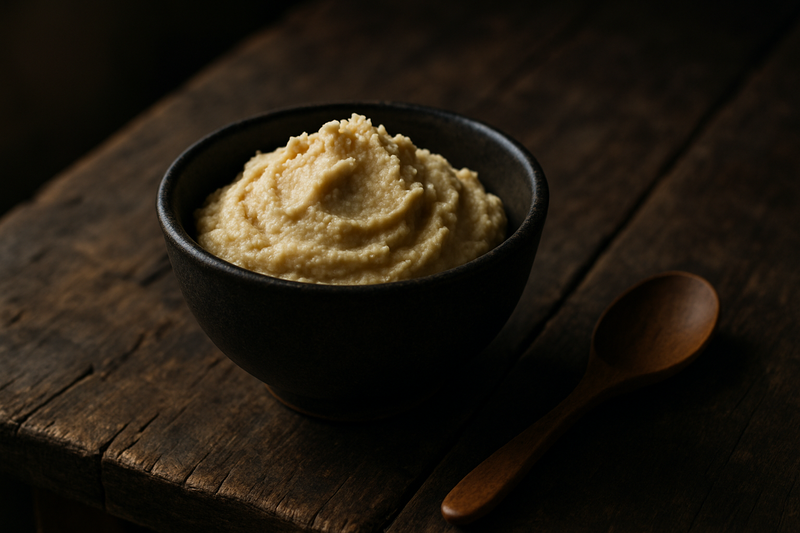
Grapeseed Butter · Photograph
Discover the grapeseed butter health benefits and side effects in this evidence-aligned guide. Learn what grapeseed butter is, how it compares to grapeseed oil, its antioxidant and vitamin E content, heart health potential, and how to use it safely every day.
Key Nutrients
% Daily Value based on 2,000 cal diet
Key active compounds in grapeseed butter
- Proanthocyanidins (procyanidins): Polymeric chains of flavan-3-ol units (catechin and epicatechin building blocks). These are the dominant polyphenols in grape seeds, reported to have antioxidant capacity many times greater than vitamin C or vitamin E in laboratory tests. They may support vascular function and healthy inflammatory responses.
- Catechins and epicatechin: Monomeric (single-unit) flavan-3-ols — the same family found in green tea and dark chocolate. They contribute to endothelial (blood vessel lining) health and the seed's overall antioxidant profile.
- Resveratrol (trace amounts): A stilbene polyphenol best known from grape skins and red wine. Present in very small quantities in seeds; studied for potential cardioprotective and anti-aging effects at higher doses.
- Vitamin E (tocopherols): A fat-soluble antioxidant that protects cell membranes from oxidative damage. Grapeseed oil provides roughly 3.9 mg per tablespoon — about 19% of the daily value — and whole-seed butter delivers the same fat alongside fiber.
- Linoleic acid (omega-6): The predominant polyunsaturated fatty acid in grapeseed fat, at approximately 9.5 g per tablespoon of the oil fraction. Associated with cholesterol-lowering effects when it replaces saturated fat in the diet.
- Oleic acid (omega-9): A monounsaturated fat also present in smaller amounts, associated with heart-healthy dietary patterns such as the Mediterranean diet.
Prep and pairing ideas
Grapeseed butter has a mild, slightly nutty, faintly grape-like flavor that is less assertive than walnut butter but more complex than sunflower seed butter. Here are three practical pairings and why they work:
1. Grapeseed butter on sourdough with sliced red grapes and a drizzle of honey The polyphenols in both the butter and the fresh grapes stack antioxidant potential, while the bread's fermented fiber adds prebiotic benefit. The sweetness of honey and fresh fruit balances the butter's subtle earthiness.
2. Stirred into a red wine–based pasta sauce or mushroom ragù Grapeseed butter's fat emulsifies smoothly into tomato- or wine-based sauces, adding richness without overpowering flavor. It complements umami-rich mushrooms and the grape-derived notes already present in the wine, and keeps cooking heat moderate (below 300°F / 150°C) to preserve polyphenols.
3. Blended into a smoothie with frozen dark cherries, cacao powder, and oat milk This pairs three polyphenol-dense ingredients (grapeseed, cherry anthocyanins, cacao flavanols) in one drink. The fat in the butter also helps absorb fat-soluble vitamin E and other fat-soluble phytochemicals in the blend.
Bottom line
Grapeseed butter is a genuinely interesting whole-food fat with a more complete phytochemical profile than refined grapeseed oil alone. The evidence from grapeseed oil and grape seed extract research suggests real potential for supporting heart health, reducing inflammation markers, and modestly improving insulin sensitivity — particularly when it replaces saturated fat in the diet. Its polyphenol content, especially proanthocyanidins and catechins, is among the highest of any culinary seed fat.
The honest caveat is that grapeseed butter itself has not been studied in human trials. It is also an uncommon product that requires careful sourcing: look for food-grade, clearly dated products from reputable suppliers, store in the refrigerator after opening, and use within the manufacturer's recommended window to avoid rancidity.
For a whole-food, plant-based diet that already includes diverse polyphenol sources, 1–2 tablespoons of fresh, quality grapeseed butter per day is a reasonable addition — not a superfood cure, but a thoughtful, evidence-adjacent choice.
Explore more fat and heart health topics on Plantopedia → /health
How Grapeseed Butter Compares
| Compared with | What's different |
|---|---|
| Grapeseed Butter vs. Olive Oil | Grapeseed butter has more omega-6 linoleic acid and a lower smoke point. |
| Grapeseed Butter vs. Sunflower Seed Butter | Grapeseed butter is milder in flavor and contains unique grape proanthocyanidins. |
Health Benefits
Things to Know
Allergy check first: If you have known allergies to grapes, wine, or other seeds, check with a healthcare provider before trying grapeseed butter. Seed allergens differ from grape skin allergens, but cross-reactivity is possible.
Anticoagulant or antiplatelet medications (e.g., warfarin, aspirin, clopidogrel): High-dose grape seed extract has theoretical antiplatelet (blood-thinning) effects. Culinary amounts of grapeseed butter are unlikely to be clinically significant, but if you take blood thinners, mention any new food introductions to your prescriber.
Blood pressure medications: Grape seed extract at supplement doses has been reported to modestly lower blood pressure; additive effects with antihypertensive drugs are theoretically possible at high intakes.
Blood sugar medications (insulin, metformin, sulfonylureas): The modest insulin-sensitizing effect seen in oil trials is unlikely to cause hypoglycemia (dangerously low blood sugar) from food amounts, but people on glucose-lowering drugs should monitor as with any dietary change.
Low-fat or very-low-calorie diets: Grapeseed butter is calorie-dense (~120 calories per tablespoon); account for it in your total intake.
Pregnancy and breastfeeding: Food-form grapeseed butter in typical culinary amounts is generally considered safe, but there are no safety studies specifically in pregnant or breastfeeding populations. Avoid high-dose grape seed extract supplements during pregnancy until more data are available.
Food-grade and freshness verification: Because grapeseed butter is an uncommon product without strong regulatory standardization, confirm that any product you buy is explicitly labeled food-grade, manufactured in a food-safe facility, and has a clear best-by date. High polyunsaturated fat content means rancidity risk is real.

Glossary
Shop This Ingredient
Stock your pantry with quality grapeseed butter.
Buy on AmazonAs an Amazon Associate, Plantopedia earns from qualifying purchases. This costs you nothing extra and helps us keep the encyclopedia free.
Frequently Asked Questions
Heart and circulation The strongest human evidence for grapeseed-derived fat comes from lipid (blood fat) studies. Small controlled trials found that daily intake of grapeseed oil (up to about 45 g/day) was associated with roughly a 13% increase in HDL cholesterol (the "good" type that helps clear fats from arteries) and about a 7% reduction in LDL cholesterol (the type linked to plaque buildup). A large meta-analysis of observational data also found that higher blood levels of linoleic acid — the dominant fat in grapeseed — were associated with lower risk of cardiovascular disease, stroke, and cardiovascular mortality compared with lower linoleic acid levels. Because grapeseed butter delivers the same linoleic-acid–rich fat as grapeseed oil, plus additional polyphenols from the seed matrix, it plausibly carries similar heart-health potential. However, no trial has tested grapeseed butter directly, and benefits are most likely to appear when it replaces saturated fat sources rather than simply being added on top of an existing diet. Digestive health and microbiome Evidence here is early. Grape seed polyphenols are largely resistant to digestion in the small intestine, which means they reach the colon where gut microbes can ferment them. Preliminary animal and in-vitro (test-tube) research suggests these fermented polyphenol metabolites may favorably shift the microbiome and support gut lining integrity. No human trials have evaluated grapeseed butter specifically for gut outcomes, so this benefit is speculative at this stage. Blood sugar and metabolism A randomized clinical trial in overweight and obese women found that grapeseed oil, compared with sunflower oil over eight weeks, modestly improved insulin resistance — measured by a scoring tool called HOMA-IR (Homeostatic Model Assessment of Insulin Resistance, a calculation using fasting blood sugar and insulin levels that estimates how well cells respond to insulin). The effect was modest and occurred within a calorie-controlled context. No studies have tested grapeseed butter directly for blood sugar effects, and metabolic benefits are likely small relative to foundational factors like overall dietary pattern, physical activity, and body weight. Inflammation and recovery In the same eight-week trial mentioned above, grapeseed oil significantly reduced two key inflammation markers — high-sensitivity C-reactive protein (hs-CRP, a blood protein that rises during systemic inflammation) and tumor necrosis factor-alpha (TNF-α, a signaling molecule involved in inflammatory responses) — compared with sunflower oil. The researchers attributed this partly to grapeseed oil's polyphenol content and its favorable fatty acid profile. Because grapeseed butter retains the whole seed and its polyphenols, it may share some of this anti-inflammatory potential, but this has not been tested directly.
This is probably the most practical question for anyone considering the product. Here is a straightforward comparison: Grapeseed oil (refined or cold-pressed): Well-studied in human trials for heart and inflammatory outcomes Neutral flavor, high smoke point (420°F / 216°C), versatile for cooking Contains fat and vitamin E, but seed fiber and many polyphenols are removed during pressing and filtering Grapeseed butter (whole-seed spread): Retains the full seed matrix — fat, fiber, polyphenols (catechins, proanthocyanidins), and vitamin E Lower smoke point than oil; better as a spread, stirred into sauces, or used at low heat Less studied in humans; benefits are inferred from oil and extract research More prone to oxidation (fat going rancid) than refined oil; freshness matters Grape seed extract (capsule or powder supplement): Highly concentrated polyphenols, used in most clinical antioxidant and cancer-risk studies Not a food product; doses far exceed what culinary butter would provide Carries more interaction and safety considerations than food-form options If your goal is culinary versatility and proven lipid benefits, grapeseed oil has the most direct evidence. If you prefer a whole-food spread with a broader phytochemical profile and you can verify food-grade quality and freshness, grapeseed butter is an interesting option — just with less research behind it so far.
The antioxidant-focused eater Follows a whole-food, plant-based diet and wants functional compounds alongside culinary fat Already uses other polyphenol-rich foods (berries, dark chocolate, green tea) and sees grapeseed butter as a complementary addition Prioritizes minimally processed, whole-seed ingredients over refined oils The heart-health-conscious cook Has been advised by their doctor to reduce saturated fat intake and replace it with unsaturated fat sources Wants a spread that goes beyond standard nut butters with a different flavor profile Is comfortable reading labels and sourcing fresh, food-grade products from reputable suppliers
There is no established clinical dose for grapeseed butter specifically. A reasonable food-based range to start with is 1–2 tablespoons (approximately 15–30 g) per day, extrapolated from: Grapeseed oil trials that used up to 45 g/day and found cardiovascular and anti-inflammatory benefits General guidance to keep added fats within 20–35% of total daily calories The practical reality that grapeseed butter is calorie-dense and rich in omega-6 fat, so balance with omega-3 sources (flaxseed, walnuts, chia) is a good idea Start low: If this is a new food for you, begin with 1 teaspoon (about 5 g) and increase gradually to let your digestive system adjust to the seed fiber content. Some people notice mild GI (gastrointestinal) discomfort — bloating or loose stools — when they introduce concentrated seed butters quickly. Omega-6 balance note: Linoleic acid is an essential fat your body cannot make, and most evidence supports it as heart-healthy. However, the modern Western diet already tends to be high in omega-6 relative to omega-3. Using grapeseed butter as a replacement for saturated fat sources (butter, coconut oil) rather than an addition is the most evidence-consistent approach.
Quick Answers
Common questions, answered in a line.
Grapeseed butter contains proanthocyanidins, catechins, epicatechin, and trace amounts of resveratrol. These polyphenols are known for their antioxidant capacity, which may be significantly higher than that of vitamin C or E, supporting vascular function and healthy inflammatory responses.
Grapeseed butter is a source of Vitamin E and essential fatty acids, including linoleic acid (omega-6) and oleic acid (omega-9). A single tablespoon of the oil fraction provides approximately 3.9 mg of Vitamin E, which is about 19% of the recommended daily value.
Grapeseed butter has a mild, slightly nutty, and faintly grape-like flavor. It is described as being less assertive than walnut butter but offering a more complex taste profile than sunflower seed butter.
You can use grapeseed butter as a spread on sourdough with grapes, stir it into red wine-based pasta sauces, or blend it into smoothies with dark cherries and cacao. When cooking, keep the heat below 300°F (150°C) to help preserve the butter's beneficial polyphenols.
People taking blood thinners, blood pressure medications, or blood sugar drugs should consult a healthcare provider before adding grapeseed butter to their diet. High doses of grape seed extracts have theoretical blood-thinning effects and may influence blood pressure or insulin sensitivity.
Grapeseed butter should be stored in the refrigerator after opening and consumed within the manufacturer's recommended window. Because of its high polyunsaturated fat content, it carries a real risk of rancidity if not handled and stored properly.
For Readers in the USA
Local context — sourcing, seasonality, and regional notes.
You can typically find grapeseed butter at specialty health food stores like Whole Foods Market or through online retailers specializing in upcycled or artisan plant-based foods. While not as common as almond butter in standard chains like Kroger or Publix, its popularity is growing as a sustainable alternative to nut butters.
The USDA Organic seal ensures that the grapes used for the butter were grown without synthetic pesticides or fertilizers, which is particularly important since the seeds are a byproduct of the wine and juice industries. Look for the seal to ensure the seeds were not exposed to conventional agricultural chemicals during the growing process.
In the US, most grapeseed butter is produced from seeds salvaged after the autumn grape harvests in major wine regions like California’s Napa and Sonoma Valleys or Washington State. While the butter is available year-round due to shelf-stable processing, the freshest batches often hit the market in late fall and winter following the harvest.
Grapeseed butter is often marketed in the US as an "upcycled" food because it is made from the seeds left over after grapes are pressed for wine or juice. This aligns with recent US consumer trends toward sustainable, zero-waste food products that reduce environmental impact by utilizing every part of the harvest.
AI Clinical Review
- Clearly distinguishes grapeseed butter (whole ground seeds) from grapeseed oil and grape seed extract, and correctly notes that most human data come from oil/extract, not the butter itself.
- Accurately frames potential heart benefits as most likely when unsaturated fats (rich in linoleic acid) replace saturated fats, consistent with lipid and cardiovascular research.
- Appropriately highlights grape-seed polyphenols (proanthocyanidins, catechins) and vitamin E as plausible contributors to antioxidant and vascular support, without overpromising.
- Provides a reasonable food-based intake range (about 1–2 tablespoons/day) and emphasizes overall diet balance, including omega-3 sources.
- No randomized trials have tested grapeseed butter specifically; benefits are inferred from studies on grapeseed oil or concentrated extracts.
- Reported improvements in HDL/LDL, inflammation markers (hs-CRP, TNF-α), and insulin resistance come from small, short-duration studies and may not generalize to all diets or populations.
- Polyphenol bioavailability from a whole-seed butter—and whether typical culinary amounts translate to meaningful clinical outcomes—remains uncertain compared with supplement doses.
- Dose and use: Treat as a replacement for other fats rather than an add-on; start with small amounts if new to concentrated seed butters. Balance omega-6 intake with omega-3 sources (e.g., flax, chia, walnuts).
- Storage and safety: High in polyunsaturated fats, so it oxidizes more readily—keep sealed, refrigerated after opening, and discard if rancid (sharp/paint-like odor). Choose food-grade products with clear dating.
- Cooking: Expect a lower effective smoke point than refined oils; prefer as a spread, in sauces, or at low heat to preserve flavor and limit oxidation.
- Who should check in first: People with grape/seed allergies; those on anticoagulants, blood pressure, or glucose-lowering medications; and anyone pregnant or breastfeeding (food amounts are generally fine, but avoid high-dose extracts).
Uncommon product; verify food-grade and freshness.
References
- USDA FoodData Central — grapeseed oil nutrition data (fdc.nal.usda.gov)
- Grape seed oil compounds: biological and chemical actions for human health (PMC review) (pmc.ncbi.nlm.nih.gov)
- Randomized trial: grapeseed oil, inflammation, and insulin resistance in overweight women (PubMed) (pubmed.ncbi.nlm.nih.gov)
- Polyphenolics in grape seeds — biochemistry and functionality (PubMed review) (pubmed.ncbi.nlm.nih.gov)
- Grape seed extract overview — ScienceDirect (sciencedirect.com)
- Nutrient value of fats and oils — Health Canada table (canada.ca)
- Grapeseed oil health benefits overview — WebMD (public health reference) (webmd.com)
- Is grapeseed oil healthy? Nutrition facts and risks — Science Insights (scienceinsights.org)
- Grapeseed oil fact sheet — Fred Hutchinson / University of Washington (depts.washington.edu)
- Grapeseed oil — are there health benefits? (Consensus summary) (consensus.app)
Know Your Numbers
Eating healthy is a start. Now get to know your biomarkers.
Food changes bloodwork — inflammation, lipids, blood sugar and nutrient status all respond to what you eat. 59 markers from $59.
- Results in 7–10 days at 2,000+ Quest sites
- Licensed provider reviews every result
- One flat price, no membership, HSA/FSA eligible
Educational information only, not medical advice. Panels are ordered and reviewed through our licensed partner; Plantopedia may earn a commission.