Horse Gram — health benefits and uses
Protein + fiber leverage; batch-cook, meal-prep, and satiety angle
The Short Answer
Horse gram is a protein-dense legume that provides 22g of protein and 7mg of iron per 100g serving. It is best prepared by soaking for 8–12 hours and simmering until soft to improve digestibility and mineral absorption.
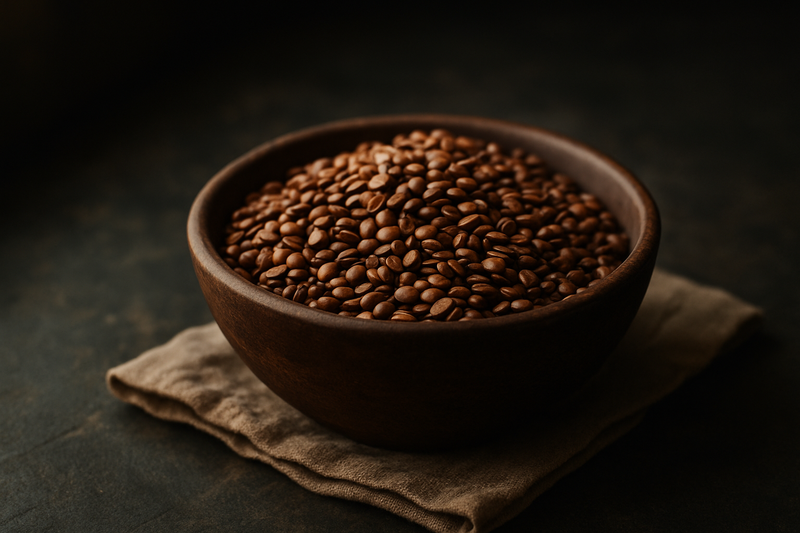
Horse Gram · Photograph
Horse gram (Macrotyloma uniflorum) might be the least famous pulse in the global kitchen, yet it has fuelled South Asian diets for thousands of years. Small, hard, and a warm reddish-brown, these seeds pack more protein per 100 g than most common lentils, along with a dense cargo of fibre, minerals, and plant polyphenols (antioxidant compounds found in plants). In India it is known as kulthi dal or kollu; in parts of East Africa it has long fed both livestock and people — hence the name "horse gram."
Key Nutrients
% Daily Value based on 2,000 cal diet
Key active compounds
Horse gram contains several groups of bioactive compounds (biologically active substances) that researchers believe contribute to its potential health effects:
- Polyphenols — A broad family of plant antioxidants. Horse gram contains roughly 1.4 g polyphenols per 100 g dry weight, which is relatively high among common pulses. They may help neutralise free radicals (unstable molecules that can damage cells) and dampen inflammatory pathways.
- Flavonoids — A subgroup of polyphenols with antioxidant and vascular-protective effects seen in laboratory studies.
- Phytic acid (phytate) — A phosphorus-containing compound that acts as an antioxidant but also binds minerals like iron and zinc, reducing how much the body absorbs. Soaking and cooking significantly reduce phytate levels.
- Tannins — Bitter polyphenolic compounds with antimicrobial and antioxidant properties. At high levels they can reduce protein digestibility, but proper preparation brings them down.
- Saponins — Soap-like plant compounds linked to modest cholesterol-lowering effects in some studies.
- Phytosterols — Plant sterols structurally similar to cholesterol; may help reduce cholesterol absorption in the gut.
- Soluble and insoluble dietary fibre — Non-digestible carbohydrates that feed gut bacteria, slow digestion, and support bowel regularity.
- Alkaloids and terpenoids — Diverse plant compounds with various biological activities; research on horse gram specifically is largely preclinical (meaning it has been conducted in lab settings or animals, not yet confirmed in human trials).
Prep and pairing ideas
Basic soaking and cooking method:
- Rinse 1 cup dry horse gram under cold water.
- Cover with 3–4 cups cold water and soak for 8–12 hours (overnight is easiest).
- Discard soaking water, rinse again.
- Add to a pot with fresh water (3 cups per 1 cup seeds), bring to a boil, then simmer for 45–60 minutes until completely soft. Alternatively, pressure-cook for 15–20 minutes.
- Season after cooking to preserve texture
How Horse Gram Compares
| Compared with | What's different |
|---|---|
| Horse Gram vs. Brown Lentils | Smaller, darker seeds with a tougher skin that requires a much longer soaking and cooking time. |
| Horse Gram vs. Chickpeas | Lower in calories but higher in protein (22g) and iron (7mg) per 100g dry serving. |
Health Benefits
Things to Know
Kidney disease (CKD): Horse gram is relatively high in potassium and phosphorus, and is a significant protein source. People with moderate-to-advanced chronic kidney disease (CKD) may need to limit legume intake or choose preparation methods that reduce mineral load. Work with a renal dietitian.
Kidney stones: Traditional medicine promotes horse gram for urinary stones, but the clinical evidence in humans is sparse. Because horse gram's oxalate content has not been comprehensively quantified, people with recurrent calcium-oxalate kidney stones should consult their clinician before increasing intake significantly.
Gout and high uric acid: Like all pulses, horse gram contains purines, which break down into uric acid. Legumes are generally considered a lower-risk purine source than meat or fish, but individuals with active gout should moderate portions and monitor symptoms.
IBS and high-FODMAP sensitivity: FODMAPs (fermentable oligosaccharides, disaccharides, monosaccharides, and polyols — types of short-chain carbohydrates) in horse gram can trigger gas, bloating, and cramping in sensitive individuals. Start with 2–3 tablespoons cooked and assess tolerance before increasing.
Legume allergy: Specific horse gram allergy is rare, but cross-reactivity with lentils, peas, or other legumes is possible. Anyone with a severe legume allergy should consult an allergist before trying horse gram.
Pregnancy and breastfeeding: Normal culinary use appears safe; legumes are broadly encouraged for their folate, iron, and protein. High-dose traditional decoctions lack safety data — stick to regular food portions.
Blood-sugar medications (insulin, sulfonylureas, GLP-1 agonists): Horse gram's fibre and low glycaemic profile may modestly amplify glucose-lowering effects. If you are on these medications and significantly increase legume intake, monitor blood glucose and coordinate with your prescriber.
Diuretics and antihypertensives: Traditional texts describe mild diuretic properties. People on diuretics or multiple blood-pressure medicines should monitor for changes in blood pressure or electrolytes if they sharply increase consumption.
Iron supplements: Horse gram's phytate content can reduce iron absorption from supplements taken at the same meal. Take iron supplements at a different time from large horse gram dishes.

Prep Ideas
- — Rinse 1 cup dry horse gram under cold water.
- — Cover with 3–4 cups cold water and soak for 8–12 hours (overnight is easiest).
- — Discard soaking water, rinse again.
- — Add to a pot with fresh water (3 cups per 1 cup seeds), bring to a boil, then simmer for 45–60 minutes until completely soft. Alternatively, pressure-cook for 15–20 minutes.
- — Season after cooking to preserve texture
Shop This Ingredient
Stock your pantry with quality horse gram.
Buy on AmazonAs an Amazon Associate, Plantopedia earns from qualifying purchases. This costs you nothing extra and helps us keep the encyclopedia free.
Frequently Asked Questions
Most of the mechanistic evidence for horse gram comes from in-vitro (test-tube) and animal studies, with some support extrapolated from broader legume research in humans. Here is what the current picture looks like by health area. Heart and circulation Horse gram's combination of low fat, soluble fibre, and high polyphenol content maps onto the nutrient profile associated with reduced cardiovascular risk in wider legume research. Soluble fibre, for example, is well established as a modest LDL cholesterol (the "bad" cholesterol)-lowering agent in human studies. The antioxidant polyphenols in horse gram have shown free-radical scavenging activity and reduced markers of oxidative stress (cellular damage from free radicals) in animal experiments. However, no large, horse-gram-specific randomised controlled trials (RCTs) — the gold standard for human evidence — have been published for cardiovascular outcomes. The honest summary: swapping red or processed meat for horse gram as part of a legume-rich dietary pattern is consistent with current guidance on heart health, but horse gram cannot be presented as a proven treatment for high cholesterol or heart disease. Digestive health and microbiome Horse gram is a good source of both soluble fibre (which ferments in the colon to feed beneficial gut bacteria) and insoluble fibre (which adds bulk and supports bowel regularity). Prebiotic fibres — dietary fibres that selectively nourish beneficial bacteria — are present in horse gram similarly to other pulses. Traditional Ayurvedic and Siddha medicine systems have used horse gram soups for digestive complaints, though these uses have not been formally tested in controlled clinical trials. Start with small portions if you are unaccustomed to high-fibre foods, and always soak and cook the beans thoroughly (see prep section below). Blood sugar and metabolism Horse gram has a low glycaemic profile — meaning it causes a slower, more gradual rise in blood sugar compared with refined carbohydrates. Its high fibre content slows digestion, and in vitro studies show that horse gram extracts can inhibit alpha-amylase, an enzyme (a biological catalyst that speeds up chemical reactions) involved in starch breakdown, which would further reduce post-meal blood sugar spikes. Animal research and extrapolation from broader legume RCTs suggest benefit for fasting glucose and insulin sensitivity. For people managing type 2 diabetes or blood sugar variability, horse gram fits well in a low-glycaemic meal pattern. There are no large horse-gram-specific human RCTs confirming it improves HbA1c (a 3-month blood sugar average) or prevents diabetes progression, so evidence remains promising but preliminary. Inflammation and recovery In a controlled animal study comparing horse gram and black gram, horse gram (both boiled and raw) increased the activity of antioxidant enzymes — catalase, superoxide dismutase (SOD), and glutathione peroxidase (GPx) — and exhibited anti-inflammatory effects, while black gram showed a pro-inflammatory effect in the same model. This is interesting, but preclinical evidence cannot be directly applied to humans. For now, horse gram is best framed as part of a polyphenol-rich anti-inflammatory eating pattern, not a targeted anti-inflammatory therapy. Hormones and cycle health Traditional medicine texts describe horse gram as a tonic for menstrual irregularities, likely because of its iron and general nutrient density. Good iron status is genuinely important for reproductive health and energy during menstruation. However, there are no robust human clinical trials on horse gram and hormonal outcomes. Any potential benefit is likely nutritional (iron, protein, B-vitamins) rather than direct hormonal modulation. If you have a condition affecting hormonal health, discuss dietary changes with your healthcare provider.
Whole dry seeds (soaked and boiled) — the everyday standard Whole cooked horse gram is the most nutritionally complete and accessible form. Soaking overnight and thorough cooking softens the seeds and reduces antinutrients substantially. Sprouted horse gram — a digestibility upgrade Soaking seeds for 8–10 hours and then leaving them in a jar for 24–48 hours produces sprouts. Sprouting further reduces phytates and tannins, enhances some B-vitamins, and can make the protein more bioavailable (better absorbed by the body). Sprouts can be eaten raw in salads, though lightly cooking them is advisable for immunocompromised individuals or during pregnancy to reduce foodborne illness risk. Horse gram flour — for baking and batters Dried seeds milled into flour work well in flatbreads, dosas, or batter coatings. Heat during cooking inactivates remaining antinutrients, though the flour form typically has lower fibre per serving than whole beans. Horse gram soup or decoction — the traditional route Kulthi soup — whole seeds boiled with water, spices, and sometimes tamarind — is a classic preparation across South India. Both the broth and the softened seeds are consumed. Traditional practitioners used it for respiratory complaints, urinary health, and weight management, but clinical dosing for these uses has not been standardised.
Quick Answers
Common questions, answered in a line.
Horse gram is a highly nutritious pulse that contains more protein per 100 grams than most common lentils. This small, reddish-brown seed is also a dense source of dietary fiber, minerals, and plant polyphenols, which provide antioxidant and anti-inflammatory benefits.
You should soak horse gram for 8 to 12 hours, typically overnight, before cooking it. After soaking, discard the water and simmer the seeds in fresh water for 45 to 60 minutes, or pressure-cook them for 15 to 20 minutes until they are completely soft.
Horse gram contains bioactive compounds like saponins and phytosterols that may help lower cholesterol and reduce its absorption in the gut. Additionally, its soluble and insoluble dietary fiber supports heart health by feeding beneficial gut bacteria and slowing digestion.
If you are on insulin or other blood-sugar medications, you should monitor your glucose levels closely when eating horse gram, as its high fiber content may amplify glucose-lowering effects. Its phytate content can also interfere with the absorption of iron supplements.
People with chronic kidney disease (CKD) should be cautious with horse gram because it is high in potassium, phosphorus, and protein. Those with recurrent calcium-oxalate kidney stones or active gout should also consult a doctor due to its potential oxalate and purine content.
Horse gram contains FODMAPs, which are short-chain carbohydrates that can trigger gas, bloating, and cramping in sensitive individuals. To assess your tolerance, it is recommended to start with a small portion of 2 to 3 tablespoons of cooked horse gram.
Soaking and cooking horse gram significantly reduces its levels of phytic acid and tannins. These compounds are known as "antinutrients" because they can bind to minerals like iron and zinc or reduce protein digestibility if the pulse is not prepared properly.
For Readers in the USA
Local context — sourcing, seasonality, and regional notes.
You can find horse gram at Indian grocery stores like Patel Brothers, international supermarkets, and through major online retailers like Amazon. Because it is not a standard item at mainstream chains like Kroger or Safeway, it is most commonly stocked in the "lentil" or "dal" aisle of specialty South Asian markets.
In the United States, horse gram is primarily sold under its Indian names, such as Kulthi Dal, Kollu, or Ulavalu. Most packaging will feature the USDA Organic seal if it meets federal organic standards, ensuring the pulse was grown without synthetic pesticides or GMOs.
While horse gram is a tropical legume, it can be grown in USDA Hardiness Zones 9 through 11, specifically in warm regions like Southern California, Arizona, and Florida. It thrives in hot, dry conditions and is often planted in the late spring or early summer to take advantage of the long growing season.
Horse gram is popular in the US within plant-based and "superfood" communities as a high-protein, gluten-free alternative to traditional American staples like navy beans or lentils. It is frequently used by home cooks in heart-healthy soups or sprouted and added to salads, aligning with current American dietary trends toward nutrient-dense legumes.
AI Clinical Review
- Accurately presents horse gram as a high‑protein, high‑fiber, low‑fat legume and explains that soaking/pressure‑cooking lowers “antinutrients” like phytates (mineral‑binding compounds) and tannins.
- Sensibly frames most health effects (cholesterol, glycemia, inflammation) as promising but not proven, and positions horse gram within an overall legume‑rich eating pattern rather than a stand‑alone “treatment.”
- Notes the low‑glycemic profile and aligns with broader human research showing that replacing refined carbs or processed meats with legumes can support heart and metabolic health.
- Offers practical prep guidance (overnight soak, pressure cooking) that improves texture and digestive tolerance.
- The polyphenols/flavonoids/saponins (plant compounds with antioxidant activity) are well described, but human trials testing clinical outcomes (lipids, HbA1c, inflammatory markers) for horse gram specifically are scarce.
- Traditional uses for urinary stones, diuretic effects, and menstrual concerns lack standardized dosing and robust human studies.
- Reported anti‑inflammatory advantages over other pulses (e.g., black gram) come from animal models and may not translate directly to people.
- Specific glycemic index/load values and effects on insulin sensitivity for horse gram in diverse human populations are not well established.
- Portions and prep: A common cooked‑legume serving is about 1/2–1 cup; increase gradually and drink fluids to reduce gas/bloating. Soaked, well‑cooked, or sprouted forms are typically easier to tolerate.
- Kidney disease (CKD): Because horse gram is relatively high in potassium, phosphorus, and protein, people with moderate‑to‑advanced CKD should individualize intake with a renal dietitian; cooking in excess water and discarding the liquid can lower some minerals.
- Medications and supplements: If you use glucose‑lowering drugs (insulin, sulfonylureas, GLP‑1s), monitor for lower readings when you markedly increase legumes; take iron supplements at a different time from large legume meals.
- Sensitivities and conditions: Those with gout (purines), recurrent kidney stones (oxalate data are limited), legume allergy, or IBS/high‑FODMAP sensitivity (fermentable carbs) may need cautious, personalized limits and symptom monitoring; avoid raw sprouts in pregnancy or if immunocompromised.
Mention soaking/cooking tolerance tips where relevant; avoid raw legume prep errors.
References
- PMC, National Library of Medicine — Horse gram- an underutilized nutraceutical pulse crop: a review (pmc.ncbi.nlm.nih.gov)
- PubMed — Nutritional composition, processing, and utilization of horse gram and moth bean (pubmed.ncbi.nlm.nih.gov)
- PubMed — Traditional uses, phytochemistry, pharmacology, and nutraceutical potential of horse gram (Macrotyloma uniflorum): A systematic review (pubmed.ncbi.nlm.nih.gov)
- PMC, National Library of Medicine — Nutritional profiling of horse gram through NIRS-based multi-trait prediction modelling (pmc.ncbi.nlm.nih.gov)
- PMC, National Library of Medicine — Comparative effect of horse gram and black gram on inflammatory mediators and antioxidant status (pmc.ncbi.nlm.nih.gov)
- Frontiers — Frontiers | Horse gram (Macrotyloma uniflorum) as a climate-resilient legume with functional and nutraceutical potential (frontiersin.org)
- PubMed — Assessing the yield and nutrient potential of horse gram mutants (Macrotyloma uniflorum Lam. Verdc.) an underutilized legume through a multi-environment-based experiment (pubmed.ncbi.nlm.nih.gov)
Know Your Numbers
Eating healthy is a start. Now get to know your biomarkers.
Food changes bloodwork — inflammation, lipids, blood sugar and nutrient status all respond to what you eat. 59 markers from $59.
- Results in 7–10 days at 2,000+ Quest sites
- Licensed provider reviews every result
- One flat price, no membership, HSA/FSA eligible
Educational information only, not medical advice. Panels are ordered and reviewed through our licensed partner; Plantopedia may earn a commission.