Huckleberry — health benefits and uses
A treasured wild-foraged berry of the Pacific Northwest and Indigenous diets.
The Short Answer
Huckleberries are antioxidant-rich wild berries containing 75 calories and 9 grams of carbohydrates per cup. They are high in anthocyanins and pectin, which support heart health, digestion, and blood sugar regulation.
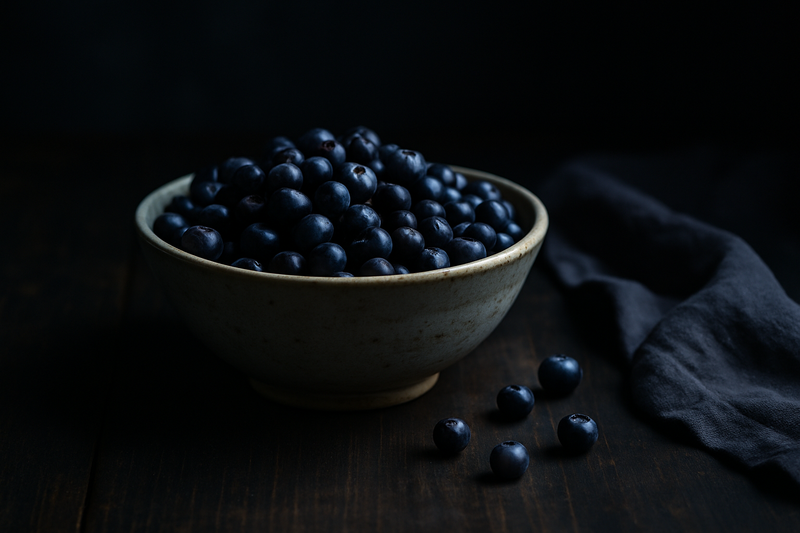
Huckleberry · Photograph
Discover the huckleberry health benefits backed by nutrition science — from anthocyanin-rich antioxidant power to heart, blood sugar, and digestive support. Learn wild huckleberry nutrition facts, safe daily amounts, and how fresh, frozen, and jam forms compare.
Key Nutrients
% Daily Value based on 2,000 cal diet
Key active compounds
Understanding why huckleberries may support health starts with their phytochemicals (naturally occurring plant chemicals that interact with body processes).
- Anthocyanins — Water-soluble pigments in the flavonoid family that create the deep blue-purple color in huckleberries. They act as antioxidants (molecules that neutralize cell-damaging free radicals) and have been linked in berry research to vascular, metabolic, and anti-inflammatory effects.
- Polyphenols (flavonoids and phenolic acids) — A broad category of plant compounds that help neutralize free radicals and modulate cell signaling pathways associated with inflammation and metabolic health.
- Tannins — Astringent polyphenolic compounds with antioxidant and antimicrobial properties; they may support gut health and vascular integrity.
- Pectin — A soluble, gel-forming dietary fiber found in berry cell walls. It can help moderate stool consistency, feed beneficial gut bacteria (acting as a prebiotic), and may help lower blood cholesterol.
- Arbutin — A glycoside (a compound where a sugar molecule is attached to another molecule) found in some Vaccinium species. It has mild antimicrobial activity and has been noted in the context of urinary tract health.
- Quinic acid — An organic acid found primarily in huckleberry leaves and stems rather than the fruit pulp. Historically associated with gout management in herbal traditions, though clinical evidence is mixed and this is more relevant to herbal preparations than to eating the berries.
Prep and pairing ideas
Huckleberries shine with minimal intervention. Here are three practical pairings that make nutritional sense:
Huckleberries + plain Greek yogurt — The yogurt's protein and probiotics (live beneficial bacteria) complement the berry's prebiotic fiber, creating a gut-friendly combination. The tartness of the berries cuts through the richness of the yogurt without needing added sugar.
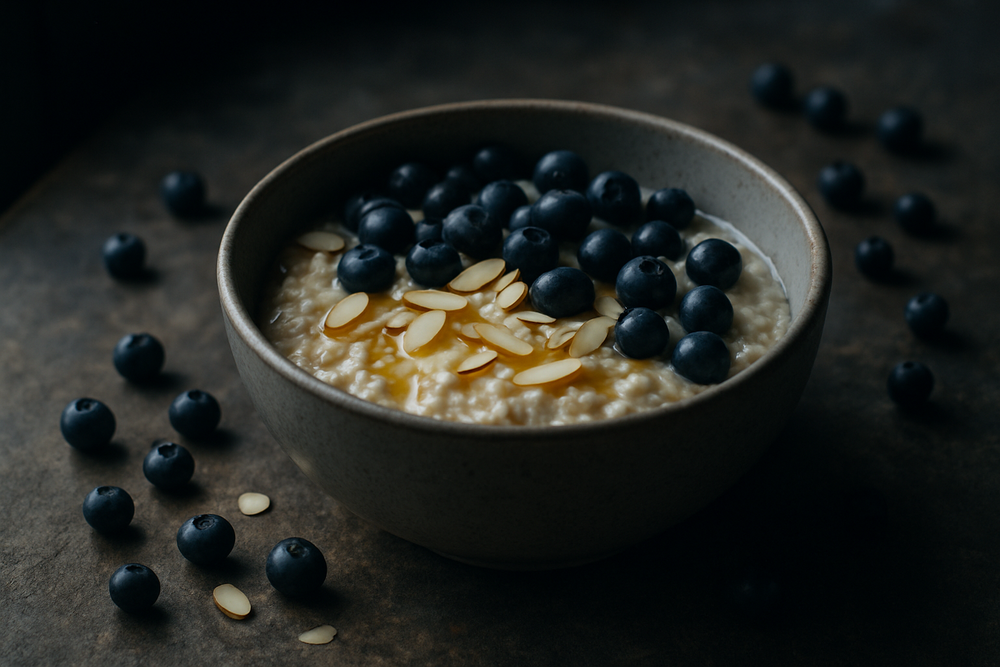
Huckleberries + oatmeal — Oats provide beta-glucan (a specific soluble fiber with strong cholesterol-lowering evidence), and huckleberries layer in anthocyanins, vitamin C, and additional fiber. Together they support a slower, steadier rise in blood sugar after breakfast — a benefit both provide independently and that compounds when combined.
Huckleberries + dark leafy greens in a salad — Vitamin C from huckleberries can enhance the absorption of non-heme iron (the plant-based form of iron, which is less readily absorbed than iron from meat) found in spinach or kale. Add a small drizzle of olive oil — fat helps absorb fat-soluble carotenoids from both the berries and the greens.
Storage tip: Fresh huckleberries are highly perishable. Refrigerate them unwashed in a single layer on a paper-towel-lined tray and use within 3–5 days. For longer storage, spread them on a baking sheet to freeze individually, then transfer to an airtight bag. Do not wash until ready to use.
Bottom line
Huckleberries are a genuinely nutritious wild fruit with a compelling phytochemical profile — particularly their concentration of anthocyanins and fiber. The evidence for direct huckleberry-specific health benefits is still thin compared with closely related berries like blueberries and bilberries, but the biological plausibility is strong and the safety profile for whole fruit is excellent.
Eat them fresh or frozen when you can find them. Be cautious with high-sugar processed forms. If you forage, learn your local species before you taste. And treat them as one high-quality component of a broadly colorful, plant-rich diet — not a standalone cure for anything.
Exploring how berries and other whole plant foods fit into your overall health goals? Browse the Plantopedia goals guide to see how whole-food eating patterns connect to specific health priorities.
How Huckleberry Compares
| Compared with | What's different |
|---|---|
| Huckleberry vs. Blueberry | Huckleberries are tarter with noticeable crunchy seeds, while blueberries are sweeter with soft seeds. |
| Huckleberry vs. Cranberry | Huckleberries grow wild and have a deeper purple pulp, whereas cranberries are firm, bitter, and bright red. |
Health Benefits
Things to Know
Wild identification is essential.: Several ornamental shrubs produce small dark berries that resemble huckleberries but are inedible or potentially harmful. If you are foraging, learn from an experienced guide or use a reliable field guide before eating any wild berry.
Sugar content in processed forms.: Jams, syrups, and sweetened juices can raise blood sugar quickly. If you have diabetes or pre-diabetes, prioritize whole or frozen berries and read labels on processed products.
Digestive sensitivity.: Large amounts of any fiber-rich berry can cause bloating, gas, or loose stools, especially if you dramatically increase intake quickly. Start with modest servings and increase gradually.
Kidney disease and potassium.: Huckleberries contribute small amounts of potassium. For most people this is beneficial, but individuals with advanced kidney disease who need to limit potassium should count huckleberries alongside their total fruit intake and consult a dietitian.
Anticoagulant medications.: Berry polyphenols, including anthocyanins, have shown mild effects on platelet function in studies of related berries. Huckleberry-specific data are lacking, but if you take blood-thinning medications such as warfarin, avoid very high or sudden large increases in berry extract consumption and mention the change to your prescriber.
Antihypertensive medications.: Regularly increasing potassium-rich foods may have modest additive effects on blood pressure. Typical dietary amounts of huckleberries are unlikely to cause problems, but communicate significant dietary changes to your doctor.
Berry allergies.: Allergic reactions to huckleberries are rare but possible, especially in people with existing fruit or berry allergies.
Pregnancy and breastfeeding.: Whole huckleberries in typical food amounts are generally considered safe. Huckleberry supplements or concentrated extracts have not been studied in pregnancy — avoid those forms unless cleared by a healthcare provider.
Shop This Ingredient
Stock your pantry with quality huckleberry.
Buy on AmazonAs an Amazon Associate, Plantopedia earns from qualifying purchases. This costs you nothing extra and helps us keep the encyclopedia free.
Frequently Asked Questions
Heart health and circulation Huckleberries contain anthocyanins and other polyphenols that research on related berries links to improved endothelial function (the health of the inner lining of blood vessels), modest reductions in blood pressure, and protection of LDL cholesterol (often called "bad" cholesterol) from oxidative damage. Human clinical trials using blueberry and bilberry — closely related Vaccinium species — have shown improvements in blood pressure and lipid profiles with regular consumption. Direct large-scale trials on huckleberries themselves have not yet been published, so the heart-health evidence is extrapolated rather than confirmed specifically for this fruit. That said, huckleberries fit naturally into heart-healthy dietary patterns: low in calories, fat-free, fiber-containing, and a source of potassium. Framing them as one colorful berry among several in a diverse plant-rich diet is both evidence-aligned and practically useful. Digestive health and microbiome Huckleberries provide both soluble fiber (including pectin) and insoluble fiber. Soluble fiber dissolves in water and forms a gel that can slow digestion and feed beneficial gut bacteria — a process called prebiotics. Insoluble fiber adds bulk to stools and helps keep things moving. Together, these support bowel regularity and may reduce risk of constipation. While no randomized trials have been run specifically measuring huckleberry intake against gut outcomes, the fiber content is consistent with broader evidence that whole fruit fiber improves gastrointestinal function. Very high intakes can cause bloating or loose stools in sensitive individuals. Blood sugar and metabolism Whole huckleberries are relatively low in carbohydrates and calories per serving, and their fiber slows glucose (blood sugar) absorption — helping to blunt the post-meal blood sugar rise that follows eating. Educational materials produced for communities in Washington State specifically note that huckleberries and blueberries are considered suitable for people managing pre-diabetes or diabetes. Human studies on blueberries show improvements in insulin sensitivity with regular intake, and those findings are cautiously applicable to huckleberries given the botanical similarity. The key distinction: benefits apply to whole or minimally sweetened berries. Huckleberry jams, syrups, and desserts often contain substantial added sugar and can raise blood glucose significantly. Inflammation and recovery The anthocyanins and polyphenols in huckleberries can modulate NF-κB — a molecular switch involved in the body's inflammatory response — based on mechanistic studies and trials using blueberry and bilberry extracts. Human trials measuring specific inflammatory markers after huckleberry consumption have not yet been conducted. Including huckleberries as part of a broader pattern of deeply colored plant foods may contribute to a higher dietary antioxidant capacity and help the body manage low-grade inflammation over time, though specific outcome claims (such as relief from arthritis symptoms) should be treated with caution until huckleberry-focused human data are available.
Fresh whole berries are the gold standard. They deliver the complete package: fiber, vitamins, minerals, anthocyanins, and other polyphenols, with no processing losses and no added sugar. Frozen berries are an excellent practical alternative. Freezing preserves most anthocyanins and vitamin C, making frozen huckleberries well suited for smoothies, baking, and oatmeal toppings. If you can find commercially frozen huckleberries, they behave nutritionally almost identically to fresh. Dried berries concentrate fiber and antioxidants but also concentrate natural sugars and calories. Watch for added sugar on the label, and treat dried huckleberries more like a topping than a main serving. Jams, jellies, and syrups retain some anthocyanins through heat processing, but the high added-sugar content means the blood sugar and metabolic benefits of whole berries are largely offset. Enjoy these for flavor rather than as a health strategy, particularly if you are managing blood sugar. Juices and berry blends typically lack most of the fiber and may be sweetened. If buying huckleberry juice, look for products with no added sugar and consider it a small supplementary source of polyphenols rather than a fiber source. Powders and extracts exist but are not standardized for huckleberry specifically, and most evidence behind berry extracts comes from bilberry and blueberry research. Treat these as experimental rather than evidence-based, and discuss with a healthcare provider if you are considering them alongside medications.
For general dietary use, ½ to 1 cup of fresh or frozen huckleberries (roughly 70–150 g) per day is a practical, evidence-aligned range. Washington State educational materials for health-conscious communities specifically mention at least ½ cup of huckleberries or blueberries daily as a reasonable target for those seeking berry-related health benefits. This amount fits comfortably within the USDA MyPlate recommendation to make fruit half of your plate at meals, counting toward the broader goal of 1.5–2 cups of fruit daily for most adults. Start lower if you are new to high-fiber berries — even ¼ cup a few times a week is a meaningful addition. Gradually increase to allow your digestive system to adjust. For people managing blood sugar: stick to whole berries rather than juice or sweetened products, and pair with protein or healthy fat to further slow glucose absorption. There is no established upper safe limit for whole huckleberries in healthy adults, but very large amounts (several cups daily) may cause gastrointestinal discomfort due to fiber load.
The outdoor enthusiast who forages seasonally Gets a genuinely whole-food, unprocessed source of antioxidants at peak ripeness. May benefit from the mental and physical engagement of foraging itself, which research links to improved wellbeing. Needs to invest in correct botanical identification skills before eating anything from the wild. The person managing blood sugar or cholesterol Can substitute whole huckleberries for higher-sugar snacks or desserts to reduce glycemic load. Benefits from the fiber and polyphenol combination that supports steadier post-meal blood sugar. Should focus on fresh or frozen berries and read labels carefully on any processed huckleberry product.
Quick Answers
Common questions, answered in a line.
Huckleberries are rich in anthocyanins, which are water-soluble pigments that act as powerful antioxidants to neutralize cell-damaging free radicals. These compounds are responsible for the berry's deep blue-purple color and are linked to vascular, metabolic, and anti-inflammatory benefits.
Huckleberries support digestion through soluble fiber like pectin, which helps moderate stool consistency and acts as a prebiotic to feed beneficial gut bacteria. Additionally, the tannins found in the fruit have antimicrobial properties that may further support overall gut health.
Huckleberries help support stable blood sugar levels because their fiber and anthocyanin content promotes a slower, steadier rise in glucose after eating. This benefit is particularly effective when the berries are paired with other high-fiber foods like oatmeal.
To keep fresh huckleberries at their best, refrigerate them unwashed in a single layer on a paper-towel-lined tray for three to five days. For long-term storage, freeze them individually on a baking sheet before transferring them to an airtight bag, and only wash them right before eating.
Eating huckleberries with iron-rich leafy greens like spinach or kale can enhance the absorption of non-heme (plant-based) iron due to the berry's vitamin C content. Adding a small amount of healthy fat, such as olive oil, also helps the body absorb fat-soluble carotenoids from both the berries and the greens.
While whole huckleberries are generally safe for most, people with advanced kidney disease should monitor their intake due to the potassium content. Those taking blood-thinning or blood pressure medications should also consult a doctor before significantly increasing berry consumption due to potential mild interactions.
For Readers in the USA
Local context — sourcing, seasonality, and regional notes.
Wild huckleberries primarily grow in the Pacific Northwest and the Rocky Mountain regions, including states like Idaho, Montana, Oregon, and Washington. Because they are difficult to domesticate, they are almost exclusively harvested from the wild in mountainous USDA plant hardiness zones 4 through 7.
The peak season for fresh American huckleberries typically runs from July through September, depending on the elevation and local climate. In mountain states like Idaho and Montana, the best picking often occurs in August when the berries reach their maximum sweetness and deep purple color.
Fresh huckleberries are rarely found in standard US supermarkets like Kroger or Safeway and are most commonly sold at roadside stands, farmers markets, or specialty co-ops in the Northwest. Outside of their native region, they are usually purchased as frozen whole berries or preserves through specialty online retailers.
The huckleberry is the official state fruit of Idaho and holds deep cultural significance across the Inland Northwest, where it is celebrated in annual festivals. While the "Western" huckleberry (genus Vaccinium) is most famous, the "Eastern" huckleberry (genus Gaylussacia) also grows along the Atlantic coast from Maine to Florida.
AI Clinical Review
- Clearly explains that huckleberries are rich in anthocyanins and fiber, and appropriately compares them with related Vaccinium berries (blueberries, bilberries).
- Emphasizes whole and frozen berries over sweetened products, which aligns with evidence on glycemic control and overall nutrient retention.
- Transparently notes that most health data are extrapolated from related species rather than huckleberry-specific trials.
- Offers practical serving guidance (about ½–1 cup daily) that fits within general fruit recommendations and real-world eating patterns.
- Direct human clinical trials on huckleberries are limited; benefits for blood pressure, lipids, and insulin sensitivity are inferred from blueberry/bilberry studies, so the effect size for huckleberries is uncertain.
- “Antioxidant” and anti‑inflammatory claims often come from lab studies or short-term biomarkers; translation to long‑term disease outcomes remains unproven.
- Mentions of arbutin (urinary tract) and quinic acid (gout) are not well supported for the fruit itself and, in some cases, pertain more to leaves/stems or other species.
- Efficacy and standardization of huckleberry powders/extracts are not established; most supplement data come from other berries.
- Reasonable intake: ½–1 cup (about 70–150 g) of whole or frozen berries per day; increase gradually if you’re sensitive to fiber to minimize bloating or loose stools.
- For blood sugar management, whole berries are preferable to jams/syrups; pairing with protein or healthy fats can further blunt glucose spikes.
- Caution with concentrates/extracts if you use anticoagulants or diabetes medications; pregnant or breastfeeding individuals should avoid non‑food supplements and discuss any high‑dose products with a clinician.
- People with advanced kidney disease may need to consider total dietary potassium; allergies to berries are uncommon but possible. Foragers should ensure correct identification to avoid harmful look‑alikes.
Correct wild identification matters; some ornamental look-alikes are inedible.
References
- USDA FoodData Central — Huckleberries, raw (Alaska Native), nutrition database entry (fdc.nal.usda.gov)
- USDA MyPlate — Fruits: guidance on daily fruit intake for healthy eating (myplate.gov)
- USDA Plant Guide — Evergreen Huckleberry (Vaccinium ovatum) (plants.sc.egov.usda.gov)
- Washington State OSPI — Huckleberry educational PDF (nutrition and community health context) (ospi.k12.wa.us)
- Advanced Health patient education handout — Health Benefits of Huckleberries (advancedhealth.b-cdn.net)
- Dr. Axe / Ancient Nutrition — What Is a Huckleberry? Benefits, Nutrition, Recipes, Side Effects (draxe.com)
- DIY Natural — Health Benefits of Huckleberry (Bilberry) Fruit (anthocyanin and bilberry comparison) (diynatural.com)
- Wild Huckleberry — Five Health Benefits of Huckleberries (wildhuckleberry.com)
- NW Wild Foods — Wild Huckleberries: A Simple Boost to Your Health (nwwildfoods.com)
- Netmeds Health Library — Huckleberries: Identification, Benefits, Uses, and Precautions (netmeds.com)
Know Your Numbers
Eating healthy is a start. Now get to know your biomarkers.
Food changes bloodwork — inflammation, lipids, blood sugar and nutrient status all respond to what you eat. 59 markers from $59.
- Results in 7–10 days at 2,000+ Quest sites
- Licensed provider reviews every result
- One flat price, no membership, HSA/FSA eligible
Educational information only, not medical advice. Panels are ordered and reviewed through our licensed partner; Plantopedia may earn a commission.