Hyssop — health benefits and uses
Ancient European remedy for respiratory and digestive complaints.
The Short Answer
Hyssop is a medicinal herb used to support respiratory health and digestion, containing 13.2mg of antioxidant ferulic acid per 100g. Its bold, minty-bitter leaves are best used sparingly in teas, stews, or salads to provide antimicrobial and anti-inflammatory
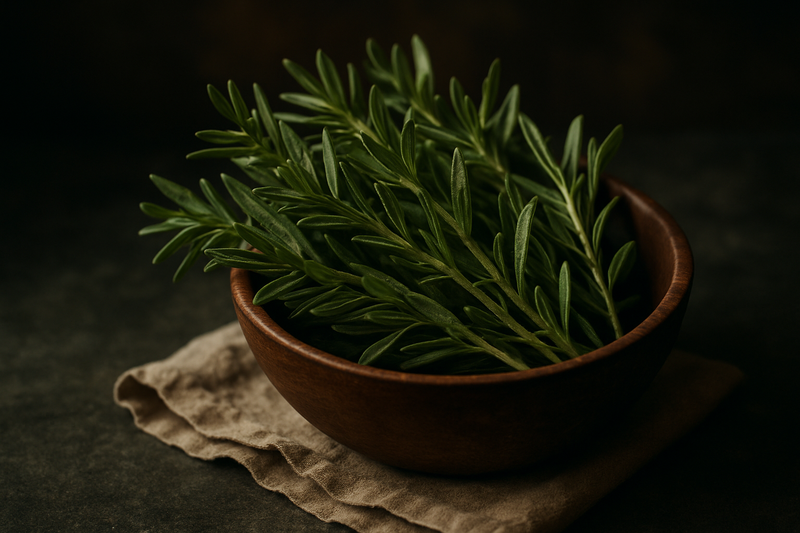
Hyssop · Photograph
Discover the real hyssop health benefits and side effects — from antioxidant compounds and digestive support to the key safety rules around hyssop essential oil, pregnancy, and epilepsy. Evidence-based, layperson-friendly guide.
Key Nutrients
% Daily Value based on 2,000 cal diet
Key active compounds in hyssop
- Flavonoids — A class of polyphenolic compounds found widely in plants. In hyssop, flavonoids are among the primary contributors to antioxidant activity and may help shield cells from oxidative damage (harm caused by unstable molecules called free radicals).
- Ferulic acid (≈13.2 mg/100 g) — A phenolic acid (a plant metabolite with a characteristic ring structure) with well-documented antioxidant and mild anti-inflammatory properties in laboratory models.
- Caffeic acid (≈6.5 mg/100 g) — Another phenolic acid, found in many plants, associated with antioxidant activity and studied for potential effects on inflammation and microbial growth.
- Polyphenols (broader class) — The combined polyphenol content of hyssop is relatively high compared with many culinary herbs, which underlies most of its proposed health properties.
- Essential oil constituents — The volatile (easily evaporated) compounds that give hyssop its sharp scent. These are associated with antispasmodic (muscle-relaxing), expectorant (mucus-clearing), antimicrobial, and antifungal effects in preclinical studies. They are highly concentrated in the distilled essential oil product and present in much smaller amounts in culinary leaf material.
Prep and pairing ideas
Hyssop's bold, minty-bitter flavour is best used lightly. Here are practical ways to work it into everyday cooking.
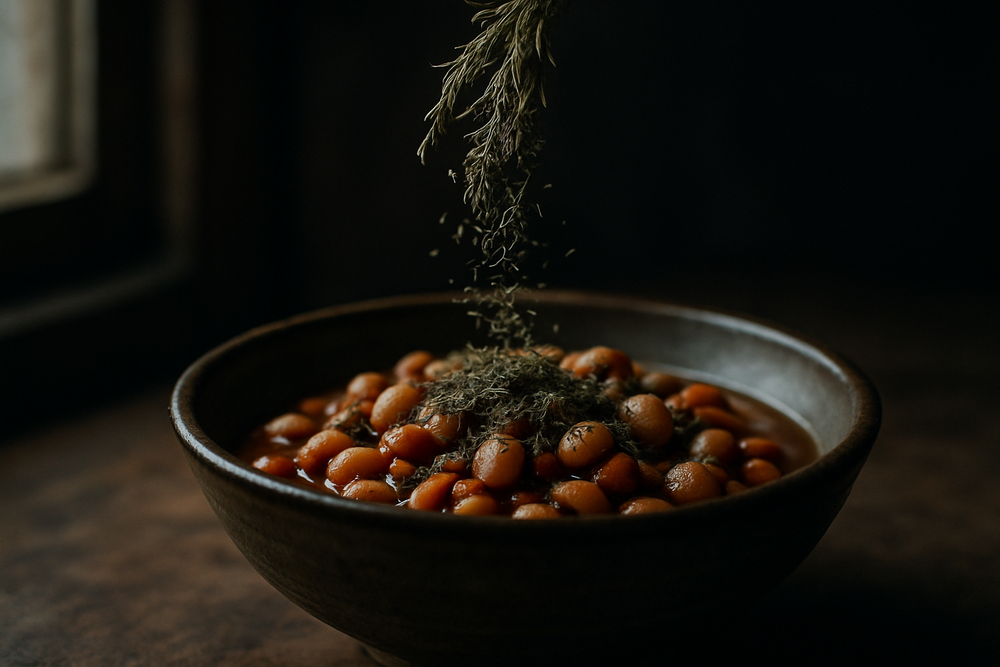
Classic herb soups and stews: Add 3–4 fresh hyssop leaves (or a small pinch of dried) to a vegetable minestrone, lentil soup, or bean stew in the last 5 minutes of cooking. Heat mellows the bitterness and brings out a pleasant herbal warmth.
Fresh salad accent: Tear 2–3 young fresh leaves into a green salad that includes bitter greens like radicchio or rocket. The herb's edge complements rather than clashes with other sharp flavours.
Herbal tea: Steep 1–2 g (roughly half a teaspoon) of dried hyssop tops in 200 mL of just-boiled water for 5–7 minutes. Strain and drink plain, or add a small squeeze of lemon. This is a pleasant, lightly aromatic brew with a clean finish.
Bottom line
Hyssop is a genuinely interesting culinary herb with a real phytochemical profile — flavonoids, phenolic acids, and volatile compounds that show antioxidant, antispasmodic, and antimicrobial activity in laboratory studies. One small human trial suggests a hyssop syrup may support respiratory symptoms in a specific group of people with asthma and productive cough. An ex vivo study found protective effects on human blood cell DNA.
What the research cannot yet support is treating hyssop as a reliable remedy for any specific condition. The human trial base is thin, and most of the exciting findings remain in the lab.
Used as a culinary herb or a mild tea, hyssop is a low-risk, flavour-forward way to diversify your herb repertoire and add small amounts of protective plant compounds to your diet. Used as a concentrated essential oil or in high supplemental doses, especially by pregnant individuals, children, or people with epilepsy, it carries meaningful risks that should not be dismissed.
Keep it culinary, keep it modest, and enjoy it as part of a broader food-as-medicine approach.
Interested in exploring how herbs like hyssop fit into a broader plant-rich wellness approach? Browse by your health goals at /goals.
How Hyssop Compares
| Compared with | What's different |
|---|---|
| Hyssop vs. Peppermint | Hyssop is more bitter and medicinal, while Mint is sweet and cool due to high menthol content. |
| Hyssop vs. Lavender | Hyssop has a sharp, minty camphor edge compared to the earthy, woody, and floral profile of Lavender. |
| Hyssop vs. Thyme | Hyssop is taller with a stronger, bitter-mint flavour compared to Thyme’s savory, lemony notes. |
Health Benefits
Things to Know
Pregnancy and breastfeeding: Hyssop is considered unsafe during pregnancy. It may stimulate uterine contractions or trigger menstruation. Breastfeeding individuals should also avoid concentrated preparations due to insufficient safety data. Culinary pinch amounts in food are generally considered much lower risk, but therapeutic doses should be avoided entirely.
Epilepsy and seizure disorders: Hyssop essential oil has been linked to seizures, including a documented case in a child given just 2–3 drops over several days. Anyone with a history of seizures or epilepsy should avoid hyssop beyond small culinary amounts, especially the essential oil.
Children under 18: Not recommended in concentrated forms. The seizure risk from essential oil is well documented in young children.
Mint family allergy: If you react to mint, thyme, oregano, basil, or other Lamiaceae herbs, you may also react to hyssop.
Drug interactions to be aware of:
Anticonvulsant medications: Hyssop (especially the essential oil) may lower the seizure threshold and potentially reduce the effectiveness of anti-epileptic drugs.
Blood sugar medications: Animal data suggest hyssop may add to glucose-lowering effects. If you take diabetes medication, monitor your blood sugar and consult your clinician before adding hyssop supplements.
CNS-active medications (sedatives, stimulants): Hyssop essential oil has shown neuroactive effects in preclinical studies. Combining it with medications that affect the brain and nervous system warrants caution.
General dose caution: Start with small culinary amounts or a weak tea. Escalating to high doses or concentrated extracts without professional guidance is not advisable.
Shop This Ingredient
Stock your pantry with quality hyssop.
Buy on AmazonAs an Amazon Associate, Plantopedia earns from qualifying purchases. This costs you nothing extra and helps us keep the encyclopedia free.
Frequently Asked Questions
Respiratory health and cough support The strongest human evidence for hyssop concerns the respiratory system. A published clinical trial tested a hyssop-containing syrup in patients with mild-to-moderate asthma. Participants with productive cough (the kind that brings up mucus) and a higher body mass index showed notable symptom improvement. Those with dry cough did not respond as well. Traditional herbalism has long used hyssop as an expectorant (something that helps loosen and clear mucus) and antispasmodic (something that eases muscle spasms in the airway). That said, this is one small trial of a specific syrup preparation — not a licence to self-treat asthma with hyssop tea. Asthma is a serious condition requiring proper medical management. Hyssop may be a supportive addition for some people, but only with clinician guidance. Digestive health and hyssop tea benefits Traditional medicine across Europe and the Middle East used hyssop for bloating, cramping, and sluggish digestion. Laboratory and animal studies suggest that hyssop's essential oil compounds have antispasmodic and antimicrobial properties in the gut, which could theoretically ease mild digestive discomfort. However, no controlled human trials have directly tested hyssop for digestive complaints such as dyspepsia or bloating. The evidence for hyssop tea benefits for digestion is promising in mechanistic terms but remains speculative for clinical use. A gentle cup of hyssop tea after a heavy meal is unlikely to cause harm for most healthy adults, but it is not a proven remedy. Blood sugar and metabolism One preclinical study found that hyssop extracts inhibited an enzyme called alpha-glucosidase in intestinal models. Alpha-glucosidase is the enzyme that breaks down complex carbohydrates into sugar; inhibiting it slows the rise in blood sugar after a meal (postprandial hyperglycaemia). The same study observed reduced blood sugar spikes in mice given sucrose or maltose alongside hyssop extract. These findings are intriguing but come entirely from animal and laboratory models. No human trials have examined hyssop for blood sugar management, and it should never be used as a substitute for established diabetes therapies. Antioxidant activity and immune support An ex vivo study (a study done on living cells taken outside the body, then tested in a lab) found that hyssop preparations significantly reduced hydrogen-peroxide-induced DNA damage in human blood cells. This is a meaningful step beyond pure test-tube chemistry because it involves human cells, but it is still not a clinical trial — it does not tell us whether hyssop reduces disease risk in living people. Hyssop's polyphenol profile is real and relatively rich for a small herb. Adding a variety of polyphenol-rich herbs, including hyssop, to an overall plant-forward diet is a sensible low-risk strategy consistent with the broader evidence on antioxidant-rich diets and immune health. Heart health and circulation No human studies have examined hyssop for cardiovascular outcomes such as blood pressure, cholesterol, or heart disease risk. Any cardiovascular interest in hyssop is extrapolated indirectly from its antioxidant activity and the animal data on blood sugar. Hyssop should not be promoted as a heart herb beyond its possible contribution to a polyphenol-rich diet. Inflammation and recovery The same ex vivo antioxidant study described above also demonstrated antigenotoxic activity (protection of genetic material from damage) in human cells. In laboratory settings, hyssop's phenolic acids inhibit markers of oxidative stress and inflammation. There are no clinical trials measuring inflammation endpoints in humans. These findings suggest biological plausibility for an anti-inflammatory effect, but confirmation in human trials is needed.
Fresh or dried leaves for cooking are the safest and most practical starting point. A small amount of fresh hyssop adds a minty, slightly bitter note to soups, bean dishes, and salads. Culinary quantities are recognised as safe for most healthy adults. Dried herb for tea is the traditional medicinal route. Herbal references suggest 2–4 g of dried herb infused in hot water, up to three times daily. Hyssop tea has essentially no calories and delivers a gentle dose of the herb's phytochemicals. Starting with a weaker brew (1–2 g) makes sense if you are new to the herb. Tinctures (alcohol-based extracts) are used in herbal practice at roughly 2–4 mL of a 1:5 tincture up to three times daily. Clinical evidence for these doses is limited; if you choose this route, seek qualified herbal or medical guidance. Powdered herb capsules are generally considered reasonable at up to about 2–3 g per day (450–900 mg up to three times daily) in herbal references, including in combination respiratory formulas. Hyssop essential oil is not the same as the culinary herb. It is a highly concentrated distilled product, and high doses have been linked to vomiting and seizures. Internal use of the essential oil requires specialist guidance and is contraindicated in pregnancy, in children, and in people with seizure disorders. Aromatherapy (inhaling diffused oil) is a much lower-risk application.
The herb-curious home cook looking to expand beyond thyme and rosemary: Hyssop is easy to grow in a pot on a sunny windowsill and thrives in similar conditions to lavender. A few leaves add genuine complexity to Mediterranean-style bean and grain dishes. Culinary doses provide a low-risk way to explore the herb's phytochemical benefits alongside an already plant-rich diet. The person dealing with occasional post-meal bloating: Traditional and mechanistic evidence suggests hyssop's antispasmodic compounds may ease mild digestive discomfort. A gentle cup of hyssop tea after a heavy meal is a low-risk traditional strategy worth trying. It should complement — not replace — dietary changes or medical advice for chronic digestive conditions.
For general wellness and culinary use, a pinch of fresh or dried leaves in cooking is well within normal safe limits for most healthy adults. For tea prepared from dried herb, herbal references suggest 2–4 g per cup, up to three times daily, as a traditional therapeutic dose — though many people prefer a lighter 1–2 g brew. For powdered herb capsules, herbal monographs generally consider up to about 2–3 g per day (or 450–900 mg up to three times daily) to be a reasonable range for short-term adult use. There is no established maximum safe dose based on clinical trials. The key principles: Start low and build up slowly, paying attention to how your body responds. Keep daily use at culinary or mild tea levels unless guided otherwise by a health professional. Avoid essential oil preparations internally unless under specialist supervision. If you notice nausea, dizziness, or any neurological symptoms, stop and seek medical advice.
Quick Answers
Common questions, answered in a line.
Hyssop is considered unsafe during pregnancy because it may stimulate uterine contractions or trigger menstruation. Pregnant individuals should avoid therapeutic doses entirely, though small culinary amounts used in food are generally considered much lower risk.
People with epilepsy or a history of seizure disorders should avoid hyssop, particularly the essential oil, as it has been linked to triggering seizures. The oil can lower the seizure threshold and may reduce the effectiveness of anti-epileptic medications.
Hyssop contains several antioxidant compounds, including flavonoids, ferulic acid, and caffeic acid. These polyphenols help shield cells from oxidative damage caused by free radicals and have shown mild anti-inflammatory properties in laboratory models.
Hyssop leaves have a bold, minty-bitter flavor that works well when added to vegetable soups, lentil stews, or green salads. Because of its intensity, it is best used lightly, such as adding 3–4 fresh leaves toward the end of cooking to mellow the bitterness.
Hyssop may interact with anticonvulsant medications, diabetes drugs, and medications that affect the central nervous system (CNS). It can potentially lower the seizure threshold or increase the glucose-lowering effects of blood sugar medications.
To make hyssop tea, steep 1–2 grams of dried hyssop tops in 200 mL of just-boiled water for 5–7 minutes. The resulting brew is lightly aromatic with a clean finish and can be enjoyed plain or with a squeeze of lemon.
For Readers in the USA
Local context — sourcing, seasonality, and regional notes.
Hyssop grows best in USDA Hardiness Zones 4 through 9, flourishing in the sunny, well-drained soils of the Pacific Northwest, the Northeast, and the Midwest. While it is a hardy perennial that can withstand cold winters, it typically reaches its peak harvest season for leaves and flowers from June through August.
In the U.S., you can find fresh hyssop at local farmers markets or specialty nurseries, while dried hyssop and supplements are widely available at major health food chains like Whole Foods Market and Sprouts. Because it is less common than mint or basil, most U.S. consumers purchase it through online herbal apothecaries or specialty spice retailers.
Look for the USDA Organic seal to ensure the hyssop was grown without synthetic pesticides, and check the label for 'Hyssopus officinalis' to distinguish it from 'Anise Hyssop' (Agastache foeniculum). While Anise Hyssop is a popular native North American plant used in teas, it belongs to a different genus and has a distinct licorice flavor compared to true hyssop.
The FDA classifies hyssop (Hyssopus officinalis) as 'Generally Recognized as Safe' (GRAS) for use as a spice, seasoning, or flavoring in the United States. However, the FDA does not regulate hyssop supplements for medicinal efficacy, so consumers should look for third-party testing certifications like USP or NSF to ensure product purity.
AI Clinical Review
- Clearly distinguishes culinary hyssop from concentrated essential oil, noting that small food or tea amounts are generally safe while the oil is far more potent and riskier.
- Accurately frames the evidence base as limited: most data are from lab or animal work, with a small human study suggesting possible respiratory symptom support in select patients.
- Explains plausible mechanisms (flavonoids and phenolic acids with antioxidant activity) without overpromising clinical outcomes.
- Offers practical, customary ranges for tea, tincture, and capsules, and encourages modest culinary use as a low‑risk way to add phytochemicals.
- Respiratory benefits are based on a single small trial of a specific syrup; findings may not translate to hyssop tea or other preparations and shouldn’t replace standard asthma care.
- Digestive support is rooted in tradition and preclinical spasm‑relief/antimicrobial data; controlled human trials for bloating or dyspepsia are lacking.
- Blood‑sugar effects (alpha‑glucosidase inhibition, post‑meal glucose blunting) come from animal and in vitro models; no human dosing or durability data exist.
- Antioxidant and anti‑inflammatory signals include ex vivo protection of blood cells, which suggests biological plausibility but not proven disease risk reduction.
- Safety first: avoid concentrated preparations (especially essential oil) in pregnancy, breastfeeding, epilepsy, or for children; seizures have been reported with small oil doses.
- Potential interactions: hyssop may lower seizure threshold and could add to glucose‑lowering effects; people on anticonvulsants or diabetes medications should consult a clinician.
- Dosing perspective: there’s no established maximum safe or effective dose; keep to culinary use or mild tea unless guided by a professional, and avoid internal essential oil use.
- Allergy caution: those sensitive to other mint‑family herbs (thyme, oregano, basil, etc.) may also react to hyssop.
Use small culinary amounts; concentrated oil is not advised in pregnancy or epilepsy.
References
- USDA FoodData Central — hyssop composition data (fdc.nal.usda.gov)
- WebMD: Health Benefits of Hyssop — general safety and uses overview (webmd.com)
- Restorative Medicine Monograph: Hyssopus officinalis — comprehensive herbal review including dosage and safety (restorativemedicine.org)
- Clinical trial — Effect of Hyssop Syrup on Mild to Moderate Asthma (PMC, 2022) (pmc.ncbi.nlm.nih.gov)
- Ex vivo human blood cell study — Antioxidant, Antigenotoxic and Cytotoxic Activity of Hyssop Preparations (PubMed, 2021) (pubmed.ncbi.nlm.nih.gov)
- Animal/intestinal model study — Inhibitory effects of hyssop extracts on alpha-glucosidase and postprandial hyperglycemia (PubMed, 2004) (pubmed.ncbi.nlm.nih.gov)
- Review — Hyssopus Essential Oil: Phytochemistry and Biological Activities (PMC, 2022) (pmc.ncbi.nlm.nih.gov)
- Compositional analysis — Hyssop composition depending on plant age (Biotechnology Acta, 2015) (biotechnology.kiev.ua)
- EBSCO Research Starters: Hyssop's Therapeutic Uses — CAM evidence summary (ebsco.com)
- Rexall / public health reference: Hyssop side effects and interactions (rexall.ca)
Know Your Numbers
Eating healthy is a start. Now get to know your biomarkers.
Food changes bloodwork — inflammation, lipids, blood sugar and nutrient status all respond to what you eat. 59 markers from $59.
- Results in 7–10 days at 2,000+ Quest sites
- Licensed provider reviews every result
- One flat price, no membership, HSA/FSA eligible
Educational information only, not medical advice. Panels are ordered and reviewed through our licensed partner; Plantopedia may earn a commission.