Idli Batter — health benefits and uses
Fermentation and gut-culture angle; explain live-culture, sodium, and heat-treatment differences
The Short Answer
Idli batter is a fermented blend of rice and black gram providing 5g of protein and 2.5g of fiber per cup. While the raw batter contains live cultures, the steaming process kills these microbes, making the final idli a fermented food rather than a probiotic

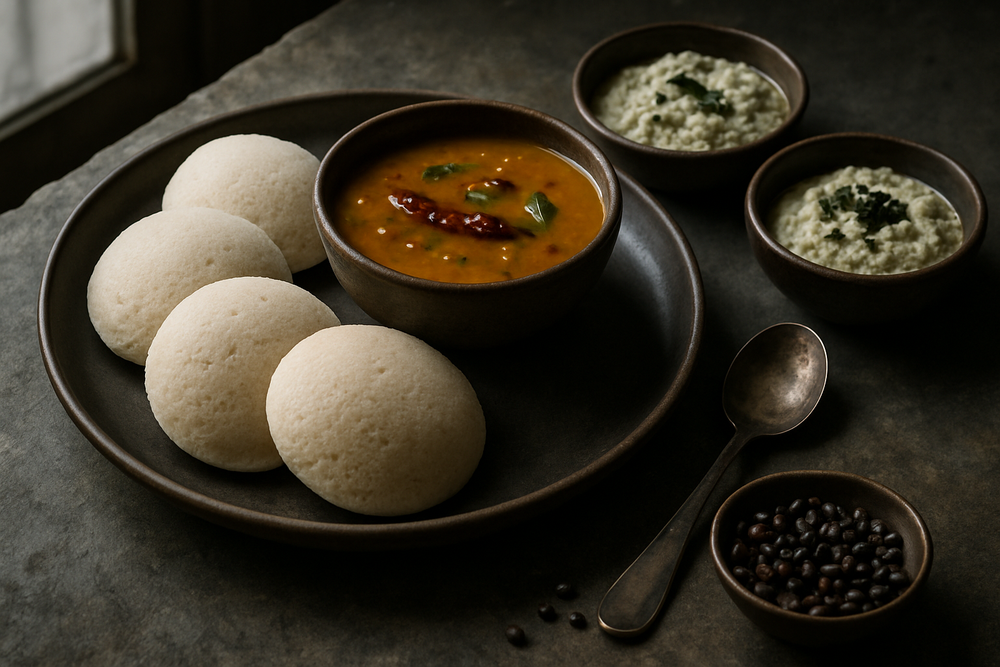
Idli Batter · Photograph
Idli batter is one of the oldest living food traditions in South Asia — a naturally fermented mixture of rice and lentils that has been feeding people across South India and Sri Lanka for centuries. Made from polished parboiled rice and decorticated (hulled) black gram (Vigna mungo, also called urad dal), the batter is soaked, ground, mixed, and left to ferment at warm room temperature before being steamed into soft, cloud-like cakes called idlis.
Key Nutrients
% Daily Value based on 2,000 cal diet
Key active compounds and phytochemicals
- Lactic acid bacteria (LAB) — primarily Leuconostoc mesenteroides and Streptococcus species — drive the fermentation. They acidify the batter, producing organic acids that improve flavor and create a mildly hostile environment for spoilage organisms.
- Wild yeasts contribute carbon dioxide, which gives idlis their characteristic rise and airy texture.
- Phytic acid (phytates) — a naturally occurring compound in grains and legumes that binds minerals like iron and calcium and reduces their absorption. Fermentation degrades phytates, potentially improving mineral bioavailability.
- Phenolic compounds — a broad group of plant antioxidants (including phenolic acids and flavonoids) found naturally in black gram and rice. Some research suggests fermentation may transform or release these compounds, though idli-specific data is limited.
- Resistant starch — starch that resists digestion in the small intestine and is fermented by gut bacteria in the colon. Cooked idlis that are cooled (and reheated) may develop some resistant starch, which can feed beneficial gut bacteria and produce short-chain fatty acids (SCFAs), though this has not been studied specifically in idli.
- Organic acids (mainly lactic acid) formed during fermentation contribute to the mild tang of good idli batter and may play a role in slowing starch digestion slightly compared with unfermented rice.
Myths vs facts about idli batter and probiotics
Myth 1: "Idli is a probiotic food because it's fermented." Fact: Fermented does not automatically mean probiotic. The raw batter contains live lactic acid bacteria and yeasts, but steaming at high temperature inactivates them. The cooked idli does not deliver live cultures. It is a fermented food, not a probiotic food.
Myth 2: "Instant idli mix is just as nutritious as traditionally fermented batter." Fact: Instant mixes typically use chemical leavening (baking soda, citric acid) instead of real fermentation. They skip the step that reduces phytates, develops organic acids, and builds flavor complexity. The nutritional profile and taste are meaningfully different from naturally fermented batter.
Myth 3: "Idli is always a blood-sugar-friendly food because it is light and steamed." Fact: Idli's lightness comes from its low fat content and steamed preparation — not from a low carbohydrate or low glycemic profile. Standard white rice idlis are moderately to highly glycemic. Meal composition (what you eat them with) and portion size matter significantly.
How Idli Batter Compares
| Compared with | What's different |
|---|---|
| Idli Batter vs. Dosa Batter | Dosa batter uses a higher ratio of rice to lentils, creating a crispier texture when fried. |
| Idli Batter vs. Instant Idli Mix | Instant mixes use chemical leaveners like baking soda instead of natural bacterial fermentation. |
| Idli Batter vs. Dhokla Batter | Dhokla is typically made with chickpea flour (besan) and involves a shorter fermentation time. |
Health Benefits
Things to Know
Sodium awareness: Fermented does not mean low-sodium. Commercial batters can be high in added salt. If you are managing high blood pressure, heart failure, or kidney disease, check labels and consider making batter at home with controlled salt.
Blood sugar: If you have diabetes or insulin resistance, pair idlis with protein, fiber, and healthy fat, keep portions moderate, and consider whole-grain batter options. Discuss with your care team.
Legume allergy: Idli batter contains black gram (urad dal). People with legume allergies or sensitivities should exercise caution.
Histamine intolerance: Some people sensitive to fermented foods may react to even mildly fermented products. Idli batter is a short, lactic-type fermentation and typically lower in histamine than long-aged cheeses or cured meats, but individual sensitivity varies.
Celiac disease / gluten sensitivity: Traditional idli batter made from rice and urad dal is naturally gluten-free. However, some commercial batters or restaurant versions include semolina (rava/sooji), which contains gluten, and shared grinding equipment can cause cross-contamination. Always verify.
Food safety: Fermentation happens at room temperature. Use clean utensils, water, and containers. Ferment only as long as needed (typically 6 to 12 hours; up to 14 to 16 hours in cooler climates). Discard batter that smells strongly off, looks discolored, or shows visible mold.
Medications: If you take antihypertensives or diuretics, monitor overall sodium from commercial batters and salty accompaniments. If you are on insulin or carbohydrate-controlled regimens, account for the ~30 g carbohydrate per 2
Shop This Ingredient
Stock your pantry with quality idli batter.
Buy on AmazonAs an Amazon Associate, Plantopedia earns from qualifying purchases. This costs you nothing extra and helps us keep the encyclopedia free.
Frequently Asked Questions
The evidence for idli batter is a mix of well-established food science, inference from fermented food research, and a small number of direct human studies. Here is what each body system evidence actually looks like. Heart and circulation Idli is naturally steamed, oil-free, and cholesterol-free — characteristics associated with a favorable cardiovascular risk profile, particularly when idli replaces fried or animal-based options in the diet. The black gram component contributes plant protein and soluble and insoluble fiber, both of which are linked to better cholesterol and cardiometabolic risk markers in human studies (though not in idli-specific trials). Any heart benefit is most likely to come from idli's role in a broader plant-forward dietary pattern rather than from a unique cardioprotective compound. Worth noting: commercial batters with high sodium, added fats, or chemical leavening may be less aligned with heart-health goals than minimally processed or homemade versions. Digestive health and microbiome This is where the is idli batter good for gut health question gets interesting. Food science data confirm that idli batter fermentation partially breaks down starch and protein, making the final idli easier to digest than an equivalent amount of plain boiled rice and lentils. Reduced phytate levels and improved texture both contribute to better nutrient uptake. However, the important caveat: steaming inactivates the live lactic acid bacteria and yeasts present in raw batter. So while the batter itself is teeming with microbial activity, the finished idli is not a probiotic food in the clinical sense. The digestive benefit is more structural — gentler on the gut, easier to absorb — than it is about delivering live cultures to your colon. If you eat idlis regularly as part of a fiber-rich, plant-forward diet, you are supporting a diverse gut environment indirectly. But for live probiotic delivery, fermented foods that are not heat-treated (like yogurt, kefir, raw kimchi, or miso added after cooking) are more reliable sources. Blood sugar and metabolism This is a meaningful consideration for many people. Idli made from polished white rice batter remains moderately to highly glycemic — the carbohydrate content (30 g per 2 idlis) is largely available starch. Fermentation and the presence of organic acids may modestly slow starch digestion compared with non-fermented rice cakes, but the effect is not dramatic. Practical ways to moderate the glycemic impact of an idli meal: Pair with protein-rich sambar (lentil soup with vegetables) Add fiber via vegetable sides or coconut-based chutneys with some fat Choose batters with a higher urad dal ratio, or those incorporating brown rice or millets Keep portions reasonable (2 to 3 idlis rather than 5 to 6) There are no robust randomized controlled trials specifically testing idli batter's effect on post-meal glucose. Advice in this area is inferred from glycemic index research and cereal-legume fermentation data. Inflammation and recovery There are no direct human studies linking idli consumption to inflammatory biomarkers. Broader fermented-food and microbiome research suggests that diets rich in diverse fermented plant foods are associated with lower inflammatory markers in some studies — but those data come primarily from yogurt, kimchi, kefir, and similar foods, not idli specifically. Idli's potential contribution here is indirect: as part of a fiber-rich, plant-forward diet, it may support a healthier gut microbiome, which in turn is associated with lower systemic inflammation. The mechanism is population-level and dietary pattern-level, not a direct anti-inflammatory compound specific to idli batter.
Homemade naturally fermented batter Full control over rice:lentil ratio (commonly 2:1 to 3:1) No added preservatives, excess salt, or chemical leavening Ferments at room temperature for 6 to 12 hours (longer in cooler climates) Best flavor development and the most genuine fermentation-driven nutrient changes Small addition of fenugreek (Trigonella foenum-graecum) seeds is traditional — they aid fermentation, add soluble fiber, and improve batter rise Refrigerated ready-to-cook commercial batter Convenient and already fermented; many brands use natural fermentation Check the ingredient list: rice, urad dal, water, salt, and optionally fenugreek is the ideal short list Watch sodium content — commercial batters vary widely and some are quite high in added salt Avoid batters with added refined oils, preservatives, or chemical leavening agents hiding in plain sight Dry instant idli mix Uses chemical leavening to mimic rise; no true fermentation step Phytate levels are not reduced; flavor complexity is lower Generally the least nutritionally aligned option for someone seeking the fermentation-related benefits of traditional batter Whole-grain or brown-rice batter Higher fiber, more micronutrients, more robust flavor Denser texture — takes some getting used to Fermentation dynamics differ slightly with bran present, but the process still works Best choice if blood sugar management or fiber intake is a priority Label tip: If a commercial batter's first ingredients are rice flour and lentil flour (rather than whole soaked grains), it has likely skipped true fermentation. Look for "naturally fermented" on the label and a mildly tangy smell when you open the container.
Quick Answers
Common questions, answered in a line.
Idli is considered a fermented food, but it is not a probiotic food because the steaming process kills the live beneficial bacteria. While the raw batter contains live lactic acid bacteria and yeasts, these cultures are inactivated by high heat during cooking.
Traditional idli batter made from rice and black gram (urad dal) is naturally gluten-free. However, shoppers should check labels for semolina (rava/sooji) or potential cross-contamination from shared grinding equipment, which may introduce gluten into commercial versions.
Fermentation in idli batter helps degrade phytic acid, which is a compound in grains and legumes that can block the absorption of minerals like iron and calcium. By breaking down these phytates, the fermentation process potentially improves the bioavailability of essential minerals.
Standard white rice idlis are moderately to highly glycemic and can impact blood sugar due to their carbohydrate content. To manage glucose levels, individuals with diabetes should pair idlis with protein, fiber, and healthy fats, and consider using whole-grain batter options.
Modern instant idli mixes typically use chemical leavening agents like baking soda rather than natural fermentation. Because they skip the traditional fermentation step, these mixes do not offer the same reduction in phytates or the complex organic acids found in traditional batter.
Idli batter is driven by lactic acid bacteria, primarily Leuconostoc mesenteroides and Streptococcus species. These bacteria acidify the batter to improve flavor and create a protective environment that helps prevent the growth of spoilage organisms.
Commercial idli batters can be high in added sodium, which may be a concern for those managing high blood pressure or kidney disease. Preparing batter at home allows for better control over salt content to support heart health.
For Readers in the USA
Local context — sourcing, seasonality, and regional notes.
You can find fresh idli batter in the refrigerated section of most Indian grocery stores like Patel Brothers or Subzi Mandi, and increasingly at specialty retailers like Whole Foods. Many regional brands now distribute nationwide, though availability varies by the density of the local South Asian population.
For the best results in the U.S., use parboiled "Idli Rice" and whole or split urad dal (husked black gram) found at ethnic markets. While standard American long-grain rice is not ideal due to its starch profile, some home cooks successfully substitute short-grain Japanese rice or Goya-brand parboiled rice in a pinch.
In cooler U.S. climates or during winter, idli batter may fail to rise at room temperature; many home cooks use the "Proof" setting on their oven or an Instant Pot on the "Yogurt" setting to maintain the necessary 80-90°F environment. Placing the batter in a warm spot, like near a heater or inside an oven with the pilot light on, helps ensure successful fermentation.
The USDA Organic seal ensures that the rice and urad dal used in the batter were grown without synthetic pesticides or GMOs, which is a common preference for health-conscious consumers in the US. Look for brands that carry the USDA Organic green and white logo on the refrigerated tub to verify these standards.
AI Clinical Review
- Clearly explains that fermentation improves texture, flavor, and nutrient availability while steaming inactivates live microbes—so cooked idlis are fermented but not probiotic.
- Accurately notes that cereal–pulse fermentation can reduce phytic acid (phytates), which may enhance absorption of minerals like iron and calcium.
- Describes digestibility benefits from partial breakdown of starches/proteins and rightly cautions that white‑rice idlis remain moderately to highly glycemic.
- Helpfully distinguishes traditionally fermented batters from instant mixes that rely on chemical leavening and may not deliver the same nutritional effects.
- Places idli within a plant‑forward, low‑fat dietary pattern—an evidence‑based way to support cardiometabolic health when replacing more processed or fried options.
- Human trials specifically testing idli (vs. other fermented foods) on post‑meal glucose, lipids, or inflammatory markers are limited; many conclusions are extrapolated.
- The degree to which B‑vitamin content, phenolics, and other bioactives change during idli fermentation varies by method and has not been consistently quantified.
- Claims about resistant starch increases after cooling/reheating idlis are plausible but not well studied in idli itself.
- Mineral bioavailability gains likely depend on rice:urad ratio, grain polishing, salt level, and time/temperature of fermentation—areas needing standardized human studies.
- Portion context: about 2 medium idlis (~100 g cooked) provide roughly 30 g carbohydrate; people with diabetes or insulin resistance may wish to pair with protein/vegetables and monitor portions.
- Sodium varies widely in commercial batters; those with hypertension, kidney disease, or heart failure should check labels or prepare low‑salt batter at home.
- Allergy and intolerance considerations: contains black gram (a legume); some mixes include semolina (gluten) or risk cross‑contact; sensitivity to fermented foods (histamine) also varies.
- Food safety matters with room‑temperature fermentation: use clean equipment, ferment only until risen/tangy, refrigerate after, and discard if there are off‑odors, discoloration, or visible mold.
Fermented does not always mean probiotic; note sodium and live/active culture differences.
References
- PubMed — Probing the metagenome and nutritional composition of idli batter fortified with electrolytic iron for addressing anaemia (pubmed.ncbi.nlm.nih.gov)
- PMC, National Library of Medicine — Preparation of idli batter, its properties and nutritional improvement during fermentation (pmc.ncbi.nlm.nih.gov)
- PubMed — Bio-fortification and shelf-life extension of idli batter using curry leaves (Murraya koenigii) (pubmed.ncbi.nlm.nih.gov)
- PMC, National Library of Medicine — Accelerated fermentation of Idli batter using Eleusine coracana and Pennisetum glaucum (pmc.ncbi.nlm.nih.gov)
- PubMed — Investigation of biogenic amines content in fermented idli batter during storage (pubmed.ncbi.nlm.nih.gov)
- PMC, National Library of Medicine — Bacterial diversity of traditional fermented food, Idli by high thorough-put sequencing (pmc.ncbi.nlm.nih.gov)
- Wiley Online Library — Fbe2.12059 (onlinelibrary.wiley.com)
Know Your Numbers
Eating healthy is a start. Now get to know your biomarkers.
Food changes bloodwork — inflammation, lipids, blood sugar and nutrient status all respond to what you eat. 59 markers from $59.
- Results in 7–10 days at 2,000+ Quest sites
- Licensed provider reviews every result
- One flat price, no membership, HSA/FSA eligible
Educational information only, not medical advice. Panels are ordered and reviewed through our licensed partner; Plantopedia may earn a commission.