Jack Beans — health benefits and uses
A hardy tropical legume grown as a cover crop and famine food.
The Short Answer
Jack beans are edible tropical legumes that provide 10.9g of protein per cup, but they must be thoroughly cooked to neutralize toxic lectins. The young, tender pods are safer and easier to prepare than the mature seeds, which require extensive soaking and
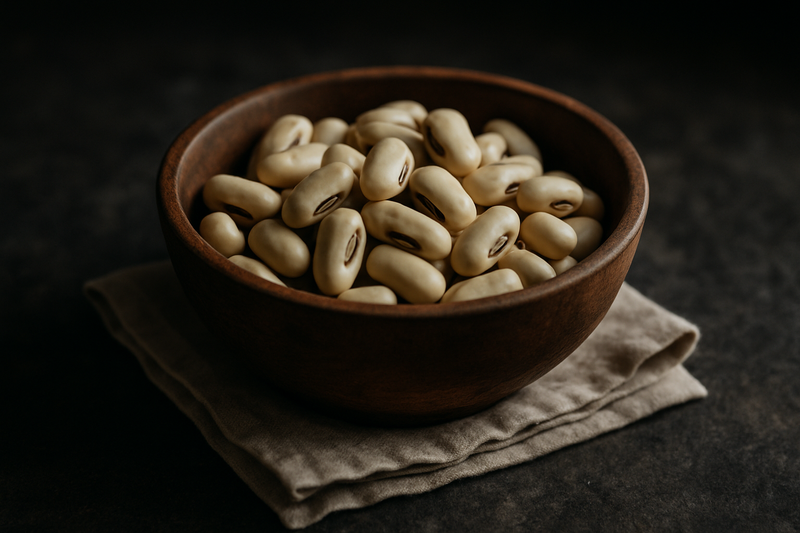
Jack Beans · Photograph
Discover jack beans health benefits, nutrition facts, and safety tips. Learn why tender young pods are the safest way to eat this tropical legume, how to cook them, and what makes mature seeds risky without proper preparation.
Key Nutrients
% Daily Value based on 2,000 cal diet
Key active compounds
Jack beans contain several notable phytochemicals (plant-derived compounds with biological activity). Some are beneficial; others are the reason mature seeds need careful handling.
- Concanavalin A (ConA): The most studied compound in jack beans. A type of lectin — a protein that binds to specific sugars on cell surfaces — found primarily in mature seeds. At low doses, ConA strongly stimulates white blood cells (lymphocytes); at higher doses, it is toxic to several cell types. It is the main reason raw or undercooked mature seeds are unsafe to eat.
- Other lectins and toxic proteins: Additional lectin-like proteins distinct from ConA have been isolated from jack bean seeds, each with its own binding pattern and potential to disrupt digestion or immune function.
- Resistant starch: A fraction of starch that bypasses digestion in the small intestine and reaches the colon, where it is fermented by gut bacteria. Mature jack bean seeds contain roughly 10.8% resistant starch within their total starch, which may have prebiotic (beneficial to gut bacteria) effects.
- Phenolic antioxidants: Polyphenolic compounds with free-radical scavenging ability have been identified in jack bean preparations, contributing to overall antioxidant activity.
- Trypsin inhibitors and phytic acid: Protease inhibitors that interfere with protein digestion, and phytic acid that can reduce mineral absorption. Both are classed as anti-nutritional factors — compounds that work against, rather than for, nutrient uptake. Cooking, soaking, and germination can reduce (but may not eliminate) these factors.
Are jack beans safe to eat? Understanding the pod vs. seed difference
This is the most important question about jack beans, and the answer depends entirely on which part of the plant you are eating and how it is prepared.
Young tender pods: Generally safe when well cooked. Immature pods have high moisture content (~83%), relatively low lectin levels, and a nutritional profile similar to other edible pod legumes. Thorough cooking (boiling or steaming until fully soft) further reduces any residual anti-nutritional factors. Do not eat them raw.
Mature dry seeds: Require extensive processing and carry real risk if shortcuts are taken. Raw or inadequately cooked jack bean seeds contain high levels of ConA and other lectins that can cause:
- Gastrointestinal damage, nausea, and vomiting
- Impaired absorption of protein and minerals
- Immune activation with potential for systemic effects at high exposure
Traditional processing methods to reduce lectin content in mature seeds include:
- Extended soaking (overnight or longer), discarding the soaking water
- Repeated boiling, discarding and replacing the cooking water at least once
- Fermentation or germination (which reduces but may not eliminate lectins)
Even after traditional processing, residual risk remains. Mature jack bean seeds are not commonly recommended as a routine human food, and most published research on seed meal has been in animal feed contexts.
Never eat jack bean seeds raw. This applies to jack beans more strongly than to most common legumes.
Prep and pairing ideas
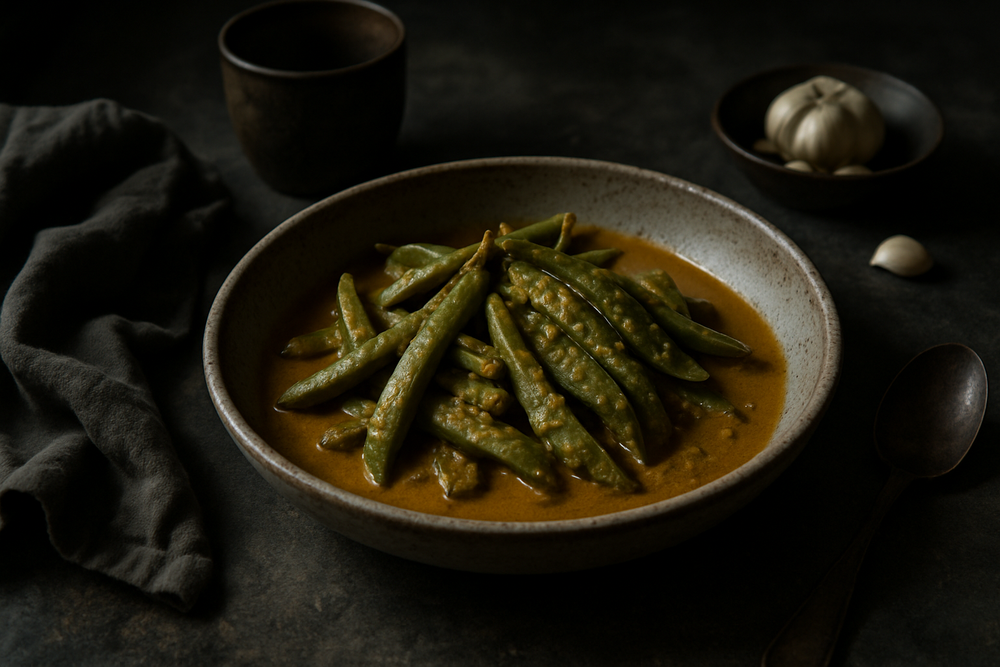
Young jack bean pods can be prepared much like green beans or yard-long beans. Here are practical starting points:
Basic prep:
- Select pods that are still bright green, slim, and snap crisply — signs they are young and tender.
- Wash, trim the ends, and cut into 3–5 cm pieces.
- Boil in well-salted water for 8–12 minutes until fully tender (longer than you would a snap bean), or steam for 10–15 minutes.
- Drain, and proceed with your recipe. Do not eat pods raw.
Three practical pairings:
- Jack bean pods + garlic + coconut milk: A classic Southeast Asian preparation. Garlic provides allicin (an antimicrobial compound) and enhances the savory depth of the mild pods; coconut milk adds healthy fats that help absorb fat-soluble nutrients. Works as a simple side dish or curry base.
- Jack bean pods + tomatoes + onion: Common in West African home cooking. The vitamin C in tomatoes helps improve absorption of the non-heme iron (plant-based iron that the body absorbs less efficiently than meat-based iron) in the pods. Stew or sauté together with a pinch of chili.
- Jack bean pods + brown rice + turmeric: Completes the amino acid profile (jack bean protein is lower in methionine; rice helps balance this), and turmeric's curcumin contributes anti-inflammatory compounds to the meal. A filling, fiber-rich bowl.
Bottom line
Jack beans are a nutritionally interesting tropical legume with genuine potential as a plant protein and fiber source — but they come with a safety profile that requires attention. Young, thoroughly cooked pods are the accessible, lower-risk way to enjoy this ingredient, delivering a meaningful amount of plant protein, dietary fiber, and vitamin C in a format that fits naturally into whole food, plant-based eating.
The large mature seeds are a different story: nutritionally rich, but containing concanavalin A and other lectins at levels that can cause real harm without extensive, careful processing. Until human clinical trial evidence is available and standardized preparation guidelines exist, mature seeds are best left to traditional communities with generations of processing knowledge — or avoided entirely.
For most people looking to diversify their legume intake with something off the beaten path, young jack bean pods offer an intriguing option. Just cook them thoroughly, start with a modest portion, and skip the raw-seed experiments entirely.
Looking to build more legumes and high-fiber plant foods into your routine? Explore the Plantopedia goals guide for practical eating patterns built around whole plant foods.
How Jack Beans Compares
| Compared with | What's different |
|---|---|
| Jack Beans vs. Green Beans | Jack beans have much larger pods and contain higher levels of toxic lectins if not prepared properly. |
| Jack Beans vs. Lima Beans | Jack beans require extensive soaking and boiling to neutralize Concanavalin A, unlike standard lima beans. |
Health Benefits
Things to Know
Pregnancy and breastfeeding: Concanavalin A is classified as a suspected reproductive toxicant in laboratory safety contexts. Pregnant and breastfeeding individuals should avoid mature seeds entirely and consult a healthcare provider before eating jack bean pods regularly.
Autoimmune conditions: ConA is a potent immune system activator. People with autoimmune diseases (lupus, rheumatoid arthritis, inflammatory bowel disease, etc.) or taking immunosuppressive medications should discuss jack bean intake with their doctor.
GI disorders: Those with inflammatory bowel disease, irritable bowel syndrome, or peptic ulcer disease may be more vulnerable to mucosal irritation from lectins in inadequately processed seeds. Stick to well-cooked young pods in small amounts initially.
Kidney or liver disease: Systemic effects from lectins place extra burden on detoxification pathways. People with kidney or liver conditions should exercise caution with any novel or high-risk food.
Children: Lower body mass and developing organ systems make children more vulnerable to lectin toxicity. Serve only tender, thoroughly cooked pods in age-appropriate portions.
Legume allergies: Cross-reactivity between jack bean proteins and other legumes is plausible. If you have known legume allergies, introduce cautiously or avoid.
Medication interactions: Theoretically, the immunomodulatory activity of jack bean lectins could interact with immunosuppressive drugs, chemotherapy agents, or anticoagulants. No direct drug–food interaction studies exist, but err on the side of caution and inform your care team.
Start small: Even with young pods, introduce them gradually — a small portion of 50 g — to assess your personal tolerance before eating larger amounts.
Prep Ideas
- — Select pods that are still bright green, slim, and snap crisply — signs they are young and tender.
- — Wash, trim the ends, and cut into 3–5 cm pieces.
- — Boil in well-salted water for 8–12 minutes until fully tender (longer than you would a snap bean), or steam for 10–15 minutes.
- — Drain, and proceed with your recipe. Do not eat pods raw.
- — **Jack bean pods + garlic + coconut milk:** A classic Southeast Asian preparation. Garlic provides allicin (an antimicrobial compound) and enhances the savory depth of the mild pods; coconut milk adds healthy fats that help absorb fat-soluble nutrients. Works as a simple side dish or curry base.
- — **Jack bean pods + tomatoes + onion:** Common in West African home cooking. The vitamin C in tomatoes helps improve absorption of the non-heme iron (plant-based iron that the body absorbs less efficiently than meat-based iron) in the pods. Stew or sauté together with a pinch of chili.
- — **Jack bean pods + brown rice + turmeric:** Completes the amino acid profile (jack bean protein is lower in methionine; rice helps balance this), and turmeric's curcumin contributes anti-inflammatory compounds to the meal. A filling, fiber-rich bowl.
Shop This Ingredient
Stock your pantry with quality jack beans.
Buy on AmazonAs an Amazon Associate, Plantopedia earns from qualifying purchases. This costs you nothing extra and helps us keep the encyclopedia free.
Frequently Asked Questions
It is important to be clear upfront: there are no completed human clinical trials specifically studying jack bean pod consumption and health outcomes. The potential benefits described below are either inferred from nutrient composition or extrapolated from the large body of research on legumes as a food group. This is emerging evidence, not established fact. Heart and circulation Jack bean pods provide plant protein, dietary fiber, and minerals — a nutrient combination consistently associated with heart-health benefits when legumes are eaten regularly in place of animal protein, according to large observational studies on legumes broadly (not jack beans specifically). Fiber, in particular, may help support healthy cholesterol levels and blood pressure. However, no human study has measured blood lipids, blood pressure, or cardiovascular events in people eating jack beans. Any heart-related benefit is theoretical at this stage. Digestive health and microbiome At 4 g fiber per 100 g cooked pods, jack beans contribute meaningfully to daily fiber intake — an area where most people fall short. Dietary fiber supports bowel regularity, feeds beneficial gut bacteria, and may help reduce the risk of constipation. The resistant starch in mature seeds (less studied in the pods) could additionally act as a prebiotic — a fuel source for healthy gut microbes that produce short-chain fatty acids, compounds linked to colon health. That said, lectins in inadequately processed mature seeds can do the opposite: damaging the intestinal lining and disrupting nutrient absorption. Young, thoroughly cooked pods are the appropriate form for digestive support. Blood sugar and metabolism Legumes are broadly recognized as glycemic-friendly foods — their fiber and protein slow glucose absorption, helping to moderate blood sugar spikes after meals. Mature jack bean seeds also contain a notable fraction of resistant starch, which in other foods has been shown to lower postprandial (after-meal) glycemic responses. In whole-food eating patterns, young jack bean pods could contribute to a glycemic-friendly meal alongside other low-GI (glycemic index) foods. There are no human intervention studies on jack beans and blood glucose, fasting insulin, or HbA1c (a long-term blood sugar marker), so these benefits remain extrapolated rather than proven. Inflammation and recovery Concanavalin A has been extensively studied in laboratory and animal models for its ability to modulate immune responses. At low concentrations, it activates lymphocytes (white blood cells); at higher concentrations, it has triggered cell death in certain tumor cell lines in vitro (in lab cultures). This has sparked research interest in ConA as a potential pharmacological agent — not a food. It is toxic in amounts beyond trace dietary exposure. From a dietary perspective, the vitamin C and phenolic antioxidants in young pods contribute modestly to the body's antioxidant defenses, but this has been measured in chemical assays, not human outcomes studies.
The plant-based eater in a tropical region seeking affordable protein Jack bean pods offer more protein per gram than most green vegetables, making them useful when diverse protein sources are limited. They fit naturally into stir-fries, soups, and rice dishes common in West Africa, Southeast Asia, and Latin America. Tender pods are widely available locally in tropical growing regions and require no special equipment to prepare safely. The fiber-focused eater looking to diversify beyond common beans At 4 g fiber per 100 g, young pods complement other legumes and whole grains in hitting the recommended 25–38 g daily fiber target. Jack beans provide variety in texture and flavor compared with snap beans, yard-long beans, or green beans. Rotating legume varieties supports a more diverse gut microbiome, which broader nutrition research links to better digestive and metabolic health.
There is no established recommended daily amount for jack beans. No regulatory body or major health organization has set a specific intake target. As a practical guideline based on how this food is traditionally used: Young cooked pods: A serving of 50–100 g cooked pods a few times per week is a reasonable, food-first starting point — similar to how you might eat green beans or snap peas in rotation with other vegetables and legumes. First time eating them: Start with 50 g and wait to see how your digestive system responds before increasing the amount. Mature seeds: There is no safe "dose" that can be recommended for home preparation without professional guidance. The variability in lectin reduction from home processing methods is too high to quantify a safe amount. Supplements or extracts: Not recommended. Isolated ConA or jack bean lectin extracts are research chemicals, not food supplements. The "start low, go slow" principle applies here more than with most legumes.
Quick Answers
Common questions, answered in a line.
Jack beans contain Concanavalin A (ConA), a lectin that is toxic at high doses, along with trypsin inhibitors and phytic acid. These anti-nutritional factors can disrupt digestion, impair nutrient absorption, and cause gastrointestinal distress if the beans are not properly prepared.
Raw or undercooked mature jack bean seeds are unsafe to eat because they contain high levels of Concanavalin A and other toxic lectins. Ingestion can lead to severe nausea, vomiting, gastrointestinal damage, and potential immune system activation.
You should only eat young, bright green jack bean pods that snap crisply, and they must be thoroughly boiled for 8–12 minutes or steamed for 10–15 minutes. Never eat the pods raw, and avoid mature seeds unless you are using extensive traditional processing methods.
Pregnant and breastfeeding individuals should avoid mature jack bean seeds entirely and consult a doctor before eating the pods. Concanavalin A, a compound found in the beans, is classified as a suspected reproductive toxicant in laboratory safety contexts.
Mature jack bean seeds contain approximately 10.8% resistant starch, which may act as a prebiotic to support beneficial gut bacteria. However, because the seeds also contain high levels of toxins, young cooked pods are the safer choice for general dietary fiber intake.
Jack bean pods are best paired with garlic and coconut milk, tomatoes and onions, or brown rice and turmeric. Combining the pods with vitamin C-rich tomatoes helps improve the absorption of their plant-based iron, while rice provides the amino acids needed to complete the protein profile.
People with autoimmune diseases, kidney or liver conditions, or gastrointestinal disorders should be extremely cautious with jack beans and consult a healthcare provider first. Because the lectins in jack beans can activate the immune system, they may interfere with certain medical conditions.
For Readers in the USA
Local context — sourcing, seasonality, and regional notes.
In the United States, jack beans are primarily grown in USDA hardiness zones 9 through 11, including southern Florida, Texas, and Hawaii. Because they are highly sensitive to frost, they are typically planted in the spring and harvested as tender pods in mid-to-late summer.
You can find jack bean pods at specialized Asian or Caribbean grocery stores and select farmers markets in southern US states. While rarely found in national chains like Kroger or Whole Foods, they are occasionally sold under regional names like "overlook bean" or "sword bean."
The FDA classifies jack beans as a "neglected and underutilized" crop, meaning there are no specific US federal grading standards for them like there are for common green beans. Consumers should ensure any imported or domestically sold pods are young and labeled for human consumption.
In the US, jack beans are most commonly used in Southern regional cuisines with Caribbean influences, often appearing in spicy stews or sautéed with aromatics. They serve as a hardy, heat-tolerant alternative to traditional snap beans during the intense humidity of the Gulf Coast summer.
AI Clinical Review
- Clearly distinguishes between young pods and mature seeds, highlighting that lectins—especially concanavalin A (ConA)—make seeds risky while well-cooked tender pods are the practical, lower‑risk food form.
- Appropriately notes that human clinical trials on jack beans are lacking; potential benefits are inferred from nutrient composition and broader legume research.
- Provides a realistic nutrition snapshot with caveats about variability and the likelihood that seed mineral data overestimates pod values.
- Offers practical, safer-use guidance (cook pods thoroughly; start with modest portions) and culturally familiar cooking ideas.
- Nutrient composition of immature pods is based on limited compositional studies and may vary by cultivar, soil, and harvest stage; iron bioavailability is likely reduced by phytate and hasn’t been quantified for pods.
- Cardiometabolic and microbiome benefits for jack bean specifically remain theoretical—there are no randomized trials, glycemic index data for pods, or dose–response studies in humans.
- Evidence for resistant starch and antioxidant effects comes largely from mature seeds and in vitro work; it’s uncertain how much applies to typical portions of cooked pods.
- Safety thresholds after traditional processing of mature seeds are not standardized; residual lectin content can vary widely with home methods.
- Safer consumption centers on young pods that are thoroughly cooked; avoid mature seeds for home use and never eat seeds raw.
- Practical intake: begin around 50 g cooked pods to assess tolerance; if well tolerated, 50–100 g a few times per week is reasonable alongside other legumes.
- Extra caution for those who are pregnant or breastfeeding, have autoimmune or GI conditions, kidney or liver disease, children, and anyone with legume allergies; individuals on immunosuppressants, chemotherapy, or anticoagulants should check with a clinician.
- If sourcing unfamiliar produce, confirm plant identification and maturity stage; skip supplements or extracts of jack bean lectins (e.g., ConA), which are research chemicals rather than foods.
Only young pods are readily edible; mature seeds contain concanavalin A and require careful preparation.
References
- USDA FoodData Central — Legumes and pulses database (fdc.nal.usda.gov)
- Harvard T.H. Chan School of Public Health, The Nutrition Source: Legumes and pulses (nutritionsource.hsph.harvard.edu)
- Jack bean (Canavalia ensiformis): nutrition-related aspects — PubMed review (pubmed.ncbi.nlm.nih.gov)
- Nutritional evaluation of Canavalia ensiformis immature pods — Botany Journals compositional study (botanyjournals.com)
- Dietary jack bean as a source of natural resistant starch — PMC article (pmc.ncbi.nlm.nih.gov)
- Physicochemical properties and anti-nutritional factors of raw, cooked, and germinated jack bean — ScienceDirect (sciencedirect.com)
- Concanavalin A as a promising lectin-based anti-cancer agent — PMC review (pmc.ncbi.nlm.nih.gov)
- Binding pattern and toxicological effects of lectins from Fabaceae — ScienceDirect (sciencedirect.com)
- **Sigma-Aldrich Safety Data Sheet: Concanavalin A from **Canavalia ensiformis (sigmaaldrich.com)
- Nutrient content of jack bean at different growth stages — BioConferences ICAAA 2025 (bio-conferences.org)
Know Your Numbers
Eating healthy is a start. Now get to know your biomarkers.
Food changes bloodwork — inflammation, lipids, blood sugar and nutrient status all respond to what you eat. 59 markers from $59.
- Results in 7–10 days at 2,000+ Quest sites
- Licensed provider reviews every result
- One flat price, no membership, HSA/FSA eligible
Educational information only, not medical advice. Panels are ordered and reviewed through our licensed partner; Plantopedia may earn a commission.