Lablab Beans (Dried) — health benefits and uses
A drought-hardy legume long grown for both pods and dried beans in the tropics.
The Short Answer
Lablab beans (hyacinth beans) must be soaked for 8 hours and boiled vigorously for at least 10 minutes to neutralize naturally occurring cyanogenic compounds.
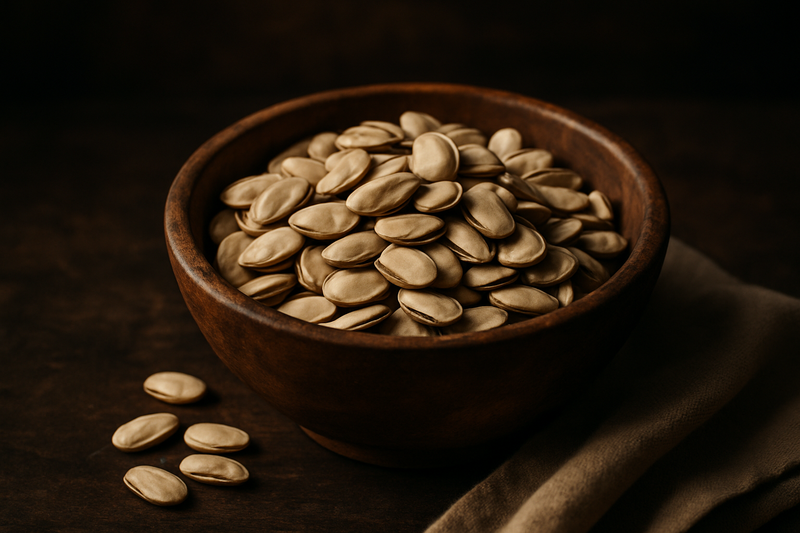
Lablab Beans (Dried) · Photograph
Discover the hyacinth beans health benefits and safety essentials: how to cook dried lablab beans to neutralize cyanogenic compounds, their rich nutrition profile, and what the evidence says about digestion, blood sugar, and heart health.
Key Nutrients
% Daily Value based on 2,000 cal diet
Key active compounds in lablab beans
- Cyanogenic glycosides — Naturally occurring compounds in the seed that can release hydrogen cyanide if consumed raw or undercooked. Proper soaking and boiling neutralizes these; they are not a concern in correctly prepared beans.
- Oligosaccharides (raffinose family) — Short-chain carbohydrates that reach the large intestine undigested, where gut bacteria ferment them. This is the main cause of gas and bloating in some people, but these same compounds act as prebiotics (food for beneficial gut bacteria).
- Phytates (phytic acid) — Phosphorus-containing compounds that can mildly reduce the absorption of minerals like iron and zinc. Soaking and cooking reduces phytate levels. Phytates also have antioxidant properties of their own.
- Polyphenols (flavonoids and phenolic acids) — A broad family of plant compounds with antioxidant activity, concentrated in the seed coat. These may contribute to the anti-inflammatory and cardiometabolic effects seen with regular legume consumption.
- Resistant starch — A type of carbohydrate that behaves more like fiber than sugar, slowing digestion, supporting gut bacteria, and blunting blood sugar spikes after a meal.
Prep and pairing ideas
The essential safety protocol — step by step:
- Rinse dried beans and pick out any debris.
- Soak in cold water for at least 8 hours (or overnight). Use roughly 3 cups water per 1 cup beans.
- Drain completely and discard the soak water.
- Add fresh cold water and bring to a full, rolling boil.
- Boil vigorously for at least 10 minutes, then reduce to a simmer and cook until completely tender — usually 45 to 75 minutes total depending on the age of the beans.
- Drain again if desired, or use the cooking liquid in stews (it will be safe at this point).
Who benefits most from lablab beans?
The fiber-focused eater
- Struggling to hit the recommended 25–38 g fiber per day from food alone
- Wants a prebiotic boost for gut microbiome diversity
- Looking for a legume with more fiber than standard kidney or black beans
The plant-based protein seeker
- Building or maintaining muscle on a fully plant-based diet
- Needs a low-cost, shelf-stable protein source with a different amino acid profile than soy
- Interested in traditional legumes less commonly eaten in Western countries
Three practical pairings and why they work:
- Lablab beans + tomatoes and tamarind (South Indian sambhar-style): The acidity of tomato and tamarind brightens the earthy flavour of the beans, and vitamin C in these ingredients enhances absorption of the beans' non-heme iron — a win both for taste and nutrition.
- Lablab beans + leafy greens (spinach, kale, or collards): Both are iron sources; pairing them with a squeeze of lemon adds vitamin C, further improving iron bioavailability. Classic in East African stew traditions.
- Lablab beans + whole grains (brown rice, millet, or teff): Legumes and grains together provide a more complete amino acid profile than either alone — the grain supplies the amino acid methionine that beans lack, and the beans supply lysine that grains lack.
Bottom line
Dried lablab (hyacinth) beans are a nutritionally dense, fiber-rich, plant-protein powerhouse with deep roots in South Indian and African food traditions. When prepared correctly — soaked overnight and boiled thoroughly in fresh water — they are safe, delicious, and a genuinely strong addition to a whole-food, plant-based diet.
The health evidence supporting their benefits for heart health, blood sugar regulation, and digestive function is robust for legumes as a group and highly plausible for lablab beans, even though lablab-specific clinical trials are still limited. The unique safety consideration (cyanogenic compounds in raw or undercooked dried seeds) is real but easily managed with the soak-and-boil protocol that traditional cuisines have used for generations.
If you want to diversify your legume rotation, lower your glycemic load, or simply explore a new ingredient, dried lablab beans are well worth getting to know.
How Lablab Beans (Dried) Compares
| Compared with | What's different |
|---|---|
| Lablab Beans (Dried) vs. Black Beans | Lablab beans contain significantly more fiber (25.6g) and potassium per cup than black beans. |
| Lablab Beans (Dried) vs. Lentils | Lablab beans must be boiled vigorously to neutralize cyanogenic glycosides, unlike common lentils. |
| Lablab Beans (Dried) vs. Lima Beans | Lablab beans have a firmer texture and a more earthy, nutty flavor compared to the creamy lima bean. |
Health Benefits
Things to Know
Never eat raw or undercooked lablab beans.: Dried mature seeds contain cyanogenic glycosides that are only fully neutralized by proper soaking and vigorous boiling (see the prep section below). Eating inadequately prepared beans can cause nausea, vomiting, and in severe cases, serious toxicity.
Do not use a slow cooker for the initial cook.: Sub-boiling temperatures are insufficient to neutralize cyanogenic compounds. Always boil fully in a pot first. A pressure cooker is safe once beans have been pre-soaked.
Kidney disease / potassium restriction: Lablab beans are very high in potassium (1,235 mg per 100 g dried). If you are on a potassium-restricted diet or have chronic kidney disease, discuss portion sizes with your dietitian before adding these beans.
Legume allergy: People with known allergies to beans or other pulses may cross-react with lablab beans. Introduce cautiously and stop if allergic symptoms appear.
IBS, SIBO, or low-FODMAP diets: Lablab beans contain fermentable oligosaccharides (FODMAPs) that can trigger gas, bloating, or diarrhea in sensitive individuals. Start very small (2 to 3 tablespoons cooked) and assess your tolerance.
Medication interactions:
Antihypertensive drugs (especially potassium-sparing diuretics, ACE inhibitors, ARBs): the high potassium in lablab beans may amplify the medication's effect on serum potassium. Monitor with your doctor.
Diabetes medications (insulin, metformin, other oral hypoglycemics): improving glycemic control through a high-fiber diet may lower your blood sugar further and alter medication requirements. Monitor blood glucose and consult your healthcare provider.
Iron supplements: phytates in lablab beans can mildly reduce non-heme (plant-sourced) iron absorption. Space iron supplements at least two hours away from high-legume meals if this is a concern.
Pregnancy and breastfeeding: Lablab beans are safe to eat when properly soaked and boiled. The extra folate is a genuine benefit during pregnancy. Avoid any preparation that skips the boiling step.
Children: Fine when fully cooked; never serve undercooked beans to young children.
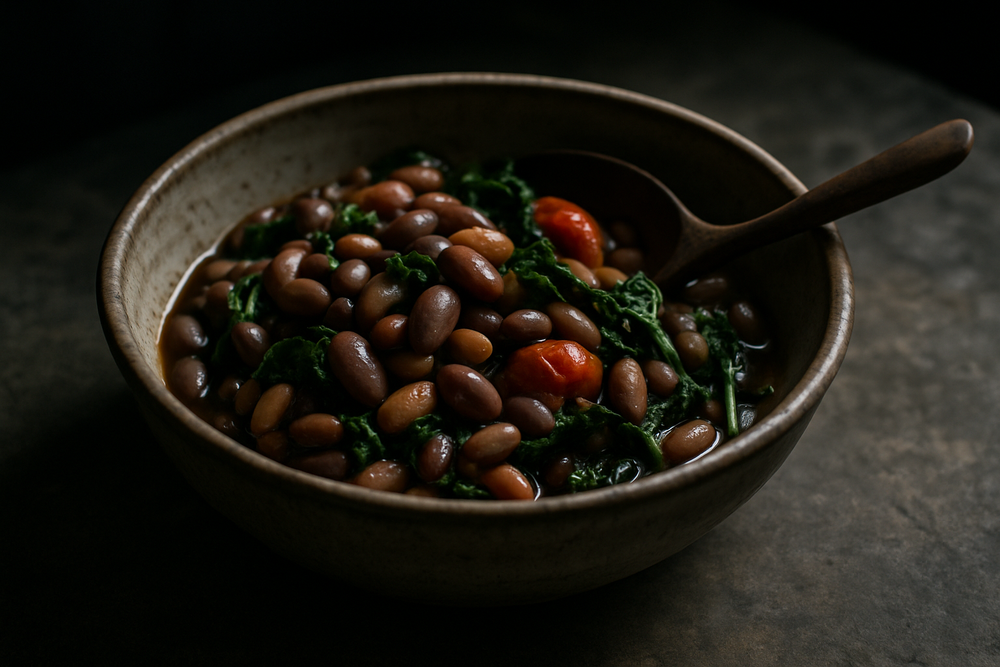
Prep Ideas
- — Rinse dried beans and pick out any debris.
- — Soak in cold water for at least 8 hours (or overnight). Use roughly 3 cups water per 1 cup beans.
- — Drain completely and discard the soak water.
- — Add fresh cold water and bring to a full, rolling boil.
- — Boil vigorously for at least 10 minutes, then reduce to a simmer and cook until completely tender — usually 45 to 75 minutes total depending on the age of the beans.
- — Drain again if desired, or use the cooking liquid in stews (it will be safe at this point).
- — Struggling to hit the recommended 25–38 g fiber per day from food alone
- — Wants a prebiotic boost for gut microbiome diversity
- — Looking for a legume with more fiber than standard kidney or black beans
- — Building or maintaining muscle on a fully plant-based diet
- — Needs a low-cost, shelf-stable protein source with a different amino acid profile than soy
- — Interested in traditional legumes less commonly eaten in Western countries
- — **Lablab beans + tomatoes and tamarind (South Indian sambhar-style):** The acidity of tomato and tamarind brightens the earthy flavour of the beans, and vitamin C in these ingredients enhances absorption of the beans' non-heme iron — a win both for taste and nutrition.
- — **Lablab beans + leafy greens (spinach, kale, or collards):** Both are iron sources; pairing them with a squeeze of lemon adds vitamin C, further improving iron bioavailability. Classic in East African stew traditions.
- — **Lablab beans + whole grains (brown rice, millet, or teff):** Legumes and grains together provide a more complete amino acid profile than either alone — the grain supplies the amino acid methionine that beans lack, and the beans supply lysine that grains lack.
Shop This Ingredient
Stock your pantry with quality lablab beans (dried).
Buy on AmazonAs an Amazon Associate, Plantopedia earns from qualifying purchases. This costs you nothing extra and helps us keep the encyclopedia free.
Frequently Asked Questions
The honest answer is: the benefits are well supported for the legume family as a whole, and are highly plausible — though not yet proven in dedicated clinical trials — for lablab beans specifically. Here is what the evidence shows, area by area. Heart and circulation Multiple meta-analyses (studies that pool results from many individual trials) show that regularly eating cooked pulses — roughly one cup per day — is associated with modest but meaningful reductions in LDL cholesterol (often called "bad" cholesterol) and improvements in blood pressure. The mechanisms are well understood: soluble fiber binds to cholesterol in the digestive tract before it can be absorbed; high potassium intake counteracts the blood-pressure-raising effects of sodium; and replacing red or processed meat with plant protein reduces saturated fat intake. Lablab beans provide all of these factors. They are very low in saturated fat, meaningfully high in potassium (1,235 mg per 100 g dried weight), and rich in soluble fiber. No clinical trial has tested lablab beans specifically for cholesterol outcomes, so benefits for heart health in hyacinth beans are extrapolated from the broader pulse evidence — which is strong. Digestive health and microbiome Here the evidence is most direct. Fiber-rich legumes consistently support bowel regularity, healthy stool consistency, and a more diverse gut microbiome (the community of bacteria living in your digestive tract). At roughly 25 g of fiber per 100 g dried weight, lablab beans are genuinely exceptional in this regard. The fermentable oligosaccharides in lablab beans serve as prebiotics — think of them as fertilizer for beneficial bacteria like Bifidobacterium and Lactobacillus species. The trade-off is that these same compounds can cause gas and bloating, particularly when you're new to eating legumes regularly. Starting with a smaller portion and increasing gradually over two to three weeks gives your gut microbiome time to adapt. Blood sugar and metabolism Human intervention studies on pulses (beans, lentils, chickpeas) consistently show that replacing refined carbohydrates with whole cooked legumes lowers the blood sugar spike after a meal (postprandial glycemic response), reduces fasting blood glucose over time, and can improve insulin sensitivity (how effectively your cells respond to the hormone insulin). The responsible mechanisms include slowly digested starch, very high fiber, and plant protein — all of which slow the release of glucose into the bloodstream. Lablab beans share exactly this nutritional profile: a meaningful fiber load, moderate protein, and low fat. They are biologically likely to produce similar glycemic benefits, though lablab-specific trials in people with diabetes or metabolic syndrome have not yet been published. Inflammation and recovery Observational studies link higher legume consumption with lower blood markers of systemic inflammation (widespread, low-grade immune activation associated with chronic disease). The mechanisms likely involve fiber's effects on the gut microbiome, polyphenols' antioxidant activity, and the indirect benefit of better blood sugar and lipid control. Evidence for lablab beans specifically in this area is best described as emerging. Animal studies and compositional analyses suggest anti-inflammatory potential, but human clinical data are absent. This benefit should be considered plausible and indirect rather than established.
Dried whole seeds (soaked and boiled) are the gold standard. This is the traditional form, the safest form, and the most nutritionally complete form. Here is how forms compare: | Form | Pros | Watch out for | | --- | --- | --- | | Dried whole seeds, home-soaked and boiled | Full control over preparation; highest nutrient retention | Must follow the soak-and-boil protocol every time | | Pre-cooked / canned hyacinth beans | Convenient; toxins already deactivated by industrial processing | Less common outside specialty stores; check for added sodium | | Lablab bean flour | Good for composite baking or thickening | Must be made from beans that were soaked and cooked before milling; verify the process | | Sprouted lablab beans | Some nutrient shifts during sprouting | Still require thorough cooking — sprouting does not remove cyanogenic risk | | Fermented preparations | Reduced certain antinutrients; traditional in some regions | Fermentation alone does not replace boiling; ensure full heat treatment | For most home cooks, buying dried beans and preparing them fresh gives the best combination of quality, safety, and affordability.
Nutrition research on pulses typically uses ½ to 1 cup cooked legumes per day as the meaningful dose for health benefits — equivalent to roughly 75 to 150 g cooked beans. This is a reasonable target for lablab beans as well. Practical guidance: Start low: If you are new to lablab beans or high-fiber legumes generally, begin with 2 to 3 tablespoons cooked (about 30 to 40 g) and increase over 2 to 3 weeks to allow gut adaptation. Frequency: Eating lablab beans 3 to 4 times per week, as part of a varied legume rotation, is consistent with the dietary patterns in populations with the best cardiometabolic outcomes. Upper limit: There is no established "too much" for properly cooked legumes in healthy individuals, but very large portions at once are more likely to cause digestive discomfort. Spreading intake across meals is practical. Kidney disease exception: If potassium must be restricted, maximum portions should be discussed with a dietitian — this is the main population where a formal upper limit applies. Supplement form: Lablab bean supplements are not a mainstream product, and no standardized dose guidance exists for extracts. Whole-food preparations are preferred.
Quick Answers
Common questions, answered in a line.
You must soak dried lablab beans for at least 8 hours, drain them, and then boil them vigorously in fresh water for at least 10 minutes before simmering until tender. This protocol is essential to neutralize cyanogenic glycosides, which can be toxic if the beans are raw or undercooked.
No, you should never eat raw or undercooked lablab beans because they contain cyanogenic glycosides that can release hydrogen cyanide. Consuming them without proper soaking and vigorous boiling can cause nausea, vomiting, and serious toxicity.
You should not use a slow cooker for the initial cooking of lablab beans because sub-boiling temperatures are insufficient to neutralize their natural cyanogenic compounds. Always use a pot for a full, rolling boil or a pressure cooker after pre-soaking the beans.
Lablab beans may cause gas and bloating because they contain oligosaccharides, which are short-chain carbohydrates that gut bacteria ferment in the large intestine. While these act as beneficial prebiotics, they can trigger digestive discomfort in sensitive individuals.
People with chronic kidney disease or those on potassium-restricted diets should be cautious with lablab beans because they are very high in potassium, containing 1,235 mg per 100 g dried. It is important to discuss portion sizes with a dietitian before adding them to your diet.
Pairing lablab beans with vitamin C-rich foods like tomatoes, tamarind, or lemon juice helps enhance the absorption of the beans' non-heme iron. Additionally, eating them with whole grains like brown rice or millet creates a more complete amino acid profile.
For Readers in the USA
Local context — sourcing, seasonality, and regional notes.
You can typically find dried lablab beans (often labeled as Val Dal or Surti Papdi) at Indian grocery stores like Patel Brothers, international markets, or through major online retailers like Amazon. While rarely stocked in conventional chains like Kroger or Publix, they are widely available in urban areas with significant South Asian or African populations.
In the United States, lablab beans are primarily grown as a summer cover crop or ornamental vine in USDA Hardiness Zones 9–11, including parts of Florida, Texas, and California. While they thrive in the Southern heat, the dried beans sold in U.S. markets are frequently imported from India or East Africa to meet year-round demand.
In U.S. culinary contexts, these legumes are most frequently referred to as "hyacinth beans," though you may also see them sold as "Val," "field beans," or "Egyptian beans" in specialty markets. Because the FDA requires accurate labeling for botanical safety, look for the Latin name Dolichos lablab on the packaging to ensure you are buying the correct variety.
AI Clinical Review
- Clear, accurate emphasis on safety: dried, mature lablab seeds must be soaked and then boiled vigorously to inactivate cyanogenic compounds; slow-cooking from dry is unsafe.
- Nutritionally, lablab beans are positioned appropriately alongside other pulses—high in fiber and plant protein, with notable potassium and iron—supporting heart, glycemic, and gut health when eaten as part of a legume-rich pattern.
- Practical intake guidance (about ½–1 cup cooked daily, with gradual titration to minimize gas) matches doses commonly used in pulse research and real-world tolerance.
- Sensible, consumer-friendly tips on enhancing non‑heme iron absorption (e.g., pairing with vitamin C–rich foods) and on who may need added caution (CKD, diabetes, allergies).
- Most health claims are extrapolated from broader legume research; high-quality human trials specifically testing lablab beans are limited.
- Cyanogenic content varies by cultivar and maturity, so the minimum effective home-cooking time beyond an initial rolling boil isn’t standardized; the article’s protocol is prudent but evidence on exact thresholds is sparse.
- Reported nutrient values (especially potassium and iron) can differ by growing conditions and cooking/draining methods; cooked serving values may not mirror dry-weight tables.
- The impacts of sprouting or fermentation on lablab-specific antinutrients and residual toxins are not well characterized; these methods don’t replace thorough boiling.
- Safety first: never eat raw or undercooked dried lablab beans; discard soak water and reboil in fresh water. Avoid slow cookers for the initial cook; pressure cookers are reasonable after soaking if they achieve full boiling temperatures.
- Dose and tolerance: most people do well with ½–1 cup cooked per day; those with IBS or on low‑FODMAP plans may need to start with a few tablespoons and increase slowly.
- Check with a clinician if you have chronic kidney disease or are on potassium‑raising drugs (ACE inhibitors, ARBs, potassium‑sparing diuretics), or if you use insulin/oral diabetes medications and plan to increase legumes meaningfully.
- Allergies to legumes can cross‑react; introduce cautiously. Pregnancy and children: safe when fully cooked using the soak‑and‑boil method.
Mature dried seeds must be soaked and boiled with a water change; they contain cyanogenic compounds neutralized by proper cooking.
References
- Harvard T.H. Chan School of Public Health — Legumes and Pulses overview (nutritionsource.hsph.harvard.edu)
- USDA FoodData Central — Hyacinth beans, mature seeds, cooked, boiled (fdc.nal.usda.gov)
- PMC — Proximate composition and fatty acid analysis of Lablab purpureus seeds (pmc.ncbi.nlm.nih.gov)
- PROSEA / PROTA4U — Lablab purpureus species profile including antinutrient content and traditional food uses (prosea.prota4u.org)
- Nutrition-and-You — Hyacinth bean nutrition facts and health benefits (nutrition-and-you.com)
- FoodStruct — Hyacinth beans, mature seeds, cooked, boiled, without salt (nutrient data) (foodstruct.com)
- Botany Journal — Compositional and phytochemical analysis of lablab bean seeds (botanyjournals.com)
- Doctor Guide Online — Are hyacinth beans edible? Safety and preparation guidance (doctorguideonline.com)
- Harvard Nutrition Source — Minerals content table for hyacinth beans (dried) (nutritionsource.hsph.harvard.edu)
- DaVita — Legumes as a plant-based protein source (kidney diet context) (davita.com)
Know Your Numbers
Eating healthy is a start. Now get to know your biomarkers.
Food changes bloodwork — inflammation, lipids, blood sugar and nutrient status all respond to what you eat. 59 markers from $59.
- Results in 7–10 days at 2,000+ Quest sites
- Licensed provider reviews every result
- One flat price, no membership, HSA/FSA eligible
Educational information only, not medical advice. Panels are ordered and reviewed through our licensed partner; Plantopedia may earn a commission.