Kiwi Berry — health benefits and uses
A hardy kiwi vine fruit eaten fresh as a bite-sized snack.
The Short Answer
Kiwi berries are edible, grape-sized fruits that provide 80 mg of Vitamin C per serving and are eaten whole, skin and all. They are notable for high levels of myo-inositol and the protein-digesting enzyme actinidain.
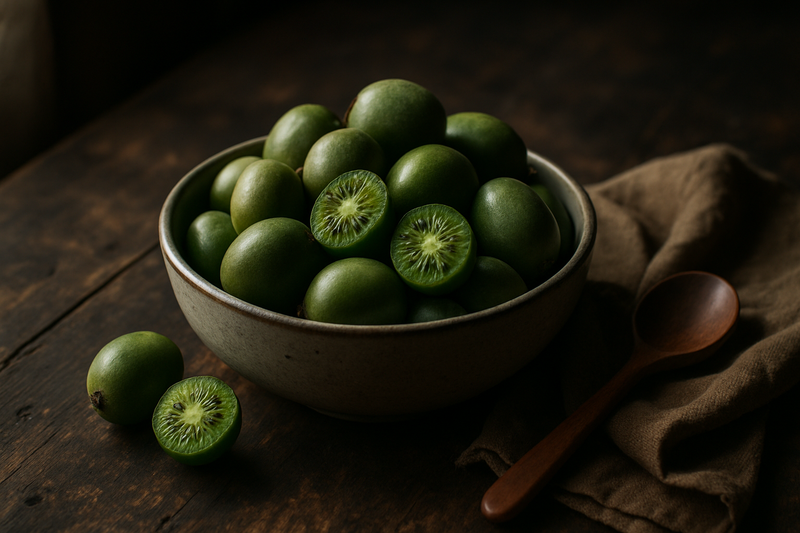
Kiwi Berry · Photograph
Discover the kiwi berry health benefits you're probably missing: grape-sized, smooth-skinned, eaten whole — no peeling needed. Learn the nutrition facts, vitamin C content, digestion support, heart health evidence, safety tips, and how many to eat per day.
Key Nutrients
% Daily Value based on 2,000 cal diet
Key active compounds in kiwi berries
- Vitamin C — A water-soluble antioxidant that supports immune defense, collagen production, and iron absorption. Kiwi berries deliver around 80 mg per 125 g serving, close to a full day's requirement.
- Myo-inositol (vitamin B8) — A cyclic polyol (a type of sugar alcohol) involved in cell signaling, insulin pathways, and neurotransmitter function. Kiwiberry is one of the richest natural food sources known.
- Lutein — A yellow carotenoid (pigment compound) concentrated in the retina; acts as a filter for damaging blue light and supports visual health.
- Beta-carotene and mixed carotenoids — Pigments that the body converts to vitamin A; also function as antioxidants protecting cells from oxidative damage.
- Phenolic compounds — A broad family of plant molecules (including flavonoids and phenolic acids) with antioxidant and anti-inflammatory properties. Some kiwiberry cultivars measure around 1,300 mg of total phenolics per 100 g — a high figure for a fresh fruit.
- Actinidain (actinidin) — A cysteine protease (protein-digesting enzyme) that may help break down dietary protein in the gut. It is also the primary allergen in kiwifruit and kiwiberry.
- Chlorophylls — The green pigments that give kiwi berries their color; preliminary evidence suggests antioxidant and detoxification-supporting roles.
Prep and pairing ideas
Kiwi berries need almost no preparation, which is the point. Rinse under cold water, pat dry, and eat. Beyond that:
Kiwi berries + Greek yogurt (or coconut yogurt for WFPB): The acidity of the berries brightens the dairy tang, while the protein in yogurt slows carbohydrate absorption. The fat in full-fat yogurt also helps absorb the fat-soluble carotenoids in the berries.
Kiwi berries + spinach in a smoothie: Lutein from the berries pairs with non-heme iron from spinach; the vitamin C in kiwiberry directly enhances non-heme iron absorption — a useful combination for plant-based eaters.
Kiwi berries + oats (overnight oats or porridge): Adds a vitamin C and fiber boost to a high-fiber base; the natural acidity also brightens an otherwise mild dish and may preserve some of the vitamin C in cooler preparations.
Storage tip: Ripe kiwi berries are soft and perishable — refrigerate and use within 3–5 days. They continue to ripen at room temperature if still firm when purchased.
Bottom line
Kiwi berries are a genuinely unusual fruit: small, convenient, eaten whole, and nutritionally dense in ways that go beyond basic vitamins. Their vitamin C, fiber, potassium, lutein, and especially myo-inositol content give them a phytonutrient profile that stands out even among fresh fruits. The clinical evidence for specific health outcomes is mostly inferred from related kiwifruit research and the fruit's nutrient chemistry — direct kiwiberry trials are still limited. But for most healthy adults, there is little reason not to include them in a varied, whole-food diet, and good nutritional reasons to do so. Just be aware of the allergy risk if kiwifruit has ever caused you a reaction.
How Kiwi Berry Compares
| Compared with | What's different |
|---|---|
| Kiwi Berry vs. Kiwifruit | Edible smooth skin vs. fuzzy inedible peel; roughly 1/10th the size of a standard kiwi. |
| Kiwi Berry vs. Green Grapes | Both are bite-sized, but kiwi berries have seeds and a tart, acidic profile vs. sugary sweetness. |
Health Benefits
Things to Know
Kiwi allergy: If you have ever reacted to kiwifruit — itchy mouth, hives, swelling, or anaphylaxis — avoid kiwi berries entirely. They contain the same actinidain allergen.
Oral allergy syndrome (OAS): People with OAS (itching or tingling in the mouth triggered by raw fruits, often linked to birch pollen allergy) may react to kiwi berries similarly to kiwifruit.
Latex allergy: Latex-fruit syndrome means certain people with latex allergy also react to kiwifruit proteins. Kiwi berries carry the same risk; check with an allergist before trying them.
Kidney disease: Kiwi berries provide ~360 mg potassium per 125 g serving. If you have been advised to limit potassium due to kidney disease, coordinate intake with your healthcare team.
Medications affecting potassium: ACE inhibitors (e.g., lisinopril), ARBs (e.g., losartan), and potassium-sparing diuretics (e.g., spironolactone) can raise blood potassium levels. Eating large amounts of potassium-rich foods alongside these drugs warrants monitoring.
Blood thinners: Kiwifruit has shown some effect on platelet aggregation in trials. If you take warfarin, aspirin, or clopidogrel, discuss high fruit intake changes with your prescriber; direct data for kiwiberry are lacking but the theoretical concern applies.
Toddlers: The small, round shape poses a choking risk. Halve or quarter kiwi berries for children under 4.
GI sensitivity: Large amounts (more than 2–3 handfuls) may cause bloating or loose stools in people with sensitive digestion, due to fiber and organic acids.
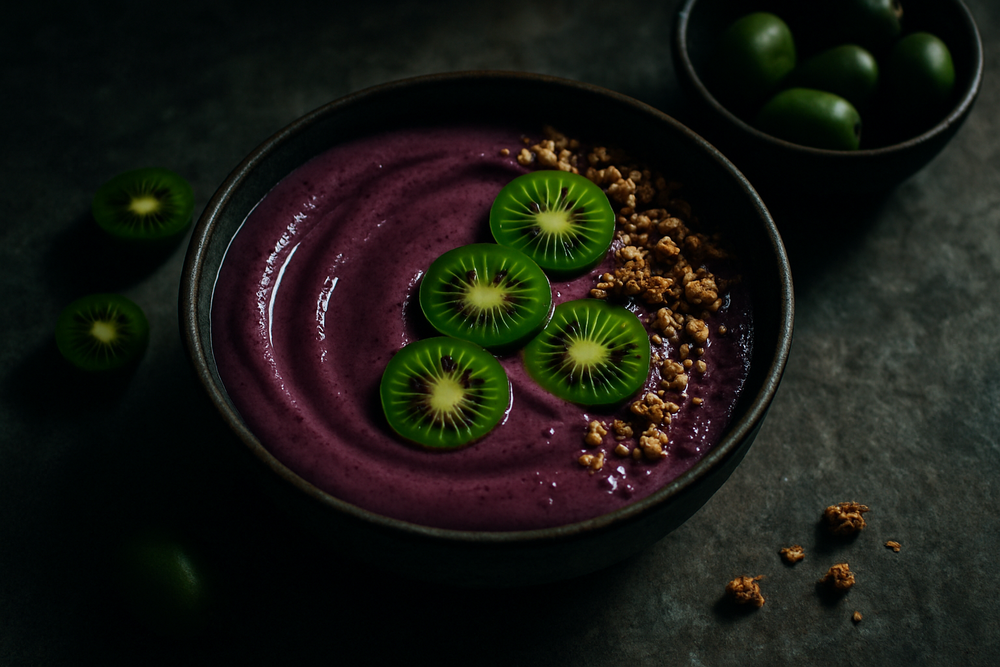
Shop This Ingredient
Stock your pantry with quality kiwi berry.
Buy on AmazonAs an Amazon Associate, Plantopedia earns from qualifying purchases. This costs you nothing extra and helps us keep the encyclopedia free.
Frequently Asked Questions
Most benefits described below are supported by the fruit's nutrient profile and by human research on closely related kiwifruit species. Direct clinical trials on kiwi berries are still limited, so the evidence level for each area is noted honestly. Heart and circulation Kiwi berries contain a combination of nutrients frequently linked to cardiovascular health in population research: vitamin C, potassium, dietary fiber, and polyphenols. Potassium helps regulate the balance of fluids inside and outside cells, which plays a role in maintaining healthy blood pressure. Fiber binds to cholesterol in the gut and supports its excretion. In human trials using related kiwifruit (typically 2–3 fruits per day), researchers observed improvements in plasma lipid profiles, reductions in markers of oxidative stress, and decreases in platelet aggregation (the tendency of blood cells to clump together — a factor in clot formation). Whether eating kiwiberry produces identical effects has not been directly tested, but the nutrient overlap is substantial. Evidence level: Emerging — plausible based on nutrient profile and kiwifruit trials; no kiwiberry-specific cardiovascular trials yet. Digestive health and the gut A 125 g serving provides approximately 4 g of dietary fiber — roughly 14% of the daily target for most adults. Fiber feeds beneficial gut bacteria (a process called prebiotic fermentation), adds bulk to stool, and is consistently linked to improved bowel regularity. Kiwi berries also contain actinidain, a protease enzyme that may help the stomach break down proteins more efficiently. Controlled trials using green kiwifruit (which contains the same enzyme) showed improved stool frequency and consistency, particularly in people with mild constipation. Kiwiberry has not been separately trialled for digestive outcomes, but the mechanism would apply in a similar direction. Note: Actinidain is also the allergen responsible for kiwi-related allergic reactions. See the safety section below. Evidence level: Emerging for kiwi berries specifically; moderate for the fiber-motility link and actinidain-protein digestion evidence in related kiwifruit. Blood sugar and metabolism Kiwi berries are relatively low in calories and contain a meaningful amount of fiber relative to their carbohydrate load (4 g fiber per 22 g carbohydrate). Fiber slows the rate at which sugar from food enters the bloodstream — a process sometimes described as blunting the postprandial (after-eating) glucose rise. Their unusually high myo-inositol content adds an interesting layer. Myo-inositol has been studied in supplement form for insulin signaling, particularly in people with polycystic ovary syndrome (PCOS) and metabolic syndrome. Those studies use isolated inositol, not whole kiwi berry, so the results cannot be directly applied. Still, getting meaningful amounts of myo-inositol from a whole food rather than a pill is worth noting. Evidence level: Emerging — plausible based on fiber content and myo-inositol data; no kiwiberry-specific glycemic trials. Inflammation and immune recovery Kiwi berries are rich in vitamin C, mixed carotenoids, lutein, and phenolic compounds — a combination that, in laboratory and human studies on other kiwifruit species, has been associated with reductions in markers of oxidative stress and modulation of inflammatory pathways. Vitamin C is particularly well-studied: adequate intake supports white blood cell function and helps regenerate other antioxidants (like vitamin E) after they neutralize free radicals. There are no clinical trials measuring inflammatory biomarkers specifically after kiwi berry intake. The anti-inflammatory case for this fruit is built from its nutrient chemistry, not yet from direct outcome studies. Evidence level: Emerging — strong biological rationale; direct kiwiberry trial data not yet available.
The vitamin C seeker on a tight schedule Gets close to a day's vitamin C in one small handful — no prep, no peeling. A practical option on days when cooking vegetables isn't happening. Useful for people who find larger kiwifruit hard to eat because of texture or the peeling step. The WFPB snacker looking to diversify fruit variety Adds an unusual phytonutrient profile (myo-inositol, lutein, high phenolics) to a plant-based routine that might lean heavily on apples and bananas. Works well mixed into smoothie bowls, grain salads, or eaten straight from the punnet. Low calorie density supports eating a larger volume of fruit without excessive energy intake.
Yes — the smooth, thin skin is entirely edible and one of the best reasons to choose kiwi berries over standard kiwifruit. Eating the whole berry preserves all the fiber from the skin, all the polyphenols concentrated near the surface, and avoids the vitamin C losses that can come from peeling and cutting. Fresh whole berries: The preferred form for maximum nutrient retention. Just rinse and eat. Frozen berries: Freezing preserves most vitamin C and fiber well. Good for smoothies when fresh aren't available. Juice or puree: Retains vitamin C reasonably well but removes much of the fiber. Not the best choice if digestive support or blood sugar management is a goal. Dried kiwi berries: Concentrates sugar and energy per gram; some micronutrient loss occurs during drying. Reasonable as an occasional addition to trail mix, but not a direct substitute for fresh. Extracts and powders: Used in research settings; no standardized human dosing exists for supplemental kiwiberry products.
There is no established therapeutic dose for kiwi berries because clinical trials using the whole fruit don't yet exist. The most useful reference point comes from kiwifruit research, where studies typically use 2–3 fruits per day (roughly 100–200 g) and observe effects on lipids, digestion, and oxidative stress markers over 4–8 weeks. Translated to kiwi berries, one to two small handfuls (about 100–150 g) per day is a sensible dietary target that aligns with those study quantities and fits within standard fruit intake recommendations. MyPlate guidelines from the USDA recommend 1.5–2 cups of fruit daily for most adults; a 125 g serving of kiwi berries counts as approximately one cup-equivalent. Starting with a smaller amount (half a handful) is sensible if you have not eaten kiwifruit before, particularly to check for any mild digestive reaction or oral sensitivity before increasing. If you have a chronic health condition, take regular medications, or are pregnant, speak with your healthcare provider about whether and how to include kiwi berries.
Quick Answers
Common questions, answered in a line.
Kiwi berries are one of the richest known natural food sources of myo-inositol (vitamin B8). This cyclic polyol is essential for healthy cell signaling, insulin pathways, and neurotransmitter function in the body.
You do not need to peel kiwi berries; they are grape-sized with smooth skin and are intended to be eaten whole. To prepare them, simply rinse the berries under cold water and pat them dry before consuming or adding to dishes.
Kiwi berries are a potent source of Vitamin C, providing approximately 80 mg per 125 g serving. This amount is nearly a full day's requirement and helps support immune defense, collagen production, and iron absorption.
You should avoid kiwi berries if you have a known allergy to kiwifruit, as they contain the same actinidain allergen. People with latex allergies or birch pollen-related Oral Allergy Syndrome should also consult an allergist before trying them.
Kiwi berries contain actinidain, a protein-digesting enzyme that helps break down dietary protein in the gut. They also provide fiber, though eating more than two to three handfuls at once may cause bloating or loose stools in sensitive individuals.
Kiwi berries contain lutein, a yellow pigment concentrated in the retina that helps filter damaging blue light. They also provide beta-carotene and other mixed carotenoids that function as antioxidants to protect eye cells from oxidative damage.
Store ripe kiwi berries in the refrigerator and use them within 3 to 5 days, as they are soft and perishable. If the berries are still firm when purchased, you can leave them at room temperature to continue ripening.
Kiwi berries are high in potassium, providing about 360 mg per 125 g serving, which can interact with medications like ACE inhibitors, ARBs, or potassium-sparing diuretics. Additionally, those on blood thinners like warfarin should be cautious due to the fruit's potential effect on platelet aggregation.
For Readers in the USA
Local context — sourcing, seasonality, and regional notes.
The U.S. kiwi berry season is very short, typically running from late August through September in the Pacific Northwest and the Northeast. Because they are highly perishable, you will mostly find them in stores during this brief window or imported from Chile during the winter months.
In the U.S., you can find kiwi berries at major retailers like Trader Joe's, Whole Foods Market, and Costco, as well as at local farmers markets in Oregon, Washington, and Pennsylvania. Availability is usually limited to the produce section's specialty or organic berry displays during the early fall.
Kiwi berries are commercially grown in the United States, primarily in the Pacific Northwest (Oregon and Washington) and parts of the Northeast like Pennsylvania and New York. These regions provide the chilling hours and temperate climates necessary for the vines to produce high-quality fruit.
Look for the USDA Organic seal on kiwi berry clamshells if you want to ensure the fruit was grown without synthetic pesticides or fertilizers. While many U.S. growers use sustainable practices, the official seal is the only way to guarantee the product meets federal organic standards.
AI Clinical Review
- Clearly explains what kiwi berries are and why eating the whole fruit (including the thin skin) enhances fiber and polyphenol intake.
- Nutrient snapshot is practical: a 125 g handful supplying ~80 mg vitamin C, ~4 g fiber, and meaningful potassium aligns with known kiwifruit-family data.
- Digestive benefits are framed appropriately—fiber plus the proteolytic enzyme actinidain—with support from human studies on related green kiwifruit.
- Sensible intake guidance (about 100–150 g/day) ties to amounts used in kiwifruit trials and fits standard fruit recommendations, emphasizing food-first rather than supplement thinking.
- Direct clinical trials on Actinidia arguta (kiwi berry) for heart health, glycemic control, or inflammation are limited; most benefits are inferred from larger kiwifruit species.
- Myo‑inositol is unusually high in kiwi berries, but whole‑food doses vs. supplement doses and their real‑world metabolic effects haven’t been established.
- Antiplatelet effects seen with kiwifruit may not translate exactly to kiwi berries; clinical significance and dose–response remain uncertain.
- Nutrient levels (vitamin C, phenolics) can vary by cultivar, ripeness, and storage, so real‑world amounts may differ from lab values.
- Allergy caution: people with known kiwi allergy, oral allergy syndrome, or latex–fruit syndrome should avoid or consult an allergist first; actinidain is the key allergen.
- Potassium awareness: ~360 mg per 125 g serving—those with chronic kidney disease or on ACE inhibitors/ARBs/spironolactone should discuss portions with a clinician.
- Antithrombotic therapy: if you use aspirin, clopidogrel, or warfarin, check in before markedly increasing intake due to potential (though unproven for kiwi berry) antiplatelet effects.
- Form matters: fresh or frozen best preserve vitamin C and fiber; juices/purees reduce fiber and dried forms concentrate sugars. For toddlers, slice to reduce choking risk.
Contains actinidain like kiwifruit; those with kiwi allergy should avoid.
References
- PMC comprehensive review on kiwiberry nutrition and health — covers myo-inositol, phenolics, carotenoids, and safety considerations for Actinidia arguta (pmc.ncbi.nlm.nih.gov)
- University of Minnesota Extension — kiwi berry overview — practical consumer nutrition information for kiwi berries (reallifegoodfood.umn.edu)
- PMC review: nutritional and health attributes of kiwifruit — covers clinical evidence on lipids, oxidative stress, digestion, and immunity for related kiwifruit species (pmc.ncbi.nlm.nih.gov)
- PMC: effects of kiwifruit on lipids and cardiovascular markers — human trial data on kiwifruit and blood lipid, platelet, and vascular outcomes (pmc.ncbi.nlm.nih.gov)
- USDA FoodData Central — kiwifruit nutrition data — standardized macronutrient and micronutrient reference values for kiwifruit family (fdc.nal.usda.gov)
- MyPlate / USDA — fruit food group guidance — recommended daily fruit intake and health context for varied fruit consumption (myplate.gov)
- Medical News Today — kiwifruit benefits and safety overview — consumer-oriented summary of allergy risks including actinidain and latex-fruit syndrome (medicalnewstoday.com)
- Healthline — kiwi nutrition and benefits — overview of kiwifruit and related species phytonutrients with evidence context (healthline.com)
- UCLA Health — kiwi as a nutrient-dense fruit — clinical nutrition commentary on kiwifruit in health-supportive diets (uclahealth.org)
- NZ Kiwiberry nutritional summary — compositional data for commercially grown Actinidia arguta cultivars (nzkiwiberry.com)
Know Your Numbers
Eating healthy is a start. Now get to know your biomarkers.
Food changes bloodwork — inflammation, lipids, blood sugar and nutrient status all respond to what you eat. 59 markers from $59.
- Results in 7–10 days at 2,000+ Quest sites
- Licensed provider reviews every result
- One flat price, no membership, HSA/FSA eligible
Educational information only, not medical advice. Panels are ordered and reviewed through our licensed partner; Plantopedia may earn a commission.